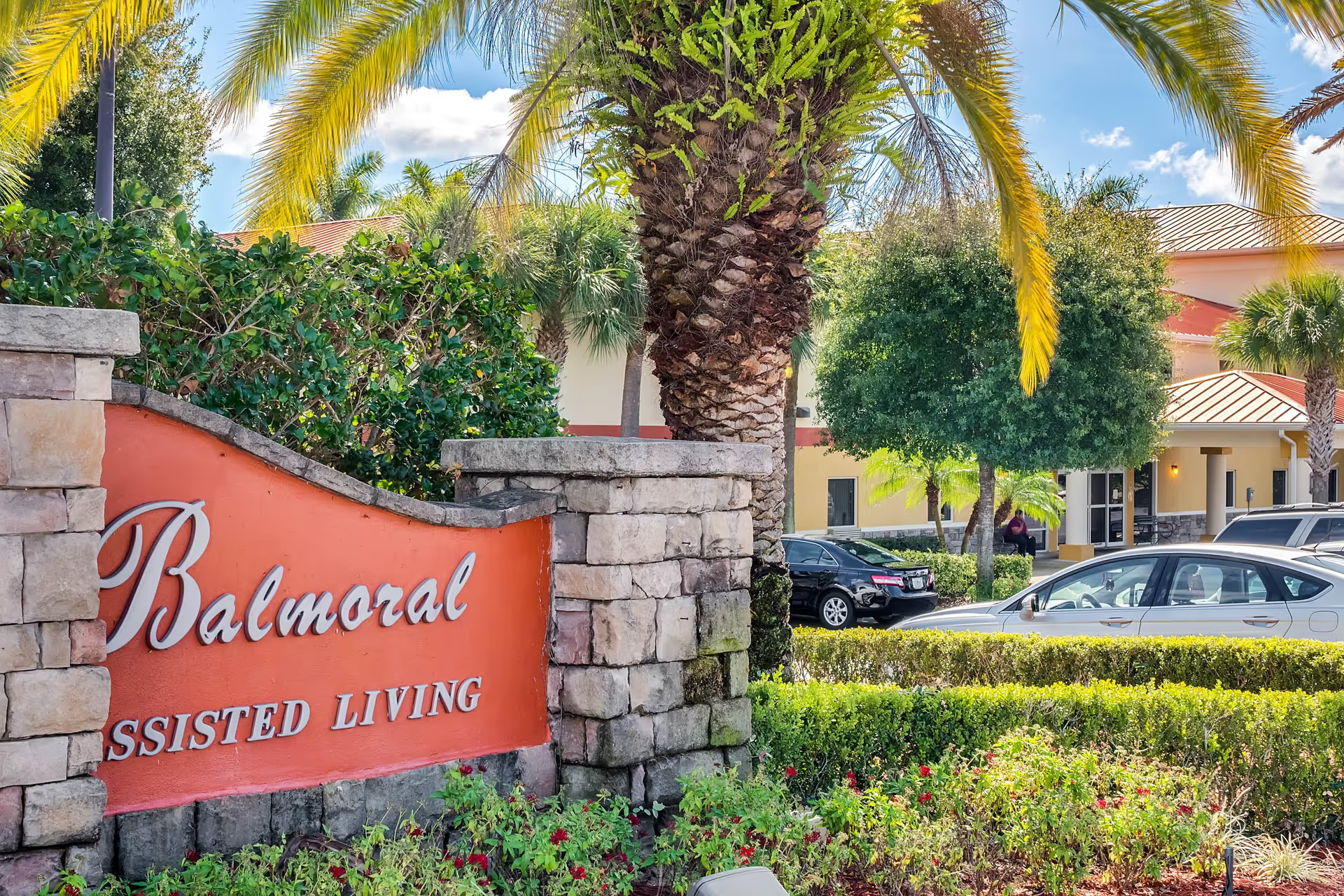
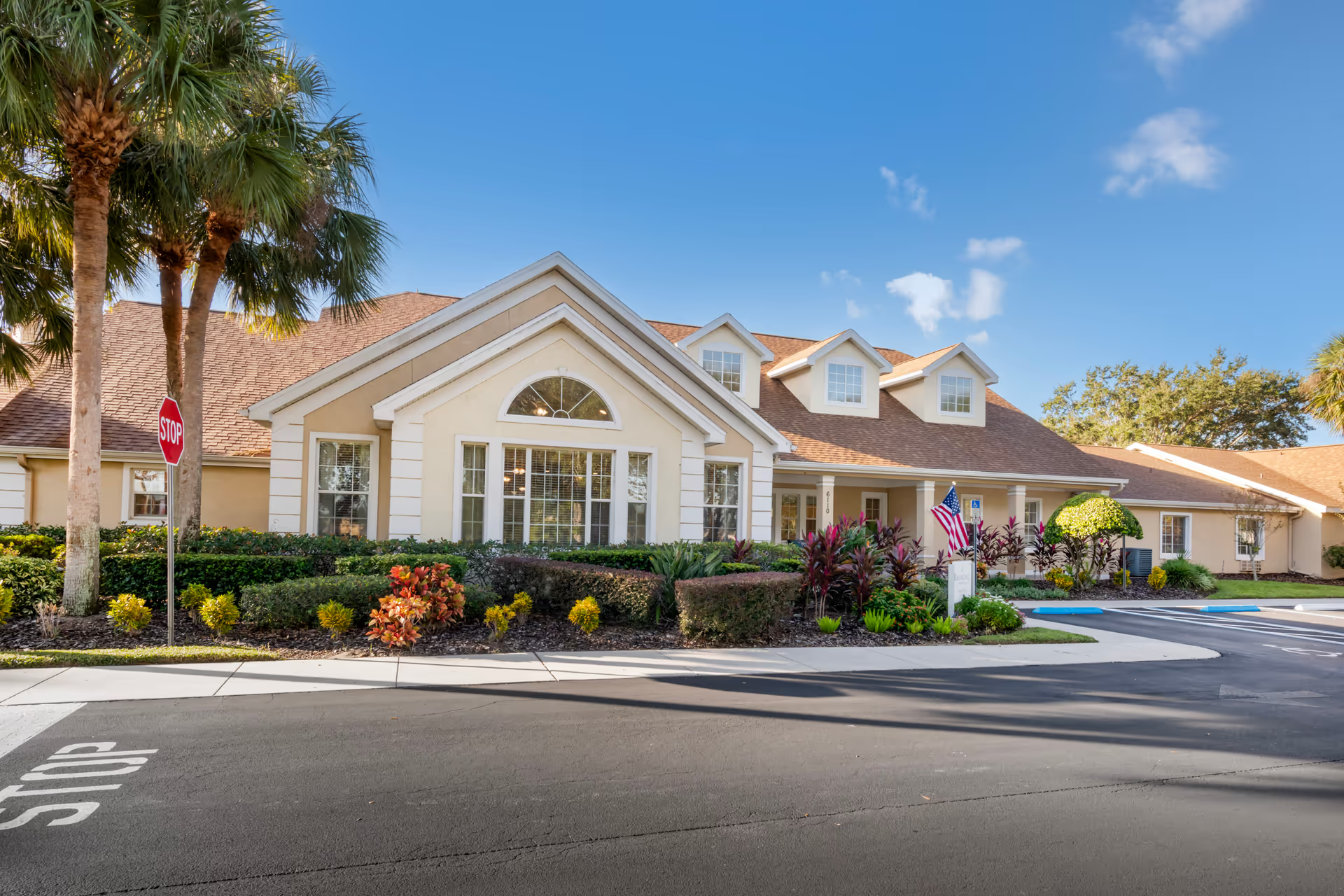
Overall impression: Reviews present a mixed but specific pattern. Many families and residents cite strengths in direct caregiving, therapy services, facility upkeep, and activities, while also flagging operational weaknesses in personal-care consistency, communication, and administrative processes.
Care quality and staffing: Rehabilitation services (physical and occupational therapy) are consistently described as a strong element of the program, and individual nursing aides are frequently praised for attentiveness and helpfulness. At the same time, reviewers raised concerns about inconsistent personal-care delivery (for example, irregular bathing schedules) and at least one report of significant, unintended weight loss, which together point to gaps in monitoring and day-to-day care follow-through. Several comments suggest staffing levels at times affect responsiveness; this aligns with statements about aides and nurses being helpful but stretched.
Dining, laundry, and activities: Activity programming is a clear positive — bingo, religious services, singing and group games were noted as engaging for residents. Food quality is described variably: some find meals acceptable while other comments characterize the cuisine as basic or bland and inconsistent in quality. Laundry management and personal-belongings handling emerged as a recurring operational issue, with item loss or misplacement noted by families.
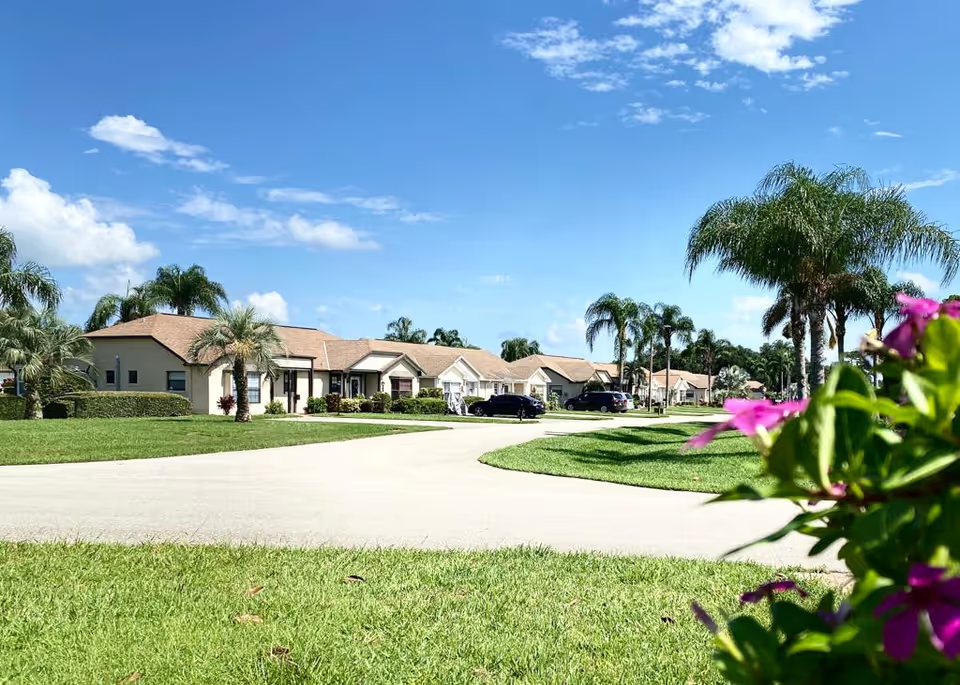
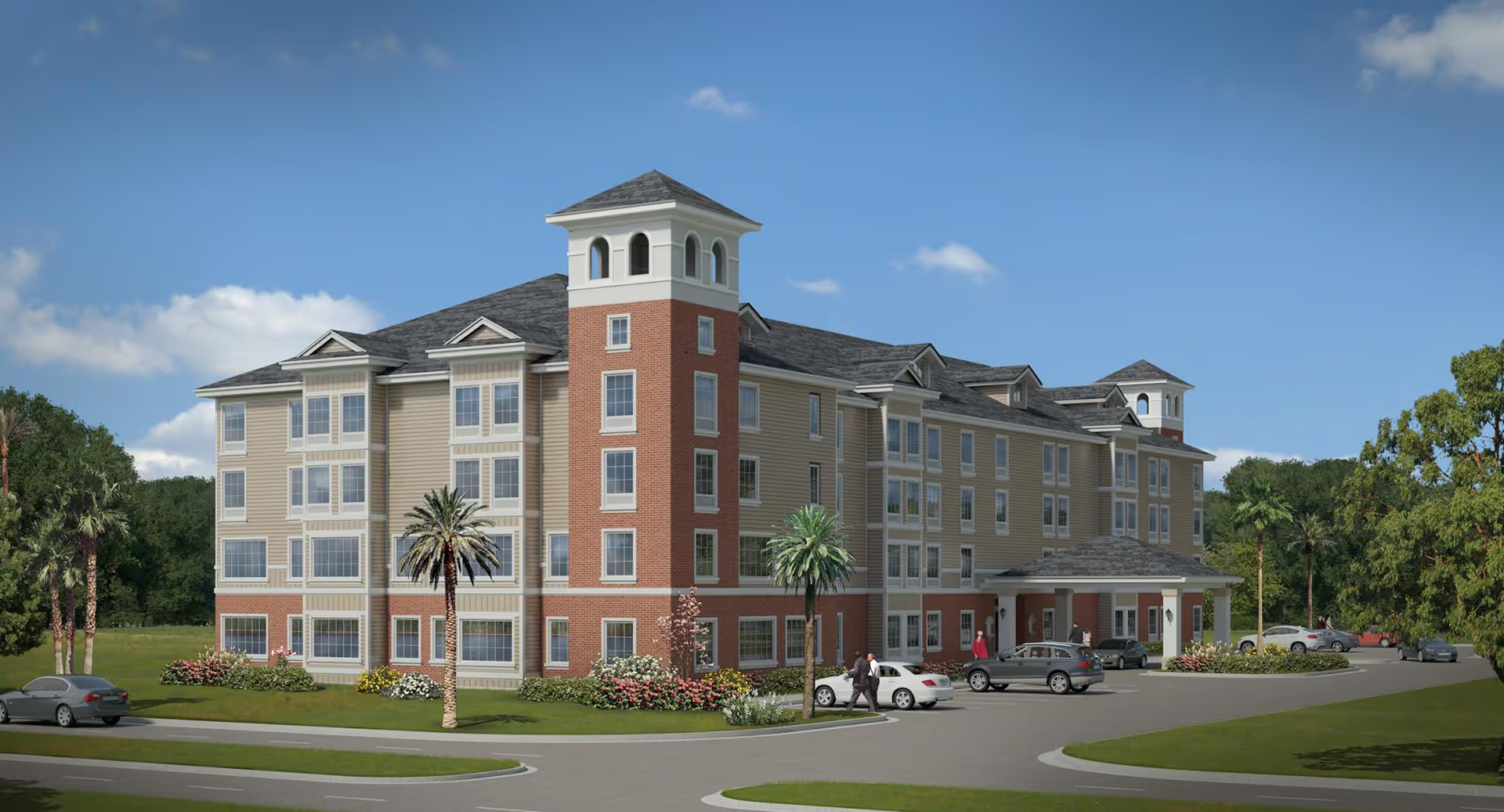
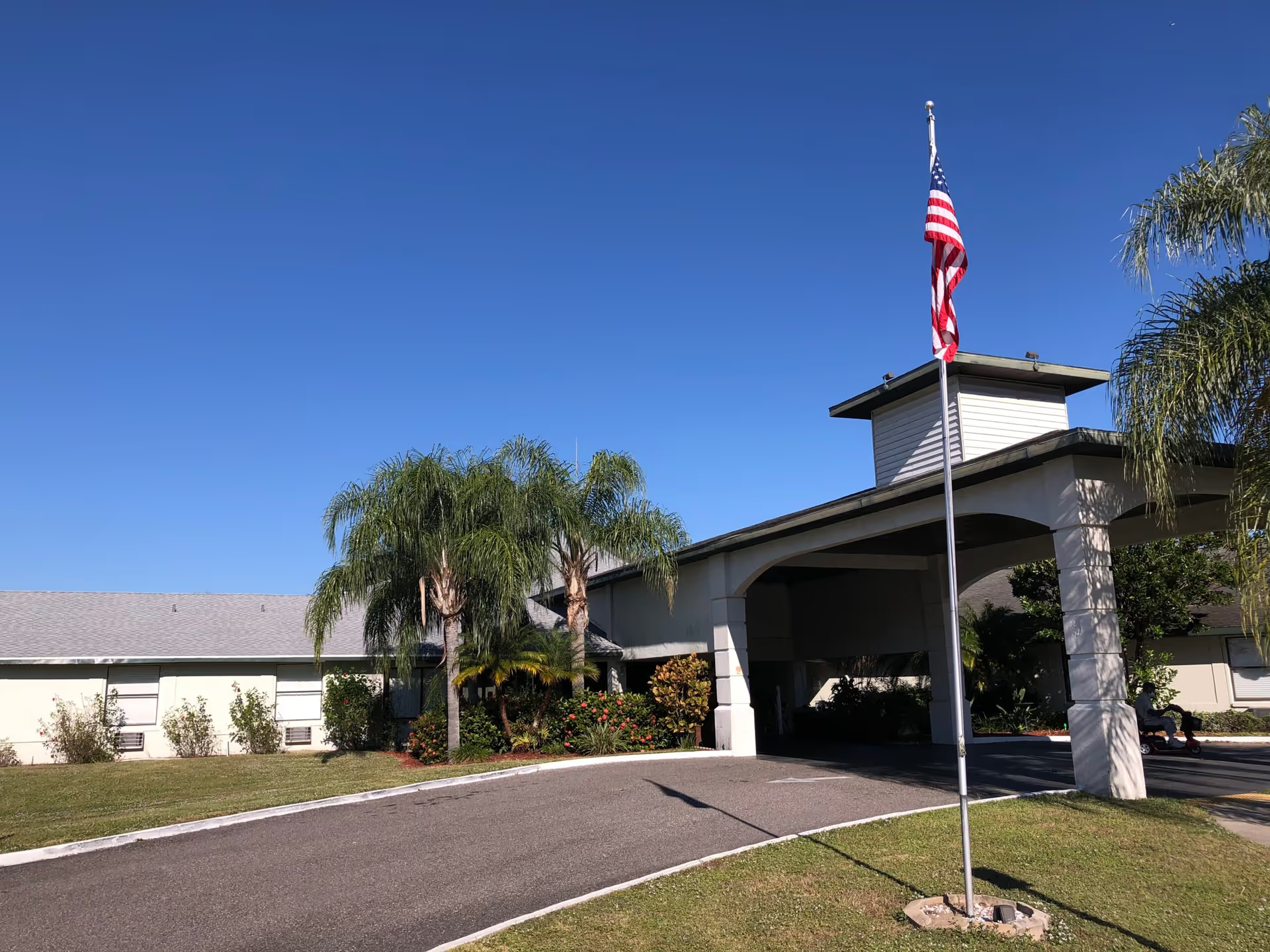
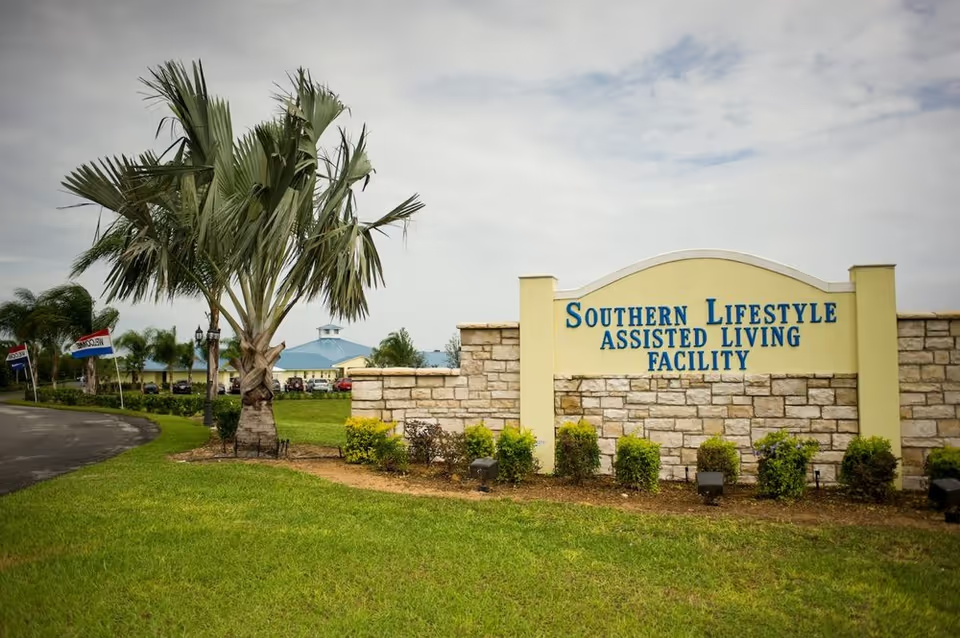
Facilities and management: The physical environment is generally described as clean and well maintained, and maintenance responsiveness is viewed positively. Reviewers, however, identify administrative and communication weaknesses: families described difficulties obtaining consistent updates from social-work and administrative staff, occasional misguidance about next steps, and a desire for clearer care coordination. Visitation limitations implemented during infection-control periods were also mentioned as a source of family stress; this indicates limited flexibility in visitation policy during such events.
Notable patterns and guidance for prospective families: Strengths center on compassionate direct-care staff, effective rehabilitation services, active programming, and facility upkeep. Operational risks to monitor include consistency of personal-care routines, nutrition and weight monitoring, laundry and belongings controls, and the facility’s family-communication processes. Prospective residents and families should consider asking for recent care-monitoring metrics (weight/nutrition, bathing and hygiene schedules), staffing ratios on relevant units, laundry procedures, and the facility’s current visitation policies and communication protocols before move-in.