Reviews for Boca Raton Rehabilitation Center describe a facility with a clear clinical strength in rehabilitation services but with important operational inconsistencies that families should weigh carefully. The therapy program — physical and occupational therapy — is frequently highlighted as effective, timely, and outcome-focused. Multiple accounts credit therapists and rehabilitation staff with measurable mobility improvements and good one-on-one therapeutic attention, and families cite rapid initiation of post-operative therapy and an on-site gym as assets that supported recovery.
Clinical care beyond therapy is uneven. Day-shift nursing and some CNAs are described as attentive and responsive, but numerous accounts describe understaffing (including snapshots of one RN covering many rooms), slow or missed responses to call lights, and delays in toileting and pain management. Medication-management issues are a recurrent theme: dosing errors, wrong pills, or inconsistent administration were described in several reviews and constitute a substantive safety concern. Reviewers also described inconsistent infection-control practices, including references to an outbreak event and related hospital transfers, which raises concerns about cohorting, isolation procedures, and outbreak communication.
Staff performance and communication are variable. Many families praised individual staff members — especially therapists and certain frontline aides — for compassionate, effective care. At the same time, reviewers described inconsistent staff conduct, tone, and training levels, with better performance on day shifts and greater challenges overnight. Supervisory and managerial oversight is seen as inconsistent: examples include missing patient documentation, poor enforcement of procedures, and challenges reaching management. Administrative weaknesses extend to billing and discharge-planning processes, where families reported pressure to extend stays and billing for services they believed were not delivered.
Dining, activities, and daily life offer mixed impressions. The activities program is noted positively: an active director, frequent events, and opportunities for socialization and outdoor time were cited as meaningful contributors to residents’ engagement. Meal quality and dietary accommodations were inconsistent — some reviewers praised presentation and service, while others found menus heavy in carbohydrates, lacking appropriate diabetic or therapeutic options, or limited in variety.
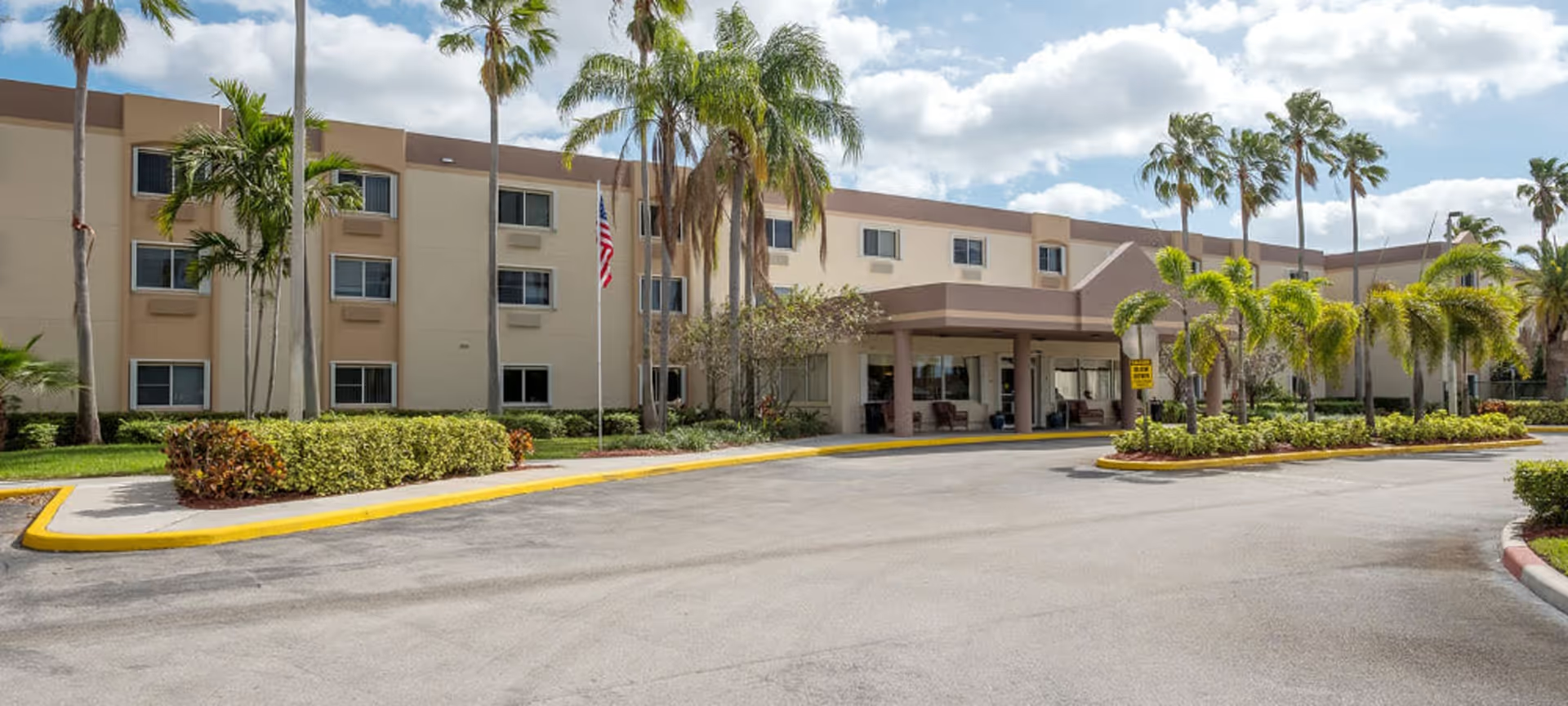
Facility condition and sanitation are a notable area of concern. Reviewers described aging infrastructure, maintenance issues (broken furniture, bathtub-only rooms, peeling paint, landscaping needs), and sanitation or odor concerns in specific areas. These issues correlate with other operational weaknesses (cleaning schedules, supply availability) and have been tied to adverse outcomes in some accounts. Safety-related themes also recur: fall risk, inconsistent transfer and toileting assistance, and gaps in monitoring or supervision were described as contributing to poor outcomes for some residents.
Taken together, the pattern across reviews is polarized: strong, effective rehabilitation and many individual staff members who provide high-quality, compassionate therapy — juxtaposed with inconsistent nursing coverage, medication-safety and infection-control gaps, facility maintenance shortfalls, and administrative/communication weaknesses. Prospective residents and families should verify staffing ratios (especially night coverage), medication-administration safeguards, infection-control policies, and how dietary needs are accommodated. If rehabilitation outcomes are the primary goal, the facility’s therapy program may be a decisive strength; if continuous nursing supervision or robust institutional oversight is a primary need, these operational inconsistencies warrant careful, specific follow-up before placement.