Reviewers describe a facility with strongly polarized experiences: several families praise the rehabilitation services, therapy staff, and many direct-care employees for compassionate, attentive care that helped residents progress. Positive comments repeatedly highlight effective therapists, friendly ancillary teams (dietary, laundry, maintenance), a generally clean facility, an on-site café with alternate meal options, and administrative or social-service staff who have been responsive and supportive in some cases. For some residents the environment is described as affordable, conveniently located, and family-like.
At the same time, a substantial cluster of concerns centers on operational reliability and clinical consistency. Multiple comments identify inconsistent staffing levels—with nights and weekends singled out—which is associated with long call-response times and delays in attending to residents. Reviewers raised issues about clinical monitoring and medication administration, including delays in pain management and uneven follow-up by physicians or PAs. There are also specific concerns about bathing and incontinence-care processes, catheter care, and missed or delayed assistance from aides.
Dining and activities show mixed performance. The facility offers café alternatives and some families reported appealing meals, while others describe marginal food quality and residents preferring family-provided meals. Activities and programming are a strength when present, with reports of engaging offerings and staff who go out of their way; however, activity availability was curtailed during infection-control periods and some reviewers noted a lack of programming at times.
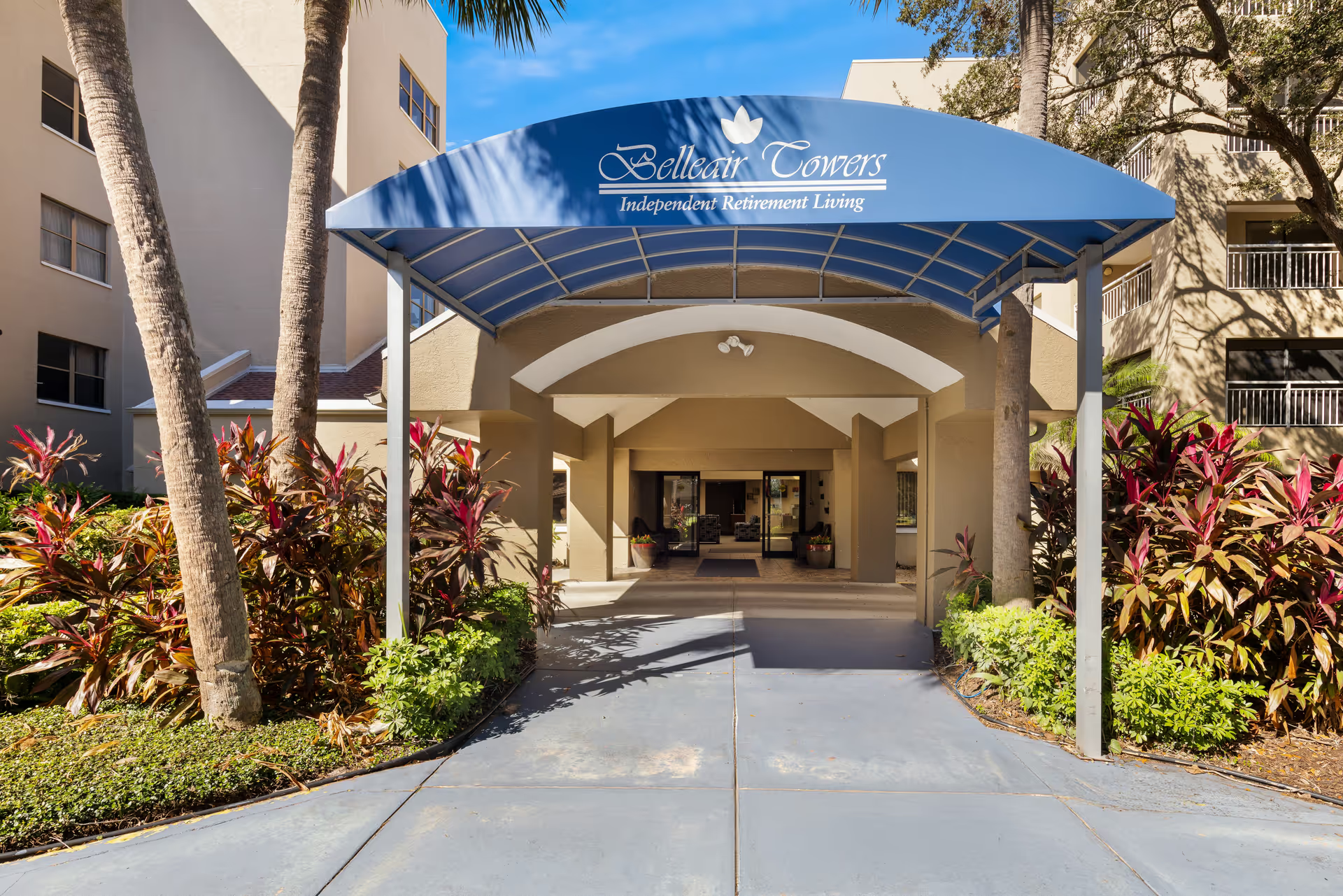
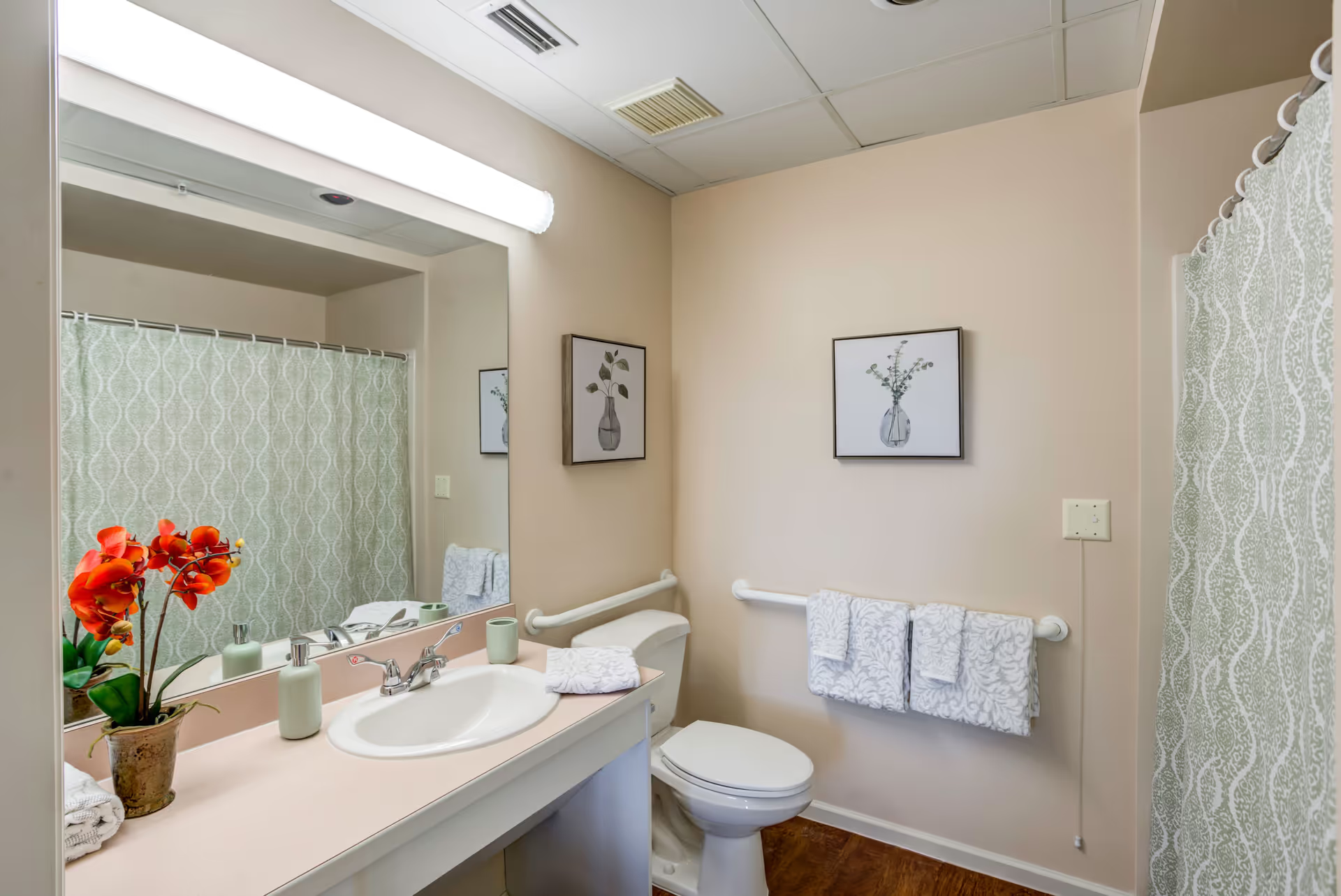
Facility condition and safety practices are another area of variability. Several reviewers noted an attractive exterior and clean common areas but also mentioned that parts of the building would benefit from cosmetic updates. Rehabilitation delivery and environment were praised in many cases but described as inconsistently managed in others (for example, scheduling or location of therapy sessions that may not be climate-controlled). Families also described inconsistent incident-response practices and uneven communication after adverse events; there are specifically noted concerns following a resident's death that prospective families should discuss directly with administration.
Management and communication present a mixed picture. Some families reported responsive administrators, a supportive director of nursing, and staff who treated residents like family. Others experienced unreturned calls, misinformation about benefits, defensive management responses, and slow follow-up on complaints. The overall pattern is variability between shifts, units, and time periods: strong, caring employees and effective therapy coexist with operational weaknesses such as staffing gaps, unreliable call systems, inconsistent clinical oversight, and intermittent hygiene and dining problems.
For prospective residents and families: consider asking for details on staffing ratios by shift, call-response metrics, protocols for clinical monitoring and medication reconciliation, physician/PA coverage and follow-up procedures, visitation policies under infection-control conditions, and how the facility documents and communicates after clinical incidents. Verifying recent survey results, speaking with the clinical leadership about specific care processes, and observing multiple shifts (day, evening, night) can help clarify whether the facility's strengths align with a prospective resident's needs.