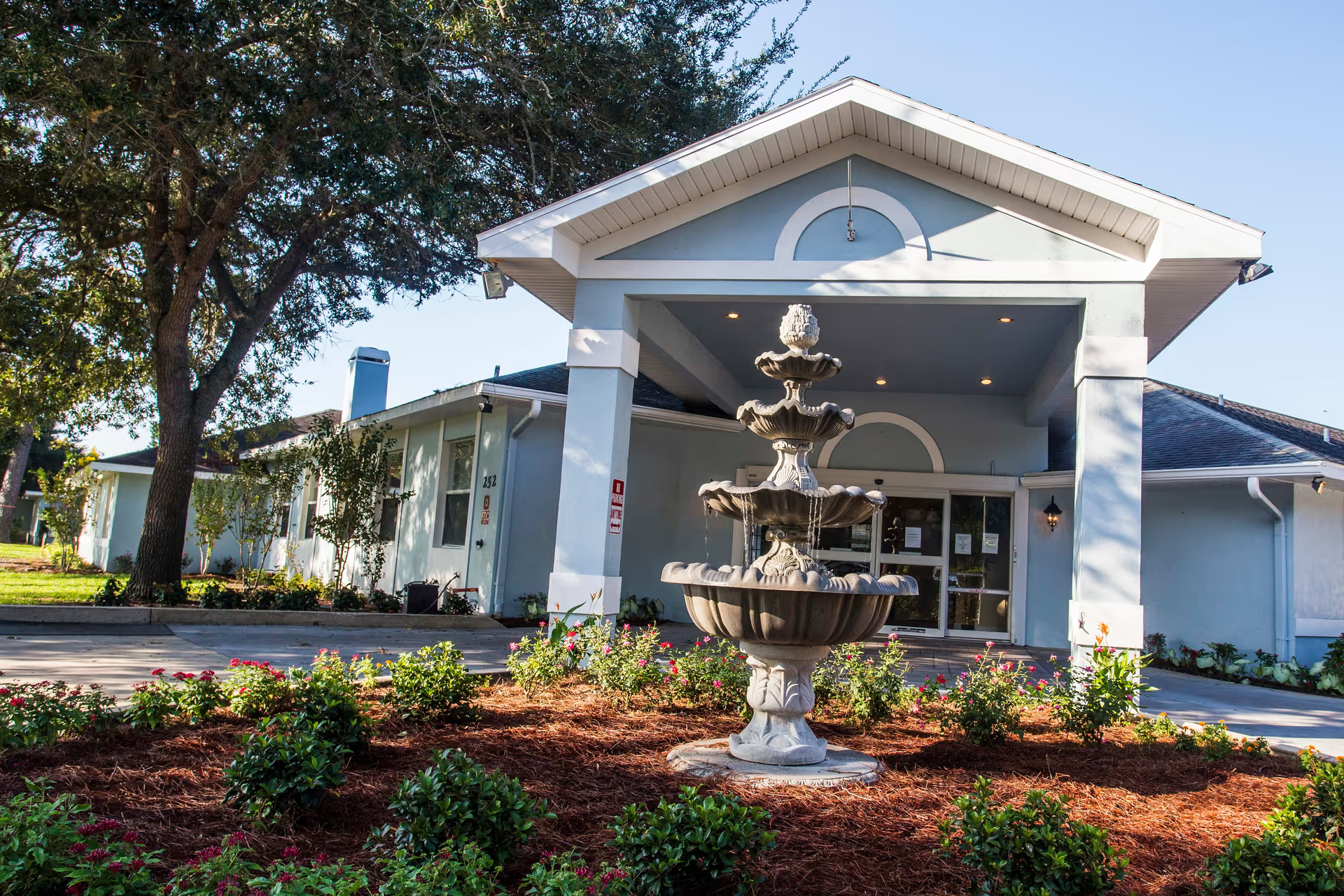
Reviews for Coastal Health and Rehabilitation Center are strongly polarized, with clear patterns of both notable strengths and operational weaknesses. The facility's rehabilitation services are consistently identified as a major strength: multiple reviewers praised an extensive therapy program, staffed by several full‑time physical therapists and supportive outpatient options. Many families described therapists and certain nursing caregivers as compassionate, communicative, and effective, and some long‑term residents and families recommended the facility based on sustained positive experiences.
At the same time, a recurring set of clinical and operational concerns appears across reviews. Medication-administration controls and documentation were criticized, with accounts indicating dosing and recording errors and unsafe medication-handling practices; these point to broader gaps in clinical-process oversight. Several families reported inconsistent staffing and variability in nursing quality by shift, which correlated with delayed assistance for personal-care needs, delayed repositioning of residents, and concerns about timely responsiveness. These patterns suggest staffing and workflow reliability are uneven.
Housekeeping, dining, and general facility upkeep are other mixed areas. While some visitors described clean, well‑kept areas, others raised sanitation concerns, odor concerns, dining‑area pest‑control issues, and perceived declines in housekeeping and maintenance. Meal quality and food-service continuity were mentioned as inconsistent. Recreationally, the center offers a robust activities program — arts and crafts, outings, holiday events, an outdoor garden tended by residents, and pool outings — which many families found engaging and beneficial to resident wellbeing.
Management and communication emerged as a notable fracture point. Multiple reviews describe slow or unresponsive administrative and clinical leadership, inconsistent case‑management follow‑through, limited provision of admission information, and instances of poor communication with families. These management shortcomings were often cited alongside perceptions of operational disorganization and variable staff professionalism. Taken together, the evidence suggests a facility with strong clinical rehabilitation resources and active programming, but with important gaps in medication safety, staffing consistency, cleanliness standards in parts of the building, and administrative accountability. Prospective residents and families should weigh the demonstrated strengths in therapy and activities against these operational risks, and consider asking targeted questions about medication safety protocols, staffing levels by shift, housekeeping processes, and admission/case‑management procedures during their visit and decision process.