Overall impression: Reviews describe a facility with clear clinical strengths alongside operational variability. The rehabilitation program — both physical and occupational therapy — is a consistent area of praise, with many families noting measurable functional progress. Nursing, CNA, and therapy staff are frequently described as caring, patient, and effective; several families expressed appreciation for individual clinicians (including wound-care and therapy staff) and for social-work support during discharge planning.
Care quality and staffing: Clinical care shows both strong and inconsistent elements. Rehabilitation and specialty nursing care are repeatedly highlighted for producing good outcomes. At the same time, reviewers repeatedly raise concerns about staffing levels and workload, which translate into delays in responding to call lights, variable bathing and personal-care frequency, and uneven assistance on some shifts. There are also multiple accounts of gaps in medication delivery, follow-up after clinical events, and other aspects of clinical management; a small number of reviews raised serious clinical concerns (including hospital transfers and concerns following a resident's death), which families should discuss directly with facility leadership and regulatory sources when evaluating placement.
Staff behavior and communication: Many families report compassionate, communicative staff who provide regular updates and coordinate with family. However, there is notable variability in staff conduct and tone across shifts and departments. Inter-department and shift-to-shift communication gaps are cited repeatedly, producing missed or delayed actions (for example, inconsistent coordination between nursing and therapy or between shifts). Front-desk responsiveness and phone accessibility are also recurrent operational weaknesses mentioned by families.
Dining and nutrition: Dining receives mixed feedback. Some residents enjoy meals and note accommodating menu options or helpful dining staff, while others describe the food as repetitive, bland, or poorly chilled. Reports include issues with meal temperature, limited variety (heavy reliance on certain proteins), and inconsistent accommodation of dietary preferences. Families should inquire about daily menus, meal observation, and specialty diet processes during a tour.
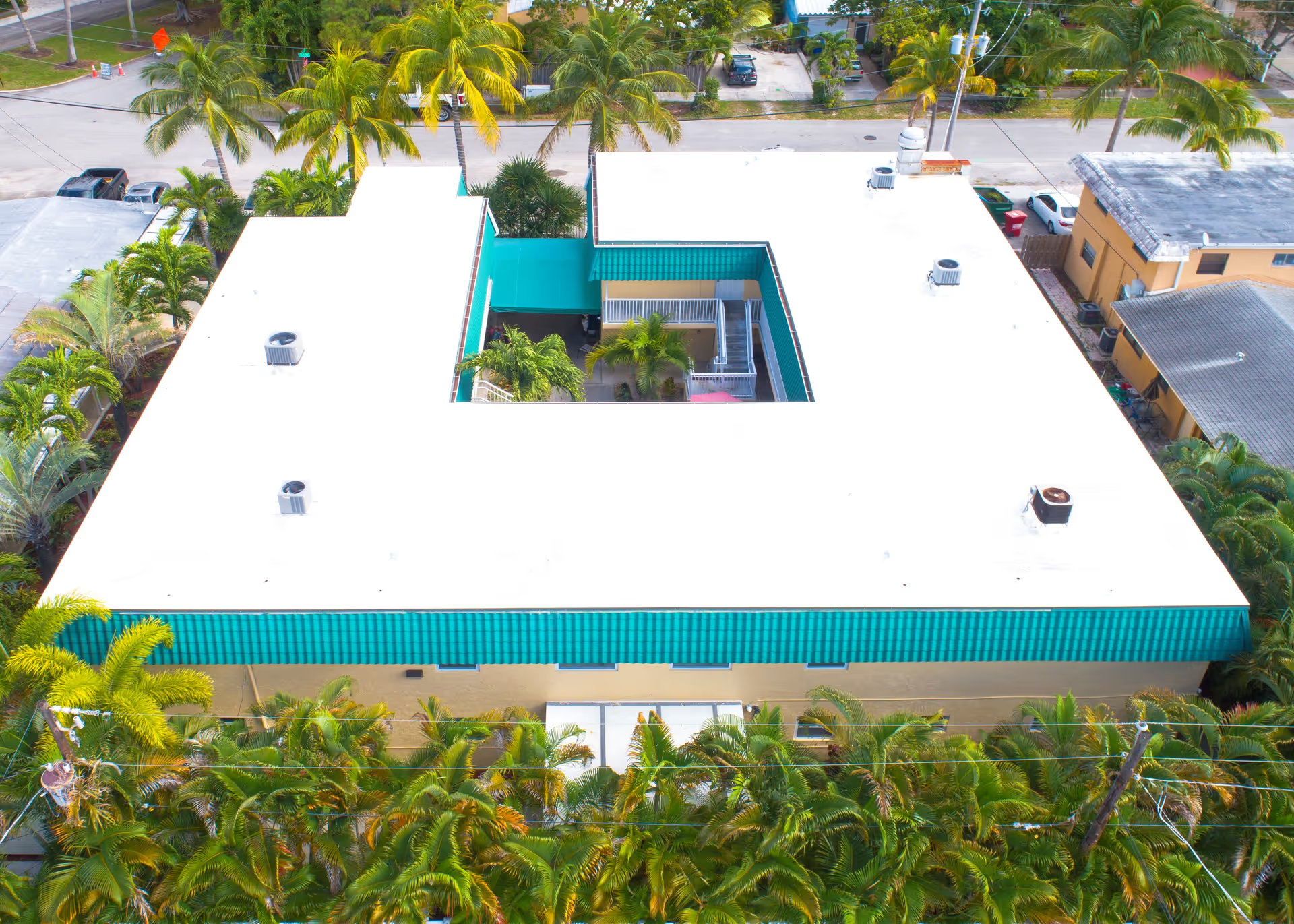
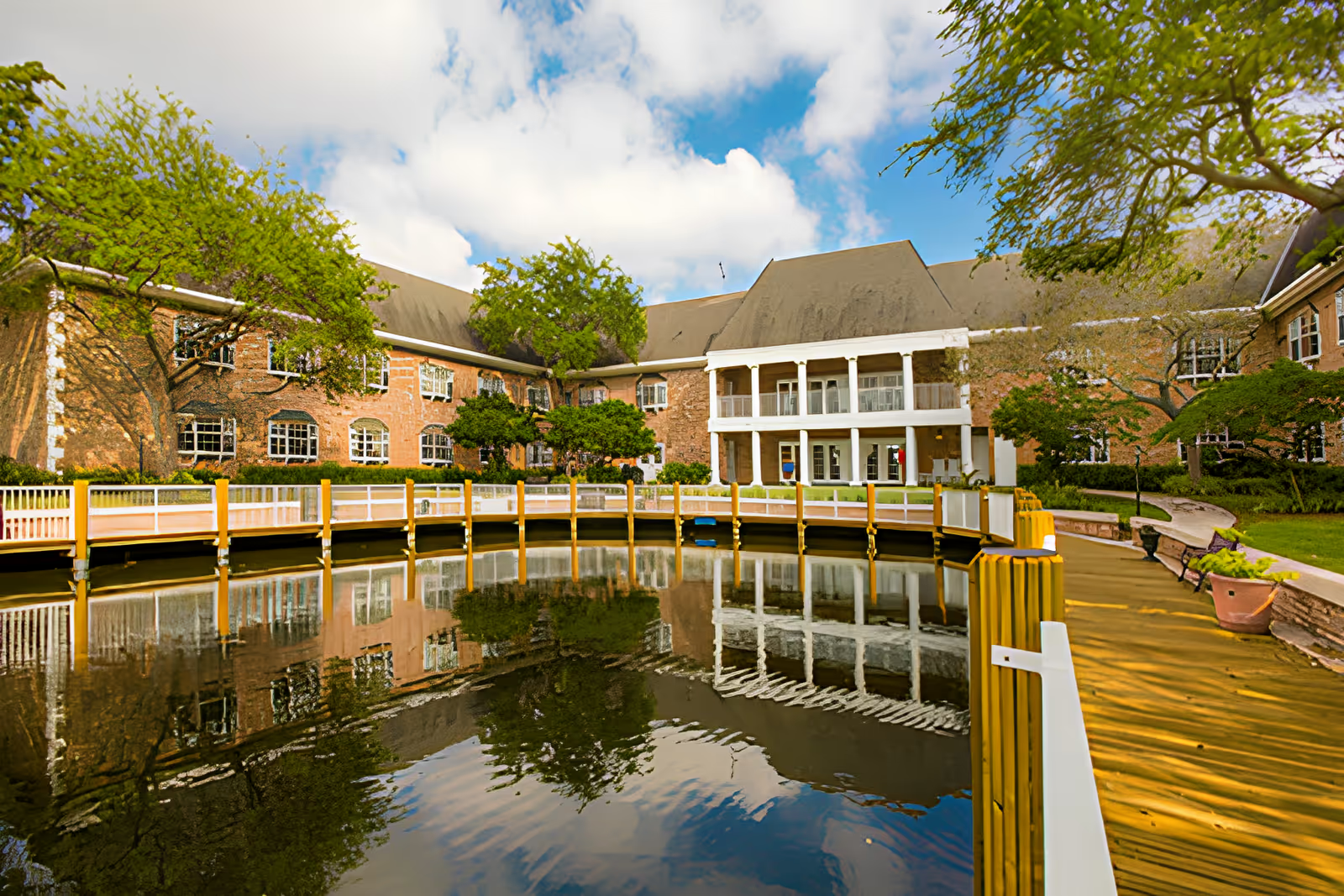
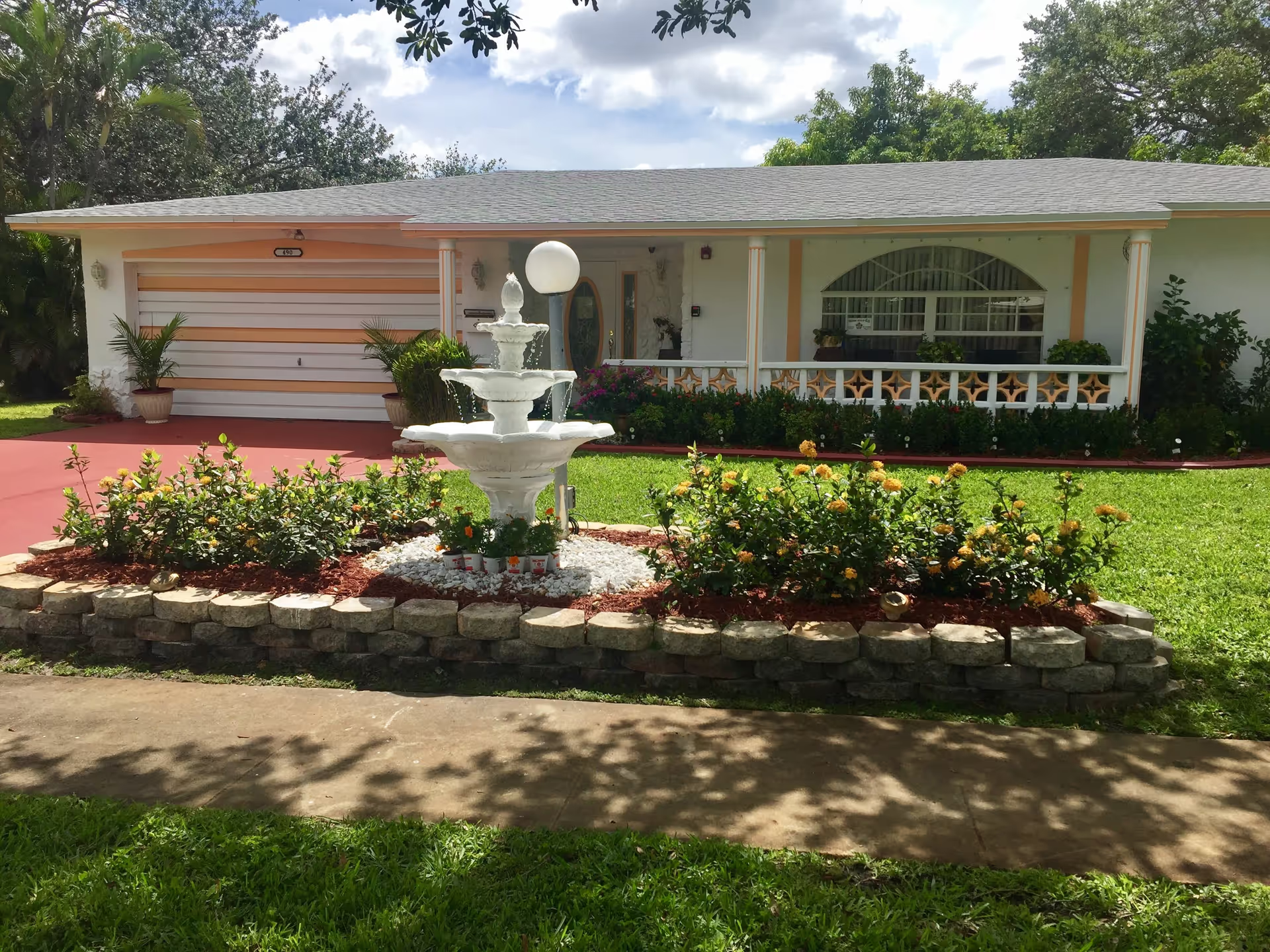
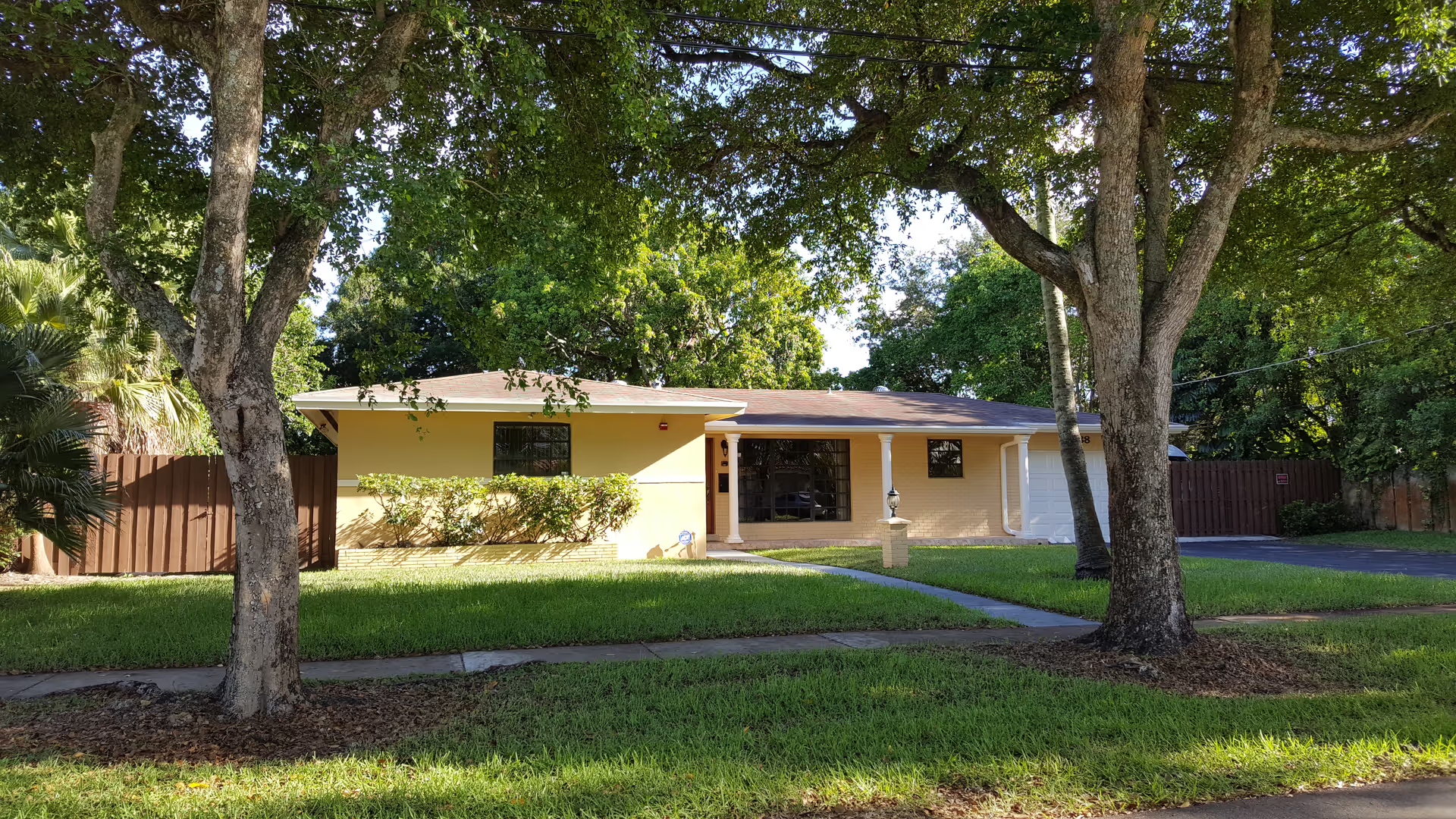
Facilities, cleanliness, and environment: Housekeeping and cleanliness are generally cited as strengths in many reviews, with regular sheet changes and clean common areas. Nonetheless, a number of reviews identify sanitation and odor concerns on particular units, plus pest-control concerns in some areas. The building itself is often described as dated; reviewers note older infrastructure and smaller rooms in parts of the facility. These contrasting impressions suggest variability by unit or floor.
Activities and quality of life: Activity programming receives favorable comments, including courtyard access, gardening, outings, and regular social engagement. Families note that programming and therapy both contribute positively to resident morale and functional gains.
Management and responsiveness: Management responsiveness appears mixed. Several families praise administrators who resolve grievances and coordinate care, while others describe slow or inadequate follow-up and occasional documentation issues (for example, consent or discharge paperwork). Where concerns are substantive or clinical, prospective families should ask management for corrective action examples, quality metrics, staffing ratios, and recent survey results.
Patterns and advice for families: The dominant pattern in these reviews is a core of strong clinical and rehabilitative capability tempered by operational inconsistency. If you are considering this facility, prioritize an in-person visit during mealtime and a therapy session, ask specific questions about staffing levels on the unit of interest, request examples of recent quality-improvement work (infection control, pest control, medication reliability), and confirm how the facility communicates with families and handles escalation. Observing staff responsiveness, cleanliness on the specific unit, and the dining environment will help determine whether the facility’s strengths align with your loved one’s needs.