Reviewers describe a facility with clear strengths in rehabilitation and certain aspects of nursing care, alongside recurring operational shortcomings. The therapy department and skilled-rehabilitation programs receive consistent praise for clinical effectiveness and preparing residents for discharge; physical and occupational therapy services are frequently singled out as a major asset. Several families also noted strong chronic-condition management (notably diabetes) and instances of coordinated discharge planning that left residents ready to return home.
Staff and direct care are characterized as variable. Many families praised compassionate, professional nursing and aide staff who listened to concerns and included family members in care decisions. At the same time, other accounts indicate inconsistent staffing levels and delays in attending to resident needs and personal-care routines. These operational inconsistencies contributed to serious family concerns about the reliability of day-to-day care in some cases.
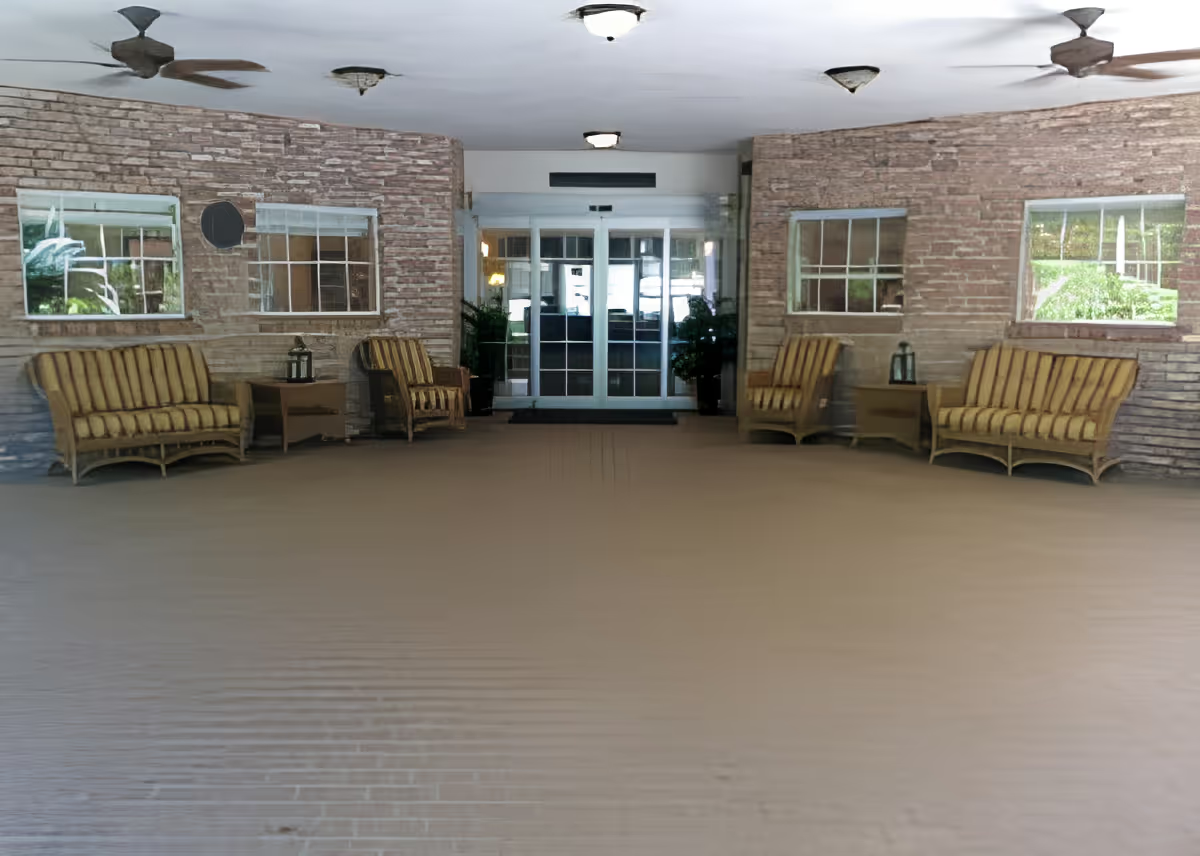
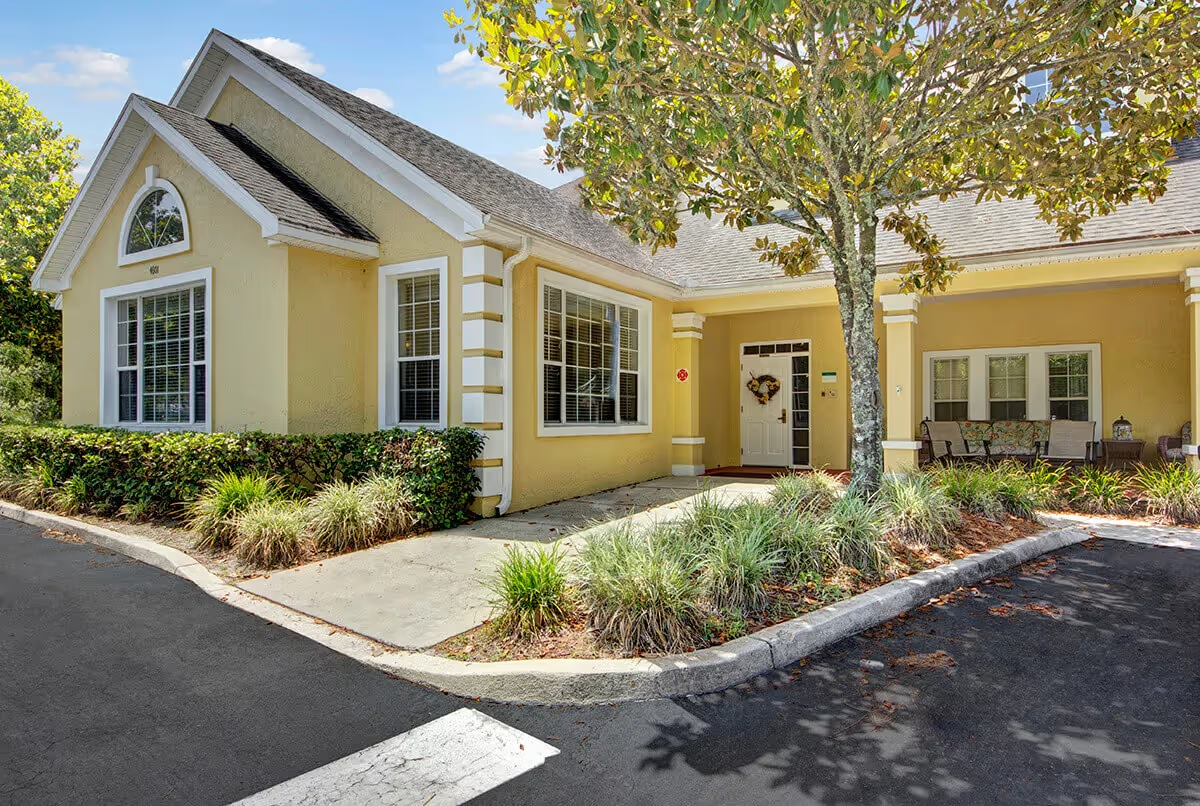
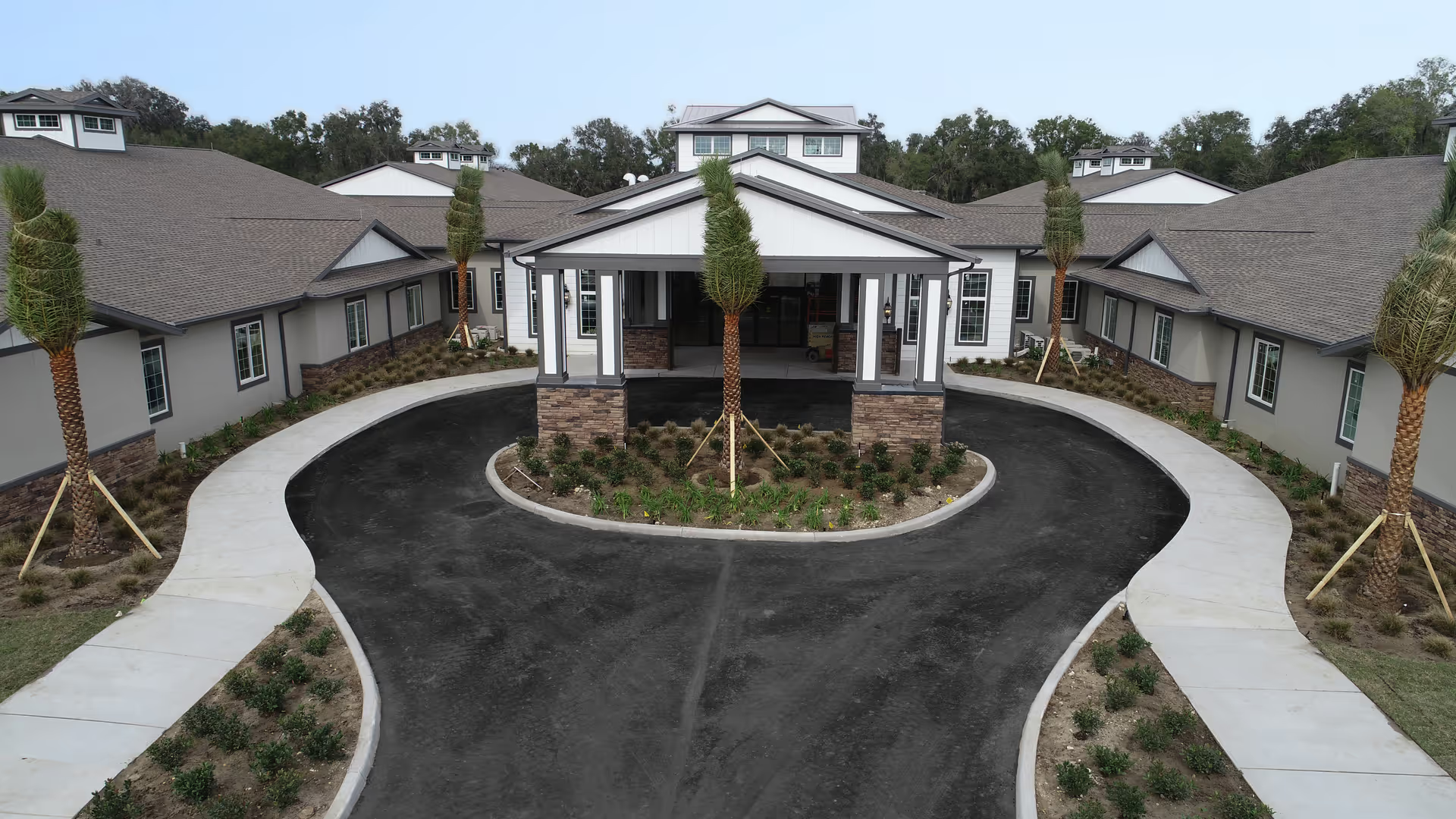
Dining and basic-support services are another area of mixed feedback. The facility is described as attractive and well maintained, but meal quality and dining reliability drew criticism from some families. Reviewers also raised sanitation and personal-care practice concerns in specific instances, indicating uneven performance in routine care tasks.
Medication management, emergency response, and communication emerged as important patterns. Several reviews point to medication-administration and supply gaps and to communication lapses between staff and families regarding feeding, medications, and care plans. There are also reports suggesting deficiencies in clinical-incident escalation and emergency response procedures; one review referenced serious consequences that prompted heightened family concern, described in review language as concerns following a resident's death. These issues intersect with family trust and decision-making about continued placement.
Management and administration present a mixed picture. Some families praised administrative responsiveness and supportive case coordination; others described perceived indifference and raised concerns that financial incentives may influence length-of-stay decisions. Visitation policy and scheduling were described as restrictive by some families, which contributed to frustration when combined with communication gaps.
Overall, the facility demonstrates notable clinical strengths in rehabilitation and some nursing functions, but prospective residents and families should be aware of variability in operational reliability. Recommended pre-admission questions include current staffing ratios and turnover, medication-supply and administration protocols, emergency escalation procedures, sample menus and dining schedules, sanitation and personal-care routines, visitation policy flexibility, and how the facility involves families in care planning. Reviewing recent inspection and quality reports and speaking directly with therapy and nursing leaders can help clarify whether the facility’s strong rehabilitation services are consistently matched by dependable day-to-day care and communication.