Overall impression: Palm Garden of Gainesville presents as a rehabilitation-oriented community with several operational strengths and some recurring weaknesses. Many families and residents describe strong therapy outcomes, attentive direct-care staff, and a generally clean, orderly environment. At the same time, reviews describe variability in staffing, communication, and certain aspects of facility upkeep that can affect the resident experience.
Care and staff: The facility is frequently praised for its physical and occupational therapy services and for nursing staff who are described as knowledgeable and courteous. Direct-care employees are often characterized as friendly and familiar with residents' routines and preferences, which supports personalized care. However, there are repeated notes about inconsistent staffing levels, nurse turnover, and delays in clinical recognition and response in some cases—particularly regarding wound and skin issues. These operational staffing gaps contribute to variable responsiveness and require active family engagement to ensure continuity of care.
Rehabilitation and clinical monitoring: The on-site rehab program is a clear strength; multiple accounts cite measurable improvement after events such as stroke and positive therapy engagement. Conversely, some reviewers raised concerns about clinical documentation and monitoring practices; one serious allegation about recording accuracy was described. Families considering this facility should review clinical-monitoring protocols and documentation practices during tours and admission conversations.
Dining and activities: Dining receives mixed feedback. Several families praised well-prepared, healthy meals and a pleasant dining area, while others experienced inconsistent food quality and associated weight-loss concerns. Recreational programming includes bingo, music, wine-and-cheese events, board games, and a recreation room; these offerings appear to support long-term residents well but may be less engaging for very active short-term rehab guests. The facility offers meaningful social opportunities but may benefit from more targeted activities for short-stay rehabilitation populations.
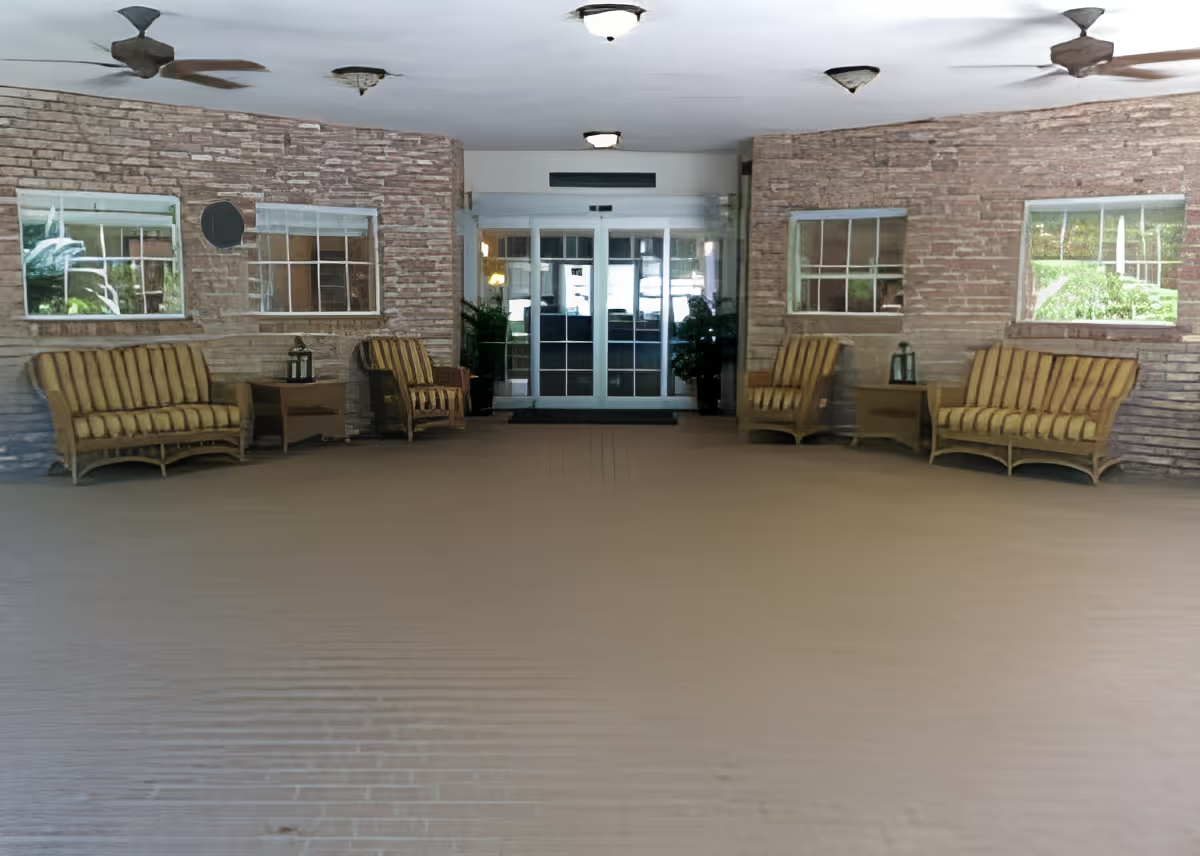
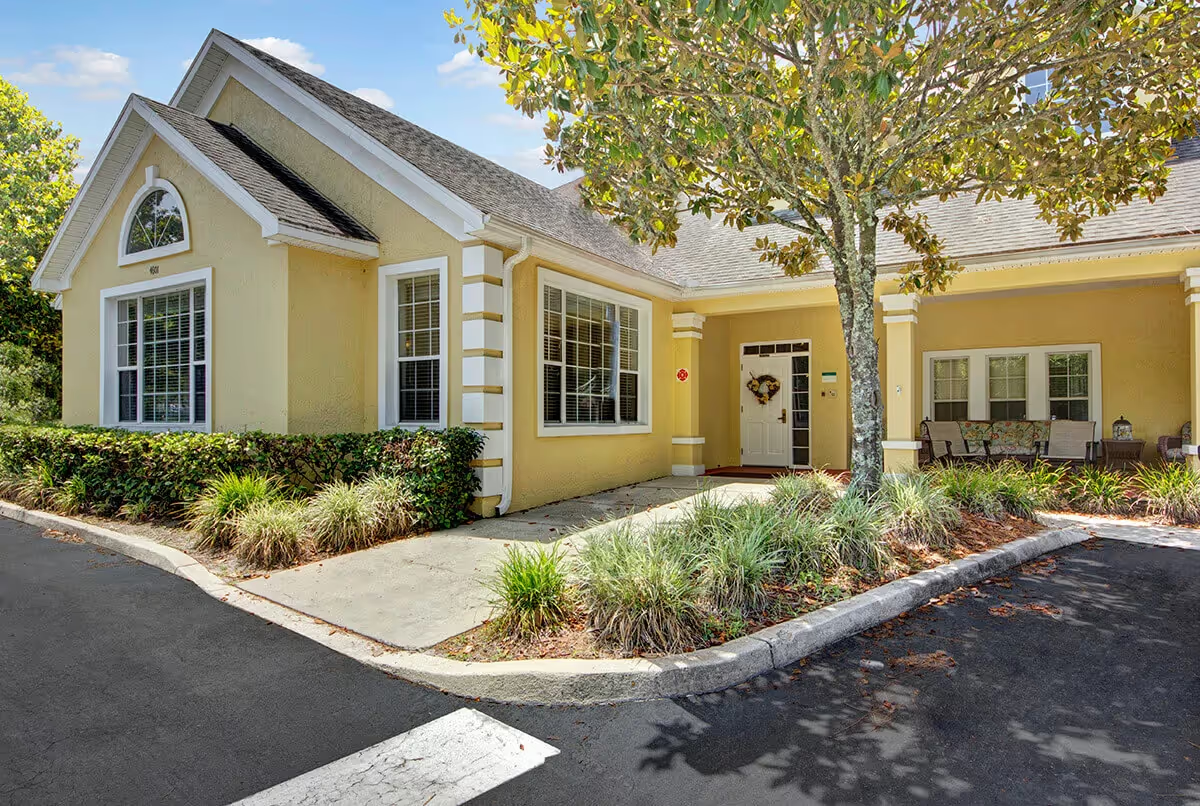
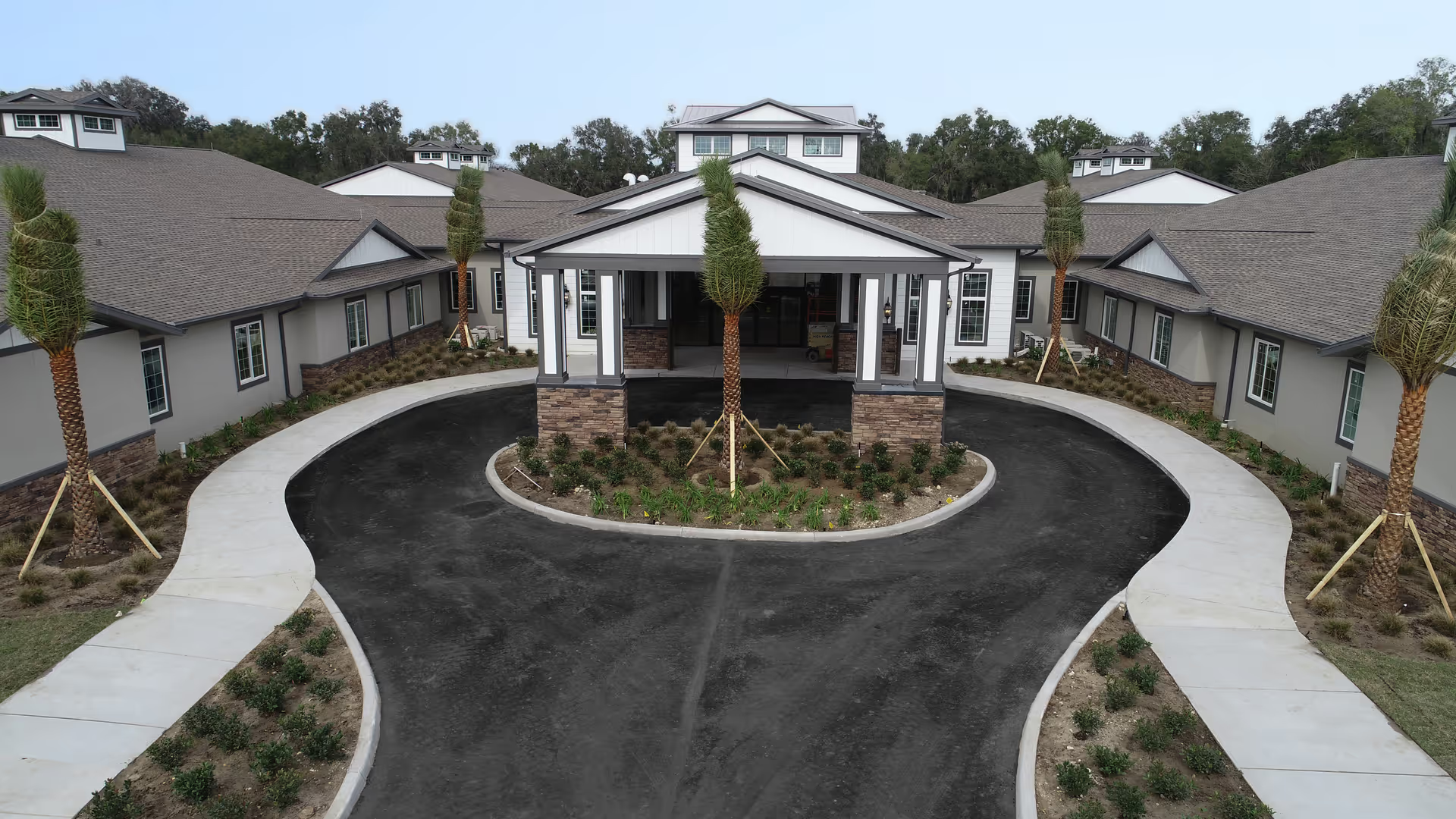
Facilities and cleanliness: Cleanliness and daily housekeeping are commonly noted as strengths, with many reviewers describing odor-free, well-maintained common areas and patient rooms. Room amenities (flat-screen TVs, internet, phones), large room sizes, and privacy features are also positives. At the same time, the interior is described as dated in places, with worn carpeting and areas that need renovation. A minority of accounts mention sanitation and pest-control concerns in particular units or bathrooms; these should be evaluated in person.
Management, communication, and notable patterns: Administrative staff—especially admissions and certain rehabilitation staff—receive positive marks for responsiveness and professional communication. Nevertheless, there are consistent concerns about discharge planning, social-work engagement, and interdepartmental coordination; families describe slow or unclear release-date communication and occasional confusion about insurance coverage and placement planning. Additional operational weaknesses include limited short-term bed availability and lapses in property/inventory controls (missing personal items or account disbursements). Given these mixed signals, prospective families should ask for specifics about staffing ratios, wound-care protocols, social-work involvement, pest-control and housekeeping schedules, and discharge-planning workflows during visits.
Bottom line: Palm Garden of Gainesville appears to offer strong rehabilitation services, an attentive core of clinical and direct-care staff, and useful on-site amenities, making it a reasonable option for individuals needing therapy-focused stays. However, variability in staffing, communication, documentation, and certain maintenance and sanitation areas suggests the need for careful, targeted inquiries by prospective residents and families to ensure the facility’s operational practices align with individual care priorities.