Waterford Rehab & Nursing Center elicits a mix of strongly positive experiences and operational concerns. Many families emphasize effective, outcome-oriented rehabilitation and attentive nursing: reviewers commonly note measurable post-operative mobility improvements, an engaged therapy team, and nursing staff described as skilled and caring. The admissions team and transport coordination are also cited as strengths, and the facility’s location and generally clean, orderly environment are repeatedly mentioned as conveniences for families.
Caregiving staff receive frequent praise for compassion and personal attention. Multiple reviews single out individual caregivers by name for exemplary bedside manner and rehabilitation support. These comments describe a warm, family-like atmosphere and a staff focus on resident dignity and recovery. For prospective residents primarily seeking short-term rehabilitation, these strengths—combined with coordinated therapy programming—are a clear positive.
Despite these strengths, reviewers describe consistent operational weaknesses. Discharge planning and assistance securing long-term placement are described as inconsistent, which has created frustration for some families needing transition support. Communication gaps and conflicting information from different staff members are another recurrent theme; families report difficulty obtaining clear, consistent updates about care plans and progress. Management-level issues are also noted: while some find administration responsive, others describe harsh or uncooperative interactions with management when problems arise.
Clinical and staffing practices show variation across reports. Understaffing—particularly at night—was linked to delays in responding to calls. Reviewers raised concerns about medication-management practices that they felt contributed to reduced resident alertness, and several mentioned inconsistent execution of clinical procedures (for example, transfer and respiratory-suctioning practices). These are operational patterns worth clarifying with facility leadership.
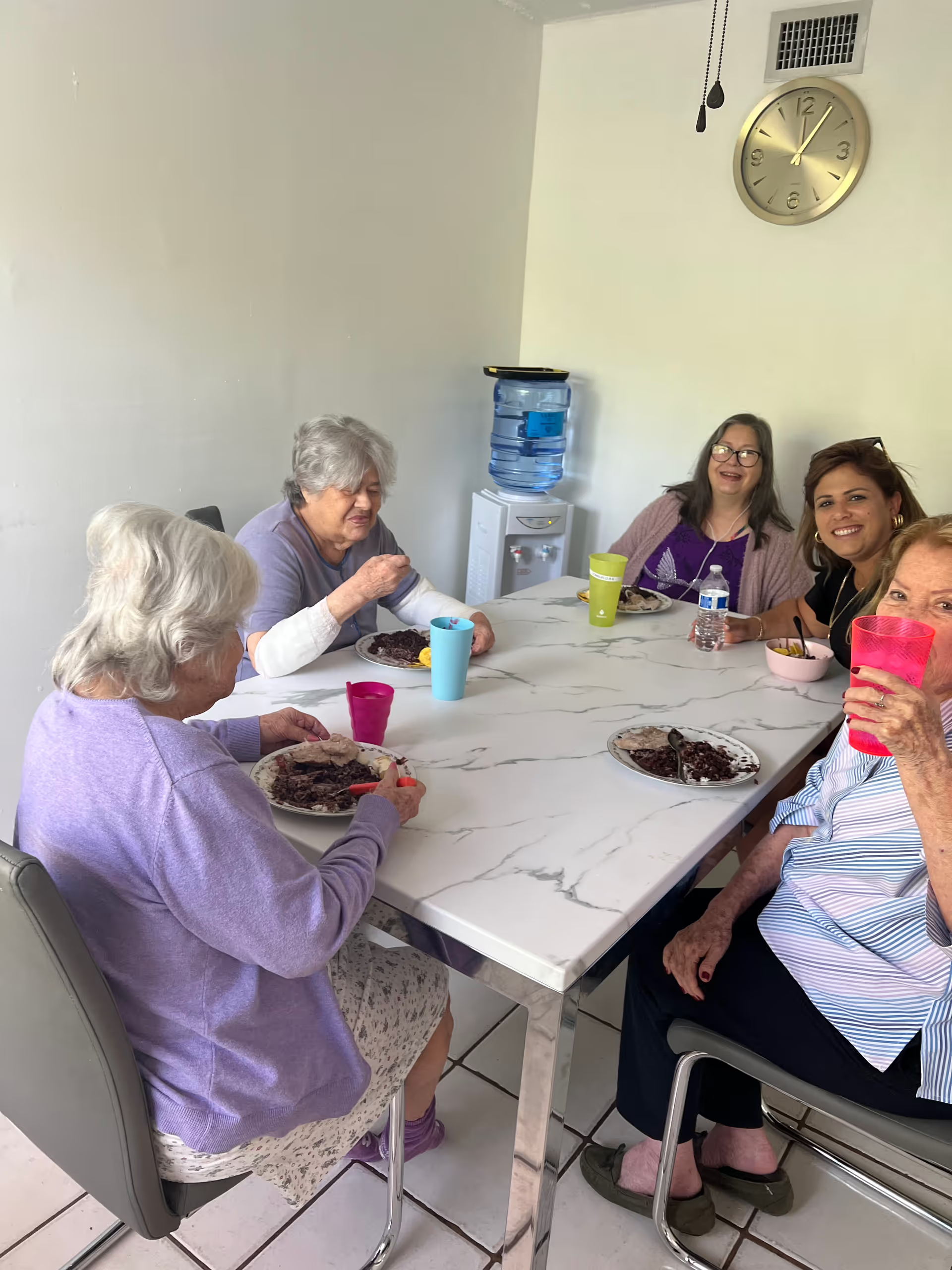
Dining, activities, and facilities receive mixed feedback. The physical environment is often described as clean and orderly, but some reviewers cite sanitation and odor concerns in certain areas, along with outdated beds, wheelchairs, and floor damage. Meal quality is uneven: while some families are satisfied, others note poor meals and limited snack availability. Activity programming receives less detail, though the family-like atmosphere suggests supportive social interactions from staff.
Administrative and logistical issues appear as recurring practical concerns. Reviewers cite billing practices and lapses in personal-property management, including lost clothing and at least one allegation of theft. Visitation policies and overnight access were described as restrictive by some families, which may be important for those who require flexible family presence.
Recommendations for prospective families: balance the facility’s documented strengths in skilled rehabilitation and compassionate nursing against operational inconsistencies. When evaluating the facility in person, ask specific questions about discharge planning and placement assistance, staffing levels (including overnight coverage), medication-management protocols, clinical-procedure training, meal options and snack availability, property-handling procedures, and visitation policies. Verifying these operational details directly with administration and observing staff–resident interactions will help determine if the facility’s strengths align with your priorities.