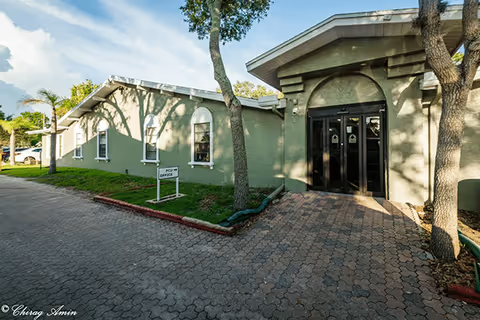
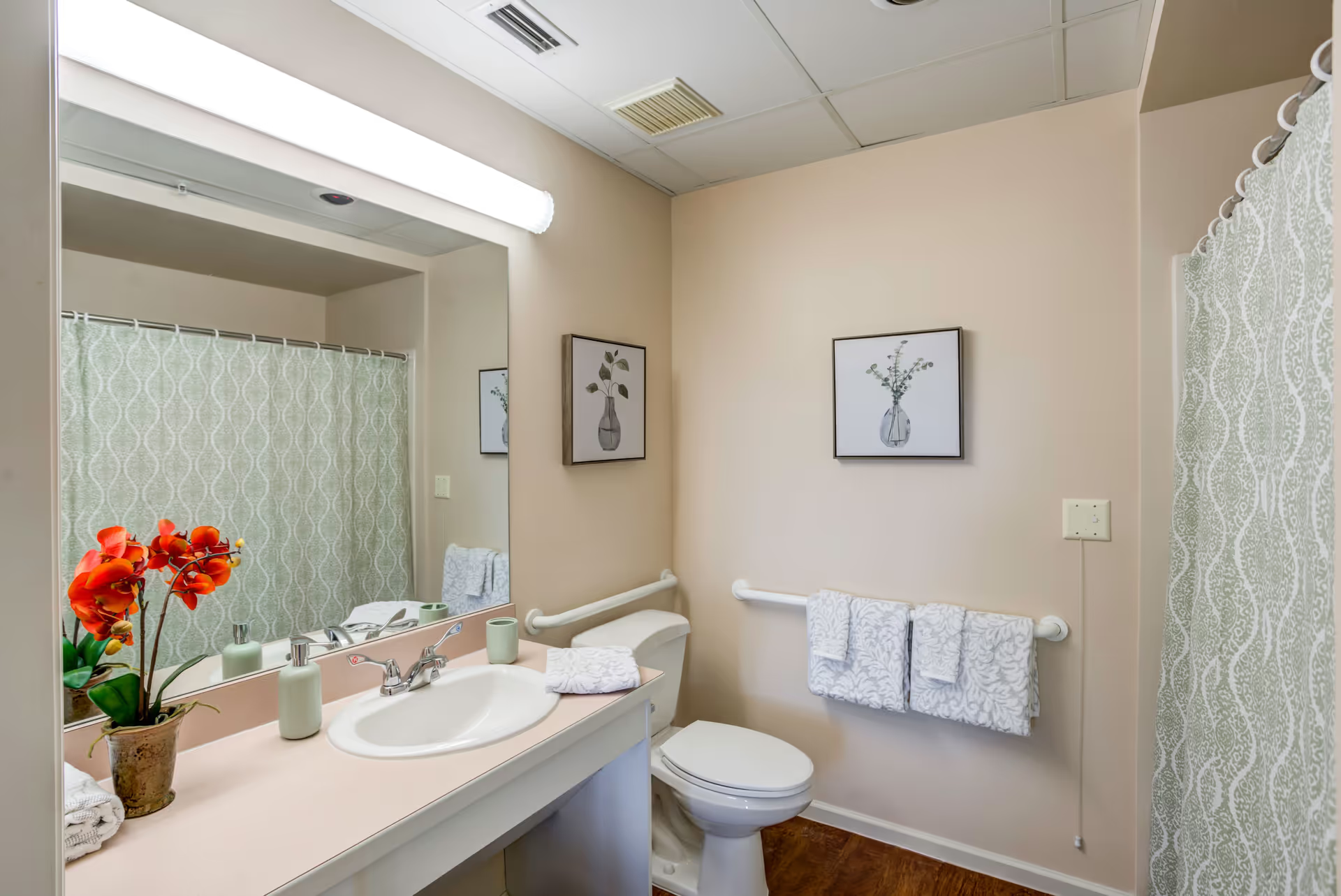
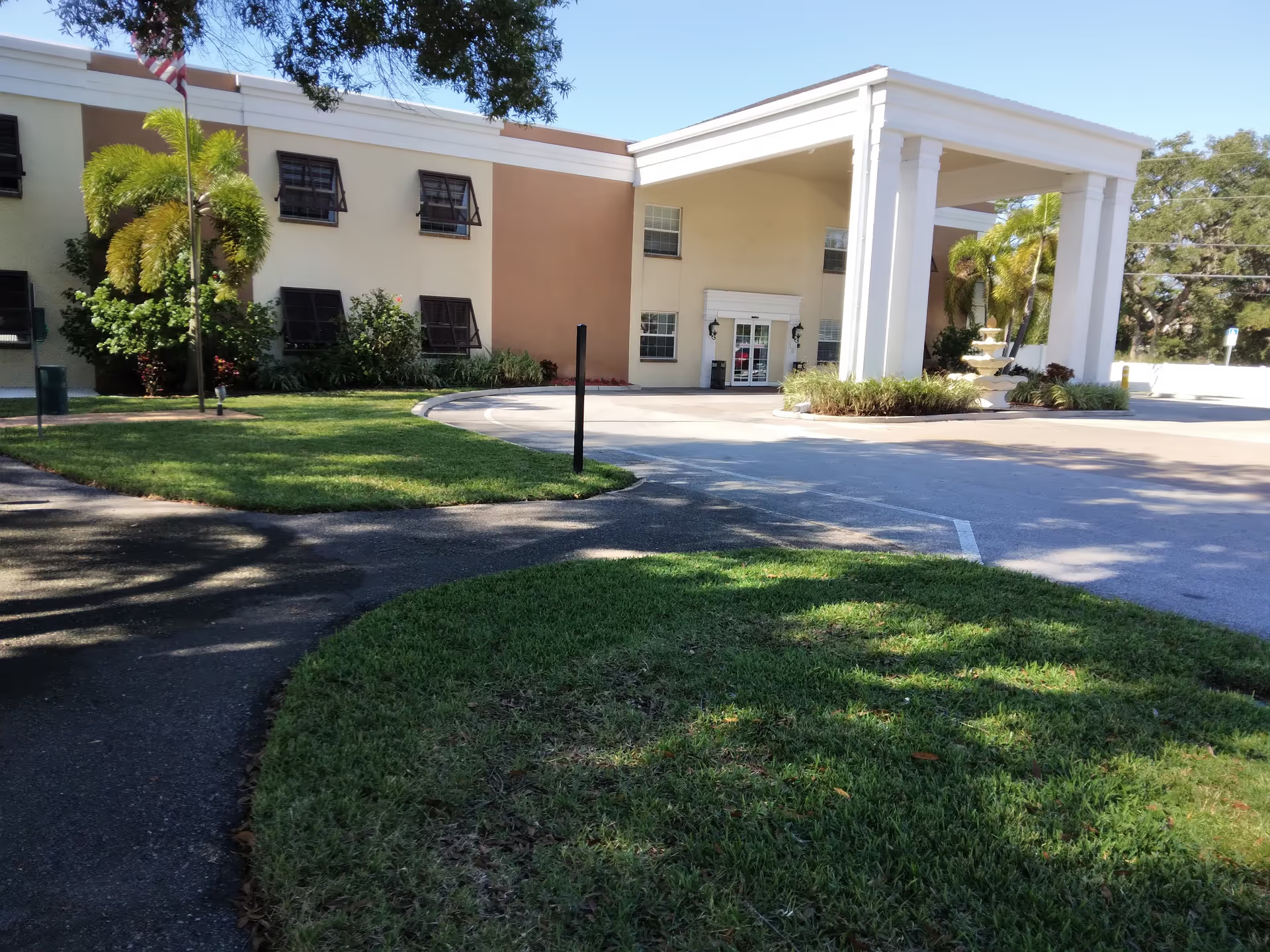
Overall impression: Reviews of Palm Garden of Largo are strongly polarized. Many families describe a clean, attractive, recently renovated environment with large rooms, a wide range of activities and amenities, and direct-care staff who are caring, friendly, and attentive. The facility receives frequent praise for its rehabilitation services (skilled PT/OT), a robust activities program, and a home-like atmosphere that families and residents often find comforting. Admissions and front-desk interactions are noted positively by several families.
Care quality and clinical staff: There is a clear split in experiences related to clinical care. Positive accounts highlight attentive aides, good personal-care delivery, and effective rehab that supports recovery. However, other reviews describe concerns about nursing-level clinical competency, medication management, and delayed responses to clinical needs. These accounts together suggest variability in clinical oversight and consistency of nursing skills across shifts.
Staffing, coordination, and management: A recurrent operational pattern is inconsistency in staffing and coordination. Multiple reviewers identify staffing shortages that contribute to long waits for medication, water, or assistance, and to uneven follow-through on family requests. There are also reports indicating breakdowns in care coordination and professional accountability; where coordination is strong, families report clear communication and timely responses, but where coordination is weak, families describe unresolved requests and distressing incidents.
Safety, incident response, and end-of-life care: Some reviews raise concerns about safety systems and incident response, including fall-prevention processes, alarm/call-bell responsiveness, and timely assistance with transfers or meals. A few families described adverse outcomes that led to hospice involvement; these are presented in reviews as isolated but serious issues and point to inconsistent end-of-life and hospice coordination in certain cases.
Dining and daily living supports: Dining experiences are mixed. Several families praise food quality and meal variety, while others describe poor food and lack of meal assistance. Assistance with activities of daily living (bathing, dressing, toileting assistance, and timely delivery of essentials) is similarly inconsistent, apparently correlating with staffing levels and shift coverage.
Activities and facilities: Strengths are clearest in nonclinical areas: the facility’s cleanliness, renovated spaces, plentiful activities, and amenity offerings receive consistent praise. Residents and families who emphasize these areas report high satisfaction, social engagement, and a positive environment.
Notable patterns and takeaways: The overall pattern is one of capability and strong performance in rehabilitation, activities, and hospitality-style aspects of the facility, paired with variability in clinical nursing performance, medication controls, and staffing-driven responsiveness. Prospective families should consider on-site observations and specific questions about nursing oversight, staffing levels by shift, medication-administration protocols, fall-prevention measures, and how family concerns are tracked and escalated. Asking for recent staffing ratios, examples of care-coordination processes, and policies for hospice/end-of-life transitions may help clarify whether the facility’s positive attributes will be reliably sustained for a particular resident.