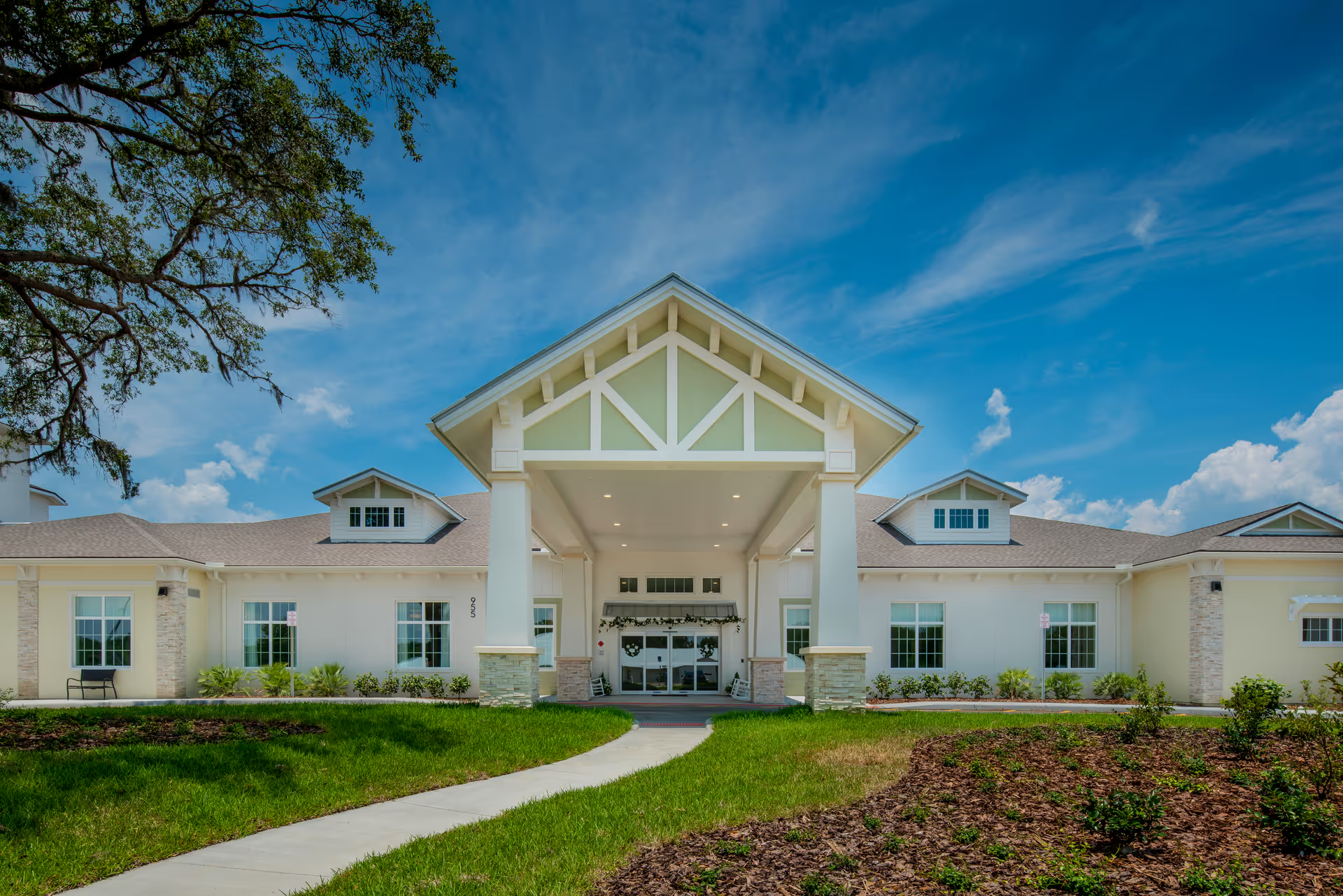
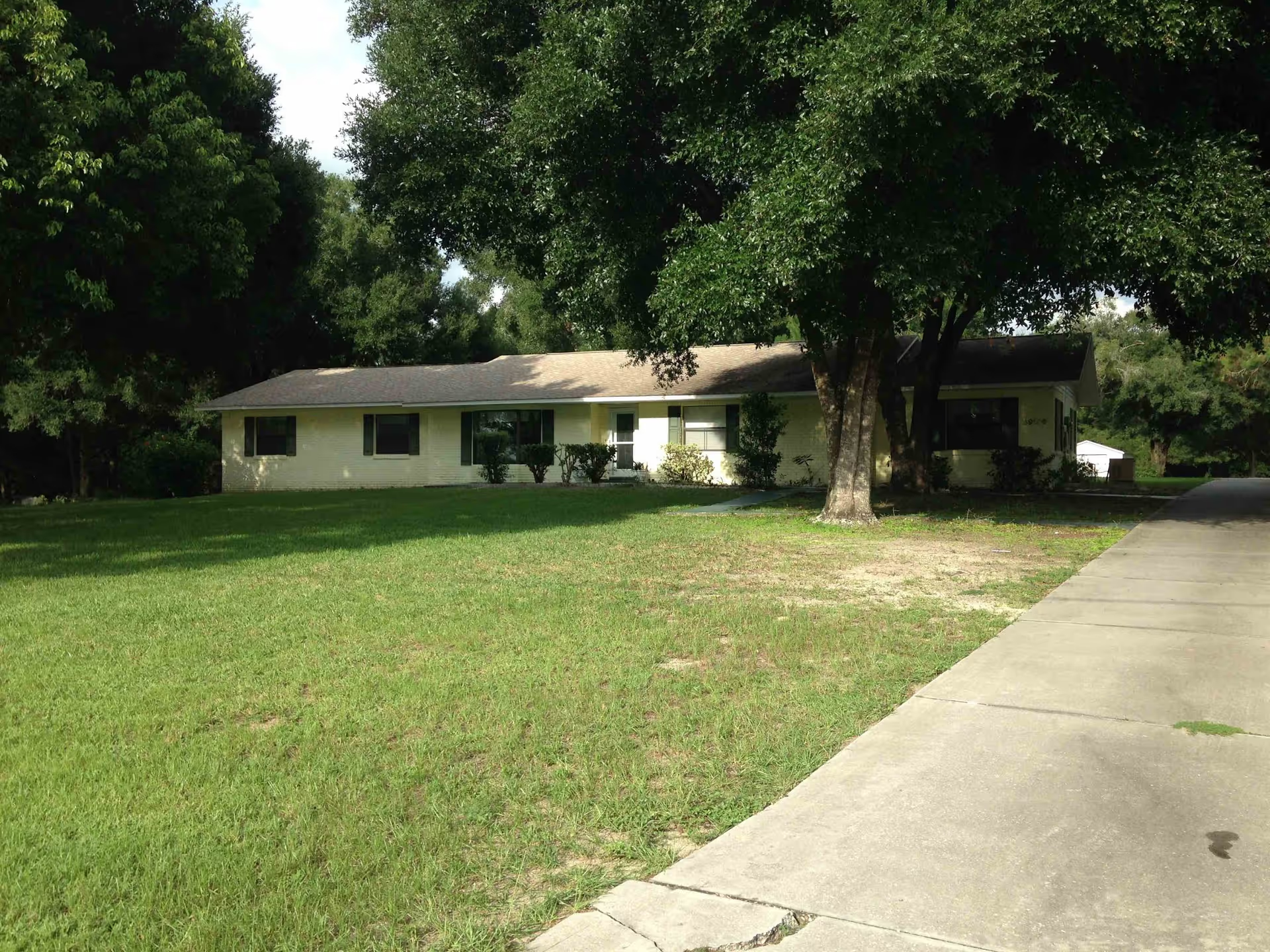
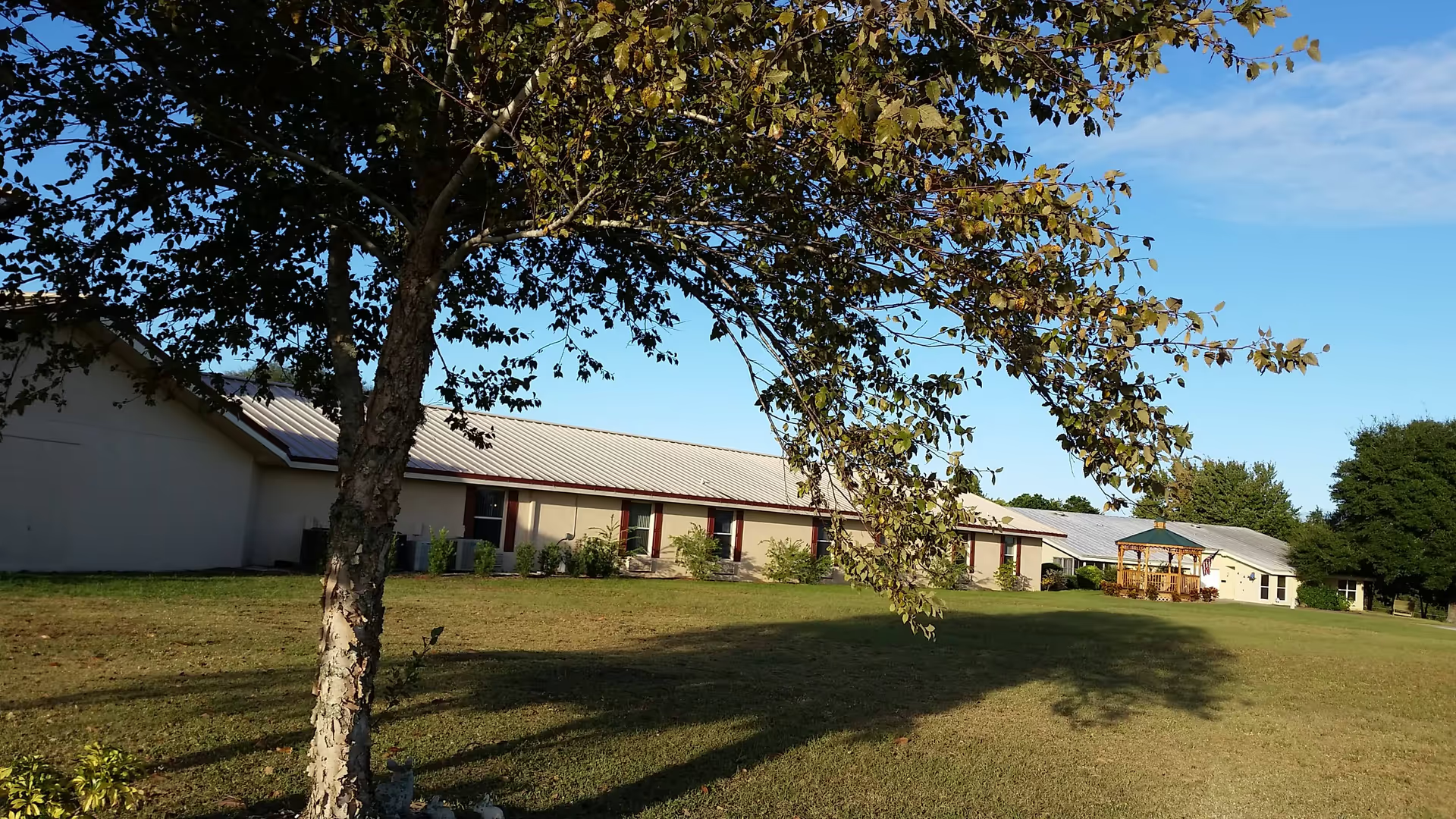
The reviews present a polarized picture of Avante at Leesburg: many families and patients praise the facility’s therapy outcomes, certain members of the nursing and caregiving teams, and an engaging activities program, while other accounts raise serious operational and clinical concerns. Strengths consistently cited include attentive bedside care from specific nurses and CNAs, an effective rehabilitation team that produces observable progress, and a range of social offerings such as music, bingo, pet visits, garage-sale style events and on-site church services. Several reviewers also highlighted instances of responsive leadership and an improved administrative tone under new management, along with a welcoming admissions/concierge experience.
Care and staffing are the most mixed domains. Positive comments emphasize compassionate, patient-centered caregivers and therapy staff who facilitate recovery. However, a substantive set of reviews describes inconsistent responsiveness (delays in assistance, slow nurse callbacks), perceived understaffing, and variability in staff conduct and professionalism. There are also accounts that indicate gaps in clinical emergency response and transfer procedures; these concerns are operational in nature and suggest that families should inquire about on-shift clinical coverage, emergency protocols, and training. Incontinence-care delays and hygiene-related concerns are mentioned in several accounts and point to uneven performance on routine personal-care tasks.
Dining and nutrition experiences are variable. Some reviewers praise an experienced dietary manager and improved meal communication, while others describe meals that are not consistently appropriate for residents with chewing or swallowing limitations or specific diet orders. This indicates a need for clearer menu accommodations and verification of texture-modified or therapeutic diets for at-risk residents. Prospective families should confirm the facility’s process for meal modifications, allergen control, and adherence to individualized nutrition plans.
Facility condition and accommodations are similarly mixed. Several reviewers describe clean, well-kept common areas and a welcoming environment; others cite sanitation and odor concerns in particular units, along with aging infrastructure and cramped, multi-bed room configurations that limit privacy. Overcrowding of rooms and limited personal space are recurring operational themes. Families should tour the specific unit and room they would use and ask about room configurations, cleaning schedules, and pest-control or HVAC maintenance histories.
Management and administrative issues appear uneven over time. Some reviews note strong, communicative leaders and meaningful improvement under new management, while other accounts describe unclear billing, delayed discharge paperwork, phone accessibility problems, and conflicts over retained belongings. There are also isolated allegations concerning improper handling of resident items and vendor-payment disputes. These suggest that administrative processes — including billing clarity, discharge medication coordination, and property-handling policies — merit direct discussion with facility administration prior to admission.
Taken together, the pattern is one of variability: pockets of high-quality, compassionate care and effective rehabilitation coexist with operational weaknesses in staffing consistency, emergency response, sanitation in some areas, and administrative clarity. Prospective residents and families should conduct targeted inquiries: request recent inspection and staffing-ratio data, ask for a written care plan and meal-accommodation procedures, confirm emergency-transfer protocols, inspect the specific room/unit, and obtain references from recent families. Doing so will help determine whether the facility’s strengths align with an individual’s clinical and psychosocial needs and whether outstanding operational concerns have been addressed by current management.