The reviews indicate a facility with notable strengths in hands-on clinical rehabilitation and many caregivers who families find compassionate and attentive. Physical and occupational therapy receive consistent praise for effective, goal-directed programs that enabled several residents to regain function and return home. Nursing staff and CNAs are frequently described as caring and involved; administration and some leaders (including an open-door director of nursing) are noted for responsiveness and regular family communication, such as photo updates and daily care notes. Several reviewers highlighted private rooms near the nurse station, personalized activities and a family-like atmosphere.
At the same time, a pattern of operational concerns emerges. Staffing levels are described as inconsistent, which reviewers connected to delays in assistance, missed medication timing, and periodic lapses in basic care tasks. Transfer and mobility-safety practices were questioned in a number of accounts, and reviewers described situations that suggest the facility should review transfer protocols and staff training. Reviewers also indicated gaps in dementia-specific training and programming that affected residents with cognitive impairment.
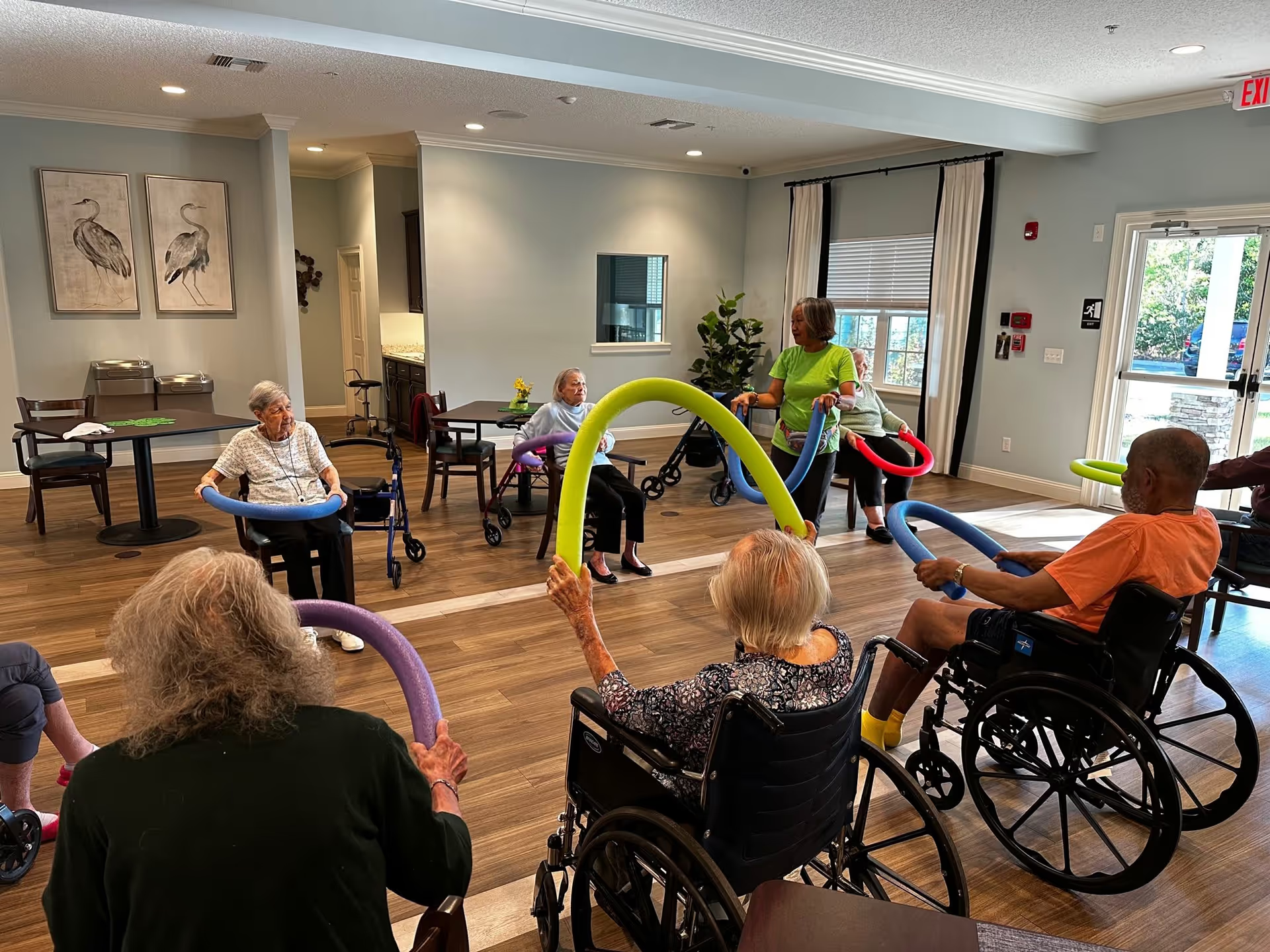
Dining and nutrition feedback is mixed. Some families praised the kitchen management and certain meals, while others described inconsistent food temperature and limited protein-focused options in favor of carbohydrate-heavy meals. Activities programming (crafts, bingo, karaoke and more individualized options) is a relative strength and contributes to a positive social environment for many residents, although crowding or individual tolerance sometimes limited participation.
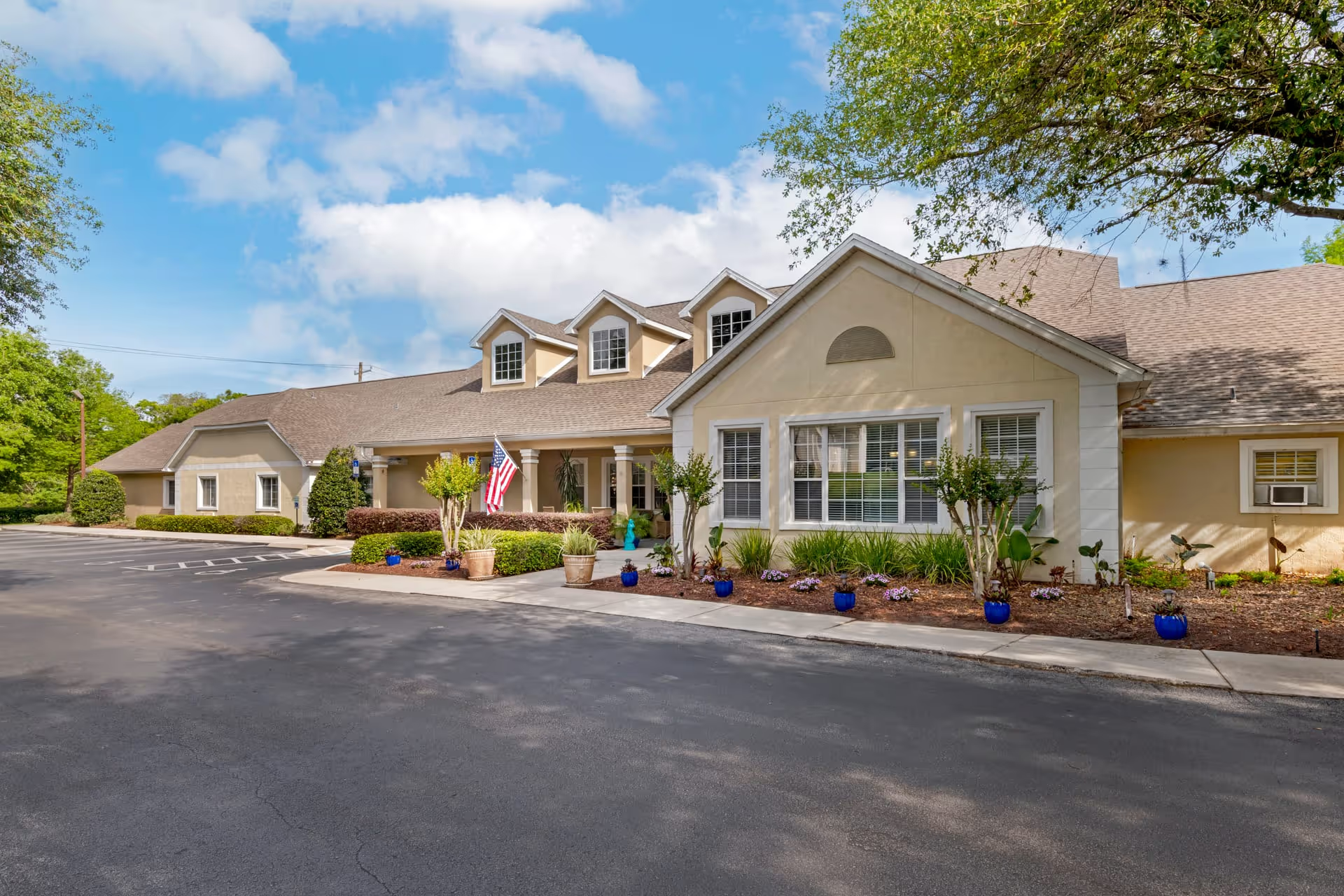
Facility-condition reports are inconsistent across reviews. Several families praised clean, safe common areas and responsive housekeeping, while others raised sanitation concerns in particular rooms and shared spaces, including odor and pest-control issues that warrant attention. Roommate placement and environmental controls (noise and temperature) were cited as sources of distress for some residents. Communication around incidents and transfers is uneven: reviewers commended open, responsive leadership in some cases but described delays or insufficient notification in others. There are also accounts that raise serious incident–response concerns, including references to events surrounding a resident's death and other safety-related occurrences; these merit careful review by prospective families and regulatory follow-up if indicated.
Overall, this facility appears to deliver strong rehabilitative care and benefits from many dedicated clinicians and managers, but operational inconsistency (staffing, medication/timeliness of assistance, dementia training, sanitation/pest-control, and transfer/transport safety) is a recurring concern. Prospective residents and families should weigh the facility's rehabilitation strengths and interpersonal care culture against these operational issues, and when considering admission ask direct questions about current staffing ratios, dementia-care training, transfer-safety protocols, medication-administration safeguards, infection-control/pest prevention measures, and how the facility communicates with families during incidents.