Overall impression is mixed: several reviews praise frontline caregivers for compassionate, competent hands-on care, while a number of accounts raise systemic operational and clinical-safety concerns. Named staff members were singled out positively for personal attention and supportive interactions; these individual strengths coexist with patterns that affect day-to-day reliability and safety.
Care quality shows a dichotomy. On one hand, families and observers described caregivers who provide caring assistance with bathing, dressing, and other daily needs. On the other hand, there are multiple indications of weaknesses in clinical escalation and emergency recognition—examples include delayed or insufficient response to chest pain and stroke-like symptoms, subsequent transfers to higher-level care, and at least one account noting serious post-admission outcomes. Relatedly, reviewers raise questions about medication handling and documentation, suggesting the facility should be queried about medication-order verification, administration protocols, and clinical oversight.
Dining and nutrition were frequently described as problematic. Concerns include meals arriving cold, limited condiments or seasonings, and dissatisfaction with how therapeutic diets (for example, renal diets) are managed. These items point to inconsistent meal-service processes and potential gaps in individualized diet accommodation.
Operational consistency is another theme. Reviewers described irregular shower or bathing schedules and supervision lapses that contributed to post-admission falls or resident disorientation. Transport coordination—particularly for dialysis—was identified as unreliable, producing missed or delayed appointments. Facility policies such as door alarms were mentioned as interfering with resident movement; prospective residents should clarify how exit monitoring is balanced with dignity and mobility needs.
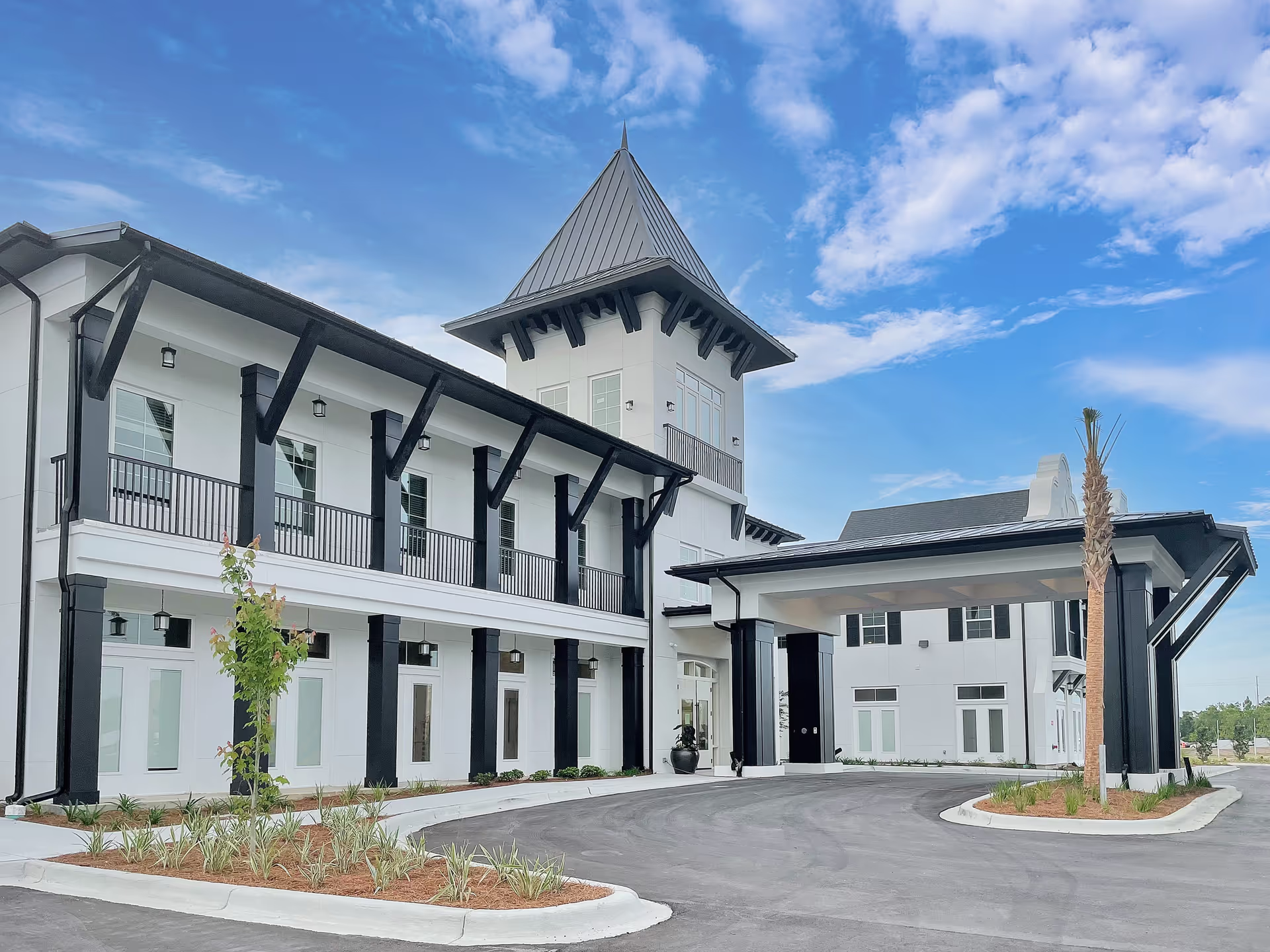
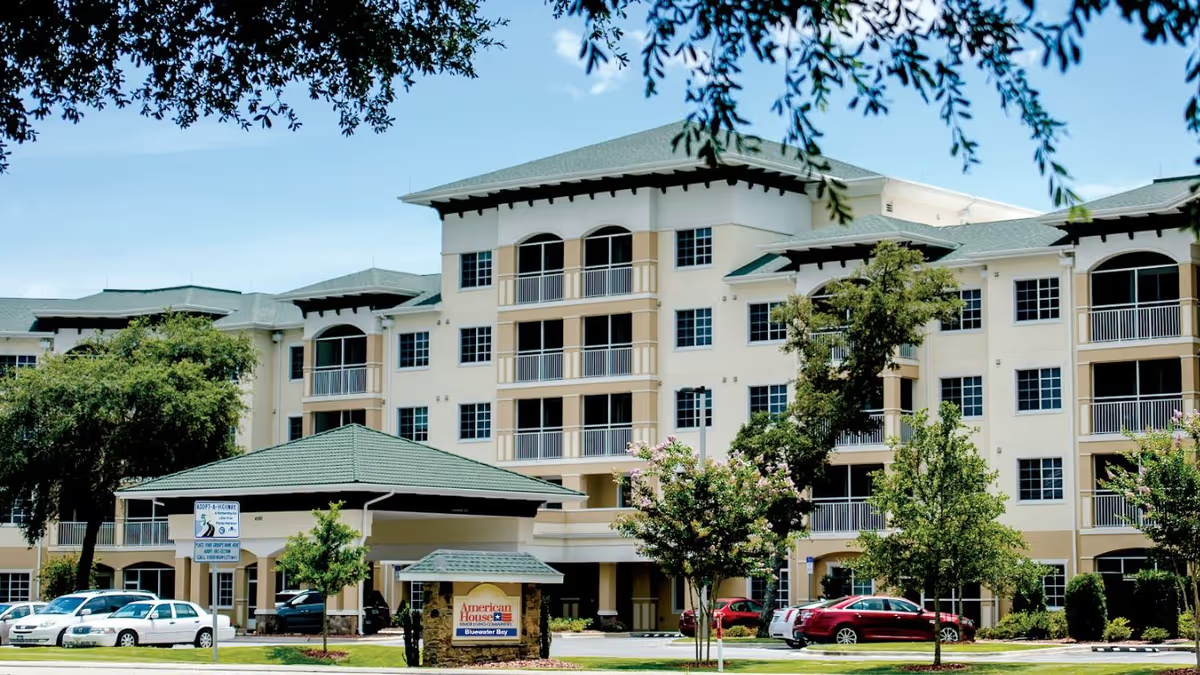
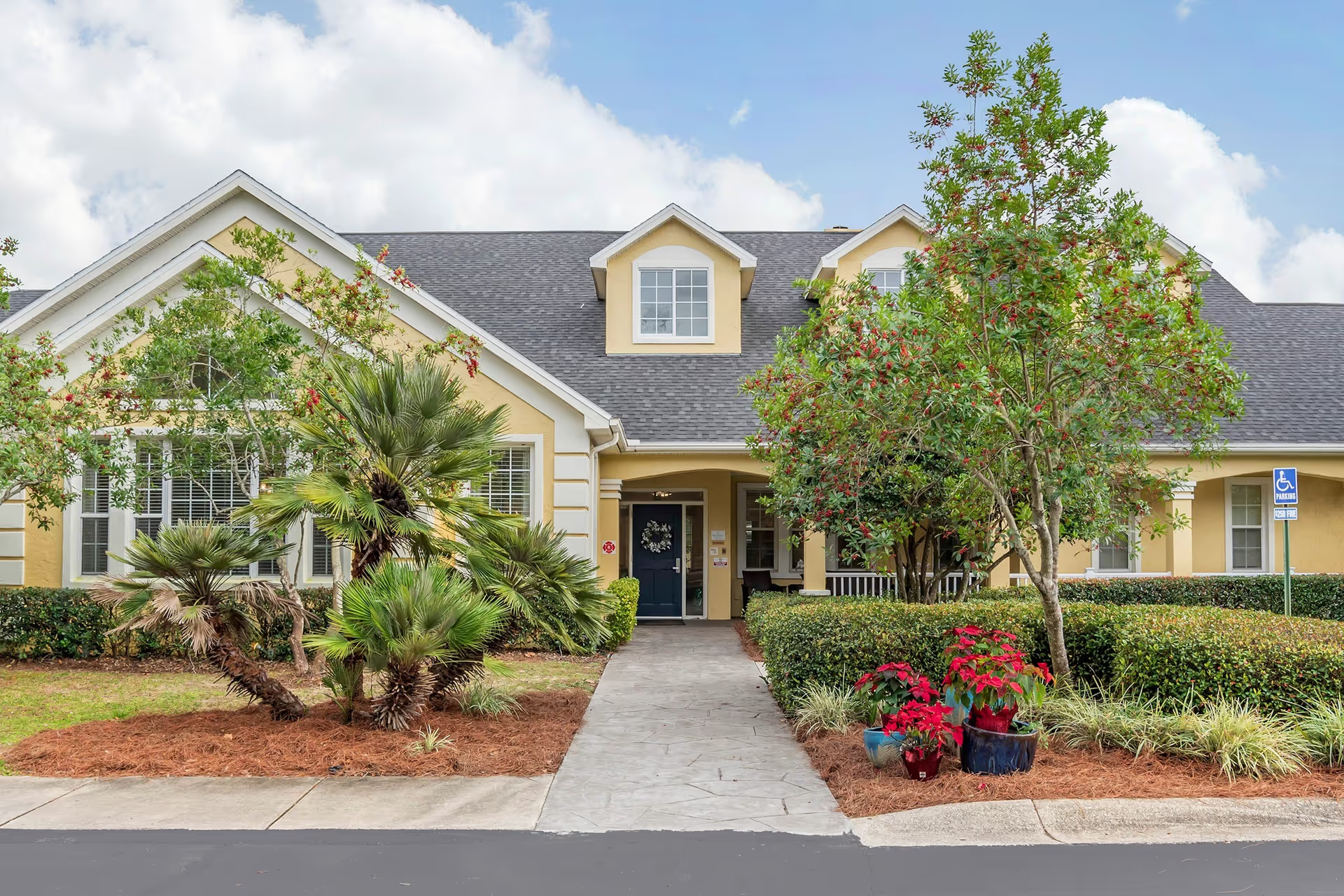
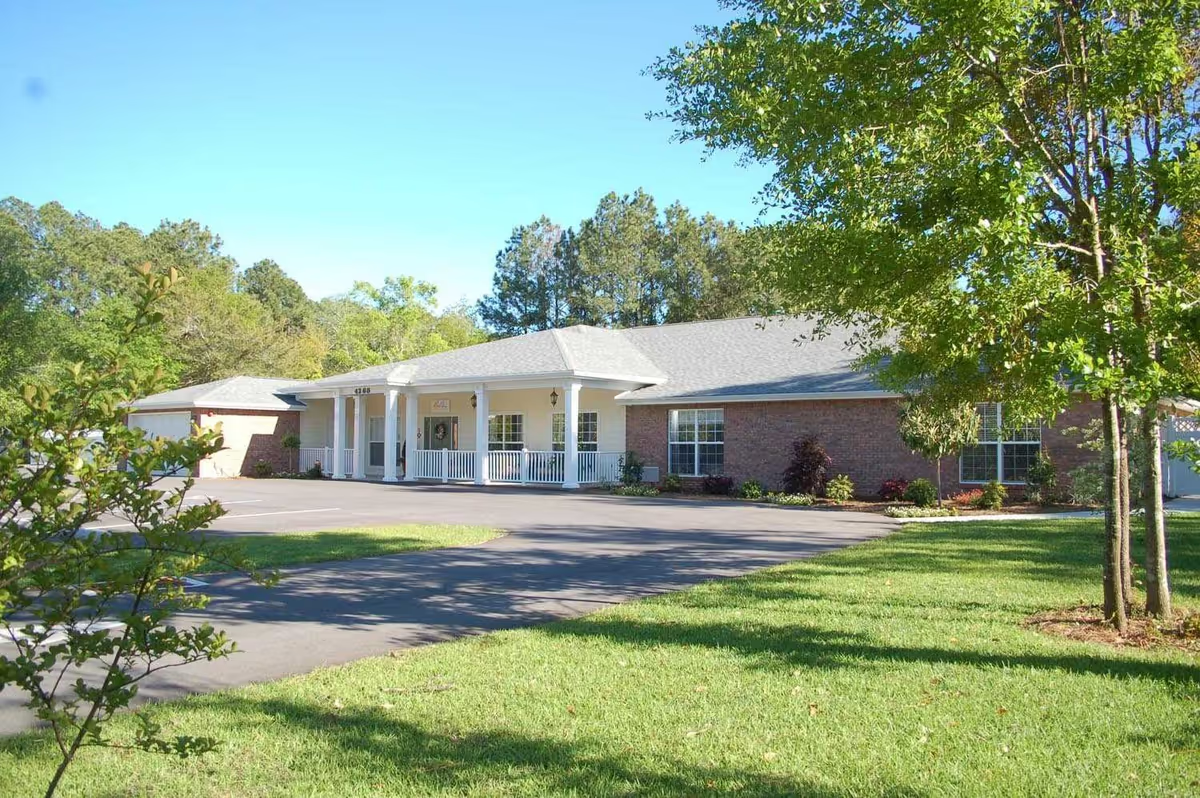
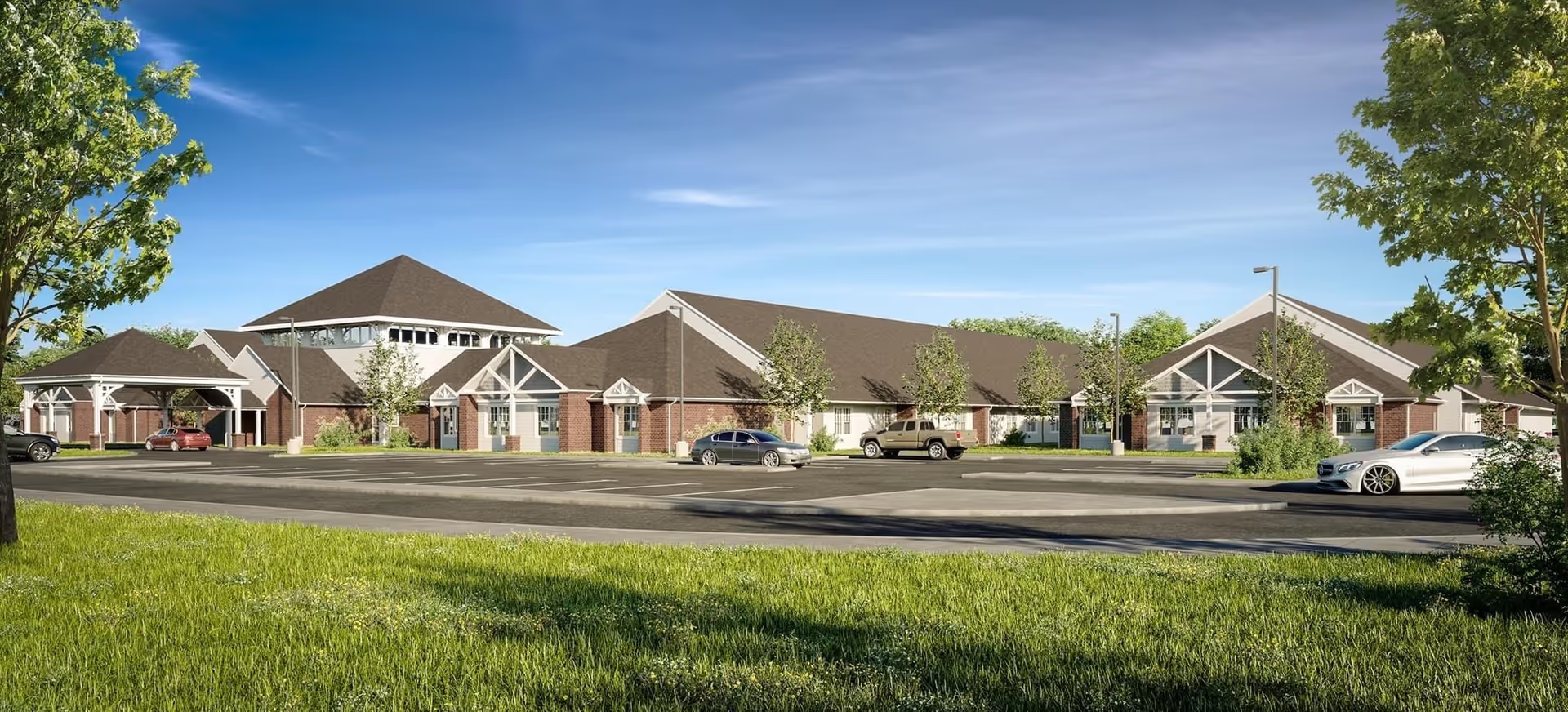
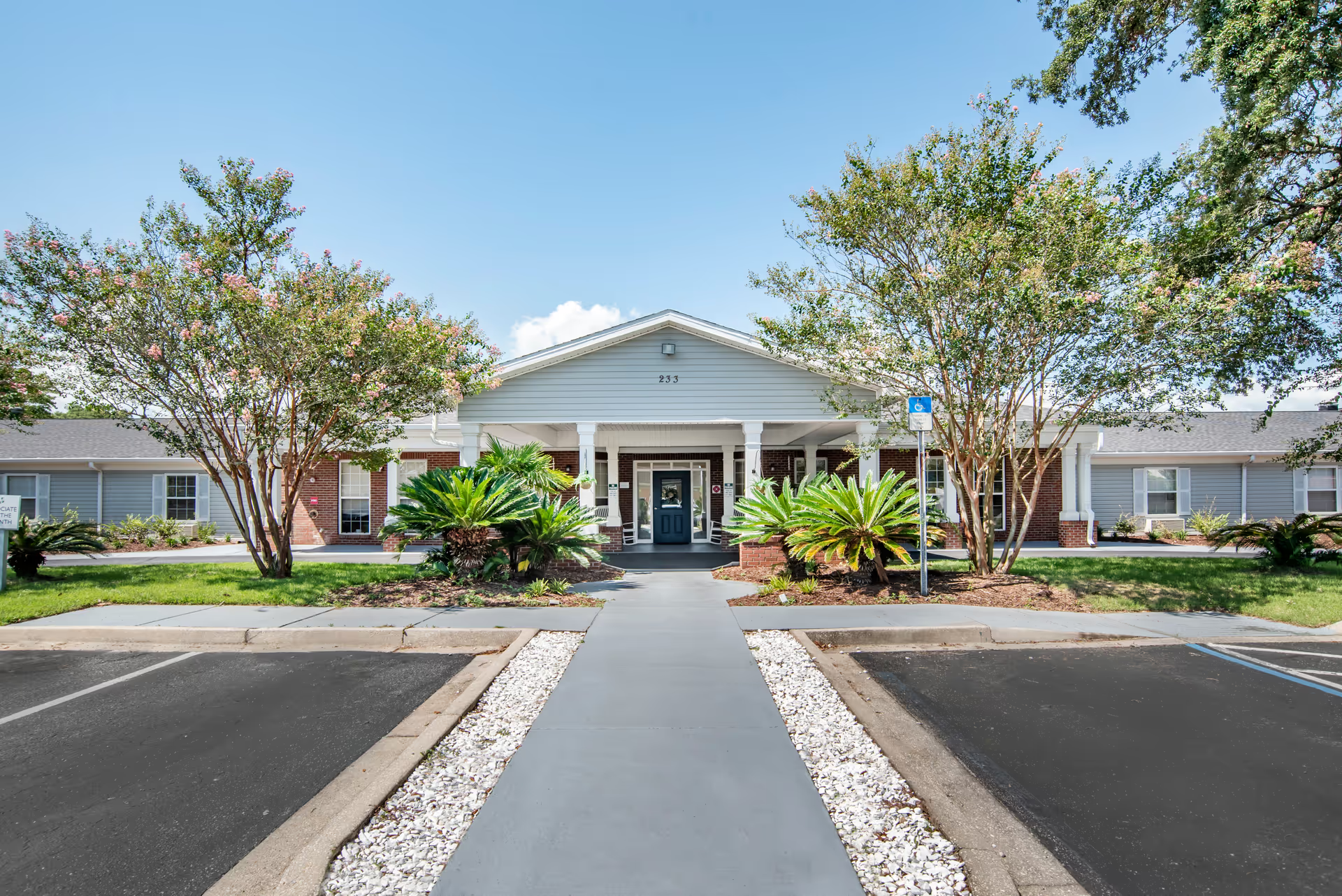
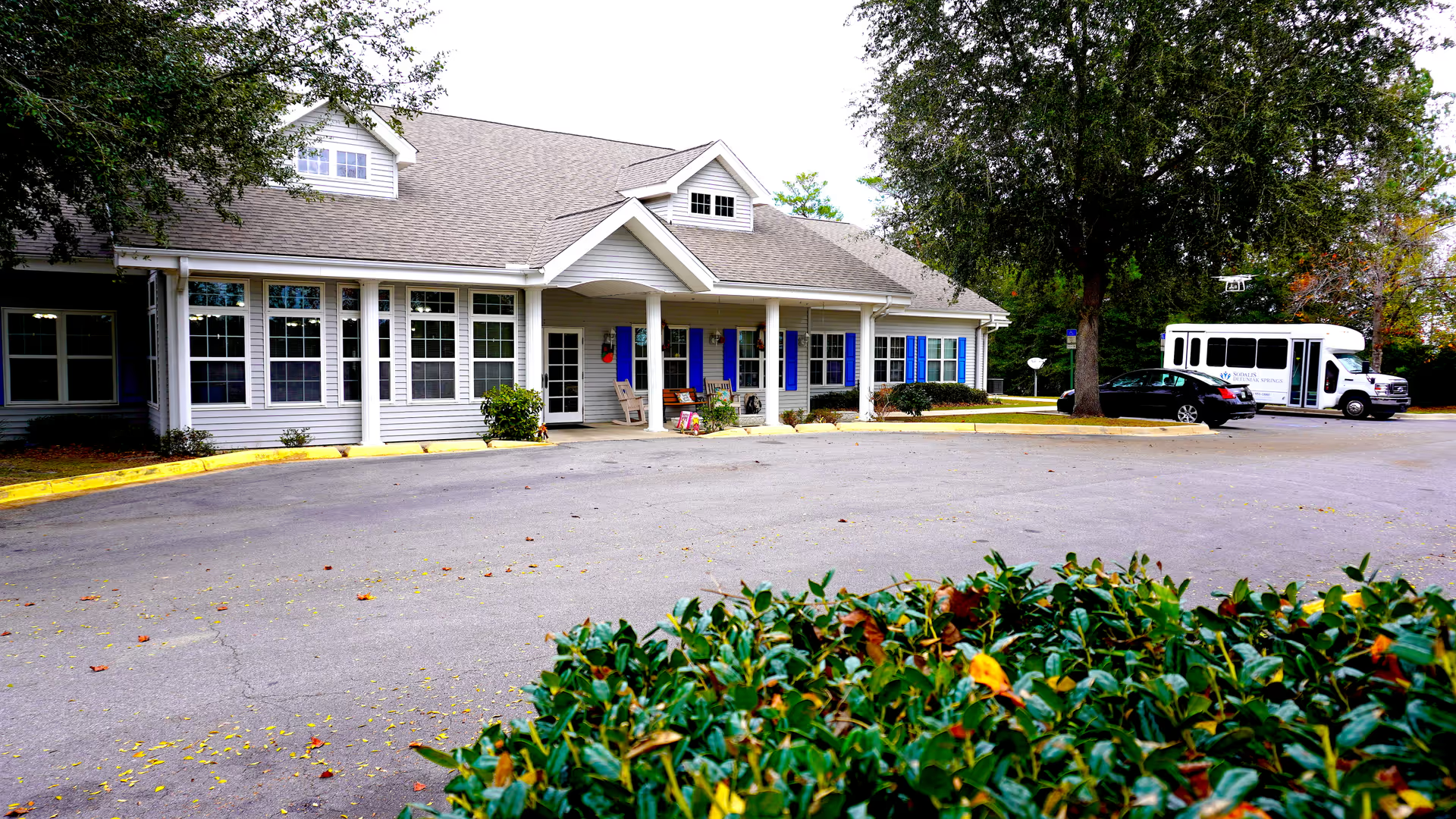
Facilities and management matters also appear mixed. The building is described as not new; that may affect physical comfort and expectations of amenities. Several reviews imply deficiencies in care coordination and family communication during incidents and care transitions. One review referenced a resident death and associated concerns, so families should request details on advance-care planning, end-of-life protocols, and how the facility communicates serious clinical events.
For prospective residents and families: observe staff–resident interactions in person, ask for the facility’s incident-escalation and fall-prevention policies, request examples of how therapeutic diets are managed, and inquire about transportation arrangements for recurring specialty care (such as dialysis). Verify medication-order review processes and staff training on emergency recognition. Doing so will help determine whether the facility’s individual caregiver strengths align with the operational consistency and clinical safeguards you require.