Feedback for University Hills Health and Rehabilitation is mixed, with distinct strengths noted alongside recurrent operational weaknesses. Several reviewers described positive changes under new leadership and highlighted specific staff members and departments that families found helpful. At the same time, multiple patterns of concern emerge across reviews that warrant attention before placement decisions.
Care quality shows variability. Some families praised initial care and attentive staff, but others described interruptions in therapy, unexpected cessation of services, and limited physician follow-up. Reviewers raised serious clinical concerns, including wound-care and infection-related outcomes; these comments point to gaps in clinical oversight, medication management, and fall-prevention practices rather than isolated interpersonal issues. Timeliness of response to resident needs was uneven: while some staff were described as attentive, others were described as slow to respond to pain or calls for assistance.
Staffing and staff conduct are a polarizing theme. Positive notes include a hardworking nursing team, an effective Director of Nursing, a valued social worker, and an active activities director; families also appreciated friendly aides who facilitate outdoor visits and respect privacy. Conversely, reviewers described inconsistent staffing levels, instances of unprofessional conduct, and poor adherence to infection-control practices in some interactions. These contrasting accounts suggest variability by shift or unit rather than uniform performance facility-wide.
Dining and activities present a mixed picture. The activity program, courtyard access, crafts room, monthly family nights, and spiritual services received consistent praise and appear to be strengths. Dining quality, however, was described inconsistently: some reviewers noted recent improvements and better meals, while others described repetitive preparations, small portions, or inadequate meal quality, indicating variability in kitchen operations or menu execution.
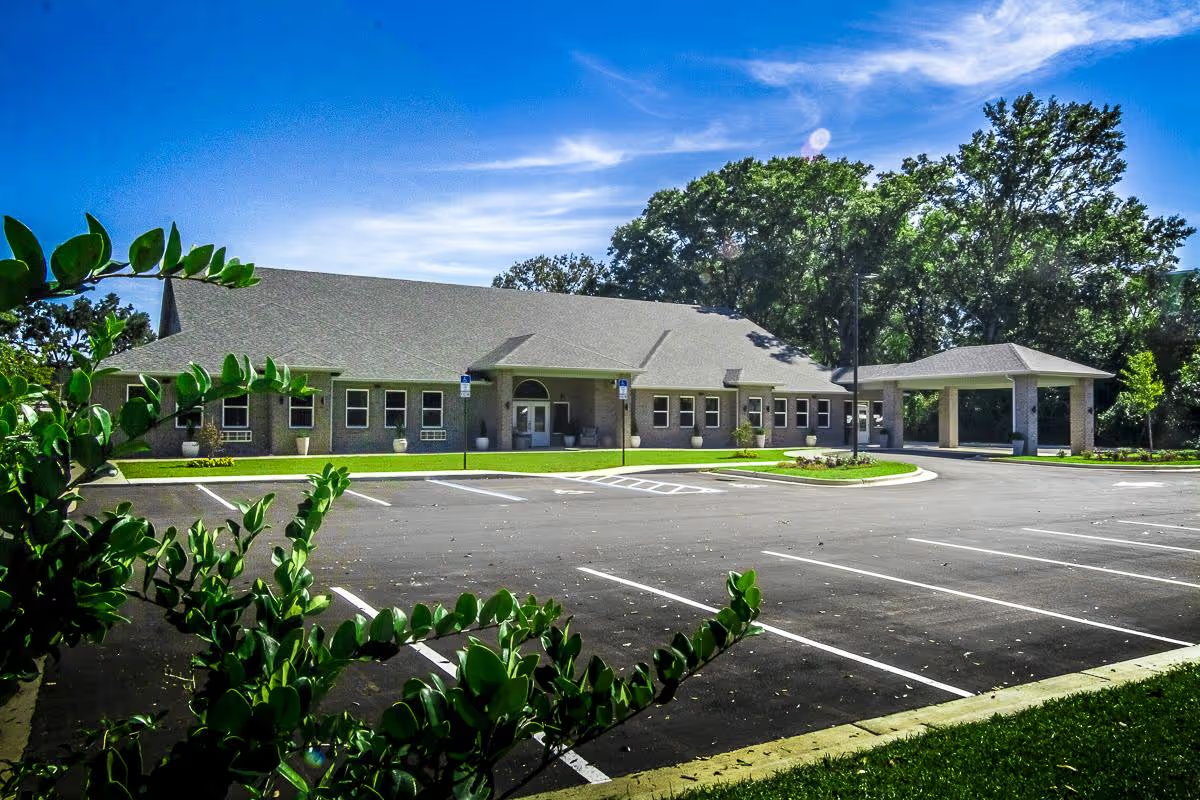
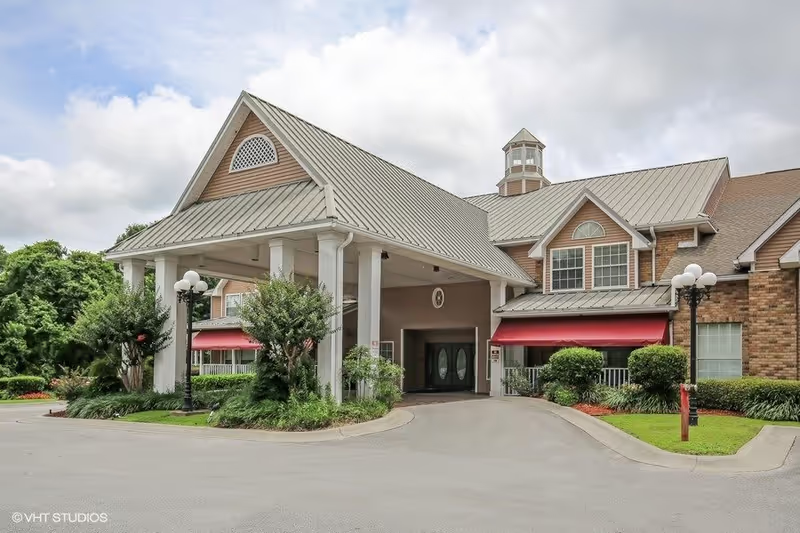
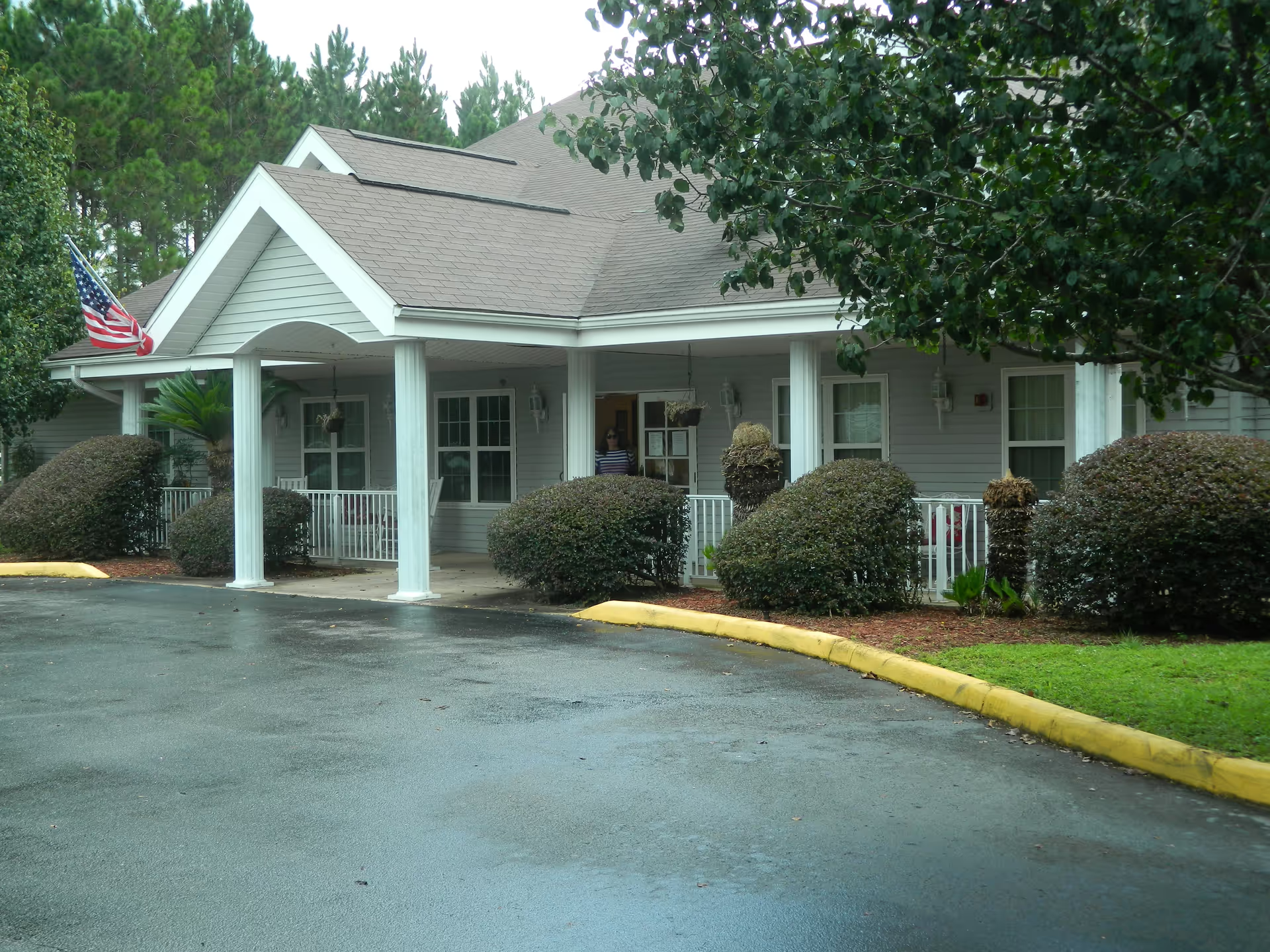
Facility condition and operations: room cleanliness and minor maintenance needs were cited positively in several accounts, but complaints about cramped semi-private rooms, sanitation and odor-control issues in some areas, and unexplained room changes were also raised. Administrative processes were another area of concern—families reported poor communication from management, delayed or absent return calls, billing issues, and room-transfer practices that lacked clear explanation. These operational shortcomings amplify family stress and reduce transparency around care decisions.
Notable patterns are the coexistence of committed, high-performing staff and departments alongside systemic process gaps. Several reviewers specifically noted improvements in the last few months tied to new leadership, suggesting responsiveness to prior issues; however, persistent problems in communication, clinical oversight, sanitation, and meal consistency remain important considerations. Prospective residents and families should seek specific, documented assurances about care-plan continuity, fall-prevention and infection-control protocols, staffing ratios, and billing practices when evaluating placement.