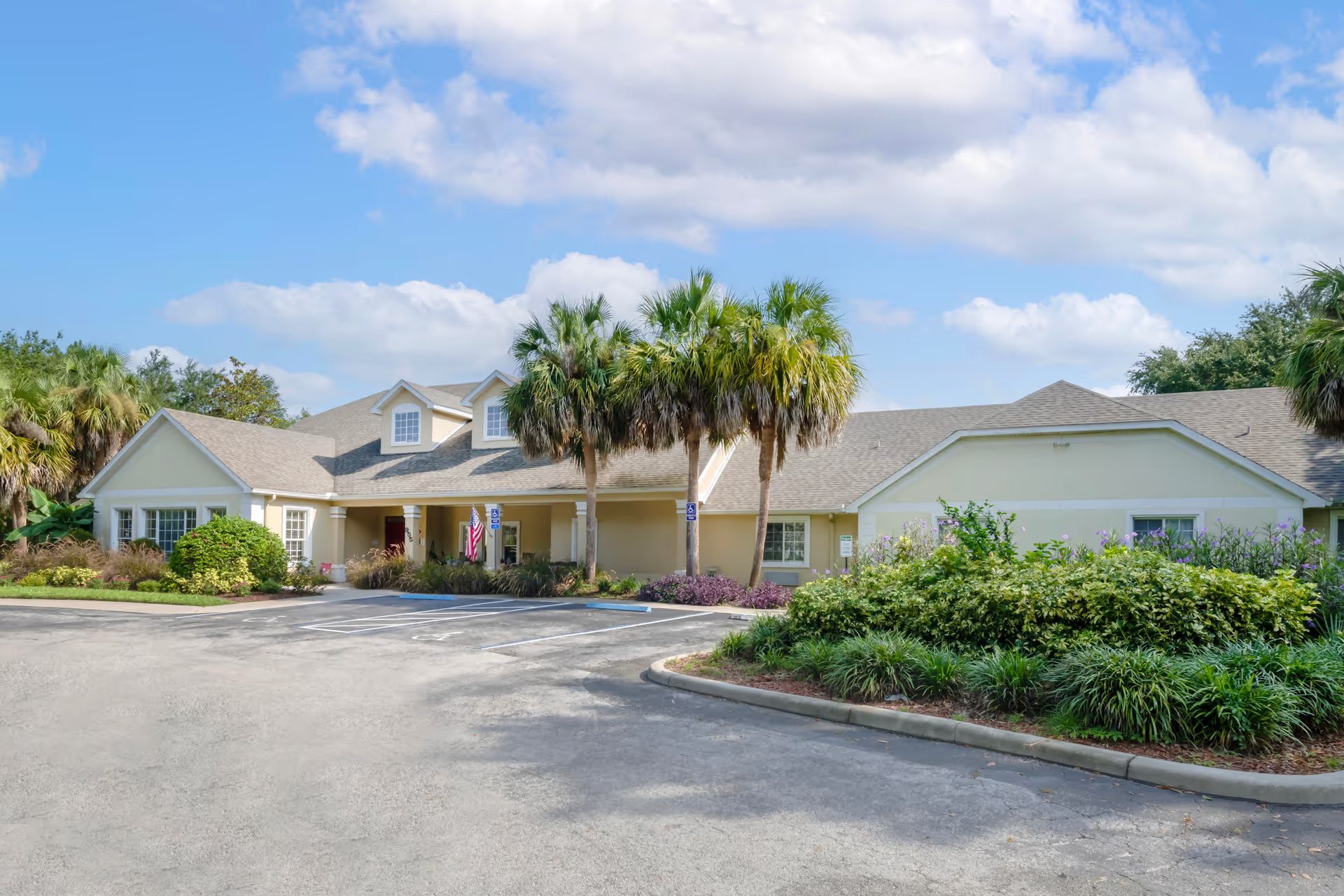
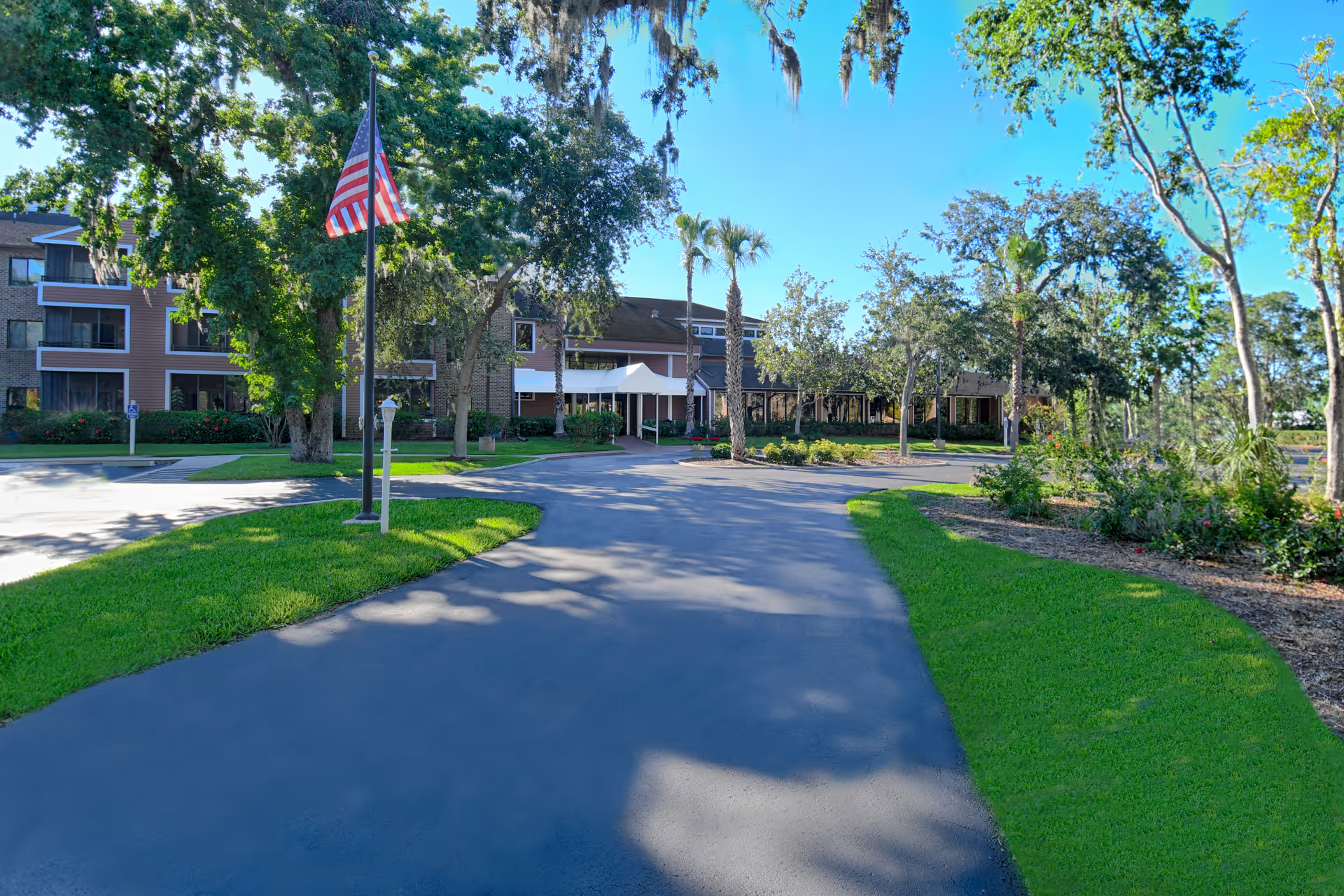
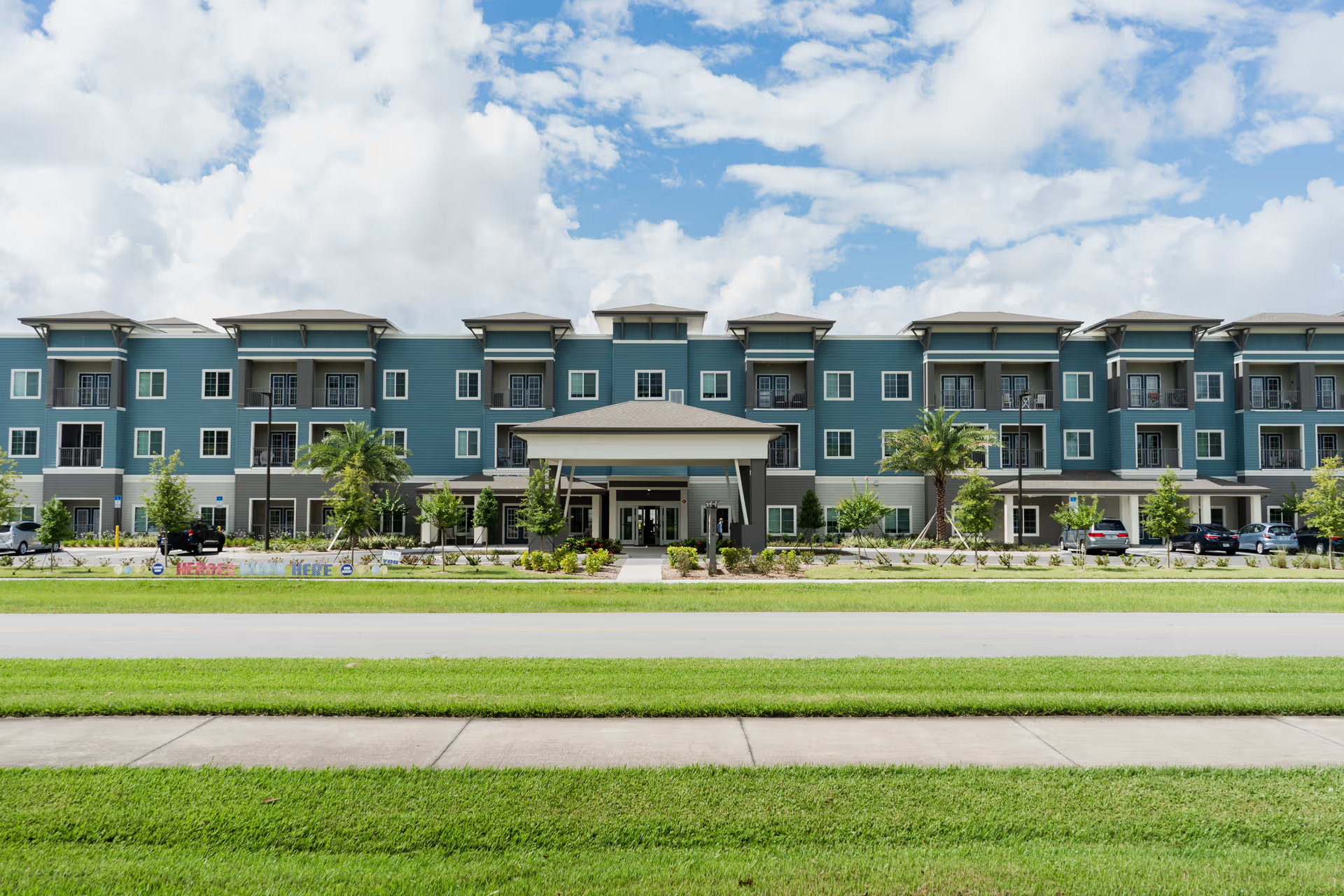
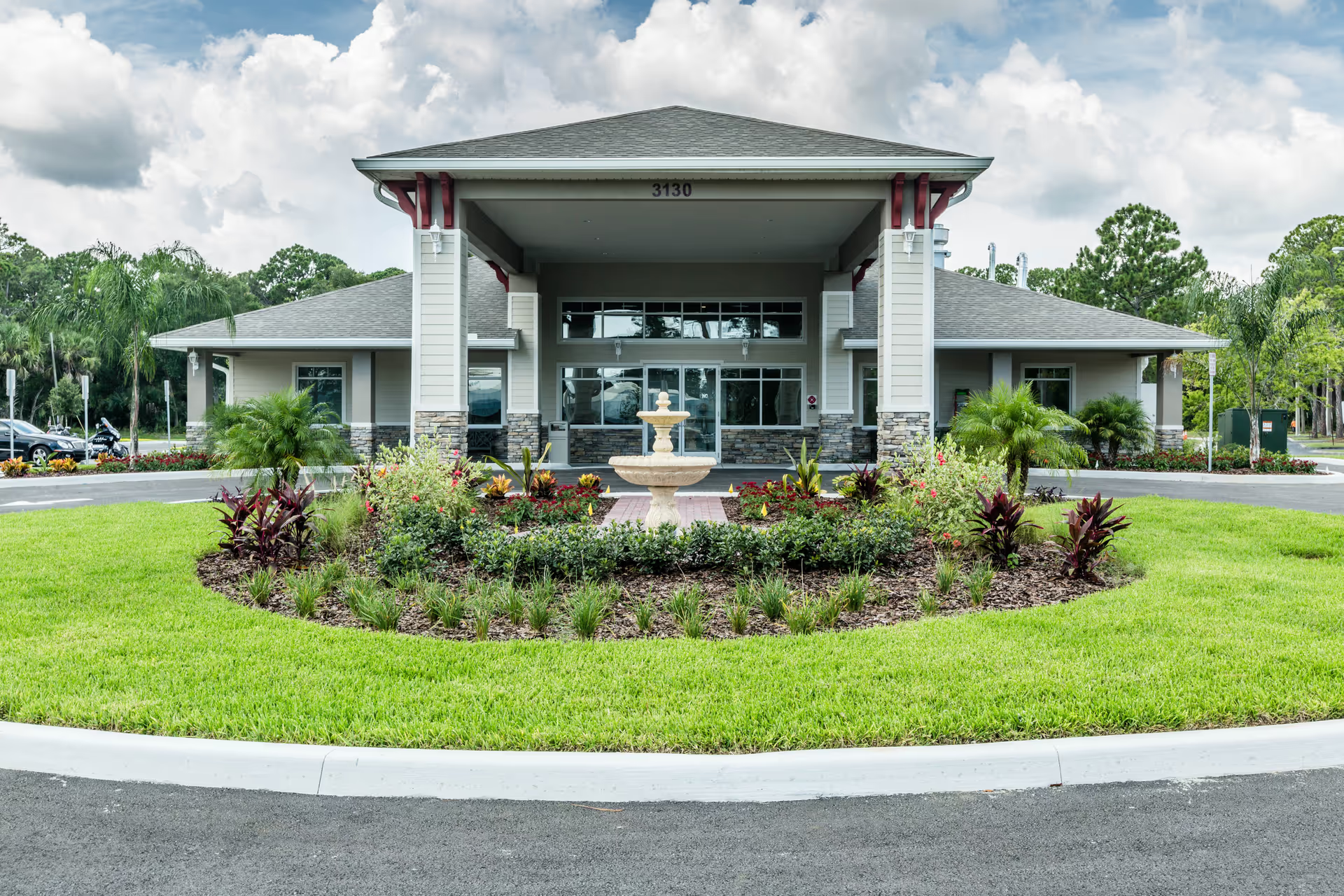
Port Orange Nursing and Rehab Center presents a mixed operational profile. Its rehabilitation services and therapy staff are consistently highlighted as a major strength: reviewers describe strong physical therapy, knowledgeable therapists, and measurable mobility and functional gains. CNAs receive frequent positive mention for compassionate, attentive care, and many families noted a welcoming, dignified atmosphere in a clean, bright, and well‑maintained building. The facility also offers an active events calendar and organized holiday programming that contributes to resident engagement.
Care quality beyond the therapy unit appears variable. While nursing and front‑line staff were praised in many accounts, multiple reviewers described delayed responsiveness to call lights and medication timing issues. There are recurring concerns about wound and skin‑care management, and a subset of families described situations that raised questions about clinical escalation and communication during acute or end‑of‑life events. These clinical communication gaps extend into discharge planning: reviewers noted inconsistent coordination at discharge, limited in‑house follow‑up therapy, and difficulties arranging post‑discharge services.
Dining and daily‑living services show a bifurcated picture. Several reviewers appreciated special meals and event dining, including well‑organized holiday dinners, while others described inconsistent meal quality, cold trays, and limited substitutions. Personal‑care practices also varied across accounts, with some descriptions of irregular bathing schedules and limited assistance at certain times. Operational issues such as lost personal items and uneven laundry handling were mentioned and suggest opportunities to strengthen inventory controls.
The facility’s environment, activities, and amenities are frequently cited positively: clean common areas, comfortable rooms, garden and gym access, and a robust activities program. However, staffing variability—notably on weekends and night shifts—was a recurring theme and likely contributes to many operational weaknesses described above. Several reviewers also noted delays in complaint resolution and slower corporate‑level responsiveness, which can complicate families’ ability to get timely answers.
In summary, prospective residents and families can expect a strong rehabilitation program, committed therapy staff, attentive CNAs, and a generally clean, welcoming facility with engaging activities. Those for whom consistent nursing responsiveness, reliable wound and skin management, coordinated discharge planning, and steady meal quality are priorities should seek clarification from the facility about staffing patterns, on‑call nursing coverage, and protocols for clinical escalation and family communication before admission.