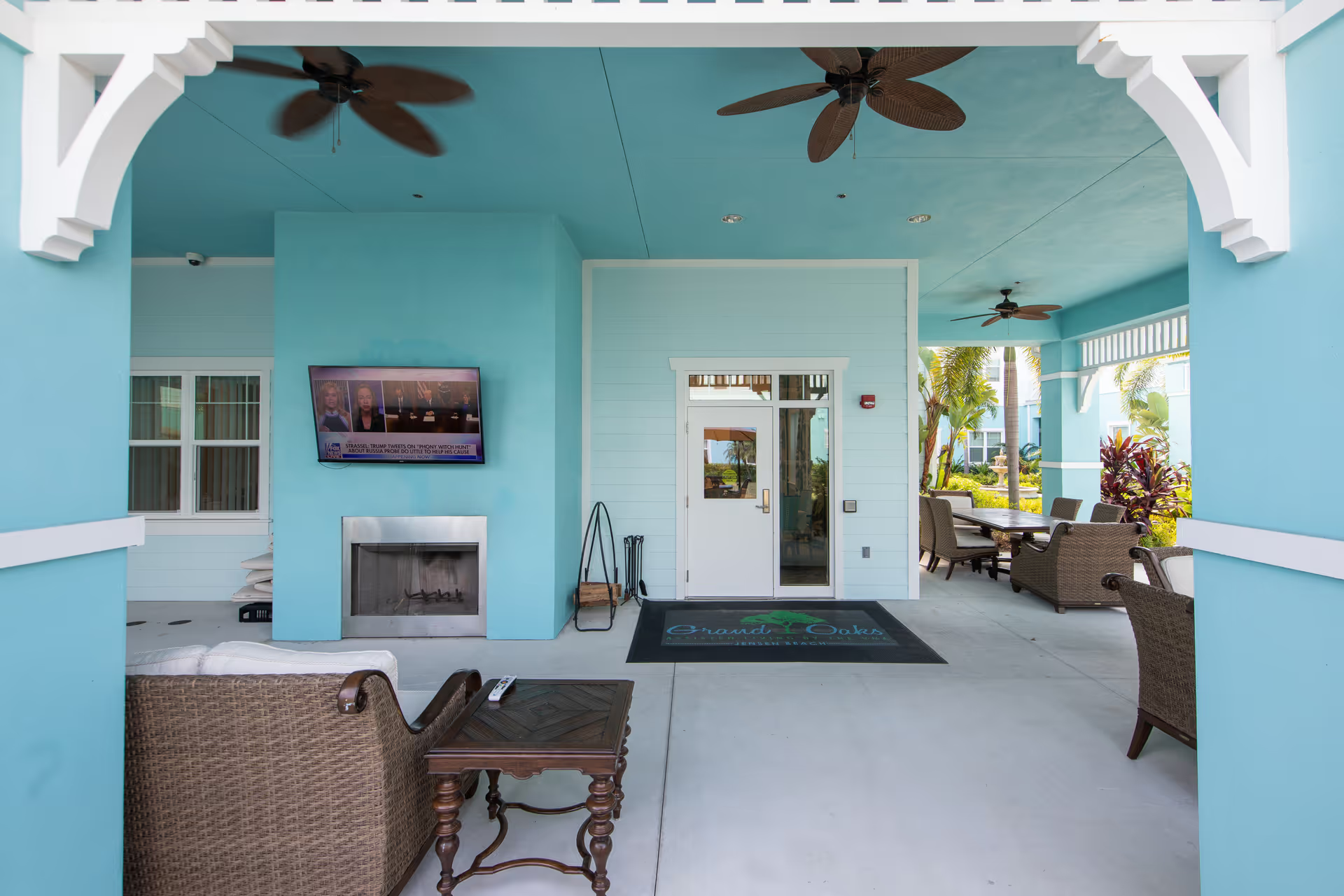
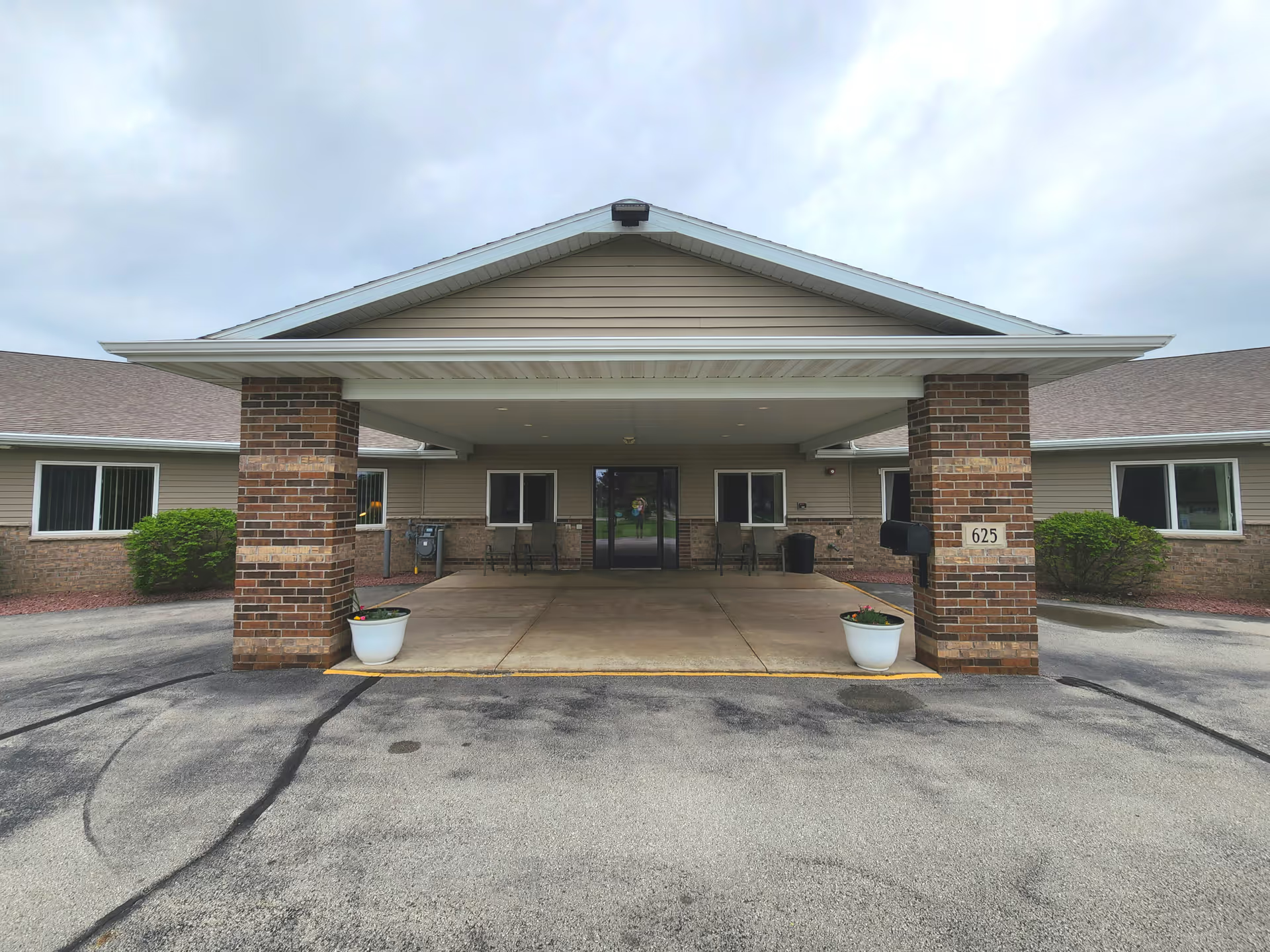
Overall impression: Tiffany Hall Nursing and Rehab Center presents a mixture of clear strengths and recurring operational weaknesses. The property and outdoor courtyard are commonly described as attractive, and the facility offers well-regarded physical and occupational therapy. Several reviewers praised hands-on caregivers—particularly CNAs and some nursing staff—for being compassionate and attentive. At the same time, families report polarized experiences: while some residents received responsive, high-quality therapy and personal care, others encountered operational problems that affected daily comfort and safety.
Care and staff: Clinical rehabilitation services (PT/OT) are a notable strength when available; multiple comments describe effective therapy that supported recovery. Direct-care staff, especially some CNAs and nurses, are praised for their caring approach. However, the facility appears to have inconsistent staffing levels and variable responsiveness to resident needs. Reports describe long waits for assistance and instances when call bells were not answered promptly, which suggests gaps in response protocols and staffing allocation. There are also concerns about fall-prevention and transfer safety practices that warrant specific inquiry by families.
Dining and activities: Dining is an area of concern for several families. Complaints focus on inconsistent food quality and meals served at inappropriate temperatures, which can affect intake for residents with reduced appetites or swallowing issues. Activity programming is described as limited or poorly executed in some accounts, and memory-care options are characterized as insufficient for residents with significant cognitive impairment. Prospective residents needing structured dementia programming should confirm the facility’s memory-care curriculum and staffing ratios.
Facilities and management: The building and grounds are generally viewed positively, but resident rooms are described as dated and sometimes configured as shared rooms with institutional-style beds. In-room amenities such as televisions may be small or in need of updating. Operationally, families raised concerns about laundry processes and personal-item management, including lost clothing and frequent family involvement in linen runs. Multiple comments also point to gaps in administrative communication and accountability, including transferred responsibility and uneven follow-through on issues. These management-level patterns appear to contribute to variability in day-to-day resident experience.
Notable patterns and guidance: The overall pattern is one of uneven performance—strong rehabilitation and compassionate direct-care staff in some cases, paired with intermittent operational problems in housekeeping, laundry, meal service, activity programming, and management communication. Prospective residents and families should ask targeted questions before placement: typical staffing levels and shift coverage, average call-bell response times, sample meal menus and meal service procedures, laundry and personal-item policies, availability and scheduling of PT/OT, details of memory-care programming, and room configuration options. Verifying these operational details in person—observing mealtime, therapy sessions, and unit cleanliness—will help determine whether Tiffany Hall’s strengths align with an individual resident’s needs.