Care quality and clinical services: Reviews describe a clear strength in rehabilitation and therapy services. Multiple families highlighted rapid functional gains, one-on-one therapy and positive mobility outcomes, and staff who actively monitor daily progress. Nursing staff are frequently described as compassionate and attentive; several accounts cite prompt RN intervention after falls and effective medication scheduling. However, there are notable operational shortcomings: reviewers documented medication-administration and wound-care management concerns, delays arranging external diagnostics or surgery, and variable responsiveness to changing clinical status. These issues suggest inconsistent clinical oversight in parts of the facility rather than uniformly applied processes.
Staff and leadership: Many reviews praise individual caregivers, CNAs, therapists, and front-line nurses by name and note strong teamwork, a supportive admissions team, and helpful administrative leadership. The facility is frequently credited with a family-like atmosphere and good communication in cases where leadership was actively engaged. Conversely, a recurring theme is inconsistent management responsiveness — families describe periods of good communication interspersed with times when directors were difficult to reach, phone coverage was poor, or follow-up on concerns was slow. This mixed picture indicates variability in leadership engagement and day-to-day management practices.
Dining and nutrition: Opinions on dining are mixed. Positive reports note attentive dietitians, individualized diet adjustments, and successful management of some residents' dietary needs. Negative comments focus on inconsistent meal quality, high-carbohydrate or hospital-style offerings, late or cold deliveries, and limited diabetic-friendly choices. Overall, nutrition services appear capable of individualized planning but inconsistent in execution and meal presentation.
Activities and resident engagement: The facility offers an active activities program in many accounts, with regular events (for example, casino nights and monthly activities) and an engaged activity director. These programs are a clear positive for many residents. At the same time, some ambulatory residents and families reported limited options tailored to walkers or a lack of quieter resources such as a library, indicating uneven availability of programming across populations and shifts.
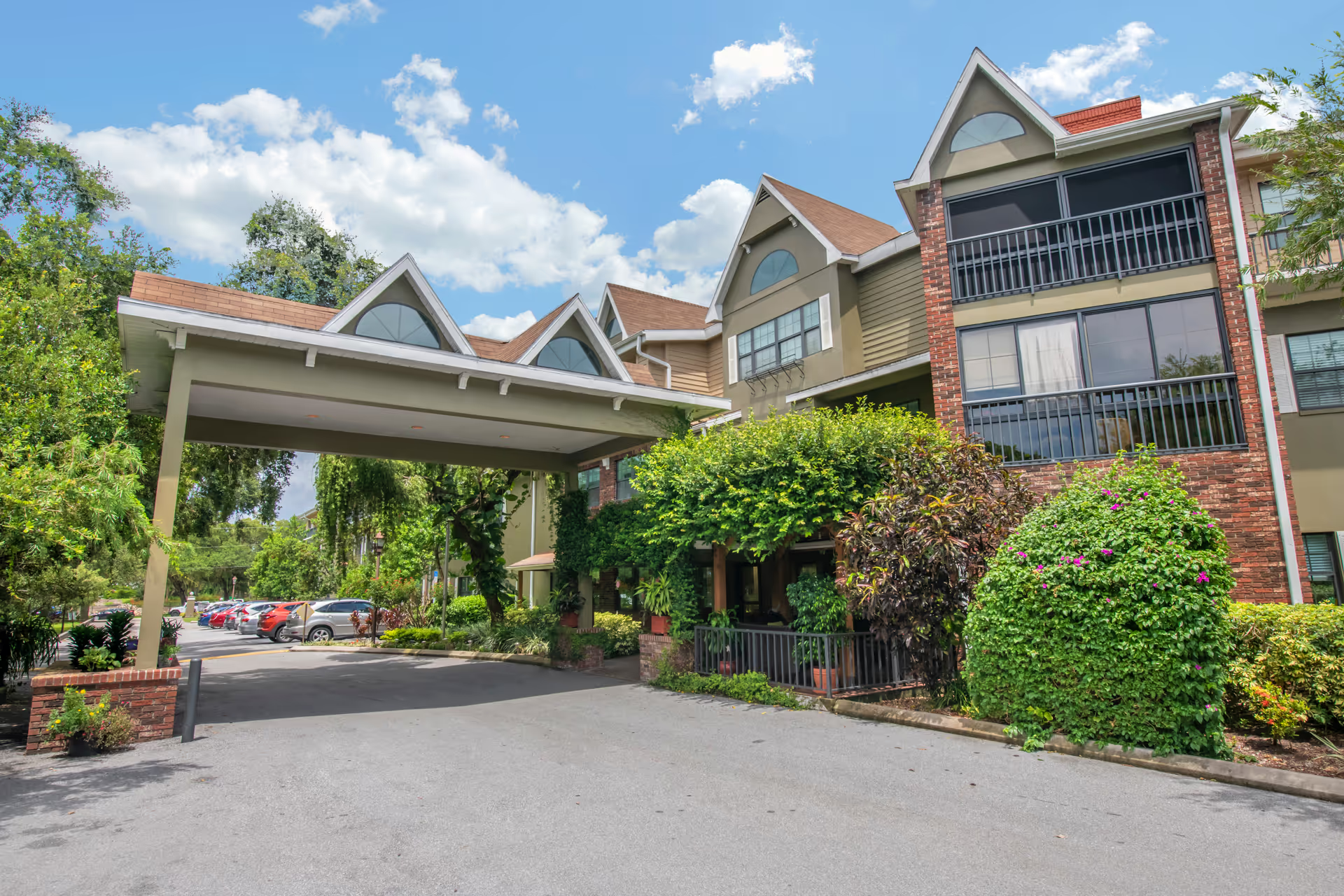
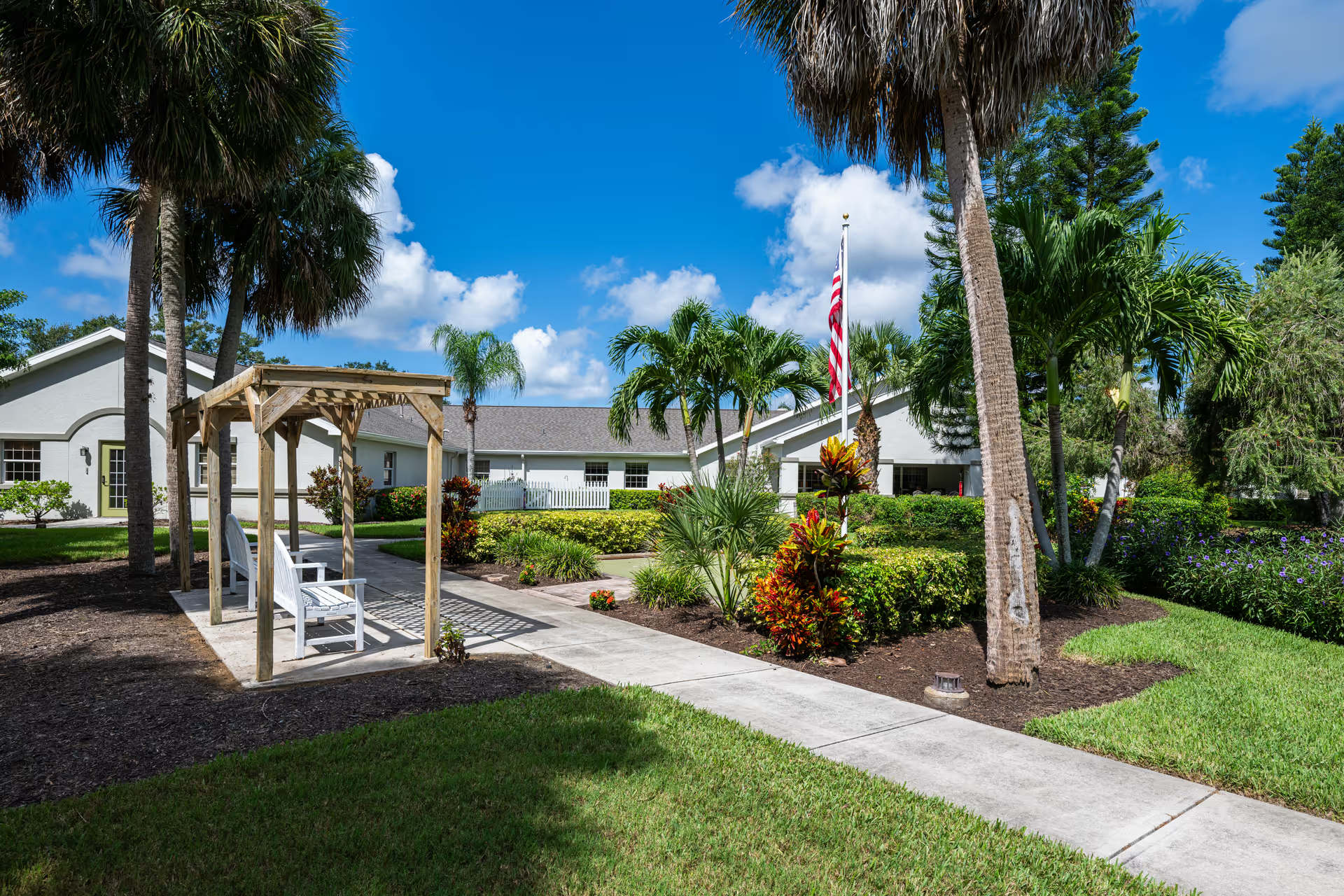
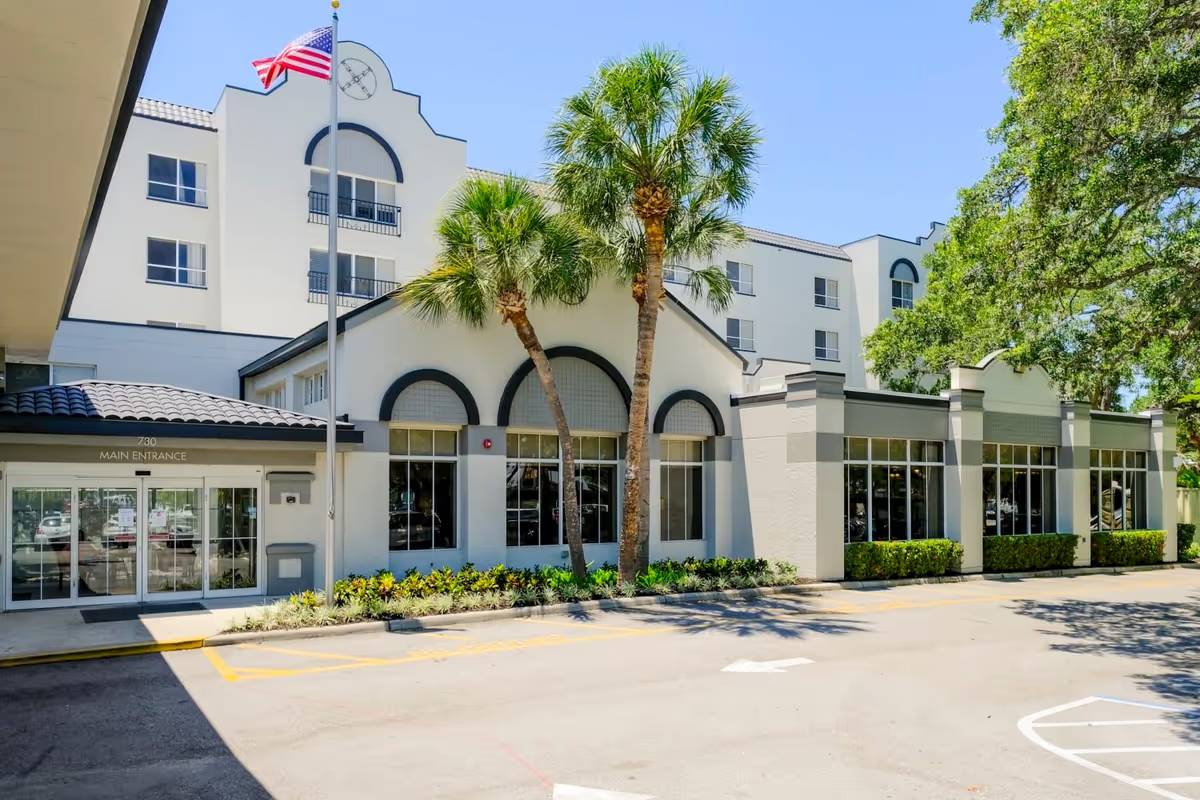
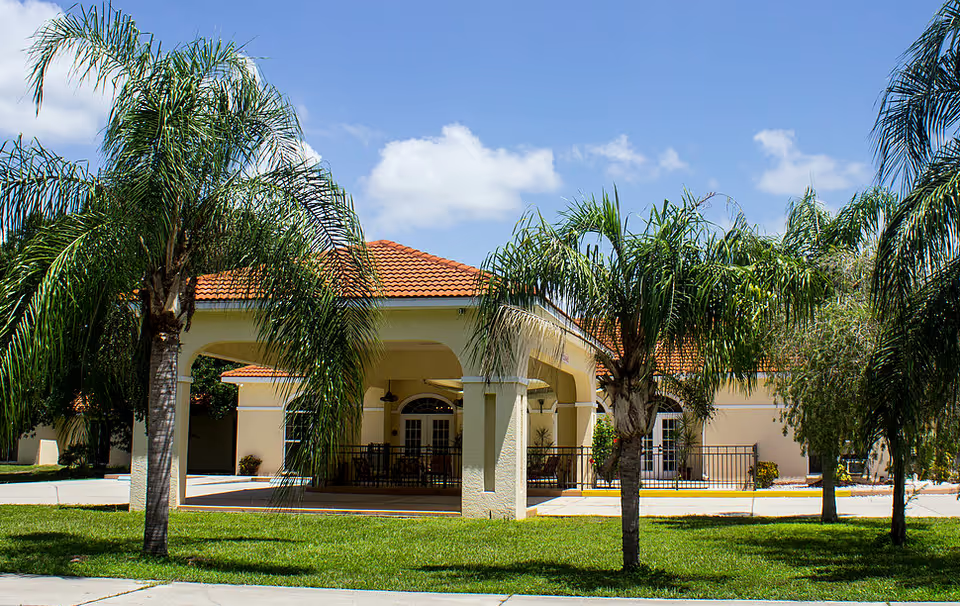
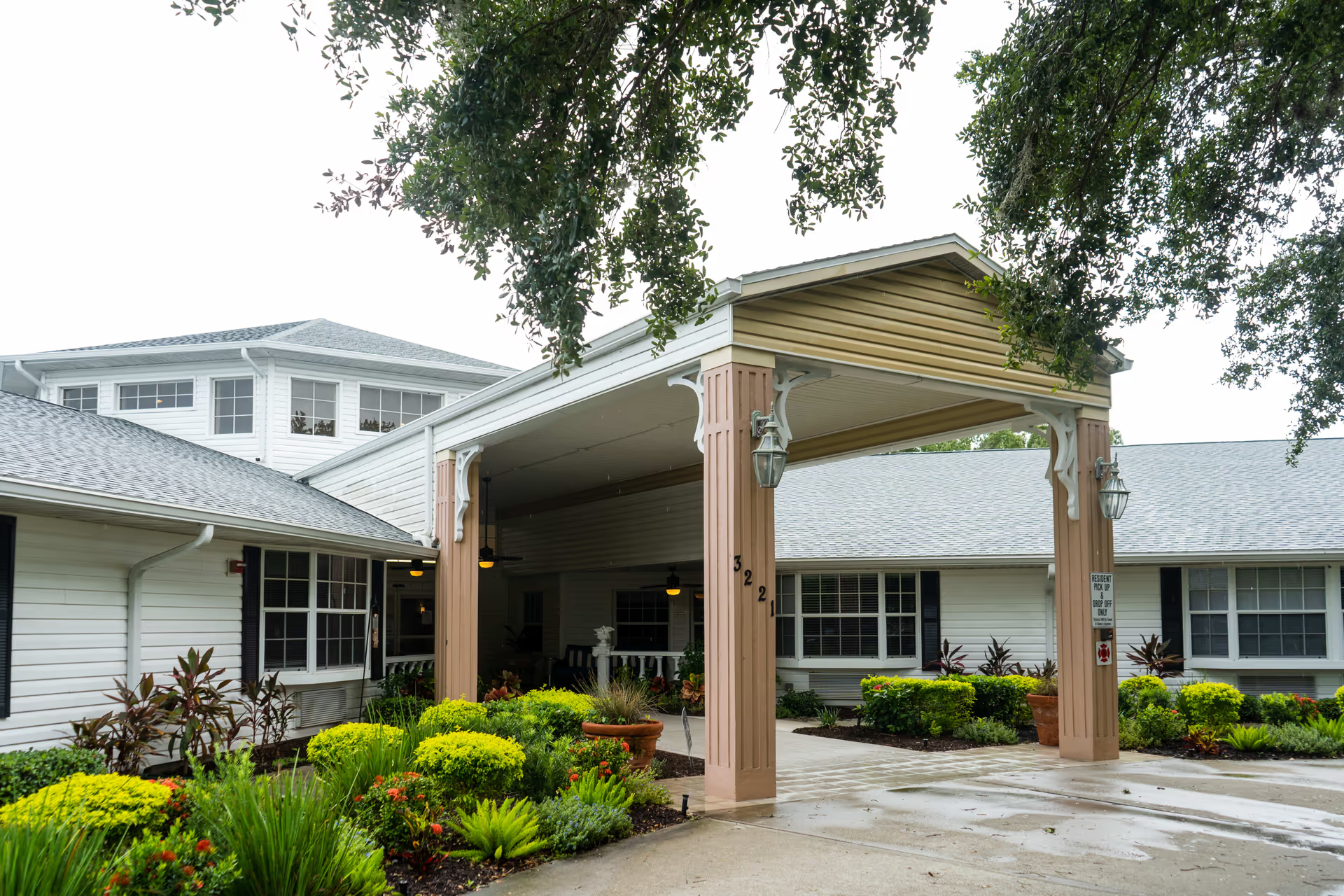
Facilities and environment: Physical maintenance and housekeeping are areas of contrast. Several reviews describe a sparkling, well-maintained building with responsive maintenance, hardwood floors, wheelchair-accessible doors, and clean rooms. Other reviews raise sanitation concerns, pest-control issues, and inconsistent housekeeping standards in particular units. Room size and layout are also recurring themes: some residents received single, inviting rooms, while others cited cramped quarters, small shared bathrooms, and limited personal storage. Safety-related facility issues (for example, unsecured floor coverings or other environmental hazards) were also mentioned and point to a need for consistent environmental-safety checks.
Management patterns and notable risks: The overall pattern in the reviews is polarized: many families report excellent, even outstanding care, while a subset describe serious lapses in sanitation, responsiveness, medication/wound care, property security, and safety oversight. Allegations of resident-safety incidents and concerns following a resident's death were raised in a few accounts and warrant careful follow-up. Additionally, several reviews cite missing personal belongings and poor control of resident property, suggesting weaknesses in inventory and security processes.
Bottom line for prospective families: Sarasota Health and Rehabilitation Center demonstrates clear strengths in rehabilitation outcomes, many compassionate caregivers, responsive maintenance, and supportive administrative staff in numerous cases. At the same time, variability across units and shifts—manifested as sanitation and pest-control concerns, inconsistent meal quality, staffing and responsiveness gaps, personal-property security issues, and occasional clinical coordination failures—means that experiences can differ substantially. Prospective residents and families should consider a focused, in-person tour that includes inspection of the exact unit and room, specific questions about staffing ratios, wound- and medication-management protocols, property-security procedures, and the facility’s process for arranging outside diagnostics. Asking for recent survey results and speaking directly with unit leadership about any concerns before placement is advisable.