Tamarac Rehabilitation and Health Center is frequently cited for strong rehabilitation services and positive therapy outcomes. Across many accounts, physical and occupational therapists are described as knowledgeable, motivating, and central to residents’ functional gains; several reviewers credited therapy staff with helping residents return home. Social services and certain administrative staff are also highlighted as helpful in navigating care logistics and discharge planning.
Clinical care and nursing are viewed as a mixed picture. Numerous families describe attentive, communicative nurses and aides who provide good hands-on care and effective pain management. At the same time, a recurring pattern is inconsistent responsiveness: long call-light response times, delays in toileting and bathing, and variability in medication timing. A small number of reviewers raised serious clinical concerns about oversight and follow-up after acute events; these appear to be isolated but significant and merit direct inquiry by prospective families.
Staff culture shows pronounced variability by shift and individual. Many reviewers praise friendly, caring staff, and name specific aides and nurses as exemplary. Conversely, others report less professional conduct, language barriers that complicate patient communication, and weaker performance on certain night or weekend shifts. Staffing shortages and uneven coverage are frequently raised as an operational contributor to those inconsistencies.
Dining and nutrition receive mixed feedback. Some residents and families find meals acceptable or good, with diet accommodations available when requested; others describe bland or unappealing presentations, limited alternatives on certain days, and occasional mismatches between prescribed diets and what is served. Food quality appears to vary day-to-day and by reviewer expectation.
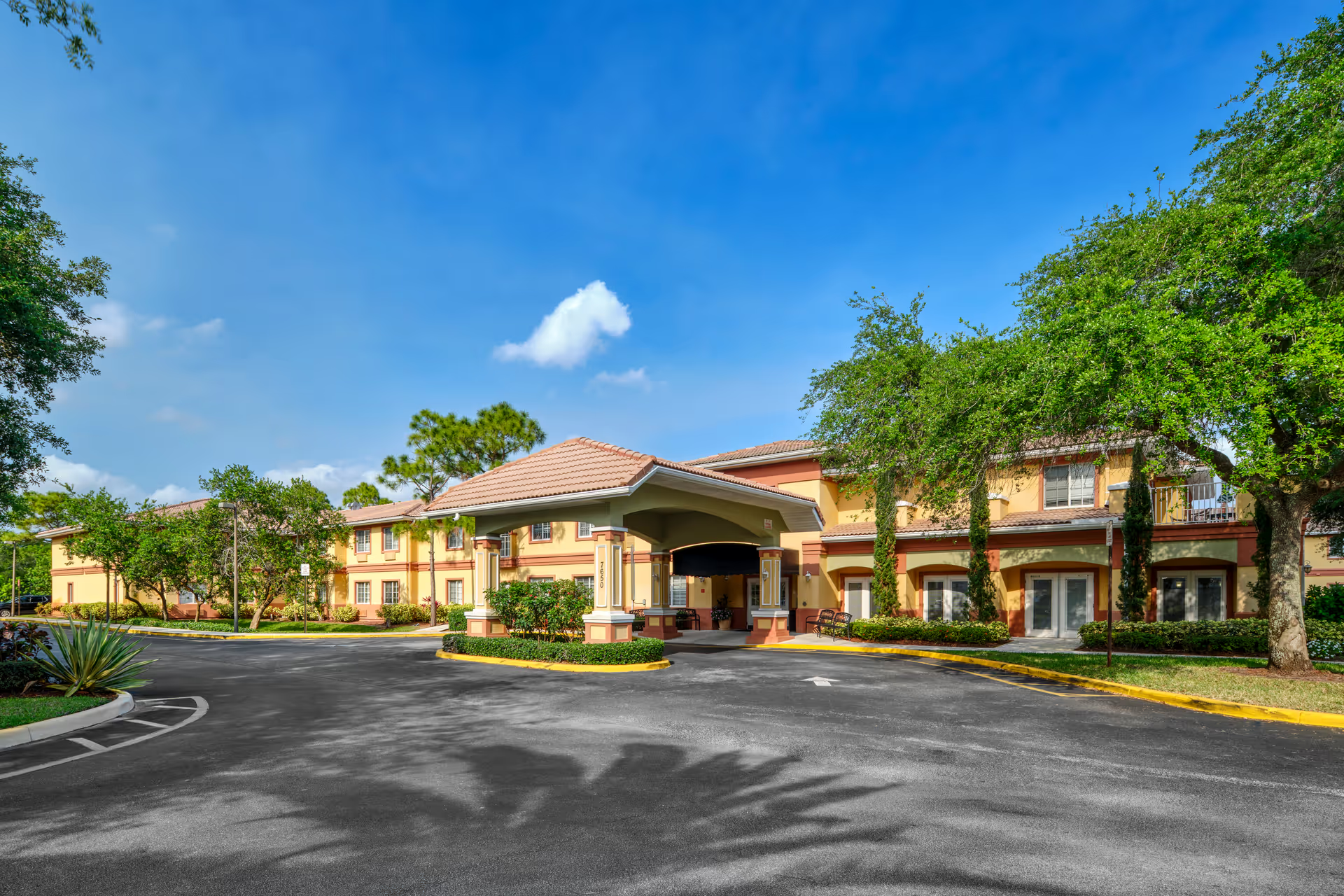
Facility and amenities are likewise a blend of strengths and limitations. Many reviews note a clean, odor-free environment, well-kept common areas, and effective housekeeping in many units. At the same time, the building is described as older in places, with some rooms and bathrooms needing updates, limited shower seating or accessibility features, and occasional housekeeping lapses. A few comments also reference pest-control and maintenance concerns that should be checked during a visit.
Management and communication show pockets of effectiveness alongside gaps. Social services and certain managers receive strong praise for assistance and coordination, yet families commonly cite inconsistent updates from nursing staff and difficulty obtaining timely information about care. Transportation and parking logistics also emerge as practical pain points.
Taken together, Tamarac appears to be a rehabilitation-focused facility with many strengths in therapy, and with staff who are capable and compassionate on numerous shifts. The principal risks for prospective residents and families are operational inconsistencies: variable staffing levels, uneven responsiveness for personal care and call lights, fluctuating meal quality, and communication gaps. Those considering the facility should prioritize direct questions about staffing patterns (including night/weekend coverage), care-plan update practices, bathing/toileting schedules, medication-timing protocols, infection-control procedures, and menu/diet accommodations during their tour and admissions discussion.