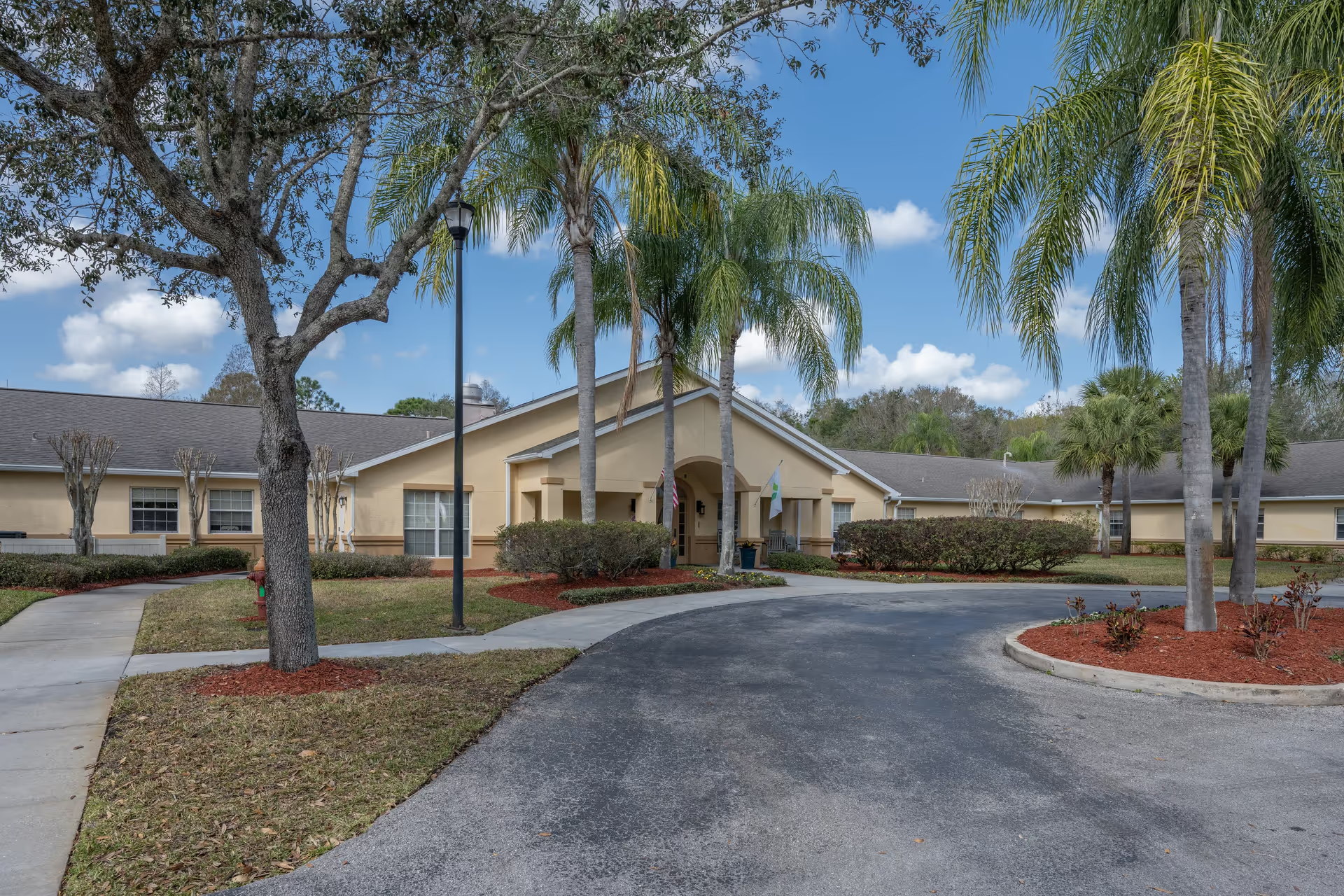
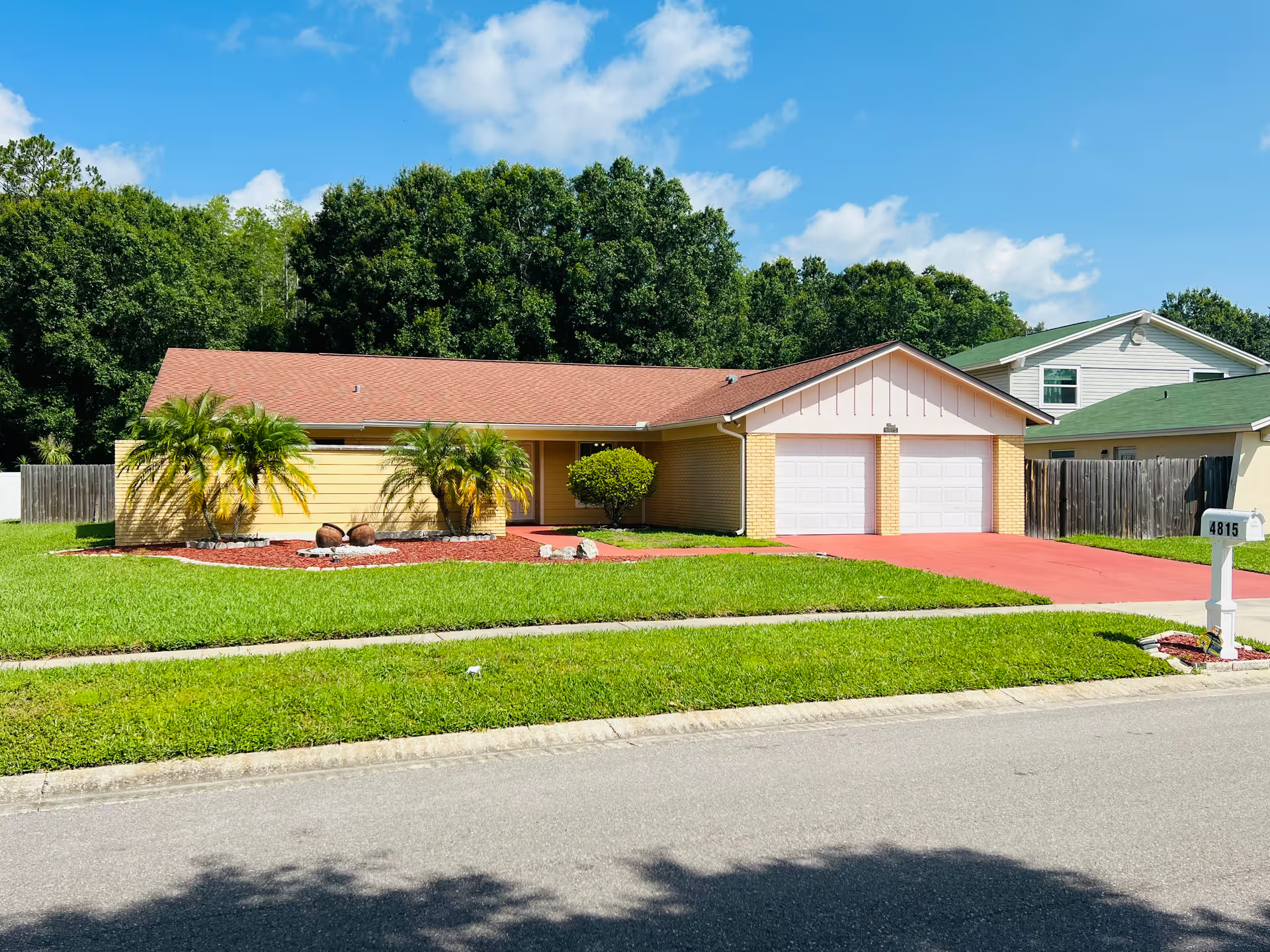
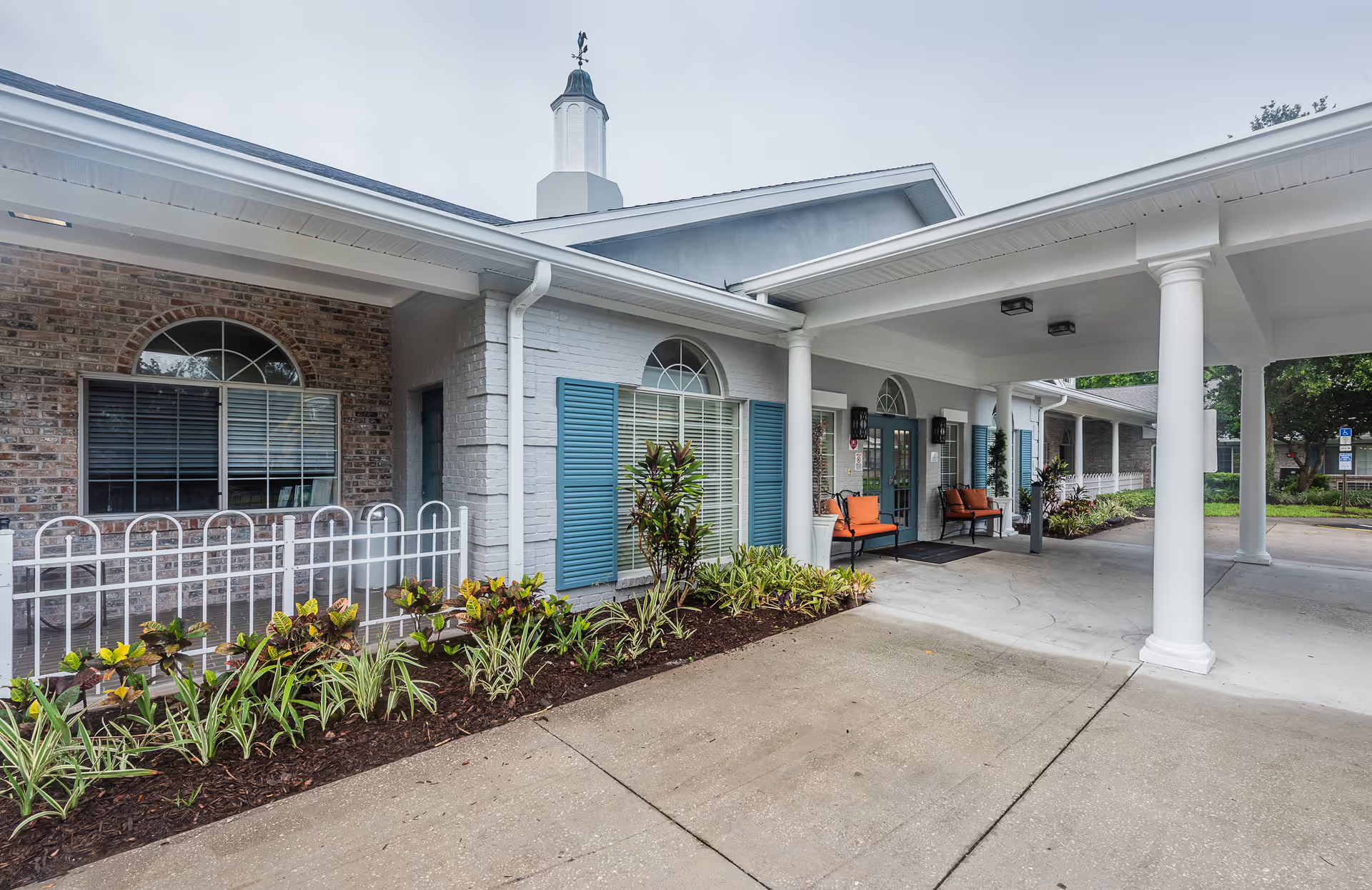
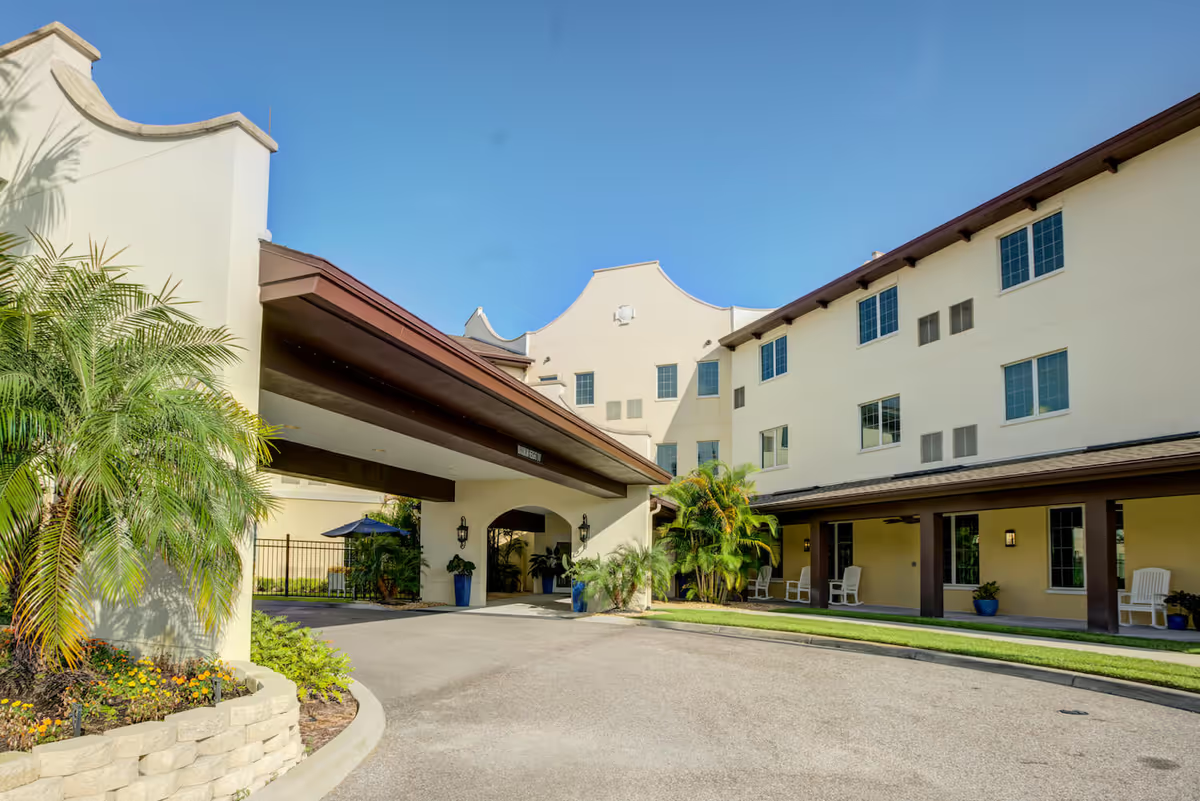
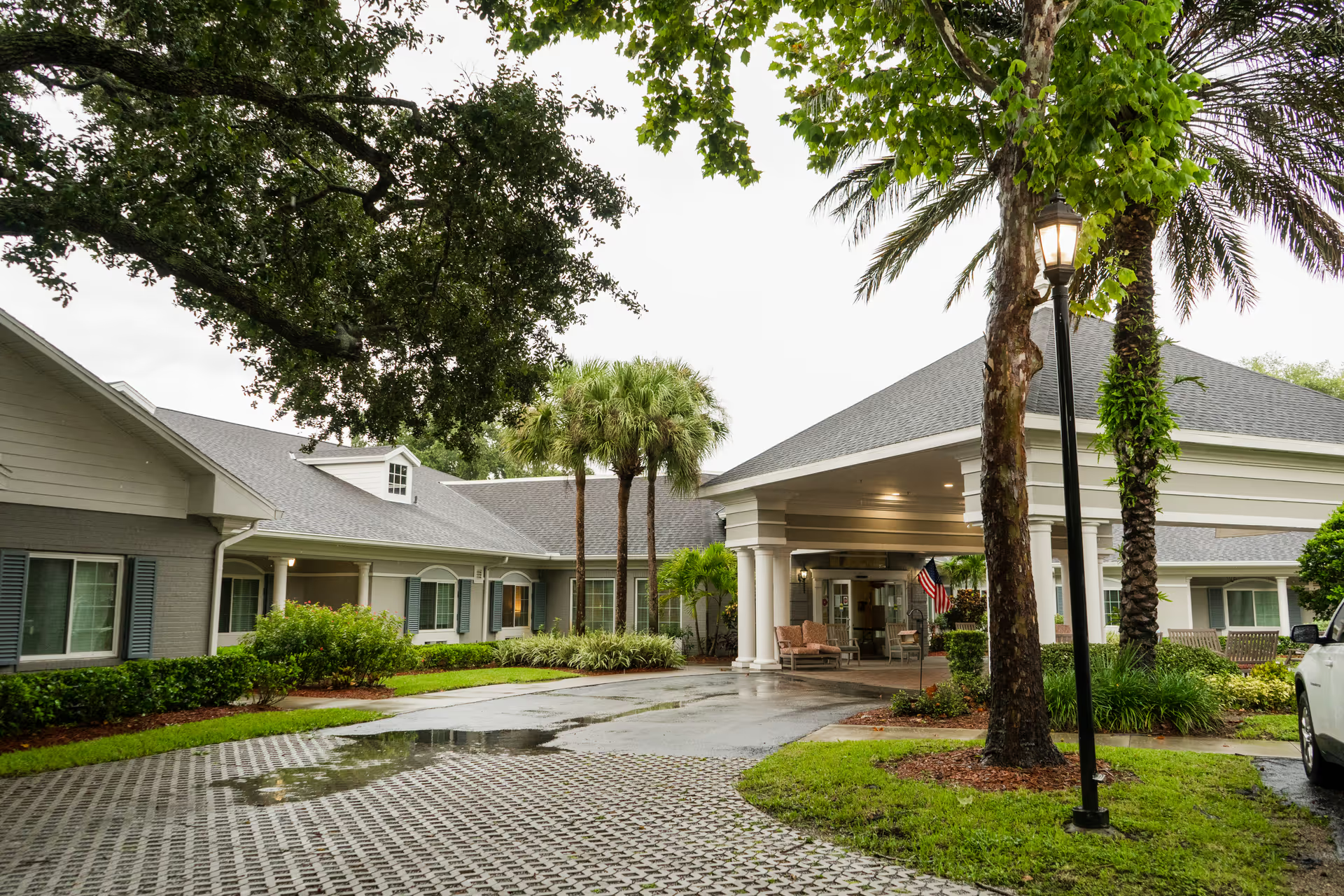
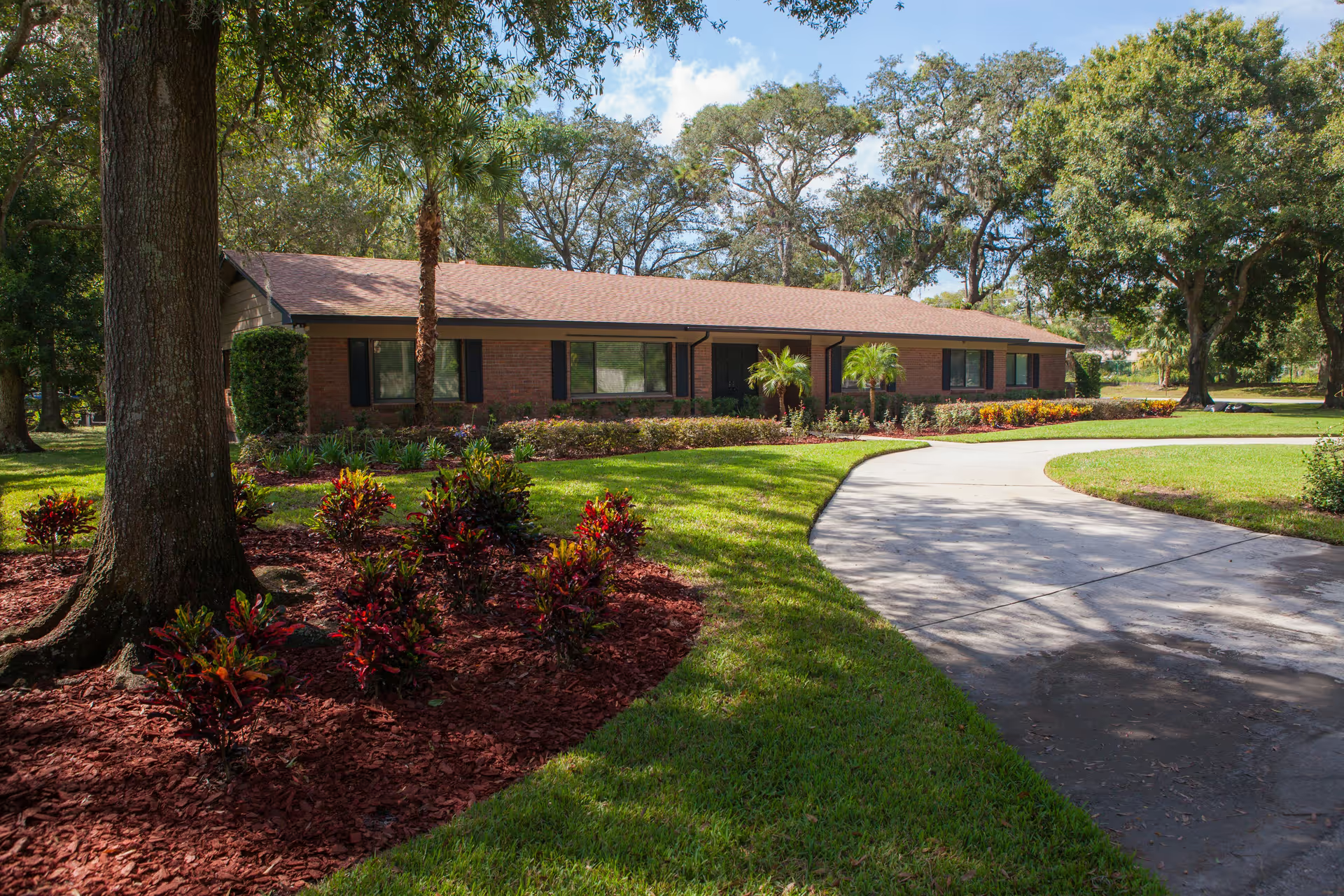
Carrollwood Care Center elicits a mix of strong positives and operational concerns. Many accounts describe a clean, well-maintained building with attentive housekeeping and laundry services, an approachable admissions process, and proactive administrative staff. The facility’s dietary team and kitchen are frequently praised for varied menus and meal management, and multiple families highlighted effective care-planning meetings and accessible communication with nursing leadership.
Clinical and daily-care strengths include a consistently noted cadre of compassionate CNAs and nursing personnel and a robust rehabilitation program. Physical and occupational therapy are highlighted as effective and outcome-oriented, with documented mobility improvements for some residents. The activity program appears broad and active — offerings such as Bingo, outings, coffee klatches, Wii tournaments and scheduled social events contribute to an engaging atmosphere and support social and cognitive needs, including dementia-focused approaches.
At the same time, a recurrent pattern concerns staffing and responsiveness. Reviewers described variable staffing levels (with weekend coverage identified as a common pressure point), delayed response to call lights, and occasional lapses in timely assistance. These operational constraints are associated in some accounts with delays in clinical interventions and medication-related concerns; such gaps represent a potential risk area and an item for prospective families to clarify during a tour or care-planning discussion.
Other operational patterns worth noting: shared rooms with close bed spacing and curtain dividers produce privacy concerns for some families; limited availability of private rooms is a facility-level constraint. Maintenance and room-condition reports are mixed — while many describe bright, newly decorated areas, others describe older fixtures and inconsistent upkeep. Several reviews raised sanitation and odor concerns in parts of the building and cited incidents of personal-item loss or inadequate item tracking, which suggest opportunities to strengthen property-management protocols. Noise levels and activity-related interruptions were also mentioned as factors that can affect resident sleep and comfort.
Management and leadership are generally viewed positively in many accounts, with admissions and business-office staff praised for logistical support and smooth transitions. However, there are also isolated but serious individual claims — including loss of personal items and concerns following adverse events — that some families experienced and that merit direct follow-up with facility leadership and, if appropriate, external oversight. Prospective residents and families should balance the facility’s clear strengths in therapy, day-to-day cleanliness, and staff compassion against variability in staffing, responsiveness, private-room availability, and maintenance. For decision-making, consider on-site observation of peak and off-peak staffing, review of incident-response protocols, and explicit discussion of personal-item safeguards and medication/clinical escalation pathways.