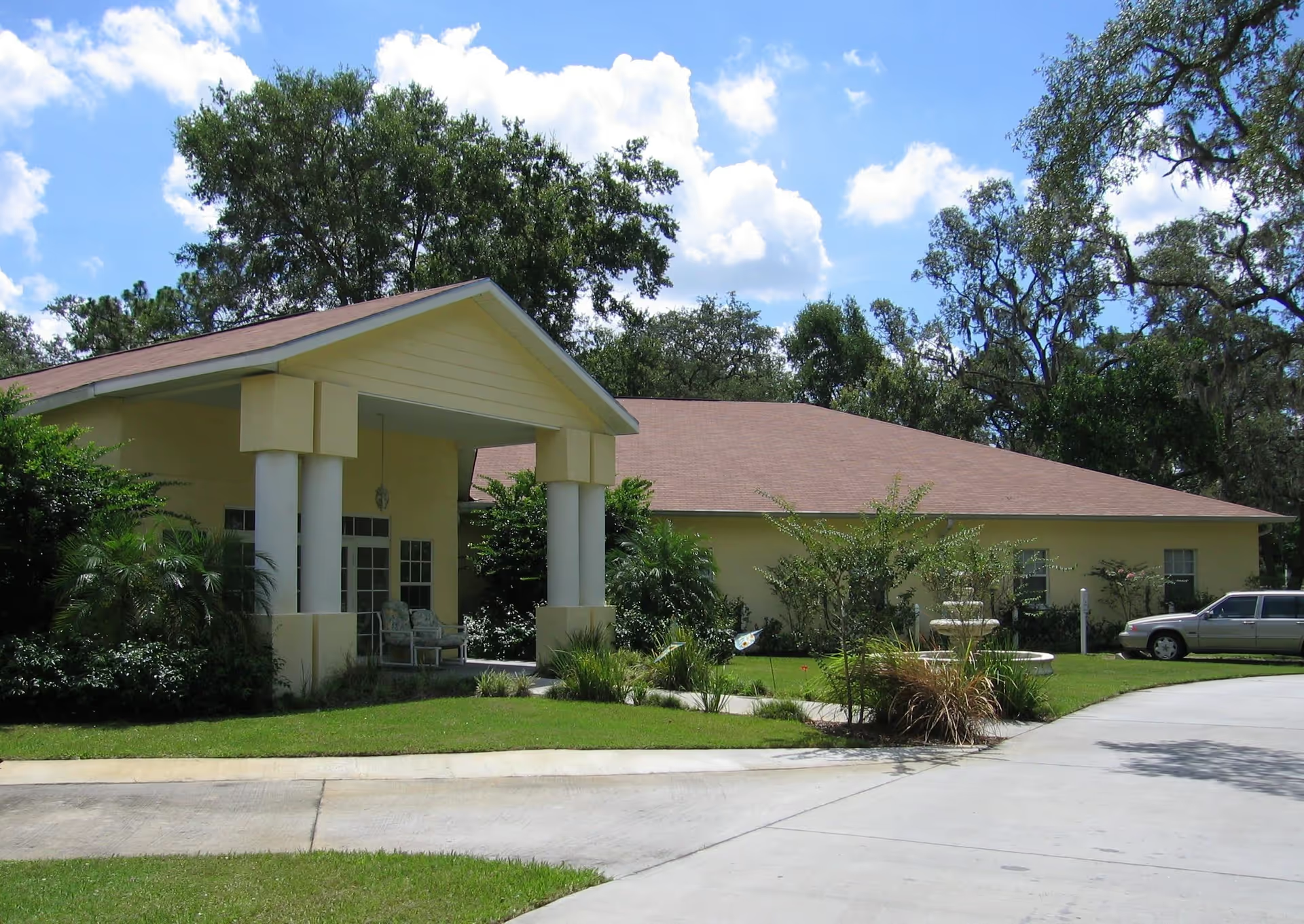
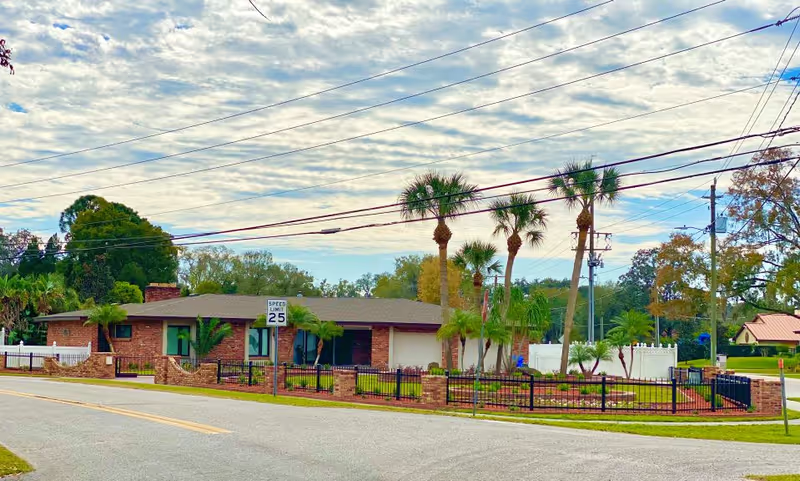
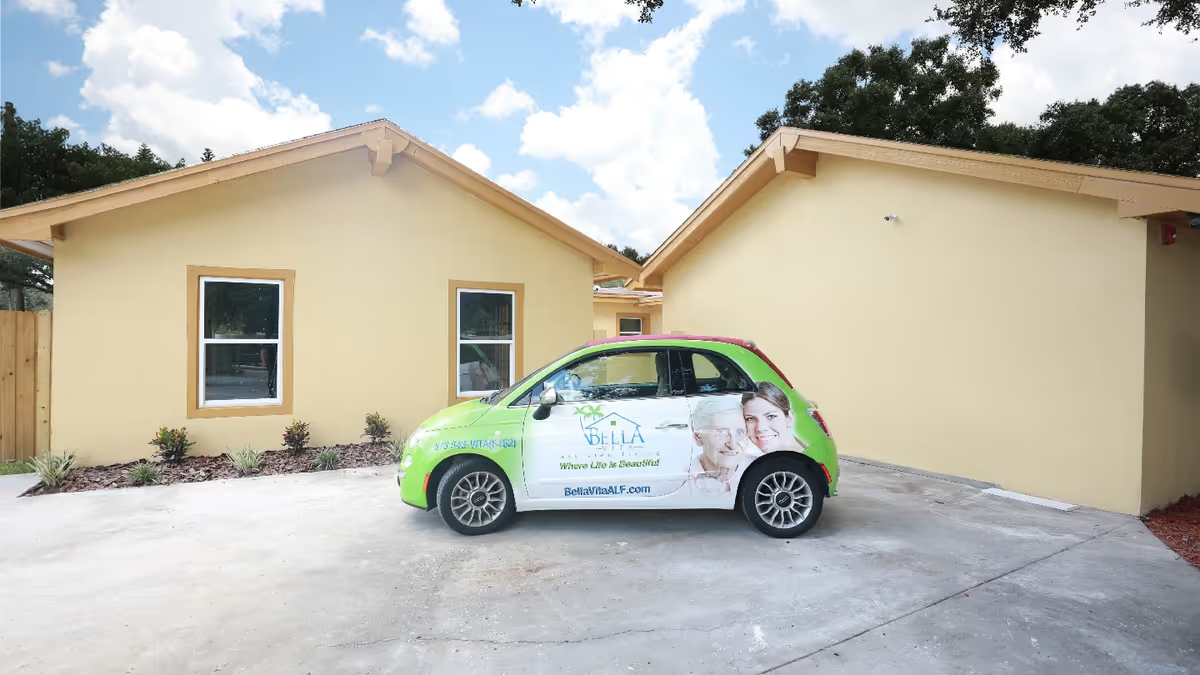
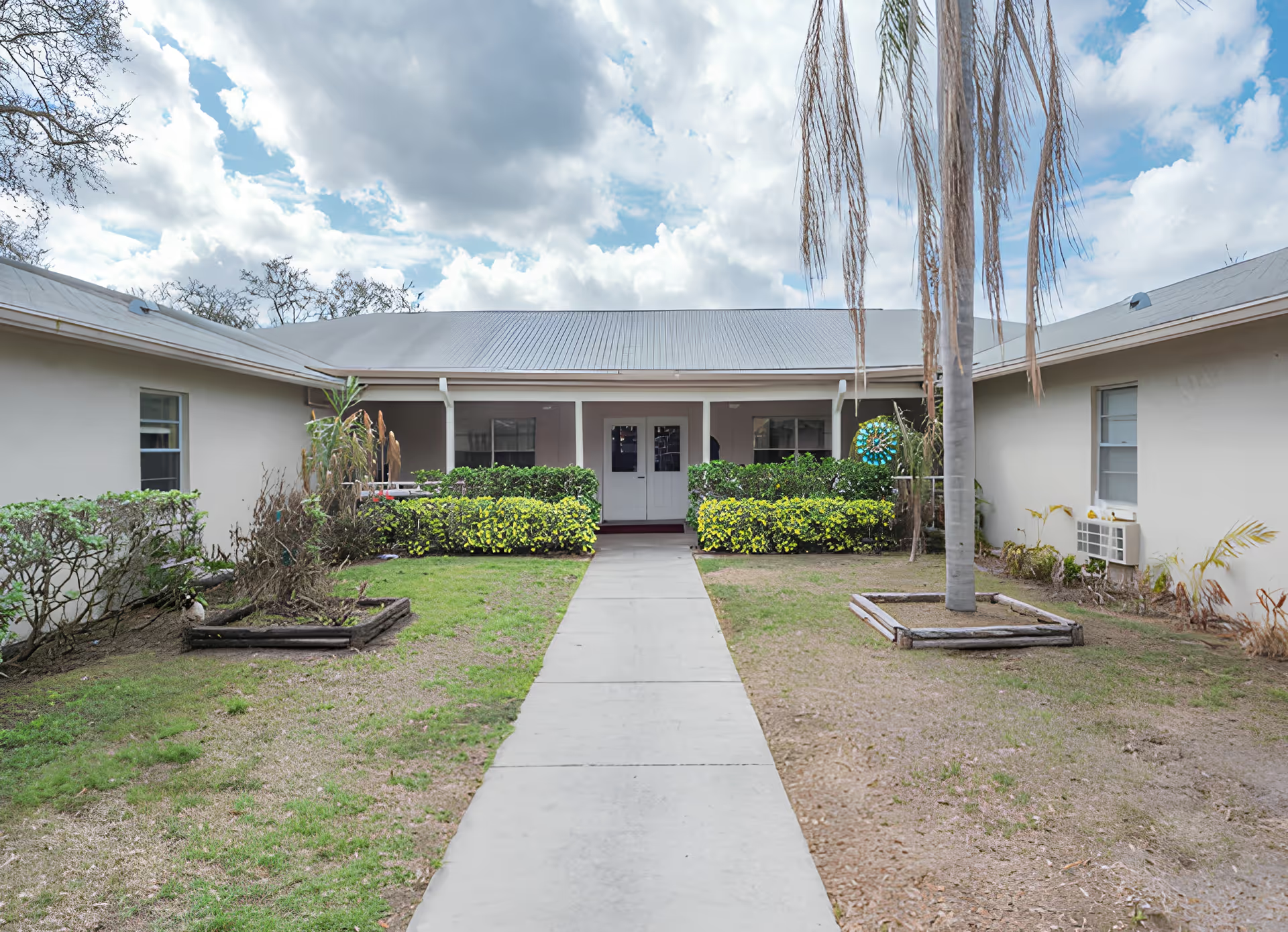
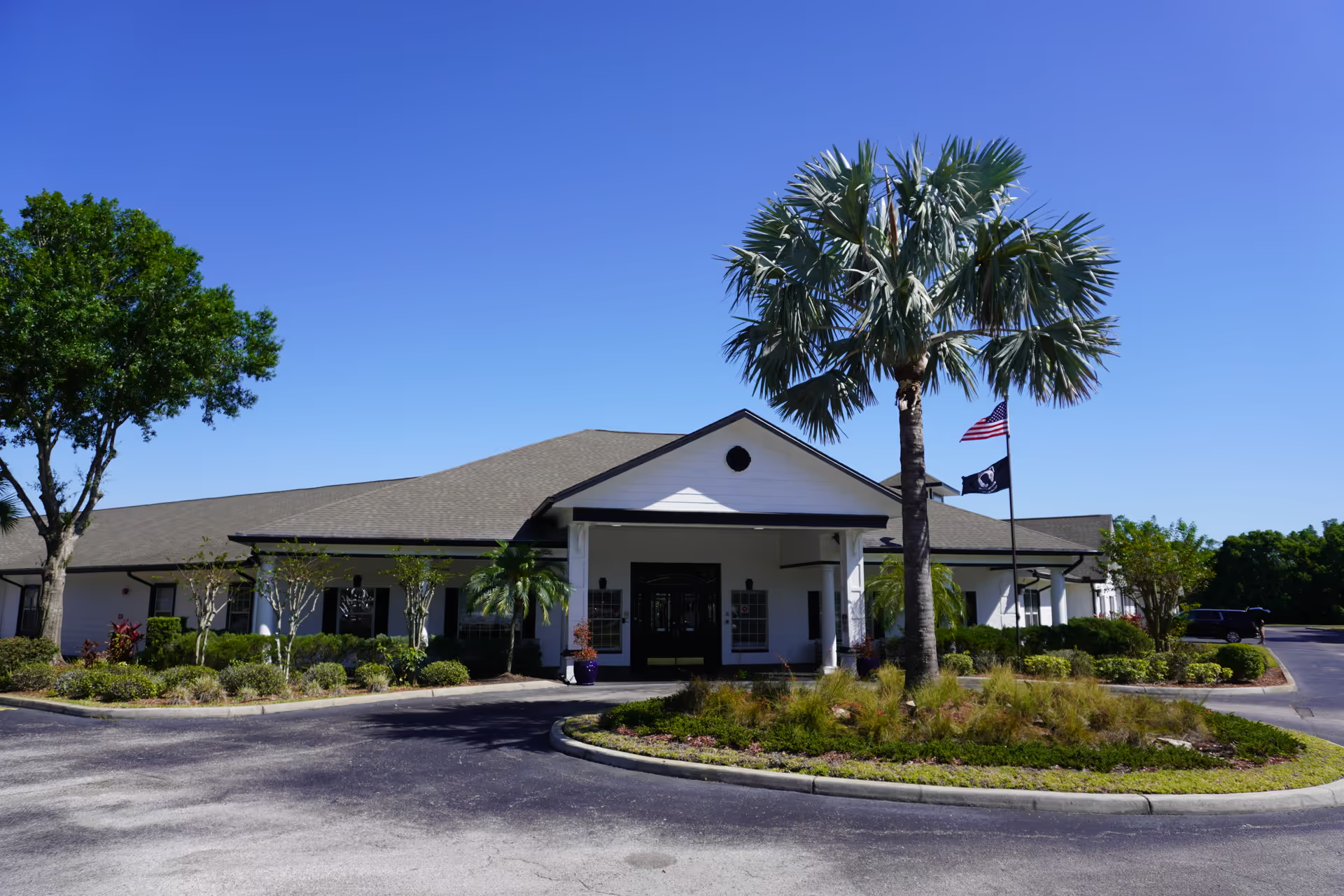
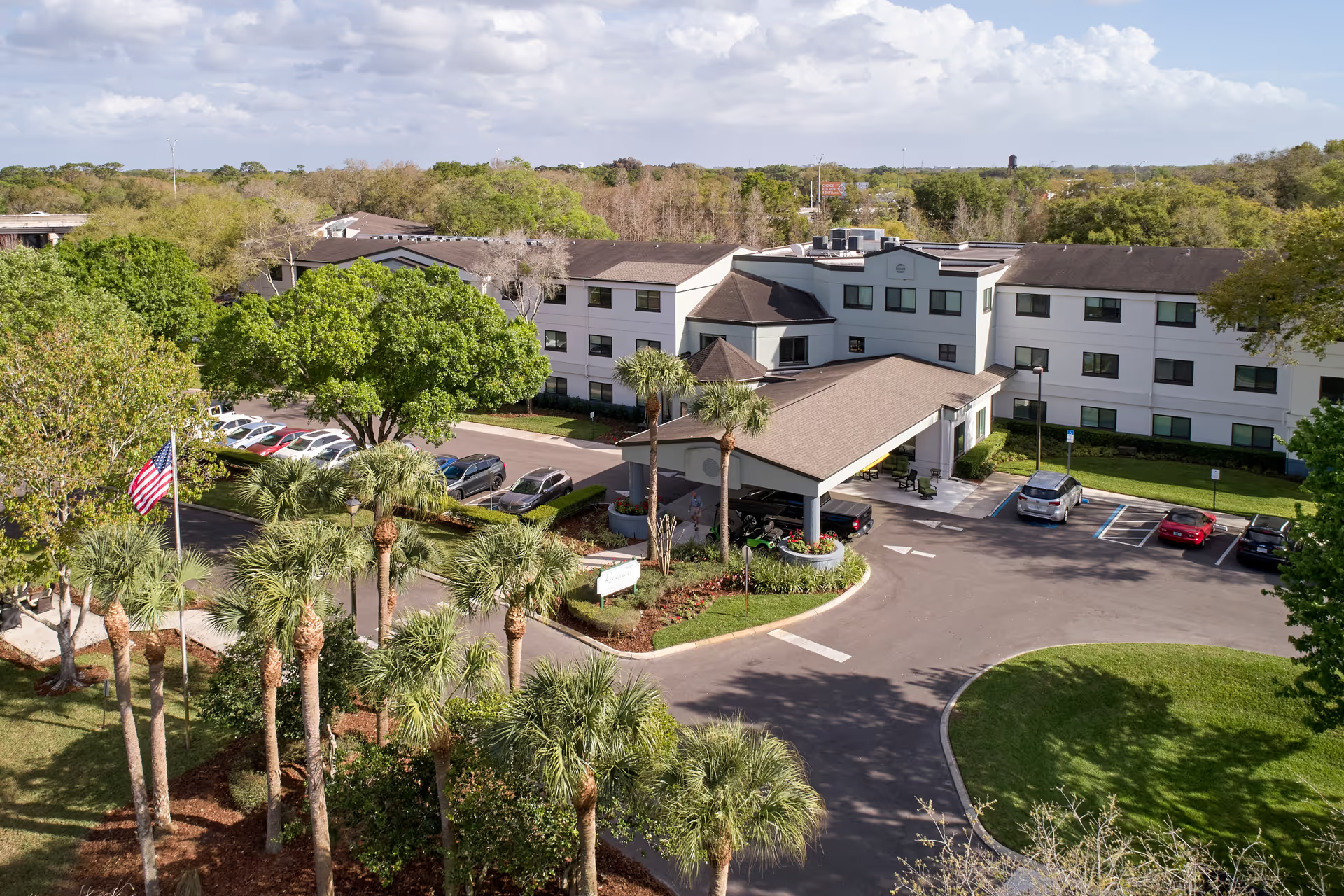
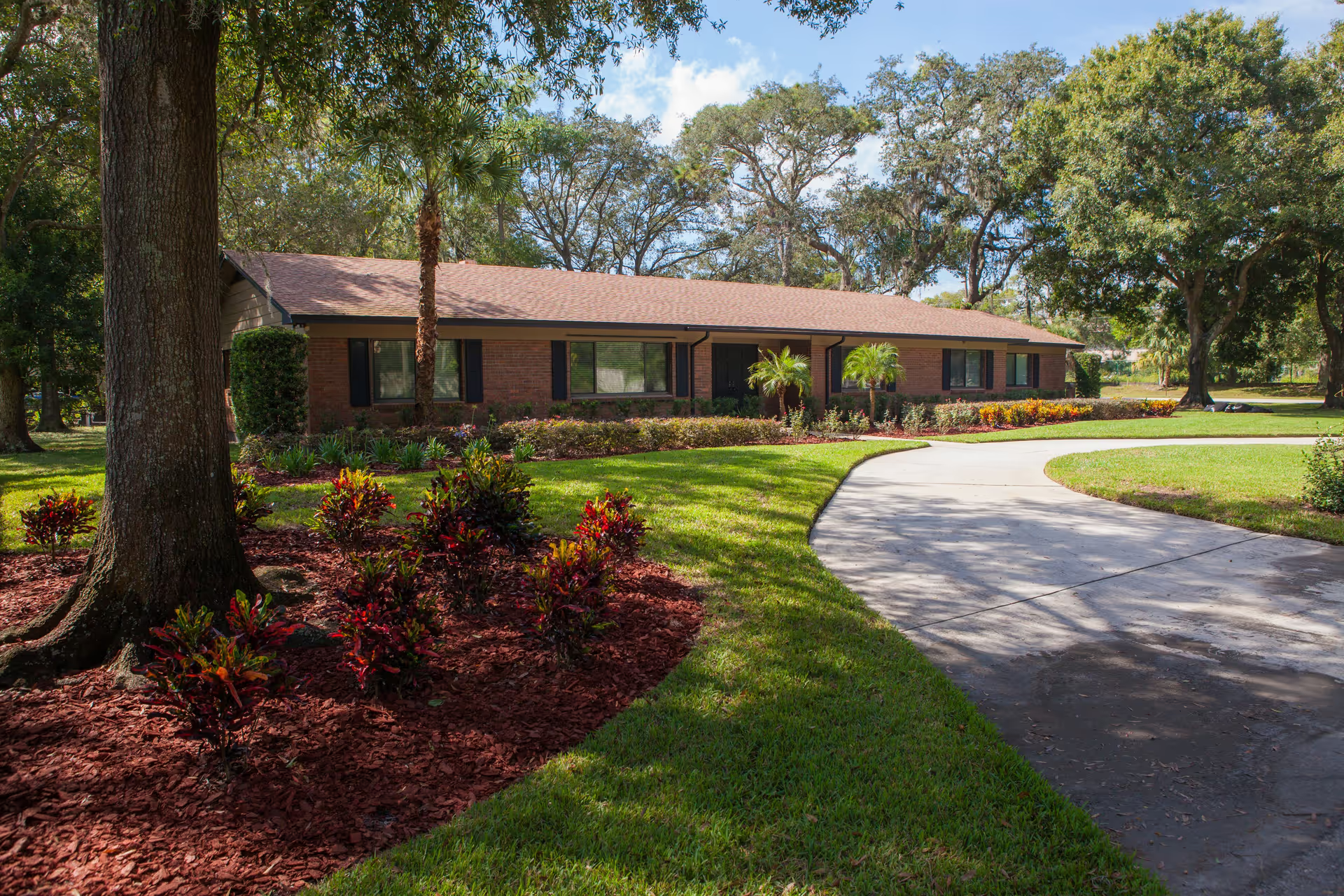
The reviews present a highly mixed picture of Fletcher Health and Rehabilitation Center. Positive accounts emphasize strong rehabilitative services — a well-equipped therapy gym, visible physical-therapy staff, wound-care support, and an on-site nutritionist — along with attractive common areas such as a modern lobby, clean patient rooms, and outdoor garden/courtyard spaces. Several families described helpful transportation, structured activities (art and outdoor exercise), and effective hospice or transition support in cases where that was needed.
Conversely, a substantial number of reviews raise operational and clinical concerns. Medication-management problems are a recurrent theme, including missed or delayed doses and inconsistent timing; some families linked these issues to hospital transfers. Staffing levels and organization are frequently cited as inadequate, producing long call-light response times, limited assistance with bathing and personal care, and inconsistent availability of aides and nurses. Reviewers also described gaps in physician coverage and brief or cursory medical evaluations, which families experienced as poor clinical communication and insufficient medical oversight.
Food service and dining continuity are inconsistent: reviewers noted poor food quality at times, menu accommodations not always implemented (for example, GERD diet requests), and occasional kitchen closures affecting meal availability. Facility maintenance is another patterned concern. While some areas are described as newer and well-maintained, other operational issues recur — broken or malfunctioning beds, worn furnishings, inconsistent temperature control, and TVs or equipment that do not function reliably — and reviewers reported limited follow-through on documented repairs.
Sanitation and resident-care hygiene are uneven across accounts. Several families described sanitation concerns and lapses in incontinence-related care or timely hygiene assistance. Safety processes also appear inconsistent: falls, transfer-safety problems, and monitoring gaps were described, as were instances where family communication about incidents was delayed or unclear. Reviewers additionally noted problems with staff conduct or professionalism in some interactions (verbal arguments among staff, brusque responses to residents or families) and limited Spanish-language support for residents and families with language needs.
In sum, Fletcher demonstrates clear strengths in rehabilitation services, on-site clinical resources, and some well-kept public and outdoor areas. At the same time, recurring operational weaknesses — inconsistent medication practices, inadequate staffing and responsiveness, maintenance shortfalls, dining variability, inconsistent personal-care delivery, and communication lapses — create notable risk areas for prospective residents. Families touring the facility should verify current staffing levels and schedules, medication-administration protocols, fall-prevention and incident-response procedures, maintenance logs for beds and equipment, meal-accommodation processes, language-access availability, and how the facility documents and communicates clinical changes or transfers to hospitals. These targeted questions can help assess whether the facility’s strengths align with an individual resident’s clinical and personal needs.