The reviews for Northdale Rehabilitation Center present a polarized picture: many families and patients describe high-quality rehabilitation, compassionate caregivers, and an active social environment, while other accounts identify operational and safety weaknesses that merit attention.
Care quality and clinical outcomes are frequently praised. Reviewers repeatedly highlight the strength of the therapy program — effective PT/OT work, measurable mobility gains, wound-healing support, and timely post-operative rehab. Individual clinicians and CNAs receive consistent positive mention for professionalism, clinical skill, and personal attention. Concurrently, a number of reviewers described serious clinical shortfalls, including delayed or missed medication administration, slow response to call lights, and incidents leading to emergency care. There are also a few serious individual allegations of injurious falls and subsequent hospital care; these items point to potential gaps in fall-prevention practices and in the facility’s incident response and family communication processes.
Staffing, conduct, and management impressions are mixed. Many reviews emphasize friendly, attentive front-desk staff, proactive care navigators, and managers who are responsive and family-focused. Conversely, other reviewers noted inconsistent staff conduct, slow assistance during some shifts, and problems with social-work and discharge coordination. Discharge and care-transition processes appear to be a recurrent operational pressure point: examples include late or missing durable medical equipment, home-health coordination failures, and billing or paperwork disputes. These reflect system-level coordination issues rather than isolated bedside care alone.
Dining and activities are strengths for many residents. The facility’s activities program is described as large, creative, and inclusive, with arts and crafts, television/computer access, pet visits, and family events. Meals are often described as colorful and accommodating to dietary needs, though a subset of reviewers found meal quality or consistency lacking at times.
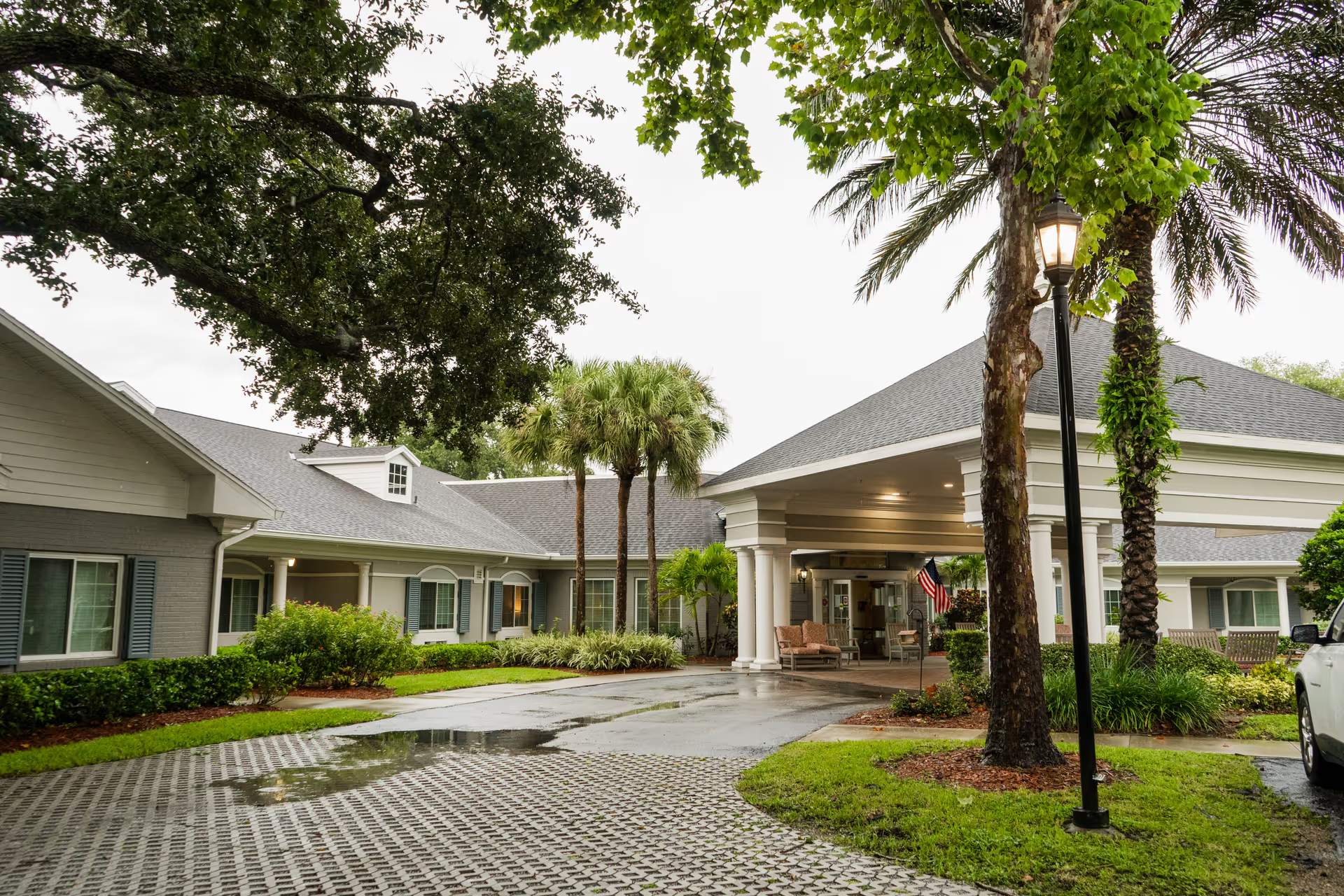
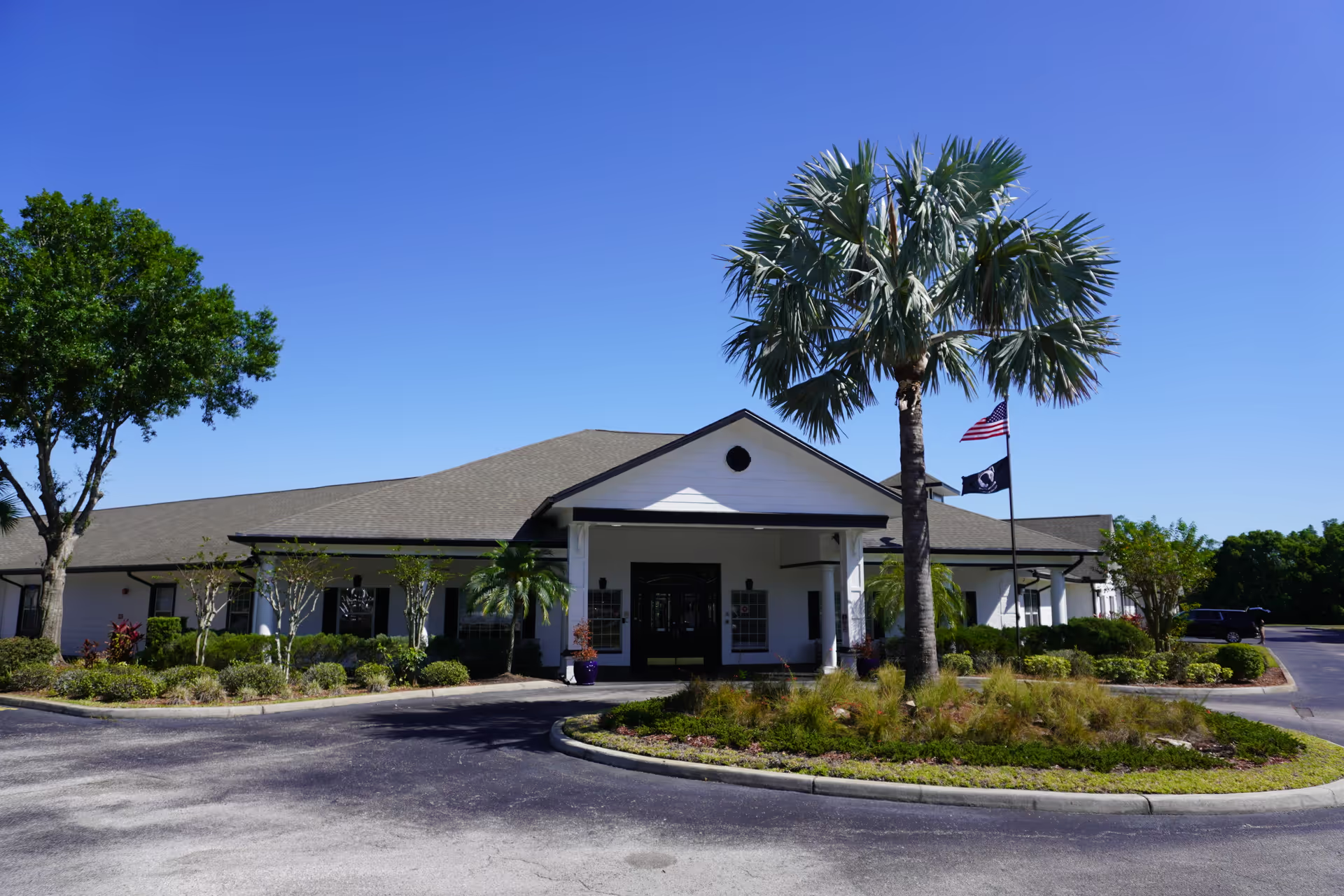
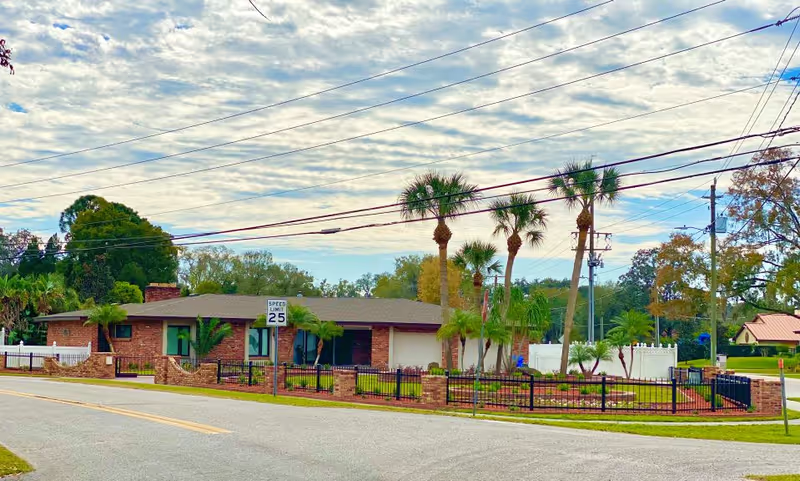
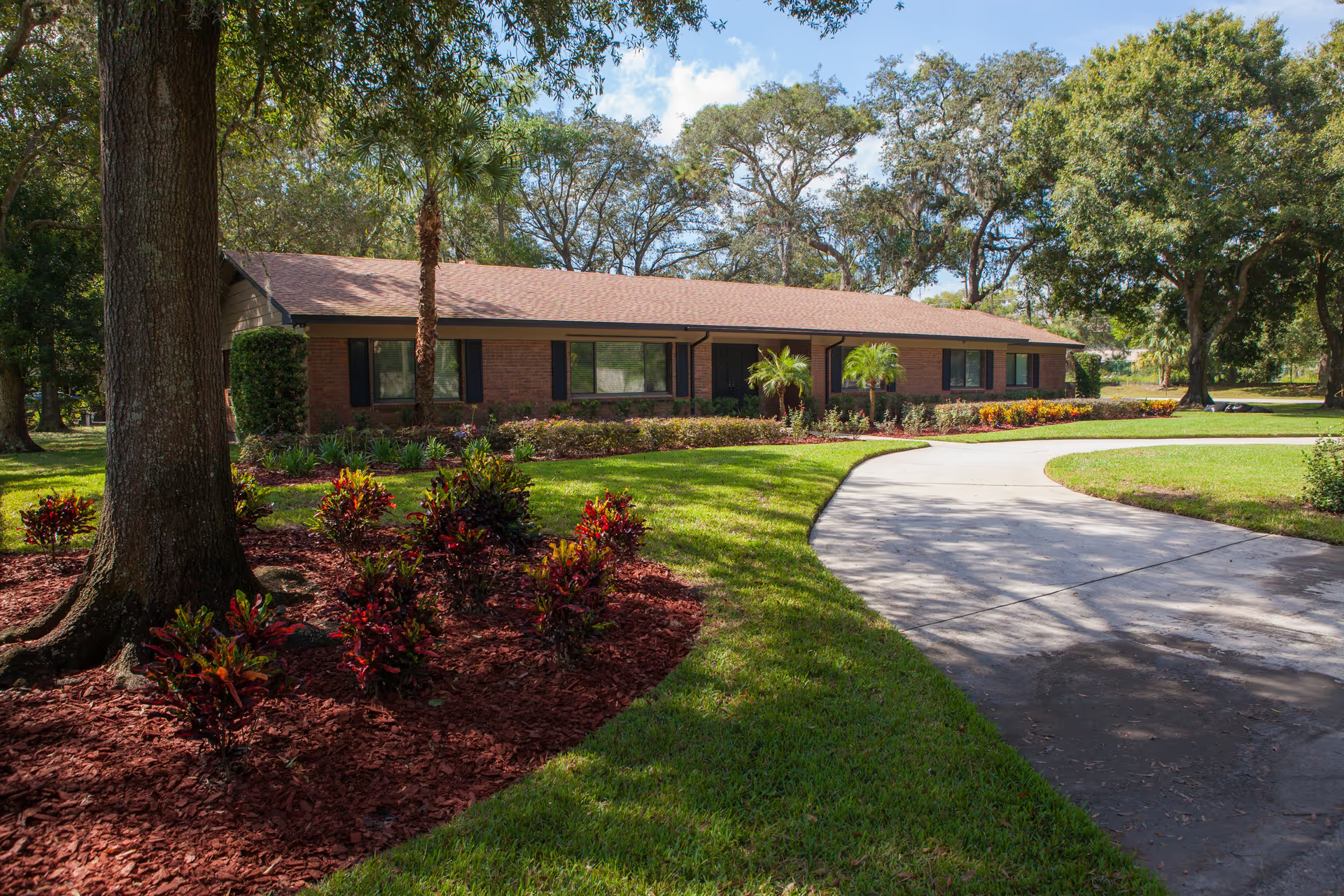
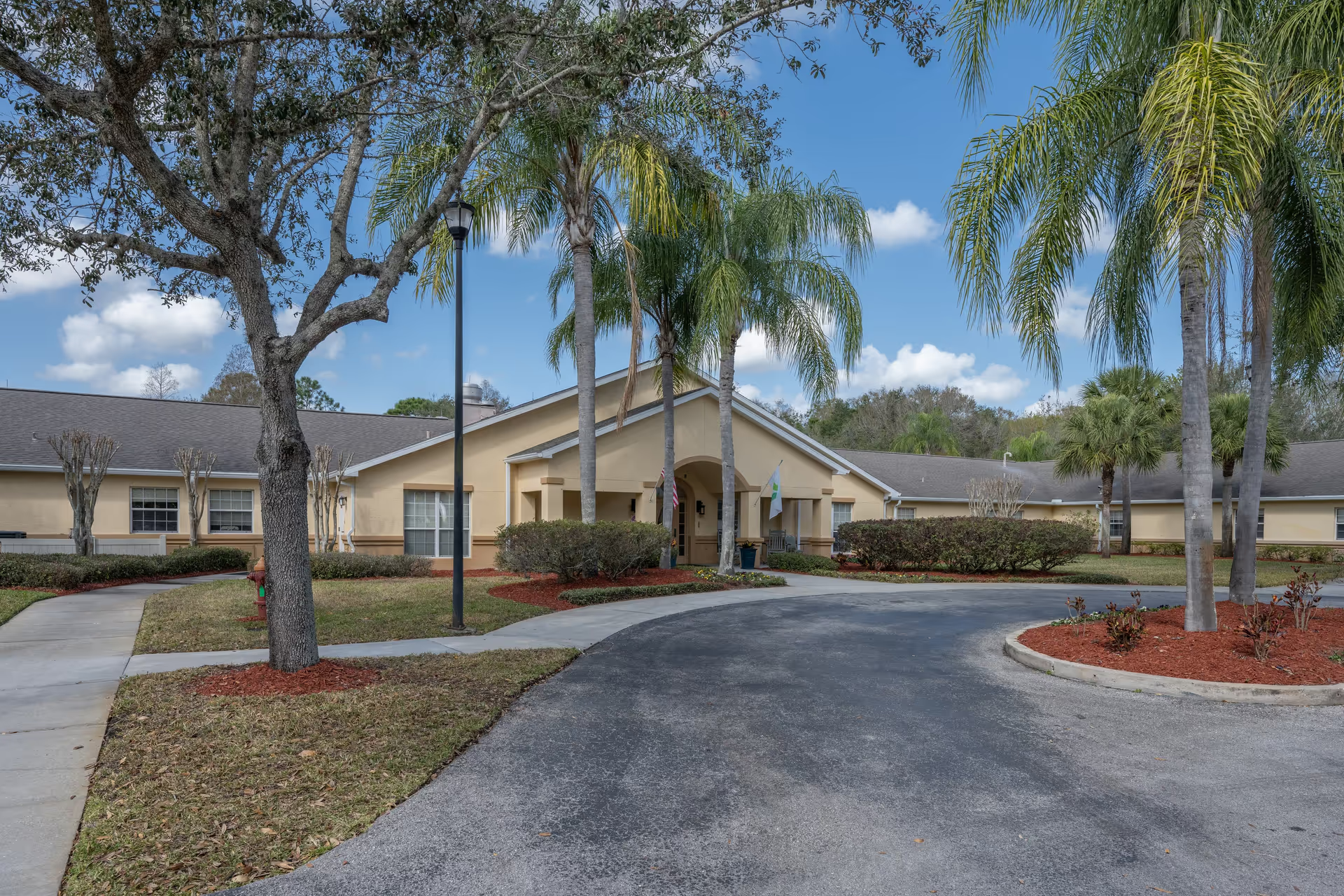
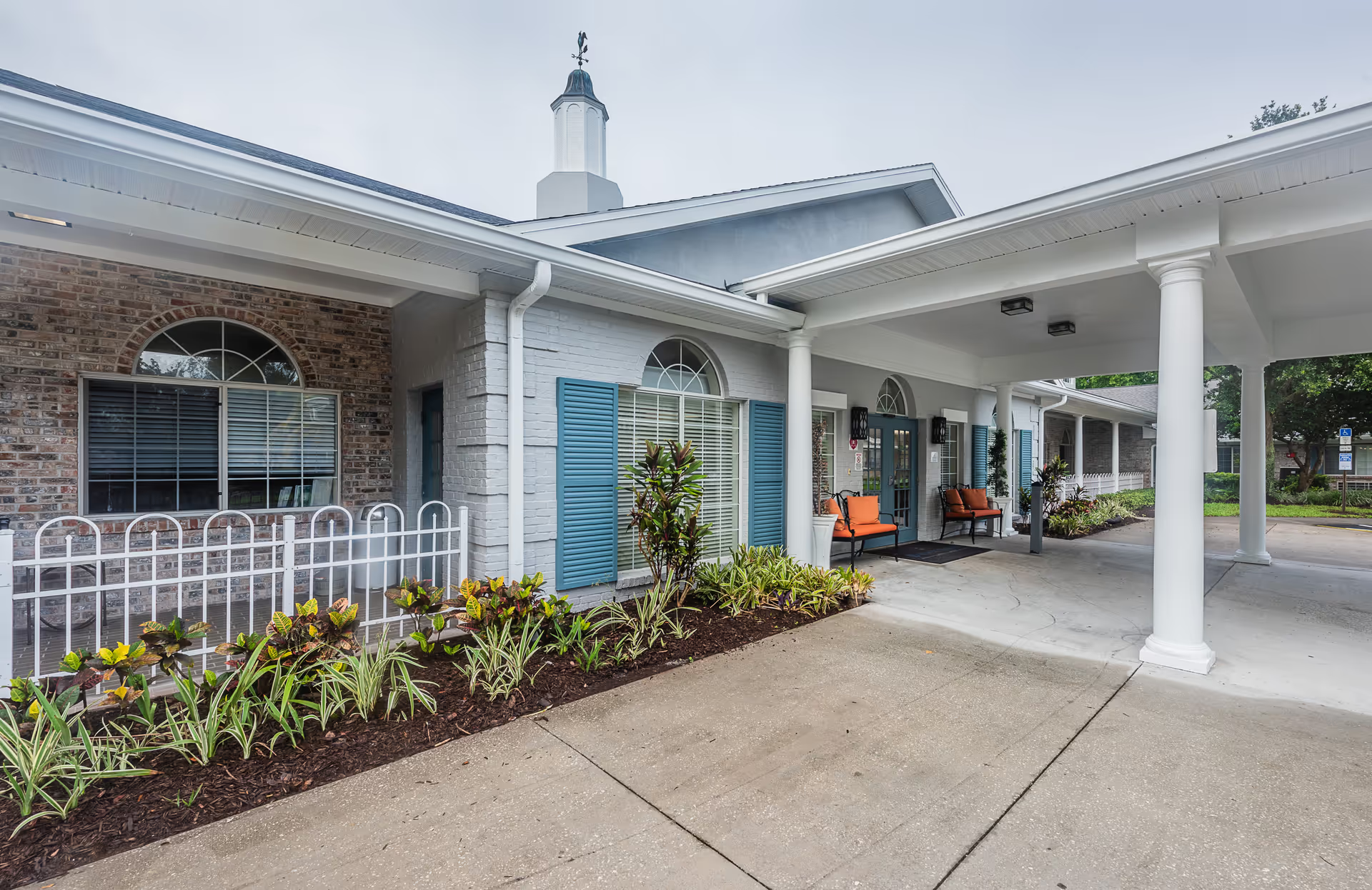
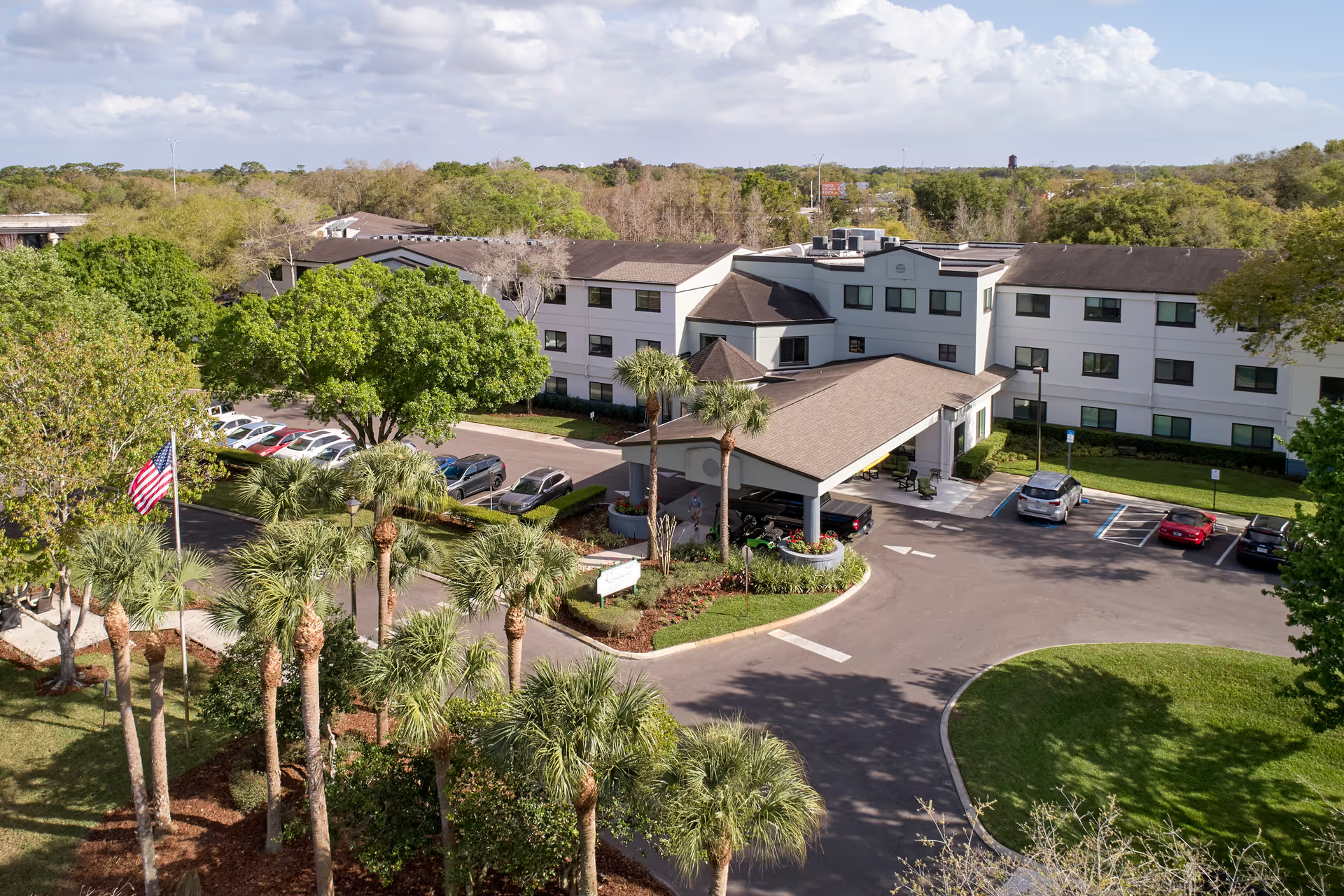
Facility condition impressions vary by unit and by reviewer. Common areas and halls are frequently described as clean and orderly, and several families noted modern, well-maintained spaces and appealing visiting areas (including outdoor options). However, other reviews describe sanitation issues at the room level, odor concerns, delayed room assignments, and occasional delays in providing appropriate beds or equipment. These discrepancies suggest variability by unit, floor, or shift.
Notable patterns: there is a strong, recurring praise for the clinical therapy teams and many front-line caregivers, which can lead to good rehabilitation outcomes and strong resident relationships. At the same time, recurring operational themes — inconsistent housekeeping/sanitation, staffing shortages affecting responsiveness, gaps in medication administration timing, fall-prevention weaknesses, and unreliable discharge planning — indicate areas that require managerial focus. Prospective residents and families should consider touring during meal and activity times, ask about staffing ratios and shift coverage, inquire specifically about incontinence-care and bathing schedules, fall-prevention measures (bed alarms, transfer protocols), medication administration processes, and the facility’s discharge/transition procedures and timelines. Reviewing recent inspection reports and seeking clarity on equipment delivery and billing practices may also help set expectations prior to admission.