Overall impression: Reviews describe a facility with a clearly strong rehabilitation program but uneven performance in other operational areas. The therapy teams (physical, occupational, and respiratory therapy) receive consistent praise for driving measurable functional improvement and providing supportive, motivating care. Several families singled out therapy staff as the primary source of attentive, skilled care during stays.
Care quality and clinical operations: Clinical performance appears mixed. Therapy services are a pronounced strength; however, there are recurrent concerns about nursing competence, responsiveness, and coordination. Families reported delays in responding to resident needs and inconsistent medication administration practices, with specific concerns about insulin management. There are also multiple notes about inadequate personal-care routines and gaps in wound-care processes that affected skin integrity. These describe operational patterns rather than isolated incidents and suggest areas where staffing, training, and clinical oversight could be strengthened.
Staff and culture: Reviewers describe a wide range of staff behaviors. Some units and named individuals were praised for attentive, compassionate care and good supervision; other comments indicate poor communication, gossip, and interpersonal tension among staff that can undermine teamwork. Staffing appears variable by unit, with some floors identified as markedly better staffed or managed than others. Admissions and some supervisors received positive mention for helpfulness and clear orientation information.
Dining and feeding support: Meal quality is described as inconsistent — issues include cold or repetitive meals and periods of unappetizing offerings. Equally important, several accounts note inadequate feeding assistance for residents who require help eating. Meal-service continuity and the availability of feeding support are areas to evaluate when considering placement.
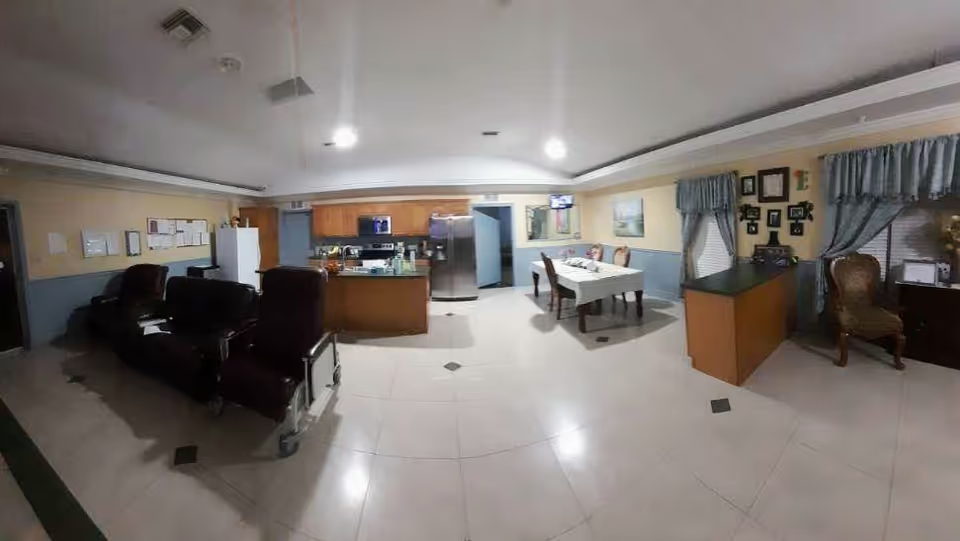
Facilities and maintenance: The physical plant is described as generally well-kept in many areas, and maintenance staff are often responsive to requests. At the same time, there are recurring operational problems such as malfunctioning call bells, bed lights, and intermittent climate-control issues. Sanitation and cleanliness inconsistencies are also reported, including concerns about personal hygiene care and communal-area upkeep. These mixed observations suggest that environmental standards may vary across units and shifts.
Management, communication, and administration: Families identified communication and care-coordination gaps between clinical teams, social services, and billing/insurance staff. Several reviewers experienced discharge-planning delays and difficulty resolving billing or insurance matters. While some administrators and supervisors are viewed positively, the facility would benefit from clearer, more consistent family communication protocols and improved discharge/billing workflows.
Notable patterns and recommendations: The most consistent positive signal is the strong rehab/therapy capability — patients seeking intensive, outcomes-focused rehabilitation may find this facility effective. The most consistent areas of concern are nursing consistency, responsiveness to basic-care needs, medication-management practices, and feeding and hygiene support. Prospective residents and families should consider asking targeted questions before admission: unit-specific staffing ratios and training, medication-administration safeguards (particularly for insulin), protocols for incontinence and bathing, wound-care oversight, meal-assistance procedures, and how discharge planning and insurance coordination are handled. Site visits focused on the specific unit and meetings with therapy, nursing leadership, and admissions staff will help clarify whether this facility’s strengths align with a prospective resident’s priorities.