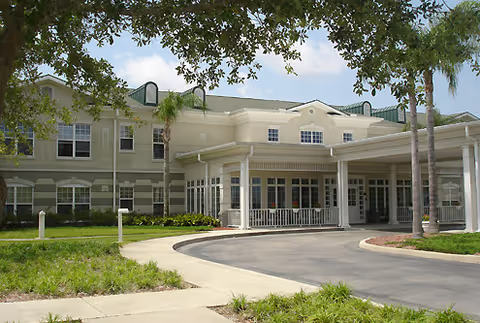
Royal Oaks presents a mixed but instructive profile. Many accounts highlight consistently positive operational elements: the building and grounds are frequently described as attractive, well maintained and odor-free; communal spaces and a pleasant courtyard support socialization. The facility offers a range of on-site amenities (salon, podiatry, gym) and restaurant-style dining with an on-site chef and daily treats, which contributes to a resort-like atmosphere for some residents.
Rehabilitation and therapy services are a clear strength. Multiple families and former residents praise the physical and occupational therapy teams by name and describe measurable functional gains and successful returns to daily activities. Therapists and social-services staff are frequently noted as organized, proactive, and effective in discharge and care coordination.
Staff performance is variable. Many reviewers praise compassionate CNAs, nurses and front-line staff who provide attentive care and engagement. At the same time, there are recurring comments about inconsistent staffing levels (particularly nights and weekends), delayed responses to call lights and basic care needs, and variability in staff tone and professionalism. These operational inconsistencies appear to be the principal driver of negative family experiences.
Clinical and care-process concerns are clustered around medication/pain-management, incontinence-care and linen-change responsiveness, and occasional gaps in admission assessment or ongoing clinical oversight. Several families described delays or inconsistencies in pain medication administration and in assistance with toileting and hygiene tasks; these reports suggest process weaknesses rather than uniformly poor practice. Laundry management and missing personal items are also a recurrent administrative issue.
Communication and administrative transparency are mixed. Some families find leadership accessible and responsive, while others describe poor communication about clinical status, discharge timing, insurance coverage and billing. There are also accounts of contested discharge decisions and questions about the discharge process and financial responsibilities; these point to opportunities for clearer policies and family-facing information.
Finally, while many reviews describe a high level of satisfaction with daily life — dining, activities, rehabilitation and specific staff — a subset of reviews raises serious concerns, including post-event handling and unresolved clinical issues. These are presented as isolated but significant allegations and, according to some accounts, have prompted regulatory attention. Prospective residents and families should weigh the facility’s strong therapy program, engaging activities and attractive environment against variability in staffing, responsiveness, clinical communication and certain administrative processes. When considering Royal Oaks, visiting during different shifts, asking specific questions about staffing patterns, clinical oversight, infection-control and discharge/billing procedures, and confirming how individual care needs will be met can help set clear expectations.