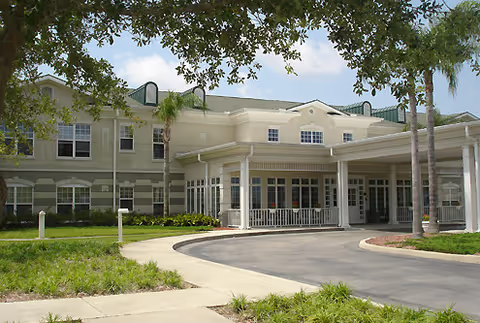
Overall impression: Reviews for Vista Manor are mixed, with a clear split between strong praise for therapy services, certain caregiving staff and communal amenities, and repeated concerns about nursing-level care, staffing consistency, cleanliness, and management follow-through. Families and residents frequently cite outstanding rehabilitation outcomes and several consistently helpful frontline staff, while also describing operational weaknesses that affect day‑to‑day resident experience.
Care and clinical oversight: The facility is credited for its therapy programs — physical and occupational therapy are frequently described as professional and effective, and some reviewers attribute functional improvement to these services. Physician assistants and clinicians are noted to visit regularly in some cases, and medication dispensing is efficient at times. Contrastingly, there are persistent accounts of inconsistent nursing care quality, delays in medication timing and supply management (including insulin availability), gaps in monitoring for residents with complex needs, and instances that raised bed‑sore risk and safety concerns. These patterns suggest variability in clinical oversight between shifts and units.
Staffing and conduct: Nursing aides, certain CNAs, and some named staff receive high praise for compassion and responsiveness; these staff are cited as a primary reason families recommend the facility. At the same time, reviewers report chronic understaffing, high reliance on temporary agency personnel, and frequent staff turnover, which contribute to inconsistent care continuity. Several accounts raise concerns about staff professionalism and communication tone, as well as distraction on shift. These conduct and staffing issues appear to be a key driver of the more serious care-related complaints.
Dining and activities: Dining receives mixed feedback. Multiple reviewers describe varied, well‑prepared meals and engaged dietary staff or dietician involvement, while others characterize the food as bland or inconsistent. The facility offers a range of activities — bingo, chapel services, salon access and other recreational programming — and many residents find the social calendar satisfactory; however, activity availability has been disrupted at times due to infection‑control restrictions or staffing limitations.
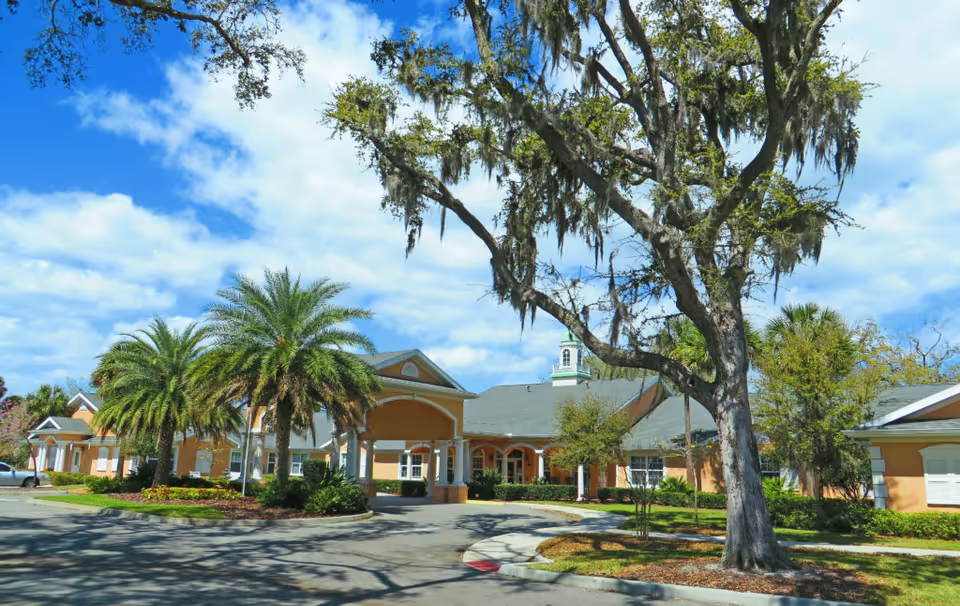
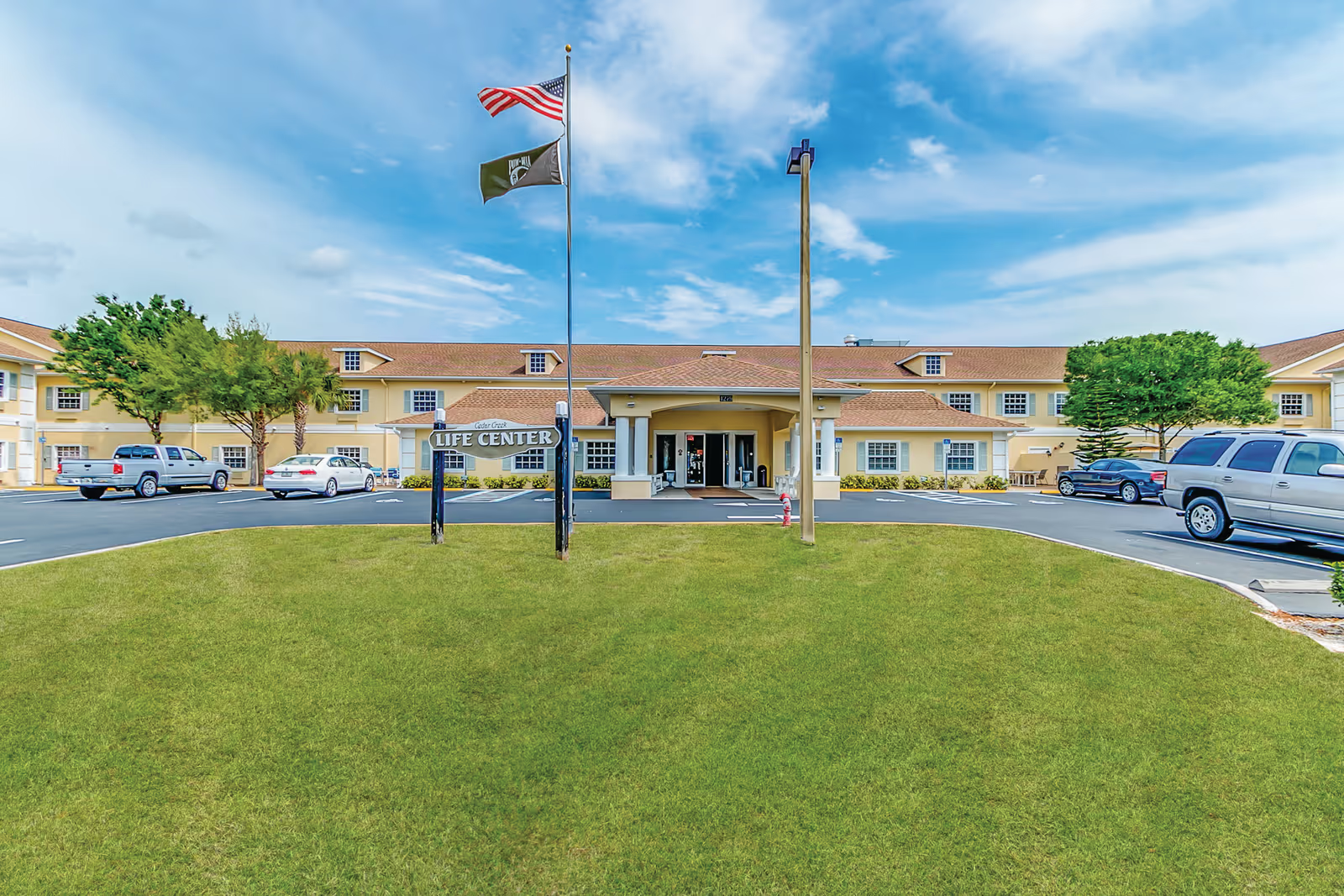
Facilities and cleanliness: The physical plant elicits polarized impressions. Many common areas, floors and the courtyard are described as clean and well maintained, and private rooms with en‑suite bathrooms are a positive. Conversely, other reviewers report variability in room cleanliness, maintenance issues (mold or window problems, outdated furnishings, and areas needing painting), odor concerns in certain locations, and pest‑control issues in some units. This suggests uneven housekeeping and preventive‑maintenance practices across the facility.
Management and communication: Some reviewers praise responsive administrators and note successful ownership transitions and concrete improvement efforts. Others report difficulties with communication, slow managerial follow‑up, unexplained resident transfers or placement on problematic lists, and unresolved personal‑property issues. There are also claims about lost or missing clothing and allegations of theft, which families should consider when evaluating safeguards.
Notable patterns and guidance: The dominant pattern is one of uneven performance — strong rehabilitation services and several committed frontline caregivers coexist with systemic staffing, cleanliness and communication challenges. Prospective residents and their families should: visit at different times of day to observe staffing and responsiveness; ask about current staffing ratios, use of agency nurses, infection‑control and pest‑control procedures; review medication‑management and supply processes; inquire about bathing and incontinence‑care schedules; and request recent regulatory surveys and management action plans. Meeting direct-care staff and the therapy team, and clarifying how management handles complaints and lost‑property incidents, will help determine whether the facility’s strengths align with a prospective resident’s needs.