Reviewers describe Trinity Regional Rehab Center as a facility with a strong rehabilitation focus and many staff strengths, paired with operational inconsistencies that affect the resident experience. The rehabilitation department—physical therapy, occupational therapy and speech therapy—is repeatedly cited as a major positive: therapists are described as skilled, motivating, and effective at producing measurable functional gains. Many families and residents reported daily therapy, good equipment and structured programs that helped progress toward discharge goals.
Staffing and direct care present a mixed picture. Numerous reviewers praised individual nurses, CNAs and front-desk personnel for being kind, attentive and communicative; several named administrators and social workers as responsive and helpful. At the same time, the facility appears to experience persistent staffing variability—particularly on evening and night shifts—which reviewers linked to slower call-light responses, longer waits for toileting and bathing assistance, inconsistent supervision, and variable bedside manner. These operational patterns contributed to family concerns about timeliness of personal-care tasks and overall monitoring.
Dining and nutrition receive highly mixed feedback. Some families appreciated dining-room service and particular meal options, while others reported frequent meal delays, incorrect or missing orders, limited menu choices, and difficulties getting meals aligned with dietary restrictions. Meal temperature and consistency were recurring concerns. The facility does have dining amenities and staff willing to accommodate preferences in many instances, but the reliability of meal delivery and dietary coordination is uneven.
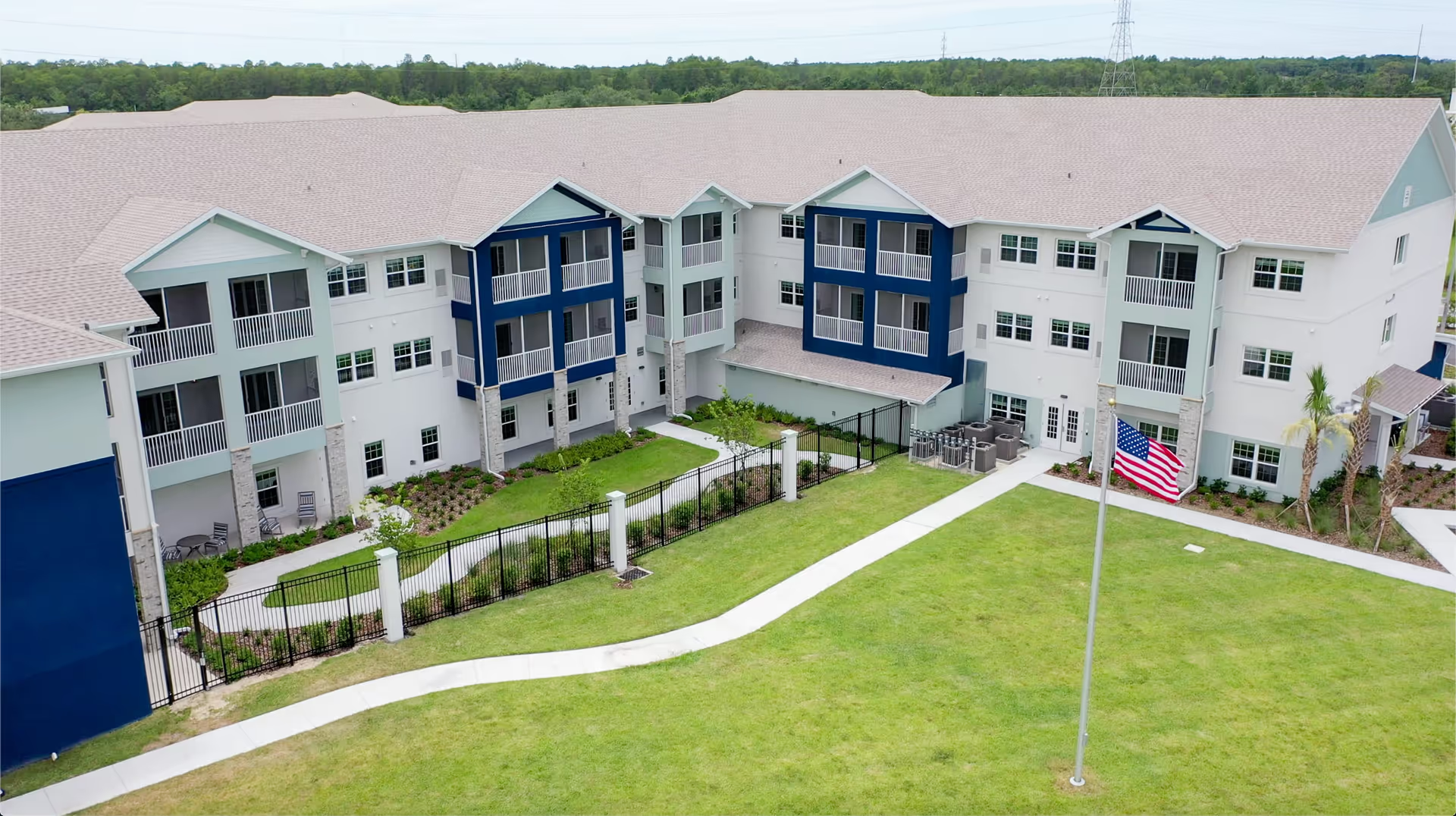
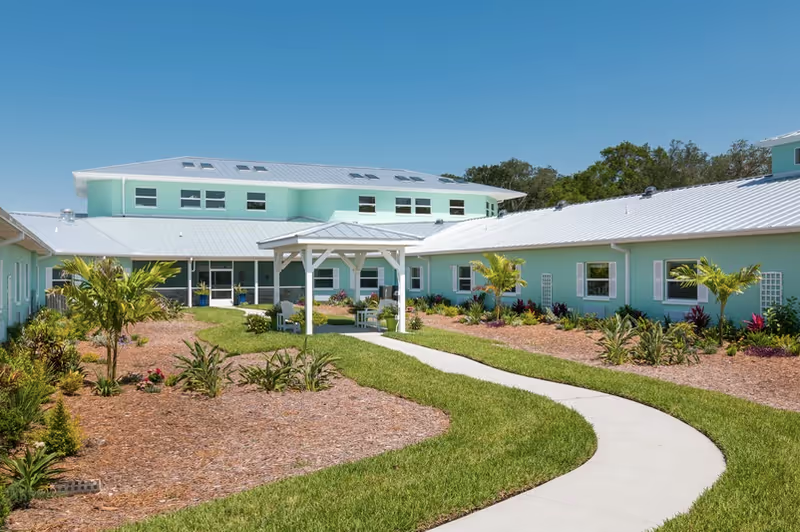
Facility condition and amenities are also described variably. Many accounts highlight a clean, bright, well-maintained interior with pleasant communal spaces (dining rooms, gazebo, hair salon) and proactive housekeeping. However, there are repeated mentions of sanitation issues and odor concerns in certain rooms or areas, occasional pest-control concerns, and inconsistent linen- and shower schedules. These discrepancies suggest that cleanliness standards are generally strong in some units but not uniformly maintained across the entire facility.
Communication and management responsiveness show both strengths and weaknesses. Positive experiences include frequent family updates, proactive case management, and administrators who engage directly with families. Conversely, reviewers also described phone-access difficulties, messages that were not returned promptly, inconsistent interdepartmental coordination (for example, between therapy and nursing), and a few serious concerns about billing practices and missing personal items. There are isolated allegations of aggressive billing interactions and missing belongings; these would merit direct clarification from management.
Notable patterns to weigh for prospective residents and families: 1) If rehabilitation intensity and therapist quality are highest priorities, Trinity is frequently recommended. 2) If round-the-clock staffing reliability, prompt personal-care responses, consistent meal service, and uniform sanitation across all units are essential, families should probe current staffing ratios, night-shift coverage, call-light response policies, dietary accommodations, pest-control protocols, and billing/financial procedures during a tour. Asking for examples of recent staffing metrics, medication-administration protocols, and family communication practices can help set expectations and identify whether the facility’s strengths align with a particular resident’s needs.