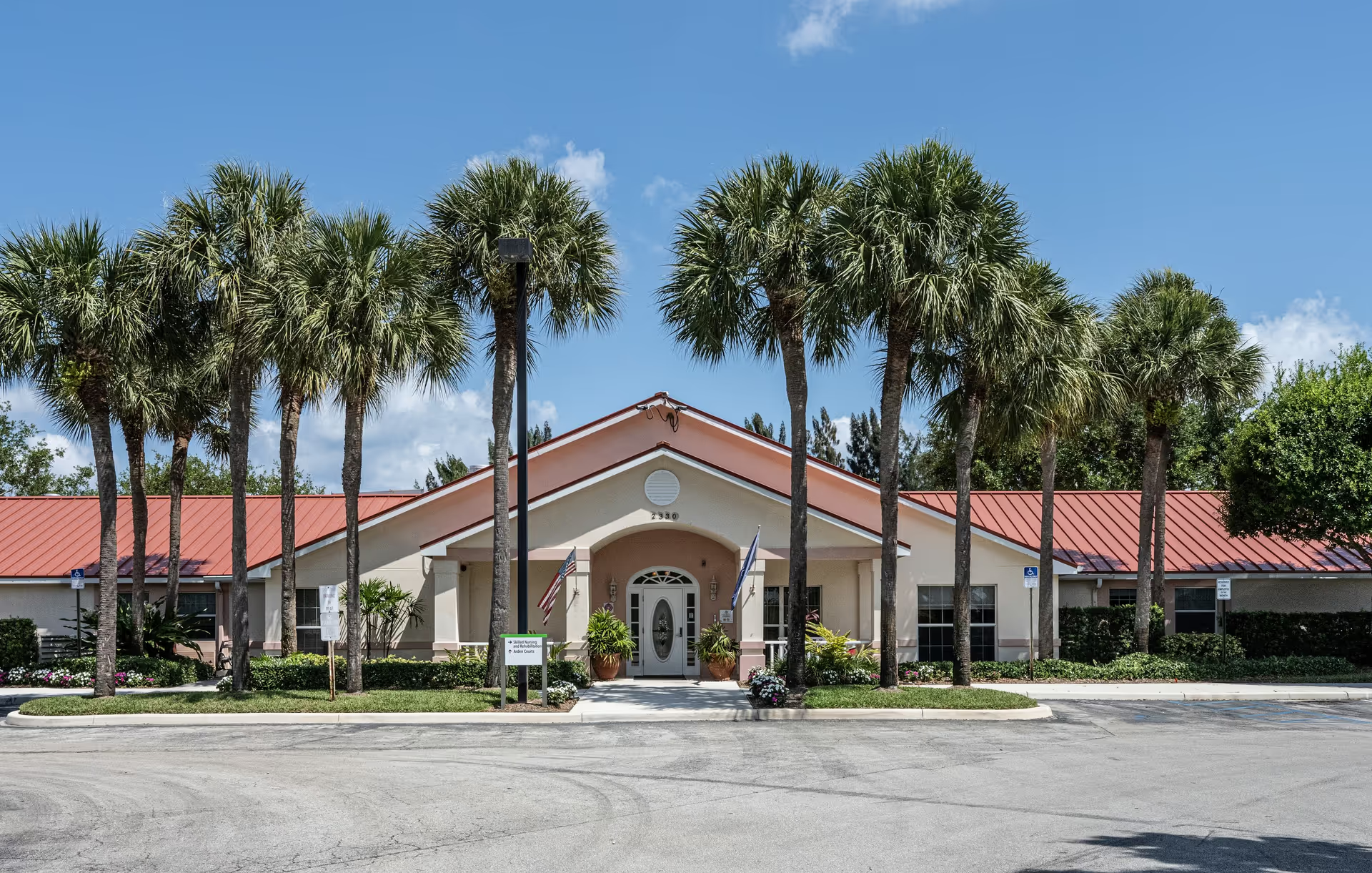
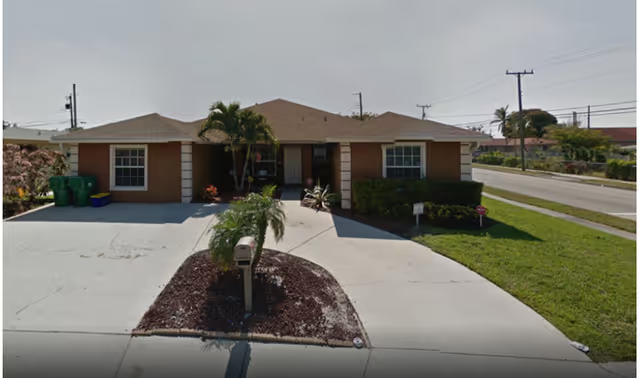
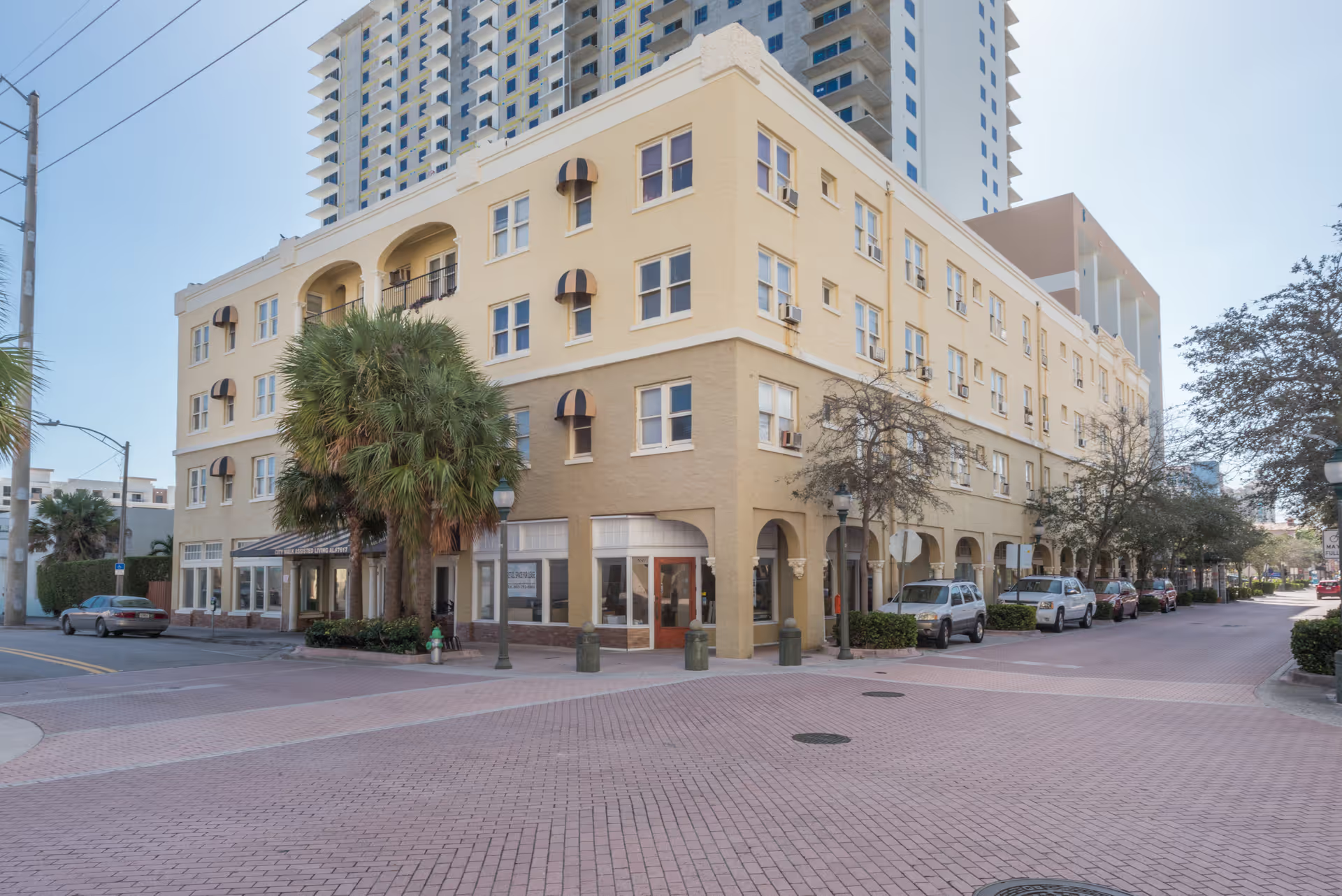
Reviews indicate a facility with a well-kept, welcoming physical environment and several strong support services, alongside recurring operational shortcomings that affect resident safety and satisfaction. Positive comments emphasize approachable frontline staff, useful social-work and dietary involvement, consistent meal delivery, clean common areas, and dependable laundry service. These strengths suggest the facility can provide comfortable surroundings and basic supportive services when routines function as intended.
Care quality appears uneven. Several reviews describe delays in staff response to resident requests and call lights, and there are multiple references to gaps in care coordination and therapy scheduling. Those issues manifest operationally as missed or delayed assistive interventions and inconsistent implementation of prescribed supports (for example, orthotic or mobility-assist devices not being applied reliably). There are also concerns about medication-management practices and the tone or conduct of some therapy staff, which together point to variability in clinical oversight and training.
Staffing and communication show a mixed picture. Families praised individual employees — particularly social-work and dietary staff — for helpfulness and responsiveness, while other accounts cite aides who are difficult to reach or communicate with and a therapist whose behavior was perceived as unprofessional. This pattern suggests frontline employees can be effective, but staffing consistency, supervision, and staff-to-resident communication require reinforcement to ensure uniformly positive interactions.
Dining and ancillary services are a relative strength. Meal service and dietary support received consistent praise, and laundry processes were described as reliable in some reviews. However, there are also reports of missing personal clothing, indicating a need for improved inventory or tracking practices tied to residents' belongings.
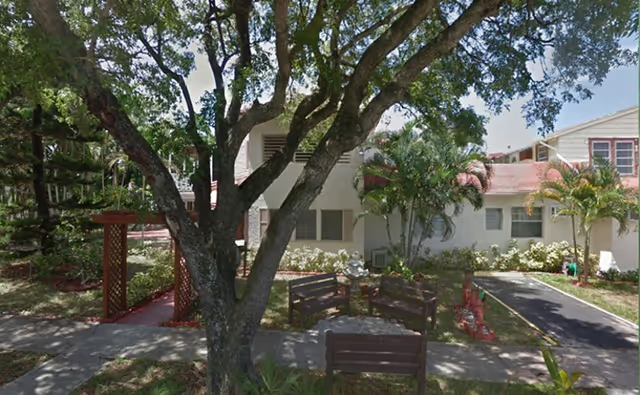
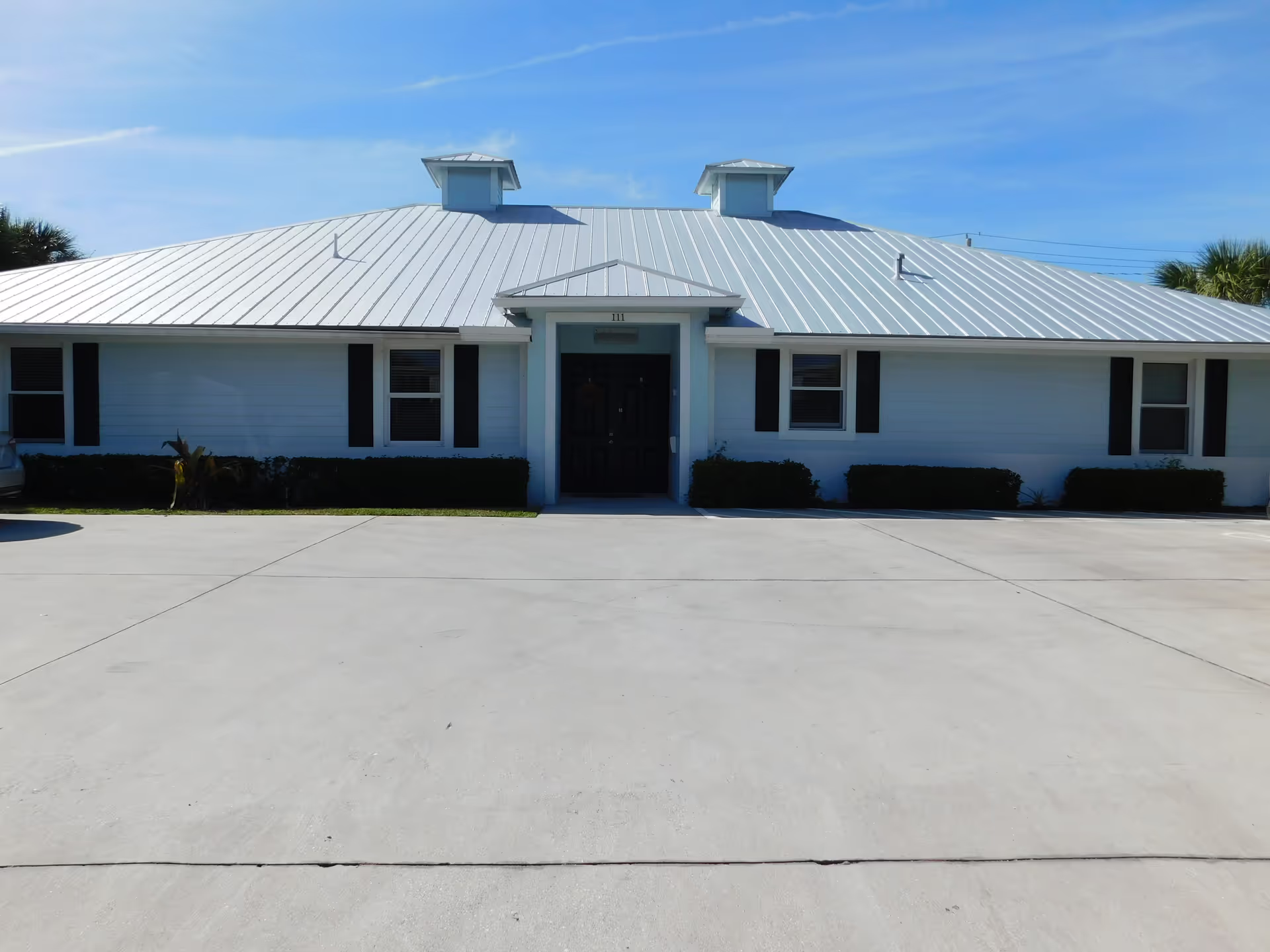
Facility appearance and infection-control aspects are mixed. The facility’s outward presentation and maintenance of common areas were noted positively, but several reviews raised sanitation and pest-control concerns. Prospective residents and families should ask management about recent pest-control measures, cleaning protocols, and the facility’s response history to any such events.
Management and oversight emerge as key areas for improvement. The recurring themes — inconsistent response times, gaps in care coordination and therapy scheduling, privacy-protection lapses, fall-prevention weaknesses, and personal-belongings management issues — point to systemic processes that would benefit from stronger clinical governance, staffing adjustments, clearer protocols, and improved family communication. Families considering this facility should request current staffing ratios, fall-prevention and medication-management policies, incident-response logs, pest-control records, and examples of how the facility addresses care-coordination breakdowns to better assess whether the environment will meet a particular resident’s needs.