Reviews of Crossings at East Lake of Journey present a mixed picture with clear patterns of strength in direct care and activities but recurring operational weaknesses that affect the overall resident experience. Clinical care is praised by multiple families: nursing staff, CNAs, and medical assistants are frequently described as attentive, calm, and competent, and some reviewers highlighted an educated clinical team that emphasizes preventative care. The activities department receives consistently positive comments for being enthusiastic and engaging; several families characterized programming as a meaningful source of engagement for residents.
At the same time, staffing instability is a dominant concern. High caregiver turnover, frequent changes of CNAs between units, and what reviewers described as insufficient coverage make care delivery inconsistent. Those staffing gaps are linked to delays in assistance, difficulty locating a nurse, and uneven attention to residents' needs. Reviewers also raised concerns about dementia-specific care consistency; families seeking specialized, predictable programming may find variability across shifts and units.
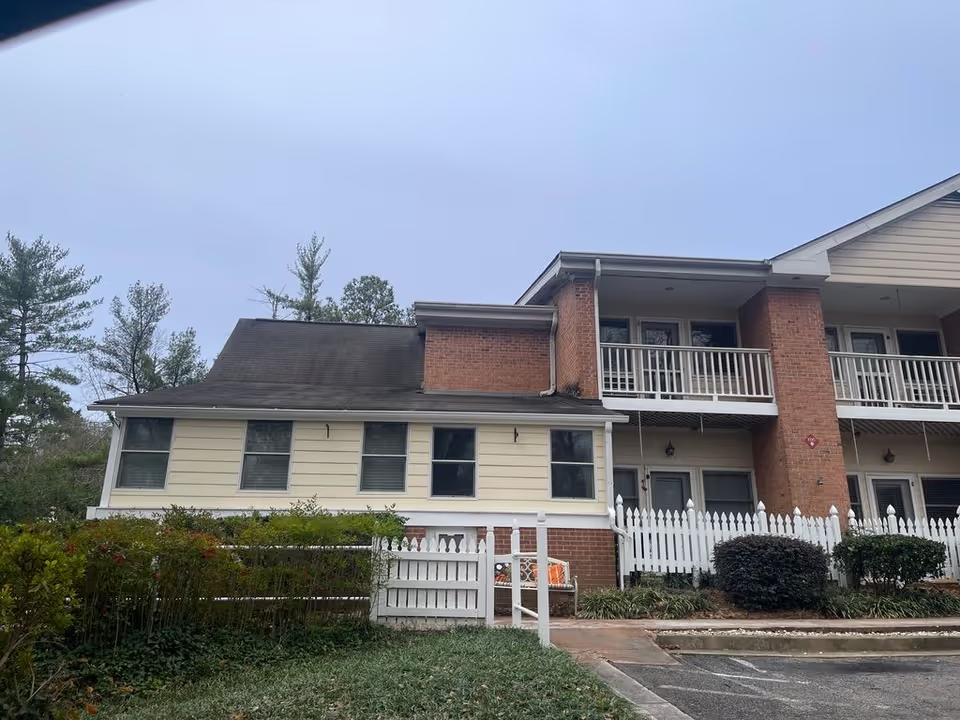
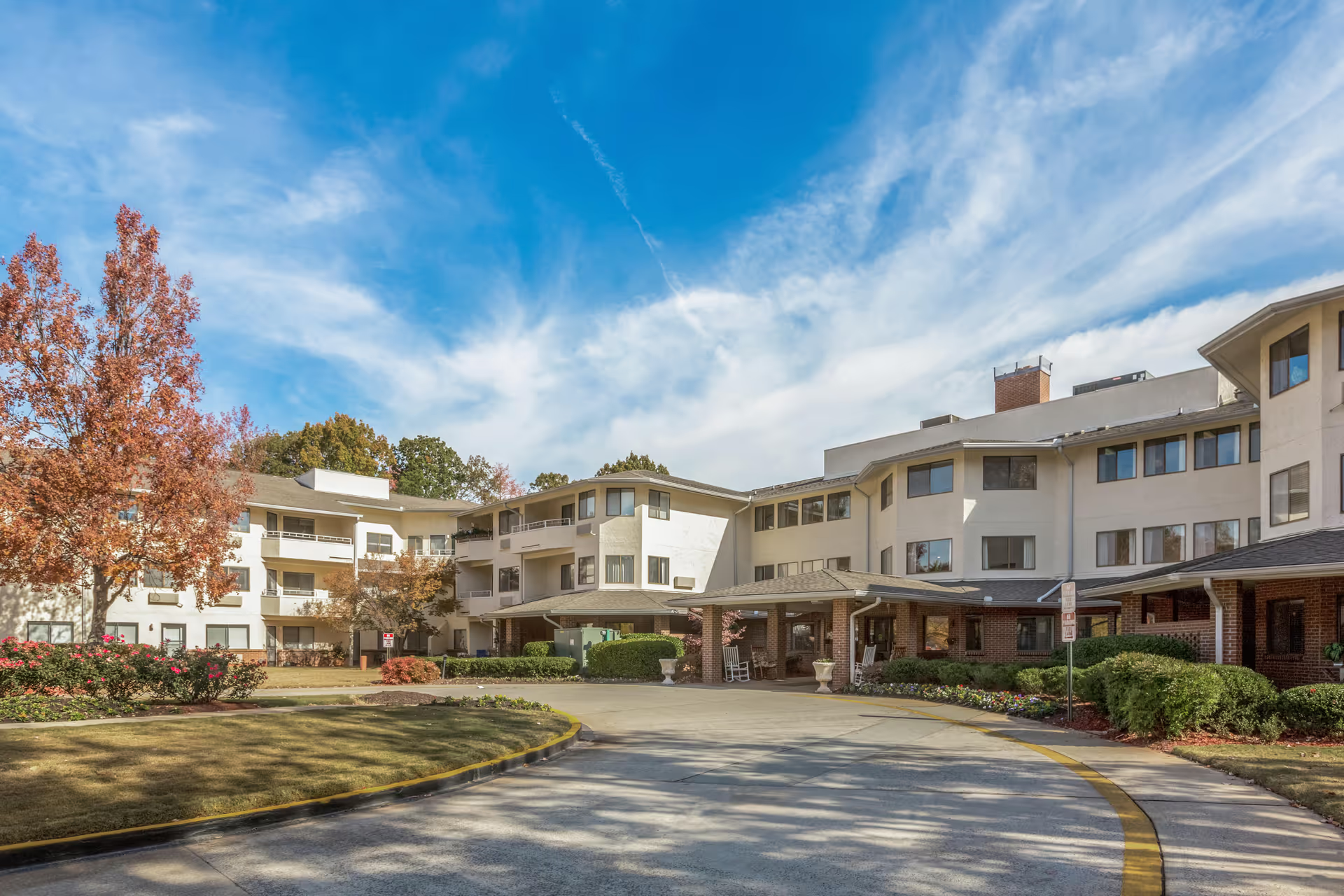
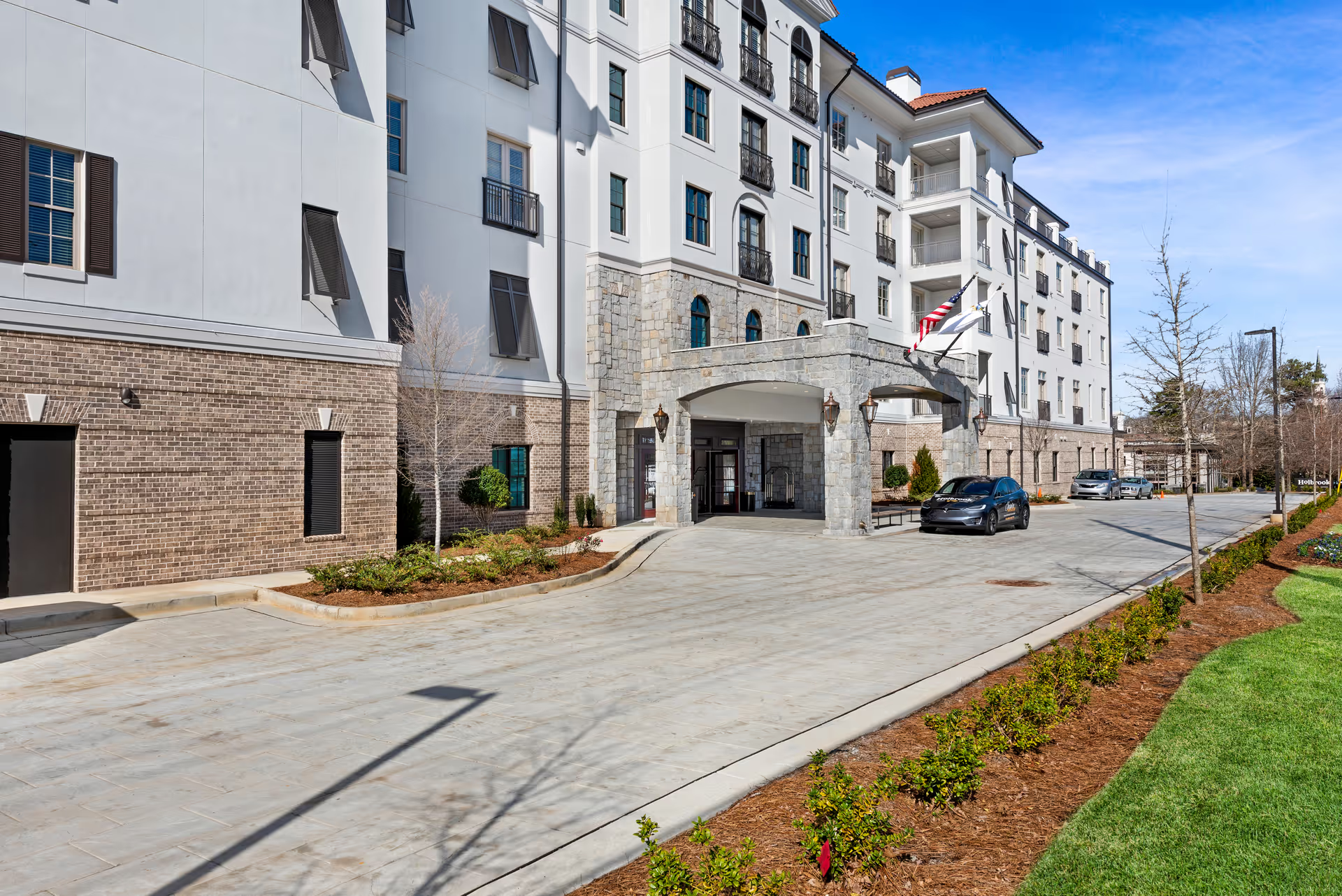
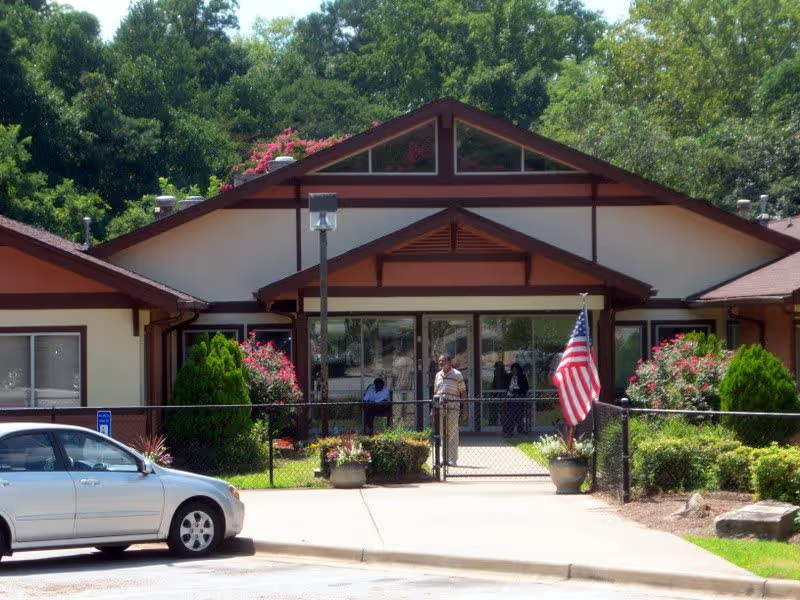
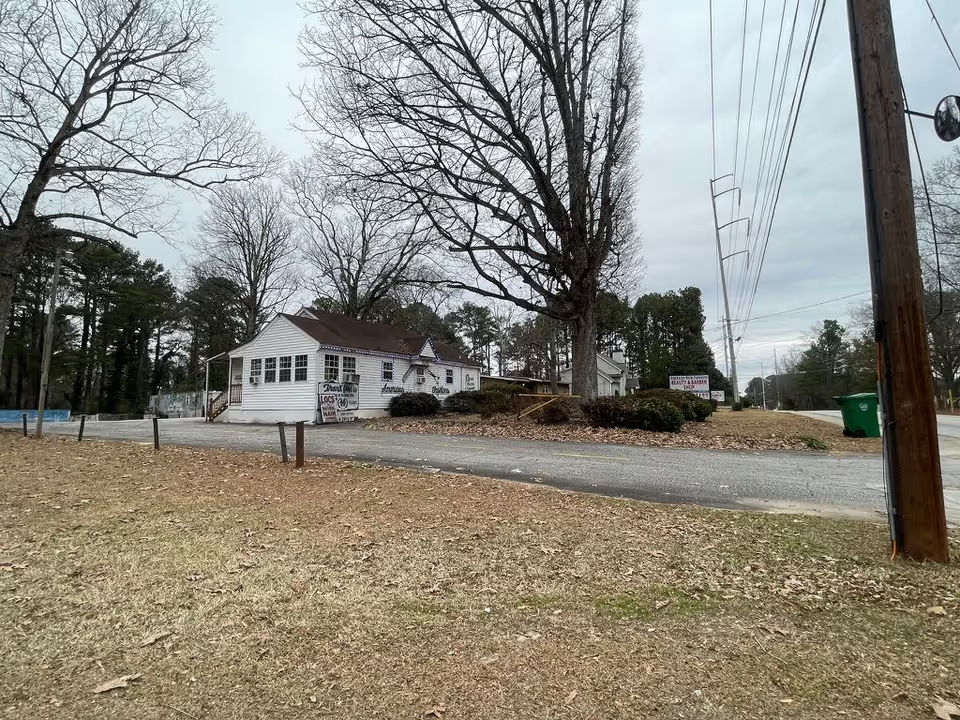
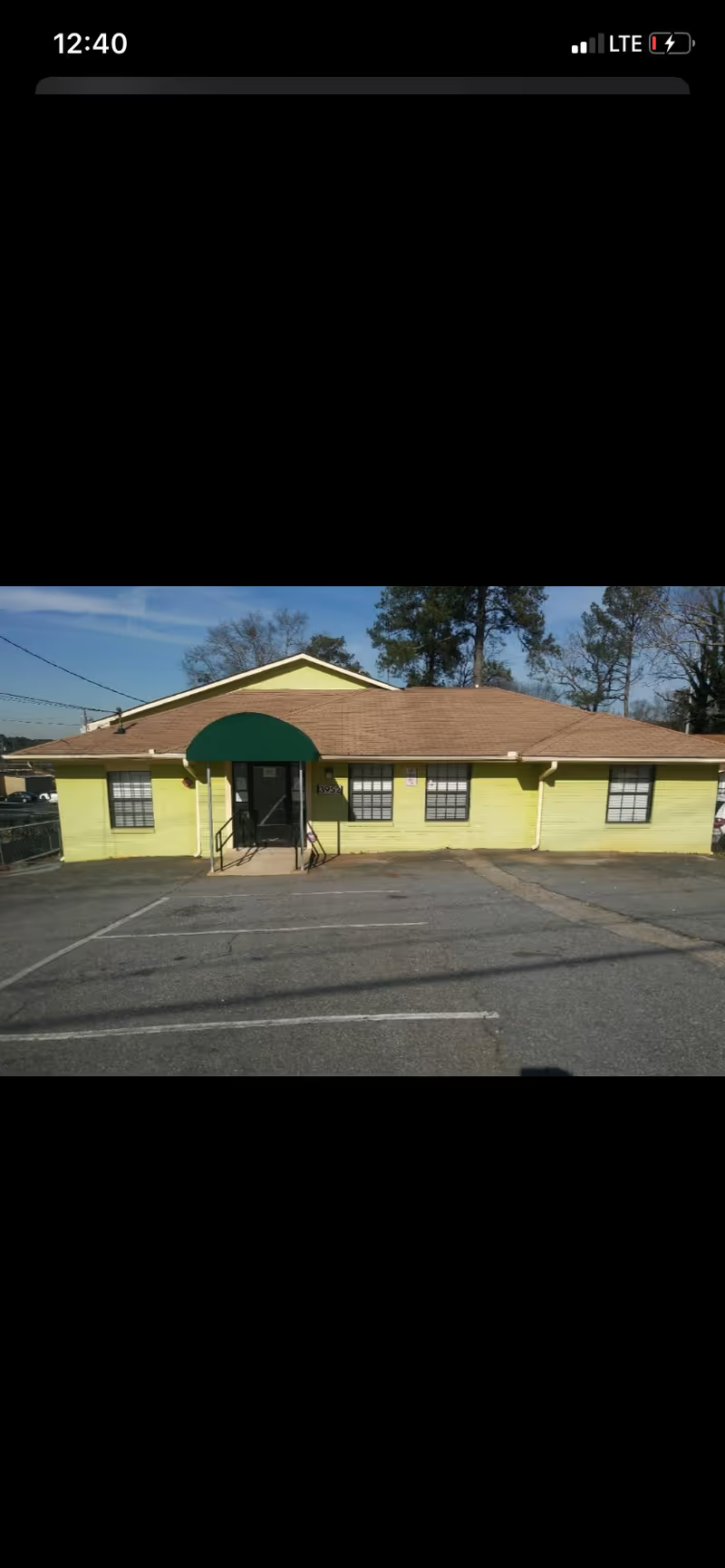
Facility operations and environment are another area of divergence. The building is older in design and several reviewers noted an institutional or uninviting entrance and security-oriented features that affect first impressions. Housekeeping and maintenance issues were cited repeatedly: cleanliness and sanitation inconsistencies in common areas and resident rooms, odor concerns at the entrance and in some rooms, dim lighting, outdoor grounds that are not consistently manicured, and pest-control concerns in some units. Several reviews indicated housekeeping coverage drops off in the late afternoon, contributing to variability in environmental upkeep.
Dining and therapy services drew criticism for inconsistent quality. Multiple families described meals that were unappetizing or inconsistently prepared, and some noted dining-area maintenance issues. Rehabilitative services, including physical therapy, were perceived by some as limited in effectiveness. There were also operational concerns about personal-property management and laundry tracking, with allegations of missing items noted by families.
Management and culture appear mixed: some reviewers characterized management as well-meaning but underperforming, and others observed that staff tended to perform better under direct supervision. Communication and administrative responsiveness were identified as areas for improvement. Cost-to-value concerns were raised by families who felt pricing did not align with the consistency of housekeeping, dining, and staffing they experienced.
Overall, the facility shows strengths in direct caregiving and activity programming, but persistent operational issues—principally inconsistent staffing, environmental maintenance, dining quality, and administrative communication—produce a polarized set of family experiences. Prospective families should balance the positive reports about individualized care and activities against the operational concerns. Suggested questions to the facility include current staffing levels and turnover rates, dementia-program consistency, housekeeping schedules (including after mid-afternoon coverage), pest-control and odor-mitigation practices, dining oversight and menu standards, personal-property policies, and measures leadership is taking to address the cited inconsistencies.