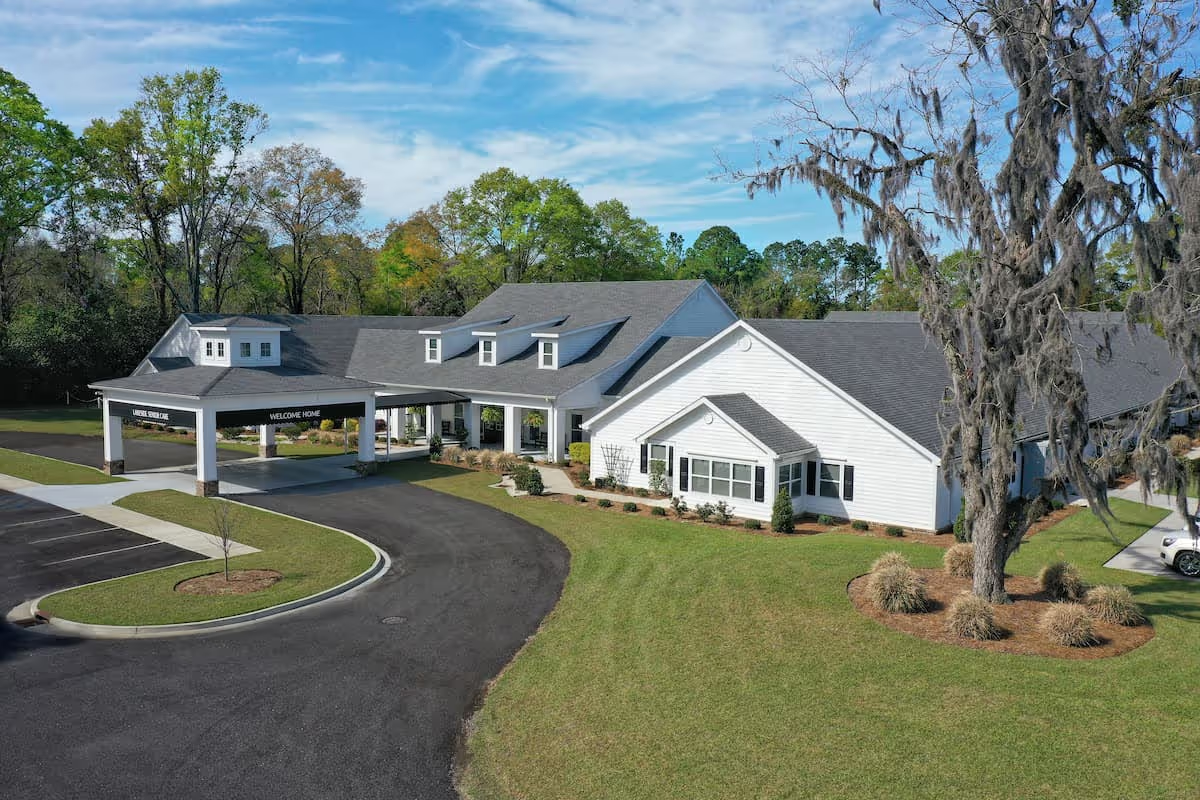
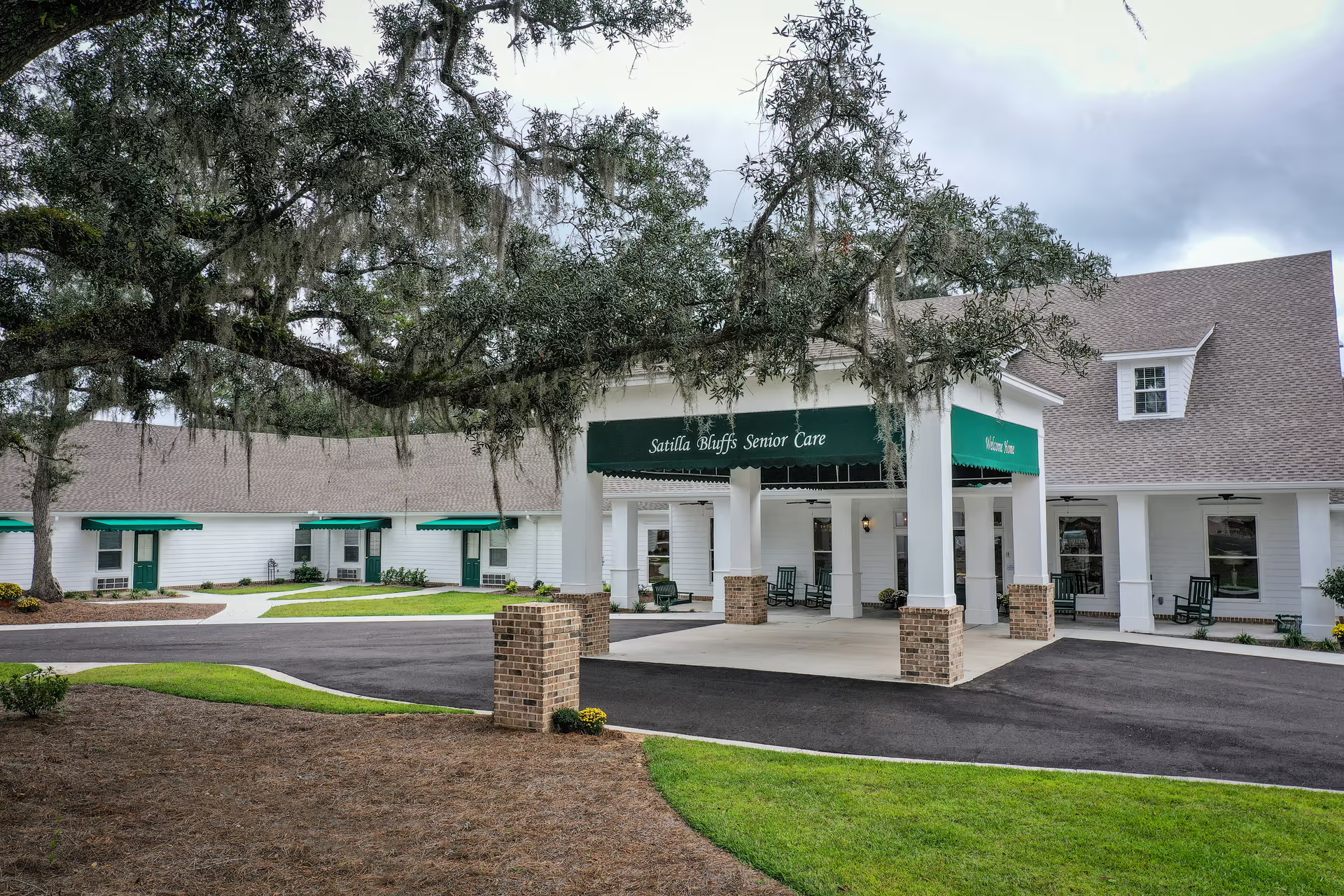
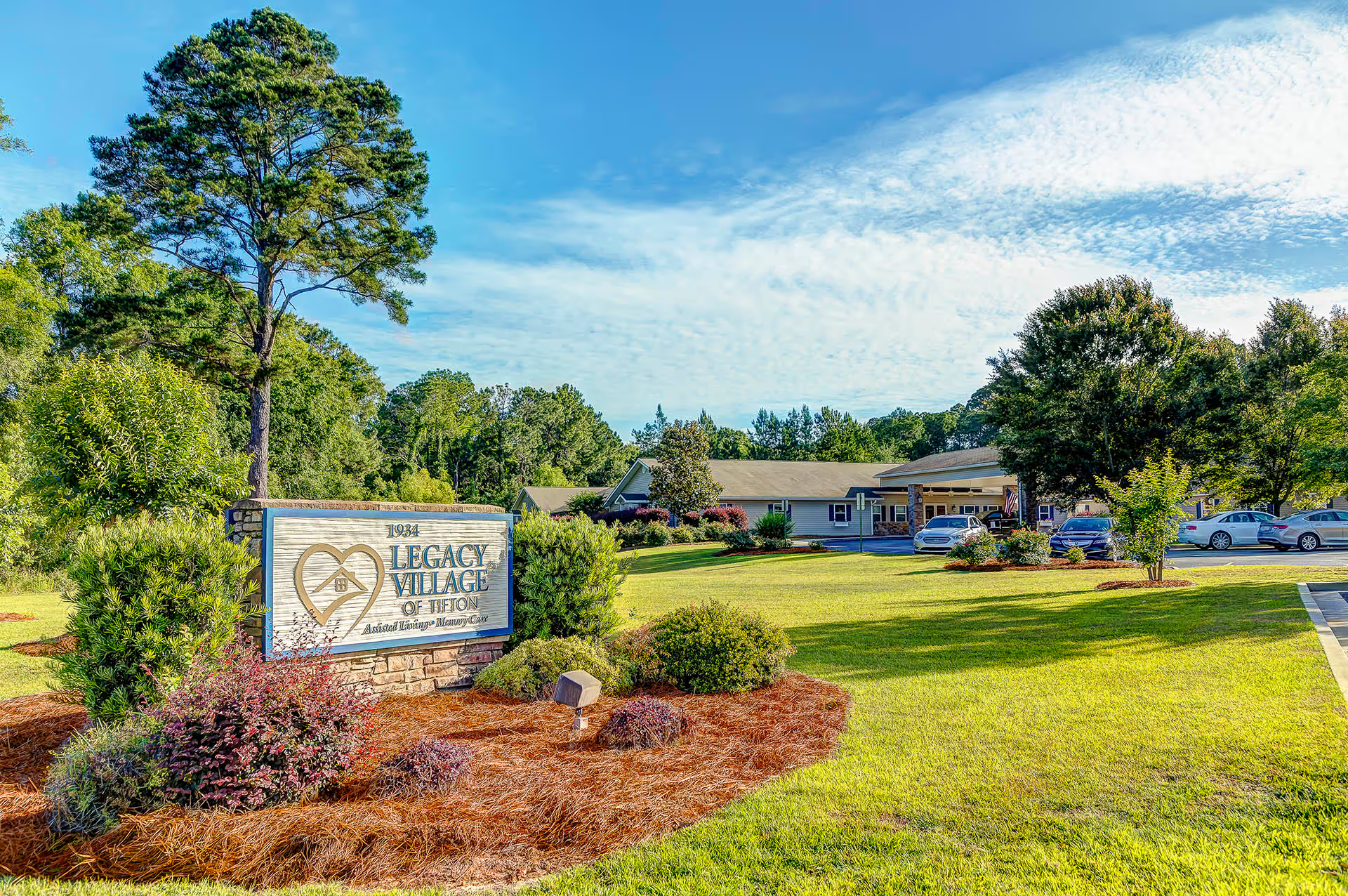
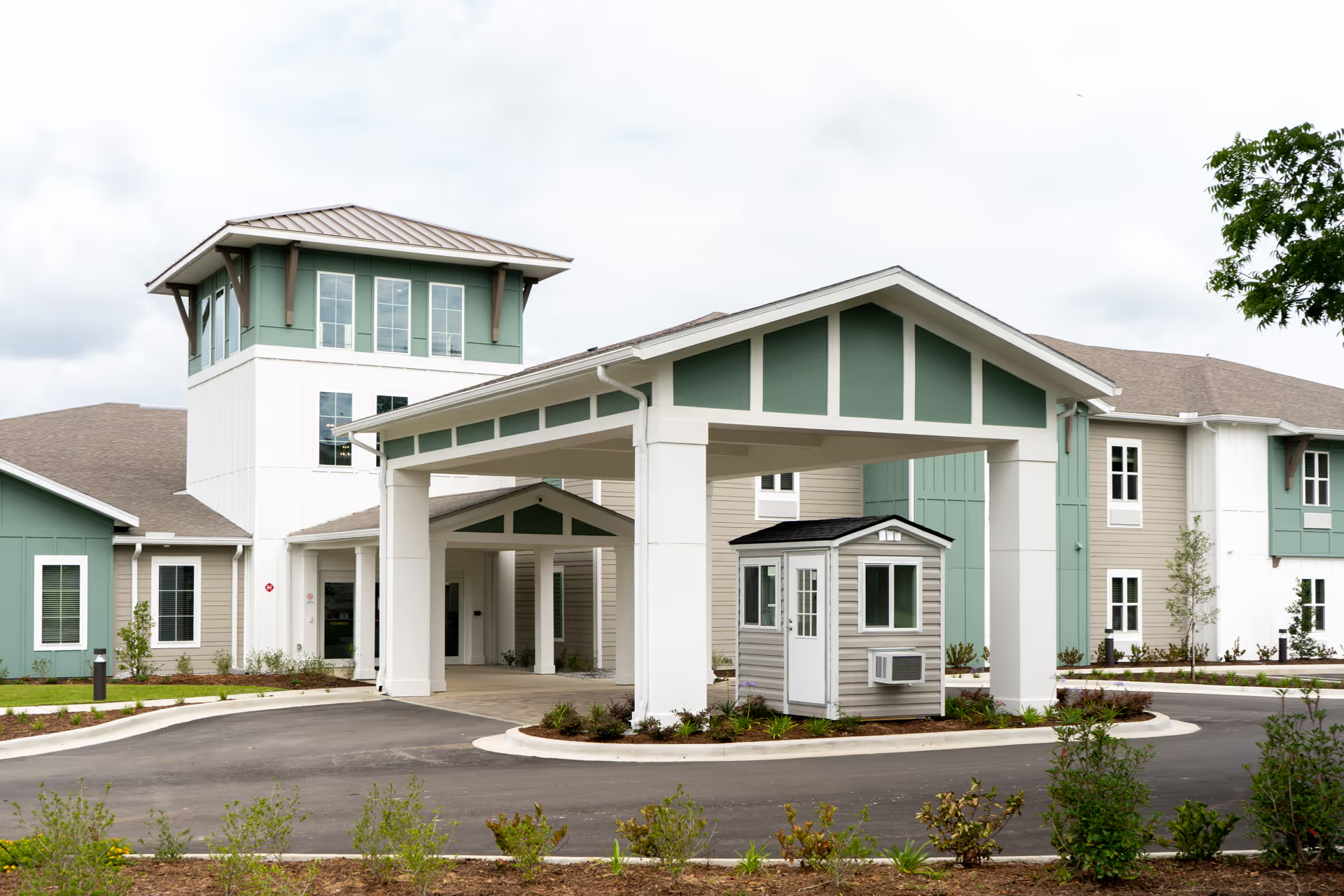
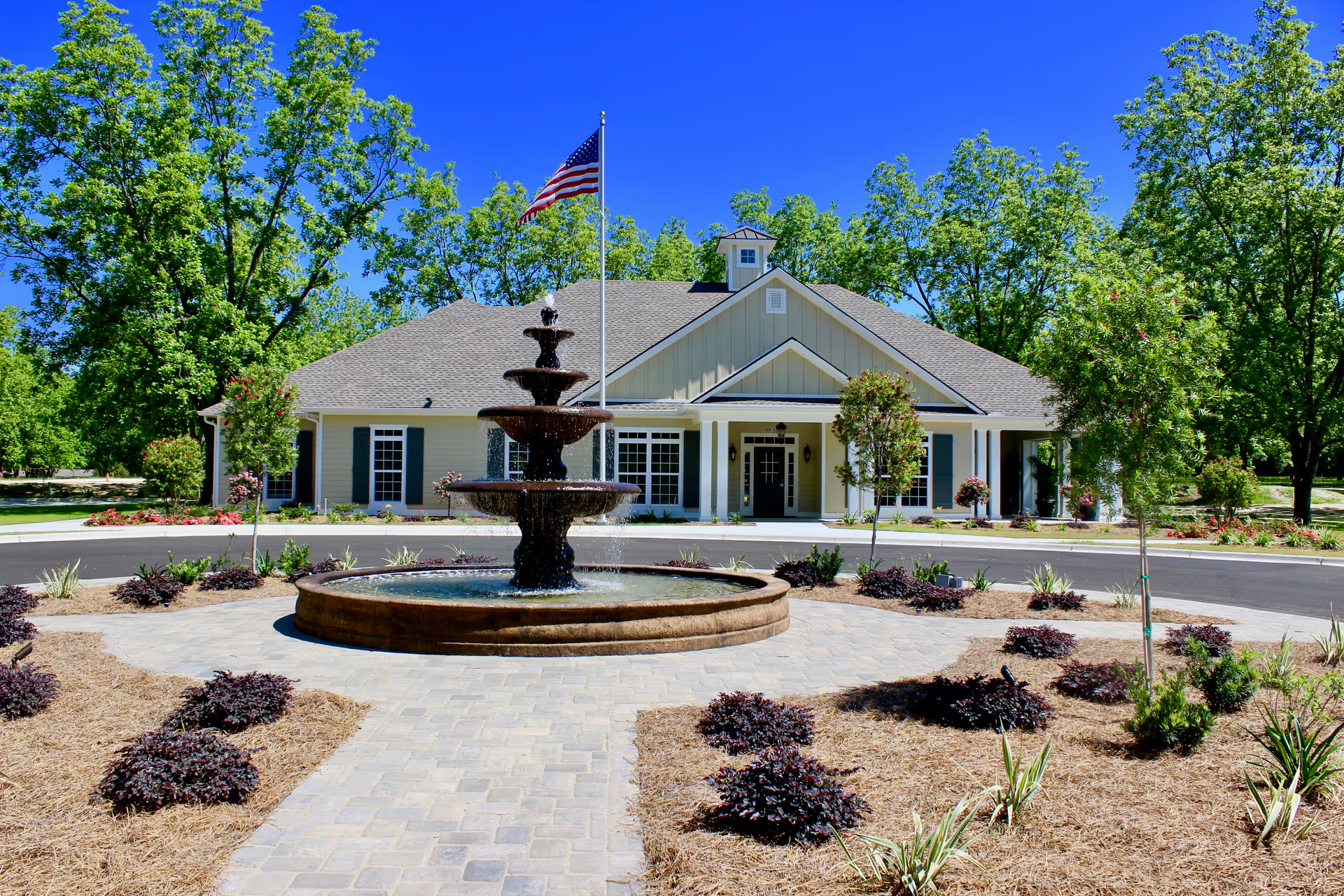
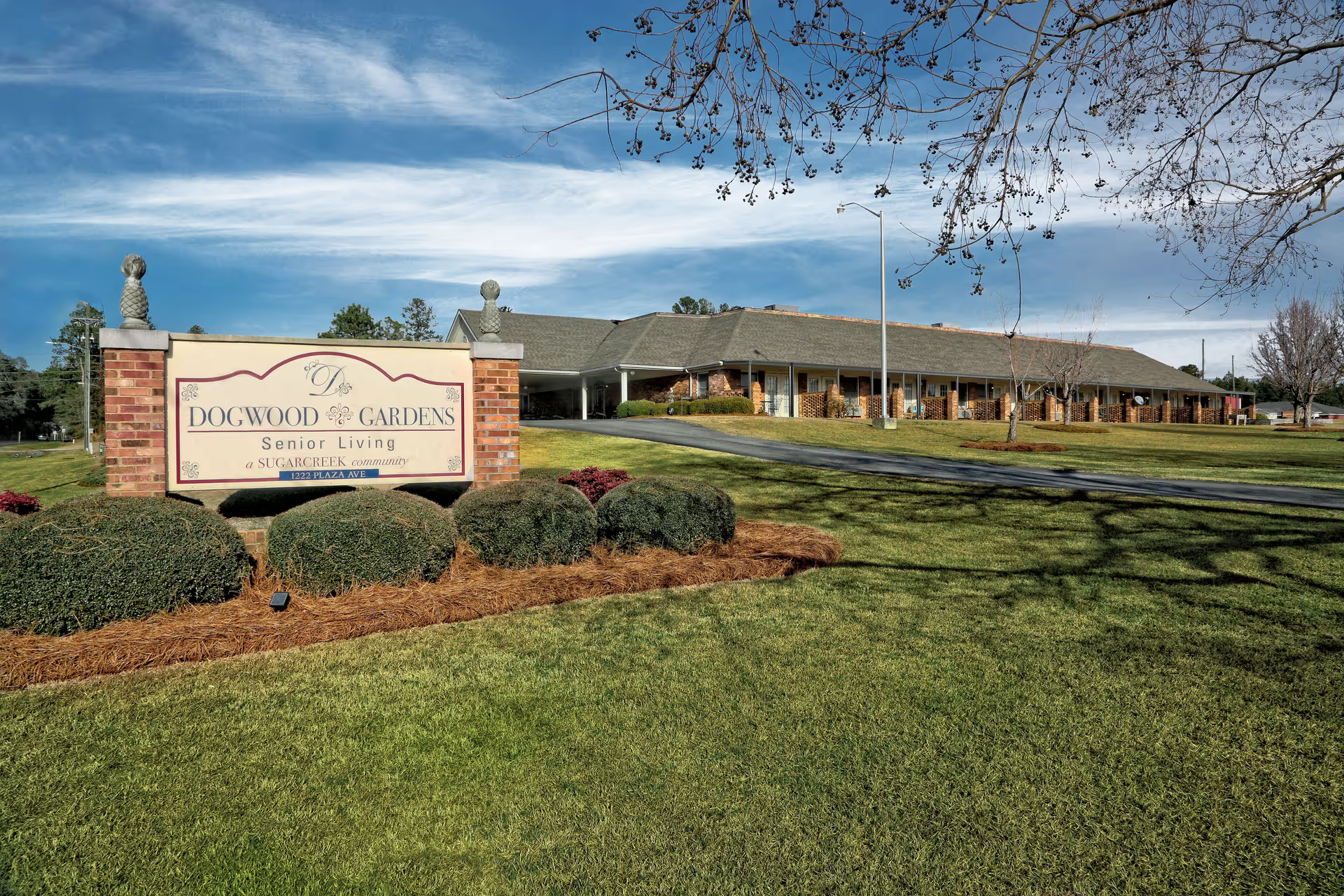
Reviews present a mixed picture of clinical care and day-to-day operations. Positive feedback centers on staff who are described as caring, attentive, and able to provide competent clinical care, with strong leadership visibility and frequent communication with families. The facility’s dining and activities are also regularly praised: meals are characterized by variety and generous portions, and the activities program is viewed as engaging. The physical environment is described as attractive and well maintained, and some families note helpful bilingual staff and 24/7 monitoring efforts.
At the same time, recurring operational weaknesses are evident. Staffing inconsistency and shortages appear to contribute to slow call-response times and variability in basic personal care such as nail and grooming attention. Several items point to gaps in medication management — including continuity of medication supply and incomplete medication reconciliation — and to shortcomings in discharge documentation and administrative handoffs. Reviews also raise concerns about fall-prevention and monitoring practices, as well as concerns about resident handling and the tone or conduct of some staff interactions. One review references a serious safety incident involving a fall with head injury and subsequent death; this has amplified family concerns about monitoring, incident response, and communication around clinical events.
Management strengths include visible leadership and generally effective family communication when staff resources permit. However, the pattern of concerns suggests that leadership may need to prioritize staffing stability, strengthen clinical-incident response protocols, and tighten medication reconciliation and discharge documentation processes. Improving first-night orientation and intake procedures could address negative impressions reported at admission, and focused training or supervision may reduce variability in personal-care tasks and resident handling.
For prospective residents and families: weigh the facility’s evident strengths in staff engagement, meals, activities, and environment against operational issues that affect safety and consistency of care. When considering placement, ask targeted questions about current staffing ratios, call-response benchmarks, medication reconciliation practices, fall-prevention protocols, discharge paperwork processes, and how staff conduct/supervision concerns are addressed. These specific inquiries can help clarify whether the facility’s strengths will meet the needs of a particular resident and whether the noted operational gaps have been addressed.