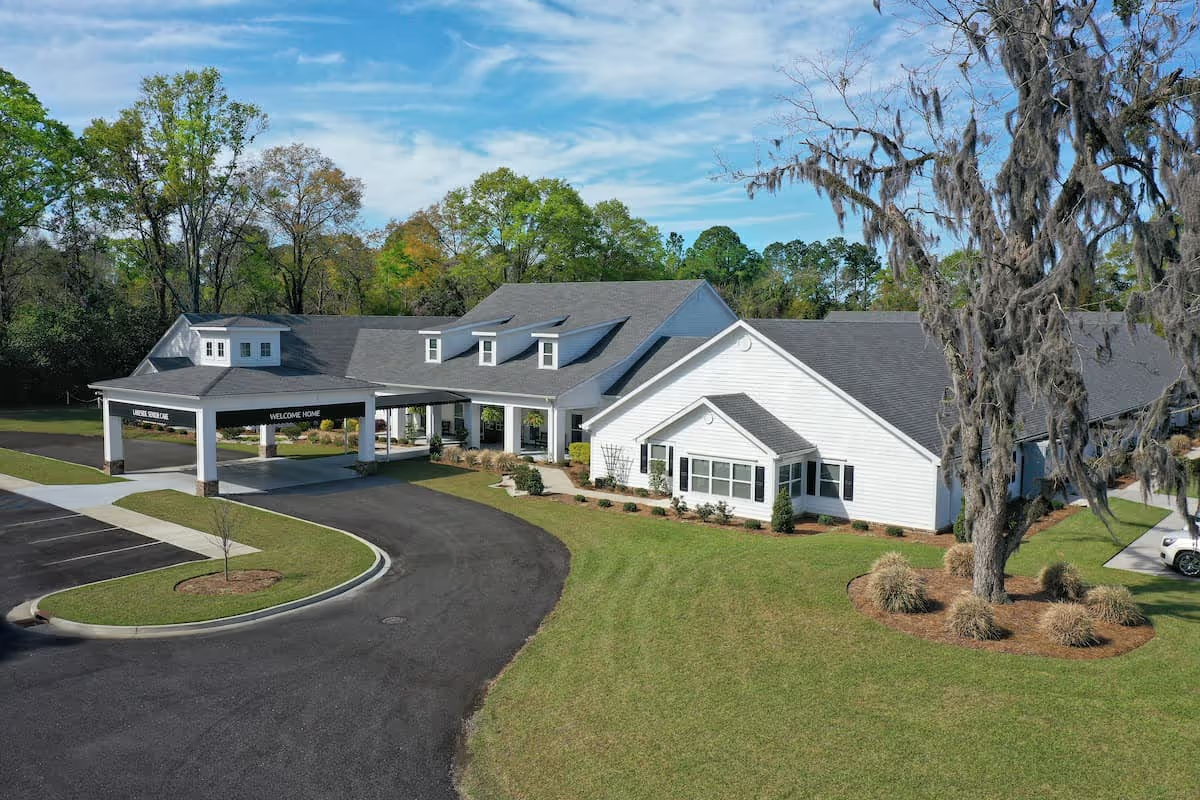
Overall impression Maple Court Senior Care is described consistently as a warm, home-like community with a strong emphasis on personal relationships and attentive day-to-day care. Families and residents frequently note staff who know residents by name, provide round-the-clock supervision, and are responsive to clinical needs such as medication administration and blood-sugar monitoring. Several accounts also describe measurable clinical improvements and increased mobility among residents, which families attributed to the staff's hands-on attention.
Care and staff Care quality is a clear strength in the summaries: caregivers are characterized as caring, accommodating, and engaged with residents’ needs. Leadership at the department level (for example, the CFO and activities director) receives positive mention, and staff-level continuity appears to support a reassuring environment for many families. The community’s bedside culture, willingness to meet individualized needs, and the presence of on-site supervision contribute to a consistent sense of safety and peace of mind.
Dining and food service Dining impressions are mixed. Some reviewers praised the meals and the social mealtime atmosphere, while others noted variability in food quality, limited customization options, and disruptions tied to kitchen staffing changes. These accounts suggest the dining program can be pleasant but may lack consistent execution; families should confirm current menu practices and customization options during a tour. Cost also emerges as a consideration, with several commenters describing pricing as relatively high compared with the perceived value of services.
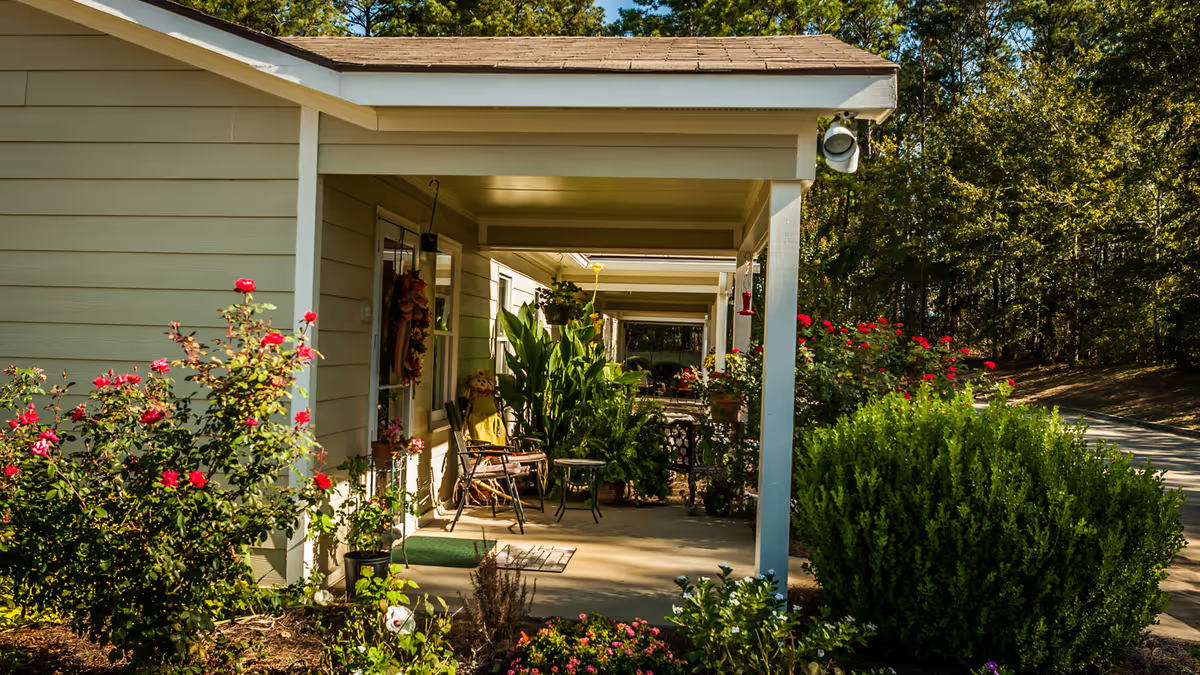
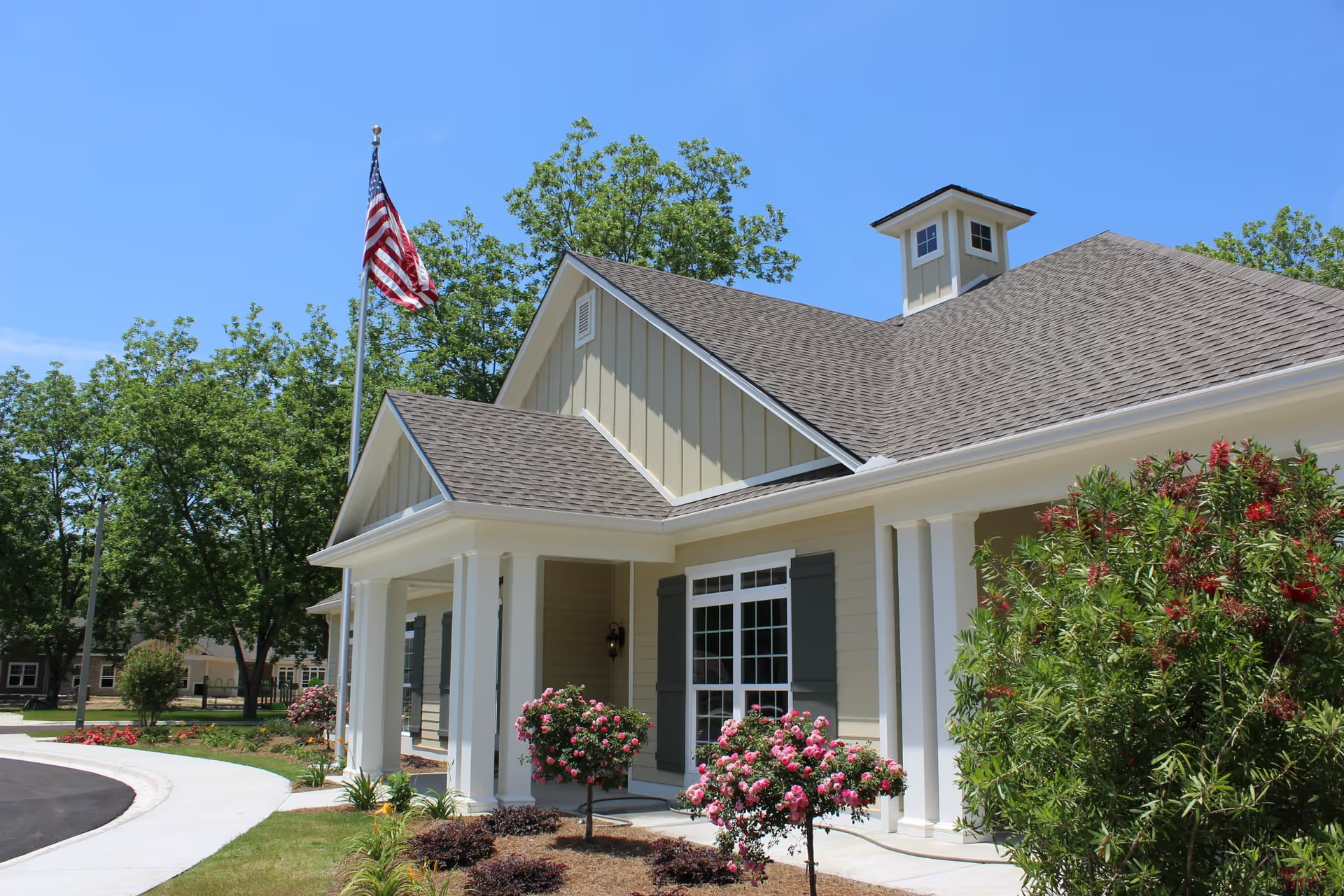
Activities and environment Activity programming and the physical environment are frequently highlighted as positives. The calendar includes painting, bingo, card games, puzzles, and organized outings; communal features such as a central courtyard with a fountain, front-porch seating, and pet-friendly outdoor space support social engagement. That said, a few people felt activity offerings were limited in scope or scale for some residents, indicating variability in how well the program matches individual interests and abilities.
Management and operational patterns While many reviewers praise frontline caregivers and specific leaders, there are consistent notes about management-level concerns. Descriptions point to issues with professionalism, communication, and occasional petty interactions that can affect family satisfaction. Operationally, staff transitions—particularly in the kitchen—have produced short-term service disruptions. Prospective residents and families would be prudent to ask about current leadership communication practices, staff turnover rates, and contingency plans for service continuity.
Bottom line Maple Court appears to be a well-appointed, socially active community with strong hands-on care and many residents experiencing improved wellbeing. Key considerations for prospective families are the cost, the consistency of the dining program, and management/communication style. A focused tour that includes a meal, discussion of dietary accommodations, and a meeting with management should help clarify whether the community’s strengths align with a family’s priorities.