The reviews present a mixed picture, with clear strengths in the facility’s physical environment and individual staff interactions but recurring operational shortcomings that affect continuity of care. Cleanliness of the building and positive encounters with some staff members are singled out as strengths. However, patterns of unreliable service delivery and communication breakdowns appear across multiple accounts.
Care quality: Reviewers raised concerns about inconsistent delivery of basic caregiving services, including missed visits and no-shows that disrupted expected care routines. There are also reports suggesting problems with clinical processes, such as medication administration and escalation of care, that in at least one account resulted in transfer to the emergency department. These items point to gaps in clinical oversight and handoff procedures rather than isolated preference complaints.
Staff: Staffing reliability and staff conduct are central issues. While some caregivers are described positively, multiple comments indicate unprofessional conduct or presentation by some aides and concerns about responsiveness. Reviewers also referenced low pay and low morale among CNAs, which can contribute to turnover, inconsistent attendance, and variable training outcomes. These factors together suggest that workforce stability and staff development are areas needing attention.
Dining and activities: The set of reviews provided little substantive information about dining quality or recreational programming. There are no consistent positive or negative patterns to evaluate for activities and meals; prospective families should request current menus, activity schedules, and recent satisfaction data during a visit.
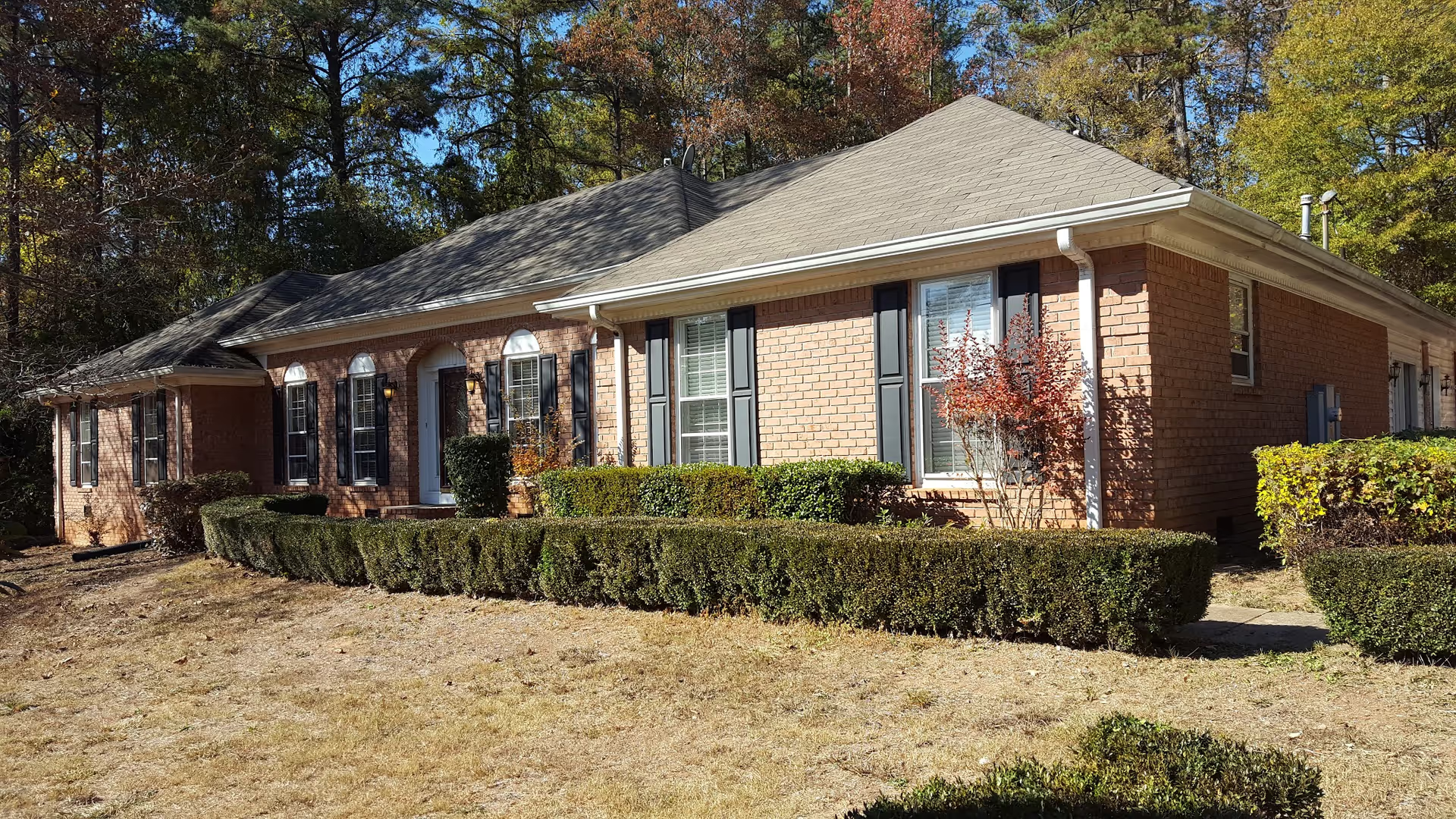
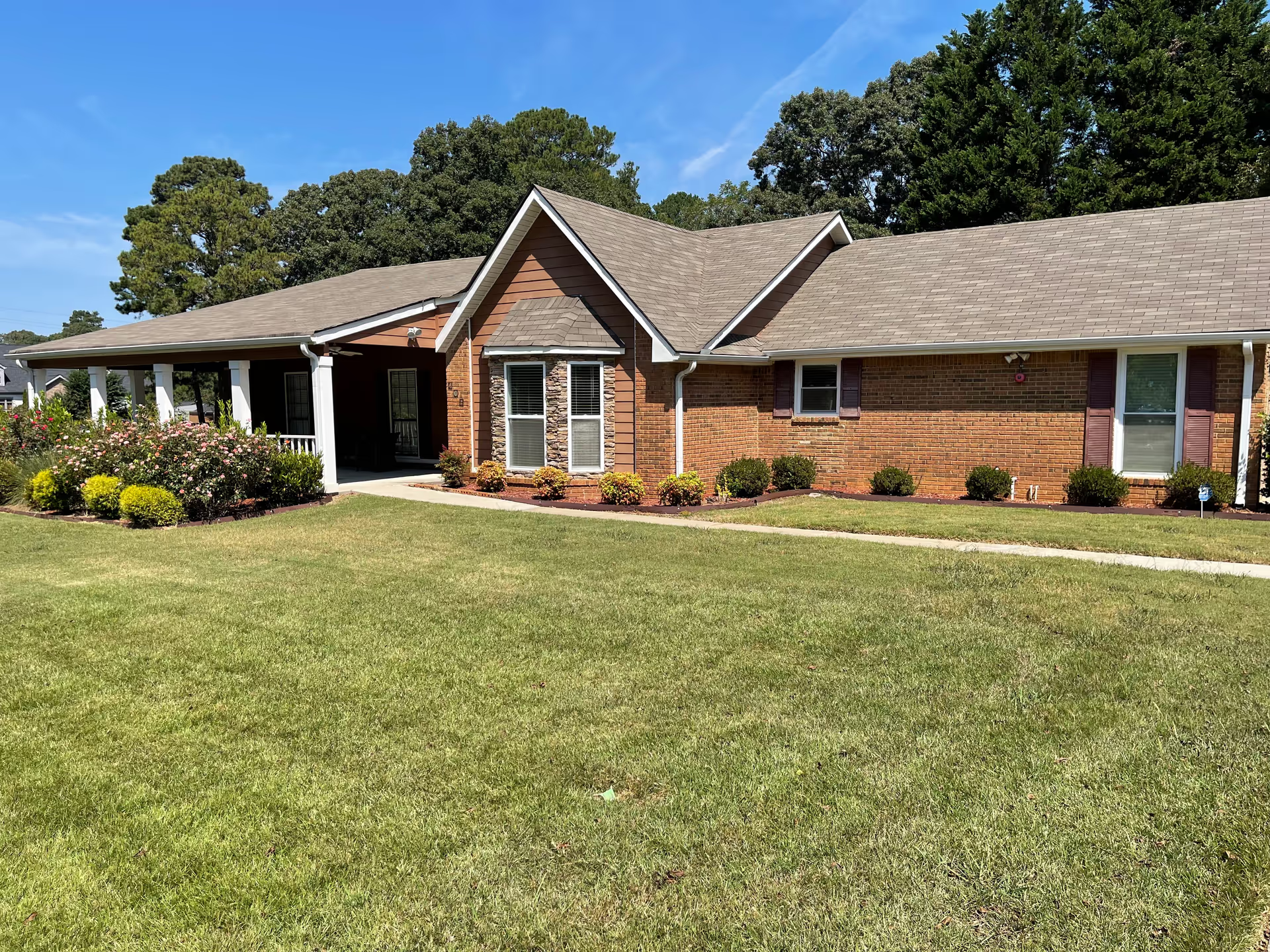
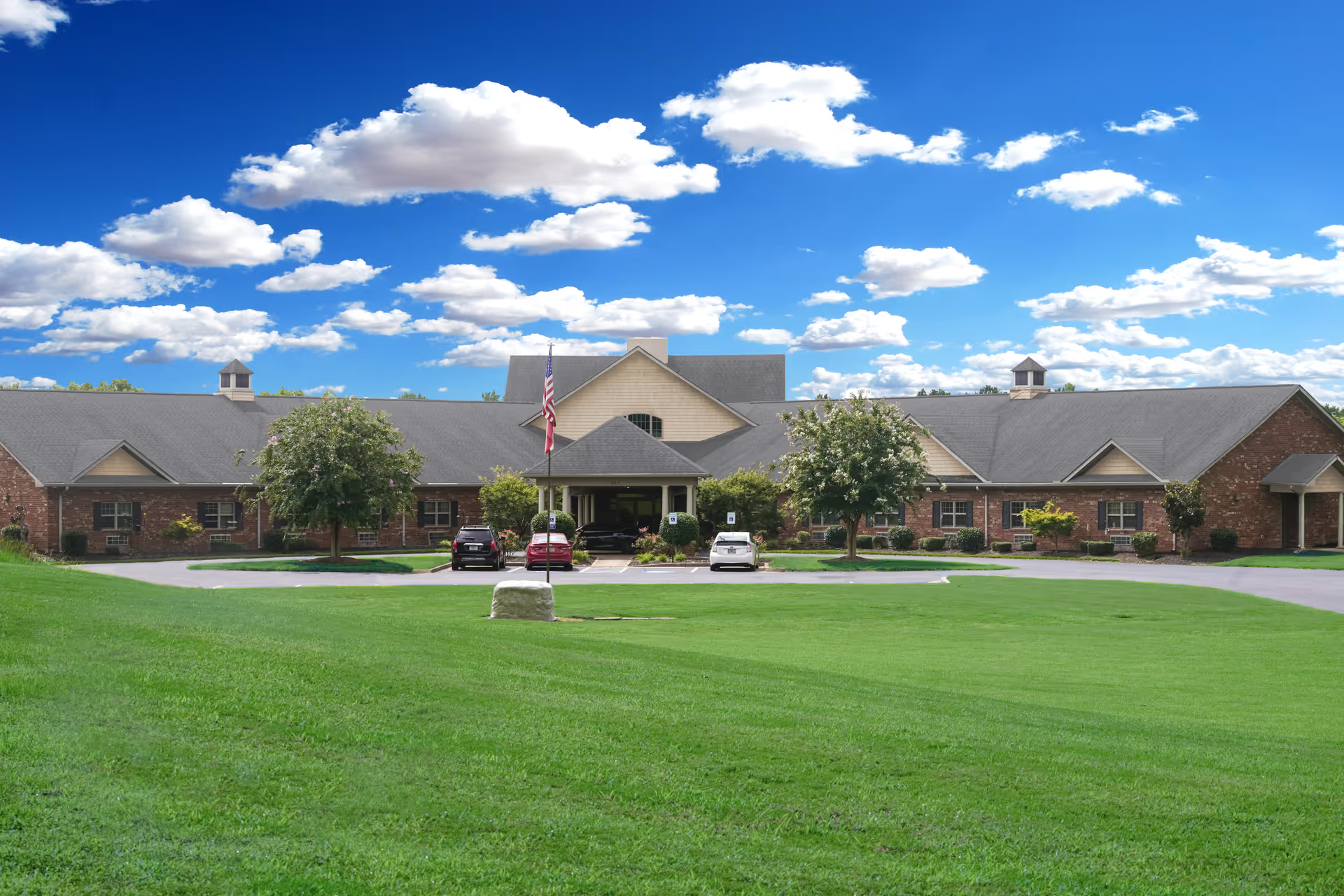
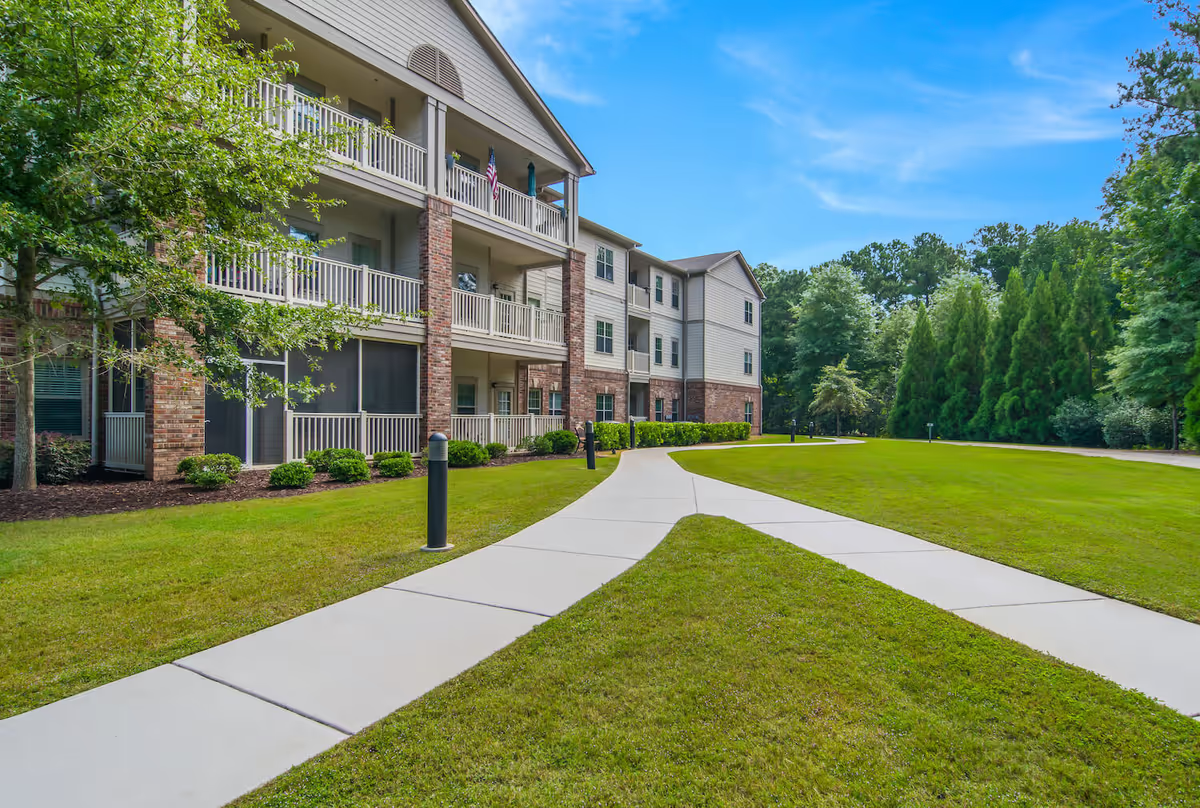
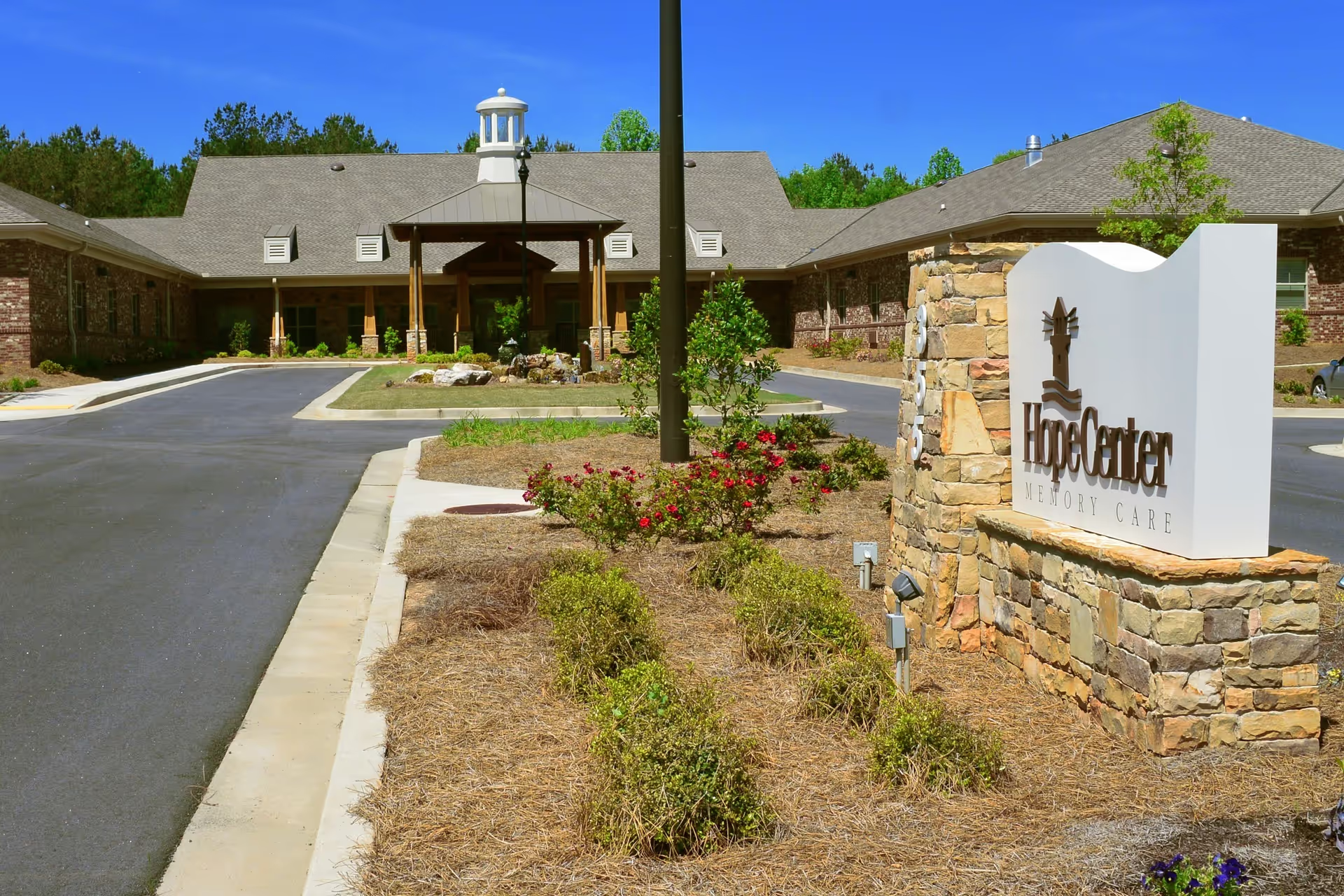
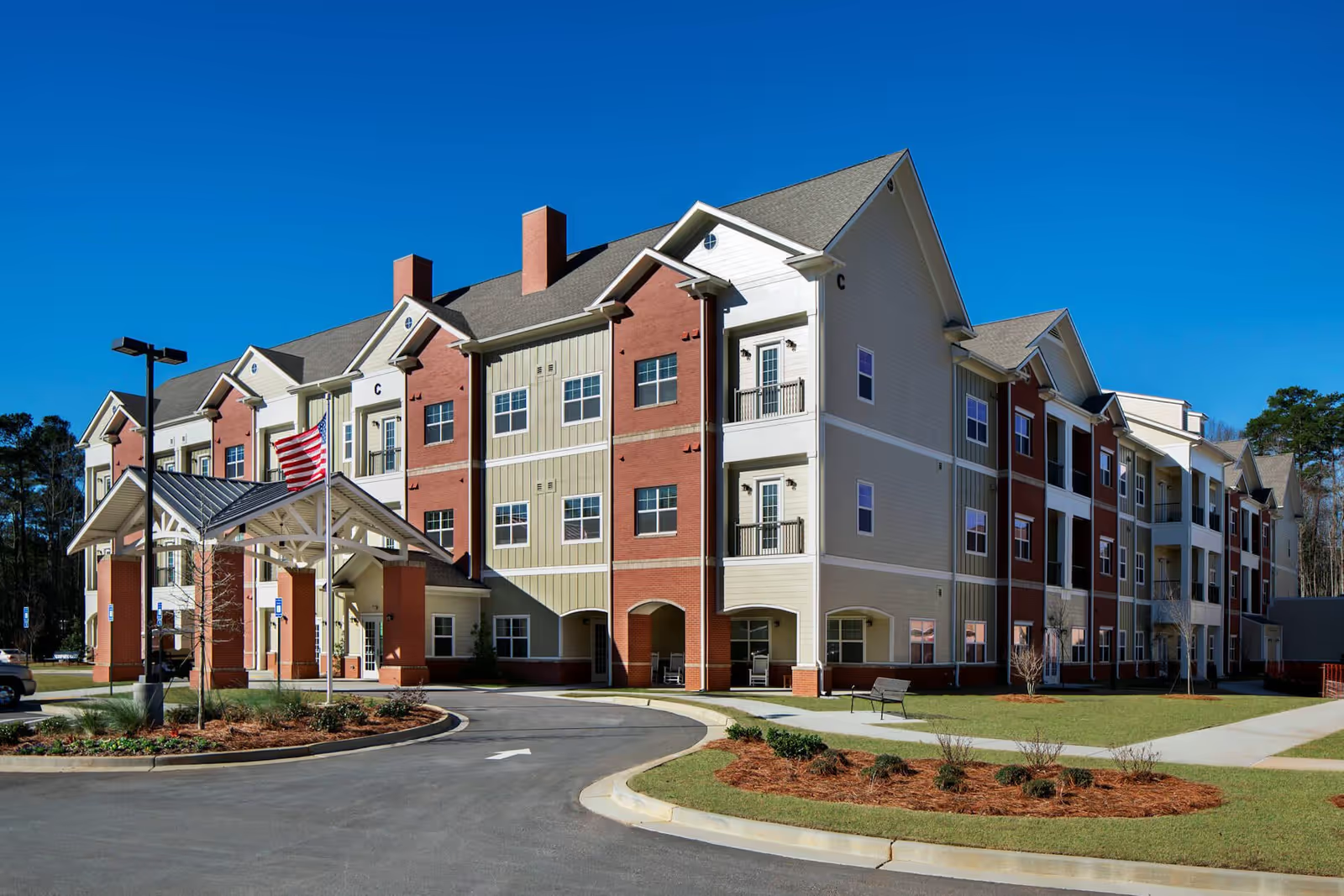
Facilities and administrative systems: The physical facility is generally described as clean and well maintained. At the same time, administrative infrastructure shows shortcomings: examples include overloaded voicemail systems and difficulty reaching staff by phone. These communication-system deficiencies amplify the operational impact of staffing and clinical issues because families and on-site staff may have trouble coordinating care or reporting concerns.
Management and notable patterns: Several reviewers characterized management as top-down with limited responsiveness to frontline staff or family concerns. This organizational style, combined with communication gaps and staffing instability, creates a pattern in which praised individual staff efforts are undermined by systemic problems. Families considering this provider should ask about current staffing levels, weekend and after-hours coverage, clinical oversight and medication protocols, staff training and retention strategies, and how the facility manages urgent communications.
Overall, while the facility shows strengths in cleanliness and some compassionate staff interactions, recurring reports of unreliable scheduling, communication failures, and clinical oversight gaps indicate operational risks that merit careful inquiry before making placement decisions.