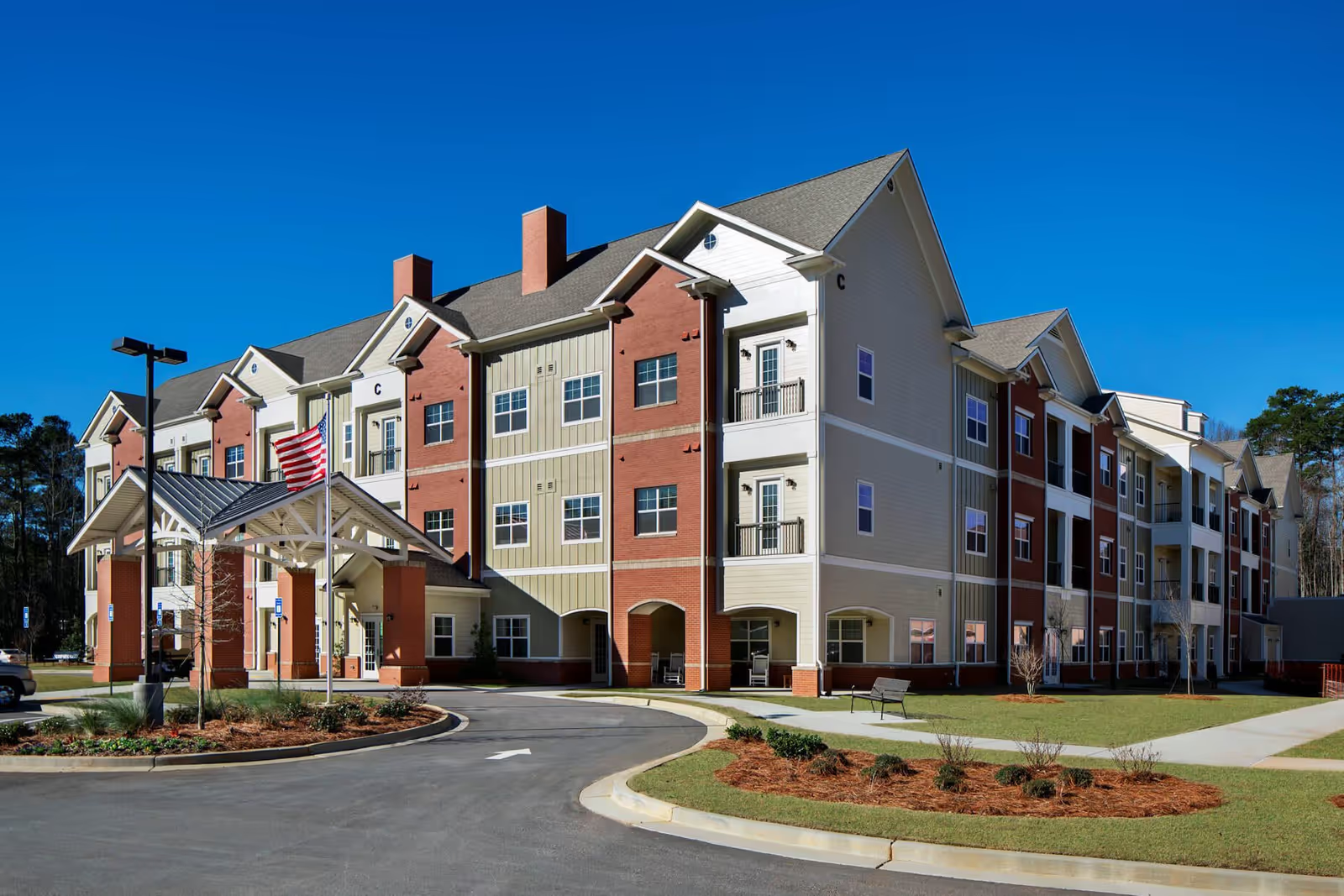
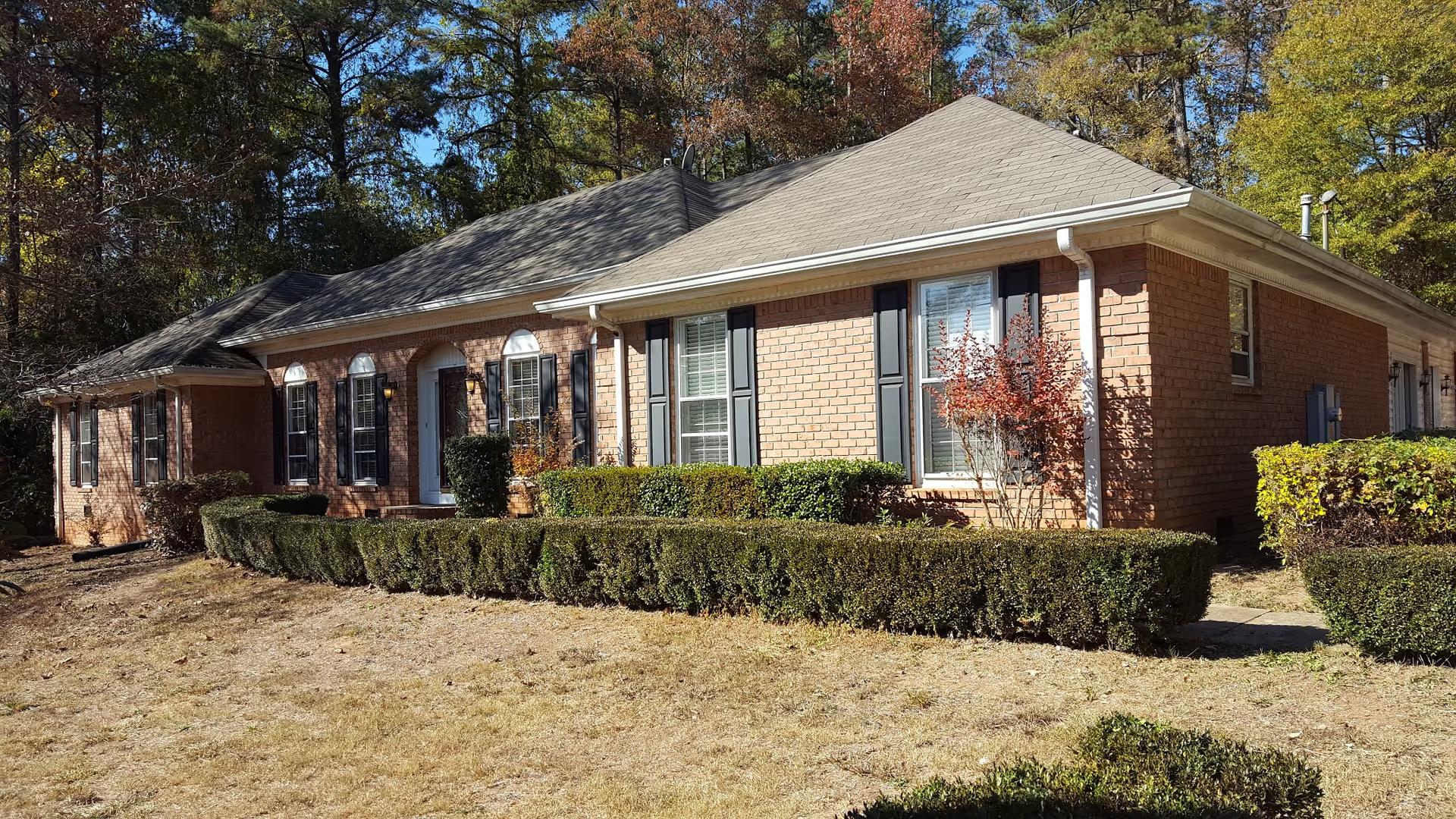
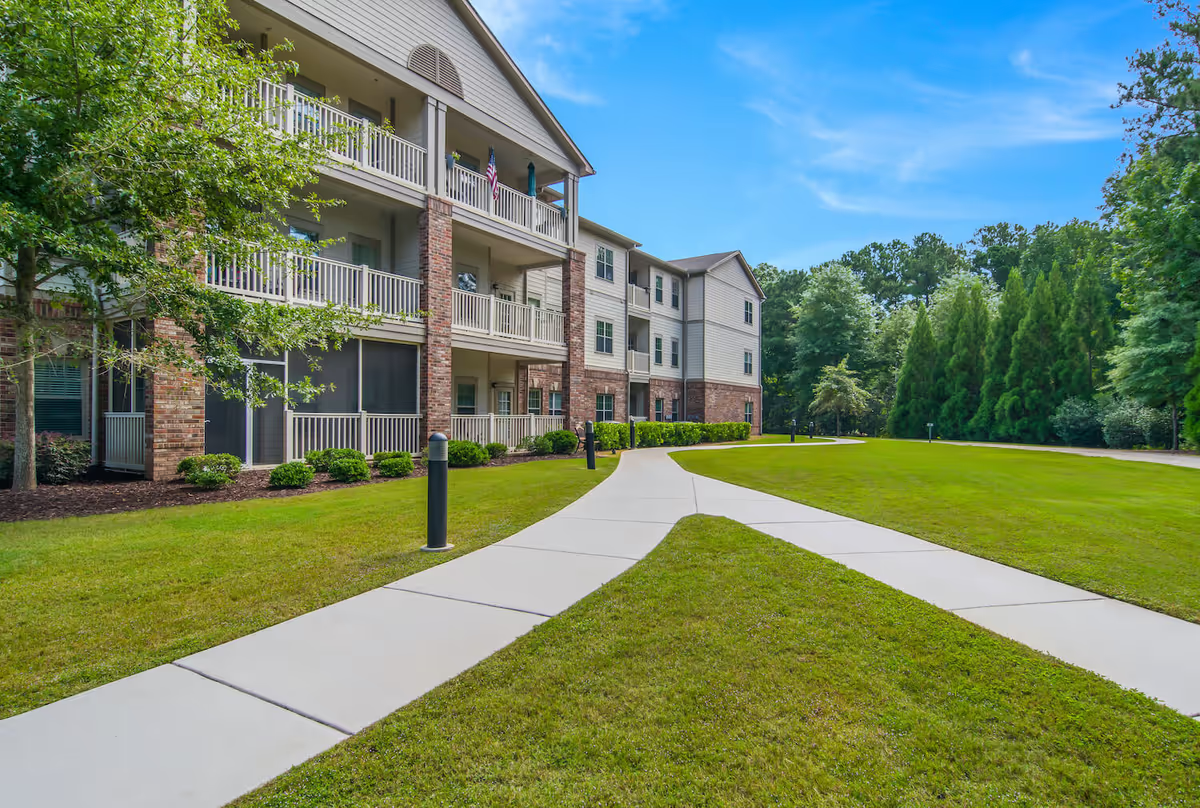
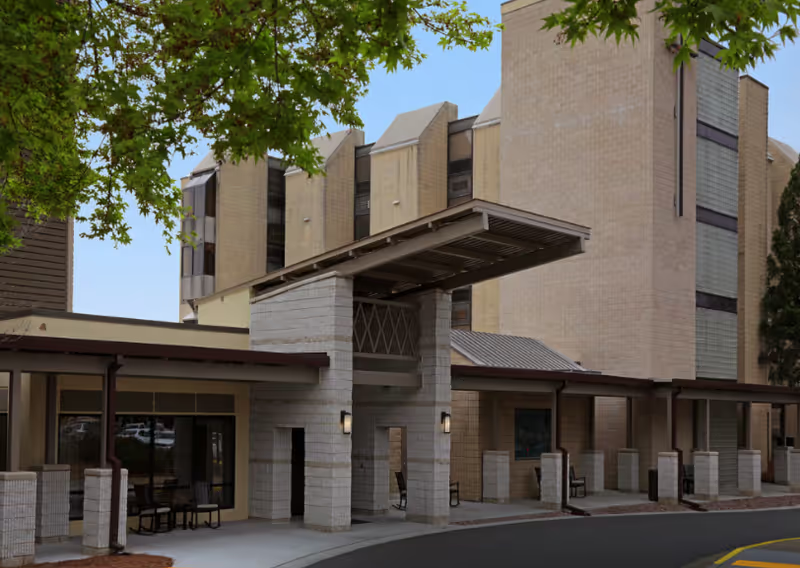
Hope Center Memory Care elicits strong, mixed impressions across reviewers. Many families highlight a compassionate, dementia-capable caregiving team, individualized care plans, and a village-style memory-care layout that supports residents at similar stages of cognitive decline. The facility is frequently described as clean, modern, and well maintained, with attractive outdoor areas, active programming, on-site services (beautician, transportation, physical therapy), and a range of social and cognitive activities that families say keep residents engaged. Several accounts also emphasize effective admission assistance and coordinated hospice support when needed.
Care quality and staff conduct are among the facility's most notable strengths. Numerous families praised direct-care staff as warm, attentive, and proactive in family communication; specific staff members were named for going above and beyond during transitions and emergencies. At the same time, there are recurrent operational concerns that prospective families should investigate further. Several reviewers described delays, omissions, or other problems with medication delivery; these accounts point to inconsistent medication-administration controls and the potential for serious clinical consequences if not addressed. In parallel, concerns about inconsistent staffing levels and training gaps among some caregivers were raised, with families noting that personnel shortages can lead to delays in attending to resident needs.
Dining and nutrition receive generally positive comments: many residents are reported to enjoy meals, with some families observing weight gain and regular appetites. However, there are isolated comments about missed meals or feeding assistance not being provided reliably. Prospective residents should therefore ask about meal-service continuity, cueing/feeding protocols, and how staffing levels are scheduled during peak dining times.
Activities and environment are commonly cited as strengths. The center offers a broad activity calendar, transportation outings, courtyard access, and structured memory-care programming that supports cognitive engagement. The village-based layout and gated patios are seen as beneficial for safe wandering and outdoor access. That said, a few reviewers noted an occasional institutional feel in specific areas, and some residents who are more introverted may find the activity mix less suited to their preferences.
Facilities and infection control present a mixed picture. The building is newer and described as visually pleasant, with well-kept common areas and landscaping. Conversely, a number of reviewers mentioned sanitation lapses and at least one illness outbreak; these comments suggest variability in infection-control practices and housekeeping consistency. Families should request information on recent infection-control protocols, cleaning schedules, and any recent health inspections.
Management and administration draw both praise and criticism. Several families commend proactive communication, follow-up calls after transitions, and coordinated admissions; some administrators and directors were described as helpful and hands-on. Yet other accounts describe slow or unresponsive administrative follow-up, inconsistent leadership communication, and difficulties recovering or accounting for personal belongings. These contrasting experiences point to variability in administrative performance and asset-management processes.
Overall impression: Hope Center offers many core strengths of a modern memory-care community—compassionate staff, dementia-focused programming, appealing facilities, and strong activity offerings. However, recurring operational themes — notably medication-administration inconsistencies, staffing and training variability, sanitation and infection-control variability, and uneven administrative responsiveness — are important to surface during a tour. Prospective residents and families would benefit from targeted questions about medication protocols, staffing ratios and turnover, infection-control procedures, handling of belongings, visitation policies during health events, and recent regulatory inspection history before making a placement decision.