Overview: Christian City Assisted Living Center presents as a large, faith-affiliated continuing care community that has invested substantially in facility upgrades and amenity expansion. Renovations and refreshed common areas — including new dining rooms, a 1950s-style diner, updated library/computer access, courtyard seating and grills, family party rooms with full kitchens, a salon, pool/aquatic center, gym/therapy space, and an on-site chapel — are frequently cited as strong features that support social engagement and family visits. The campus offers a broad spectrum of services from assisted living to memory care and skilled rehabilitation, and many families cite the convenience of on-site physicians, regular nursing presence, and rehab services.
Care and staff: Frontline caregivers, nursing staff, and many clinical teams receive consistent praise for attentiveness, compassion, and individualized care planning. Reviewers highlight nurses who are responsive on the floors, helpful CNAs, and staff who provide emotional support during transitions. That said, there is variability across units: while several accounts describe skilled nursing and highly effective physical therapy and rehab outcomes, other families report dissatisfaction with clinical services in specific areas. Staffing levels are an operational concern — understaffing on resident floors and in administrative offices is a recurrent theme linked to delayed responses and uneven continuity of care. Families should ask about current staffing ratios, clinical supervision, and how the facility assigns higher-acuity residents.
Dining and activities: Dining options are a recognized strength in terms of variety, presentation, and special events (examples include vendor visits and themed meals). Many residents enjoy the food and dining atmosphere, though meal quality and personal preference alignment are inconsistent for some families. Activities programming is broad — bingo, outings, entertainment, religious services, and volunteer opportunities are regularly offered — and the facility appears proactive about resident engagement. However, reviewers also note uneven marketing and communication of activity schedules, and some desire more structured onboarding (for example, a buddy system) to integrate new residents into social programming.
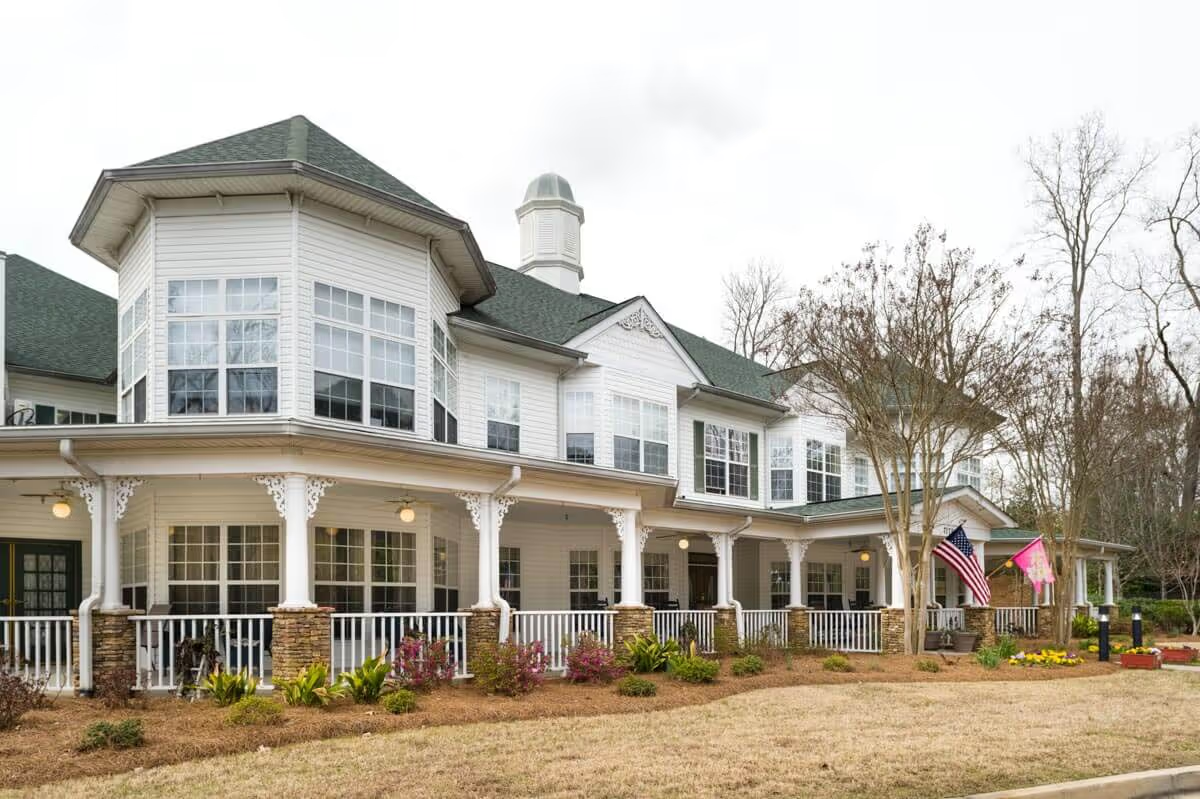
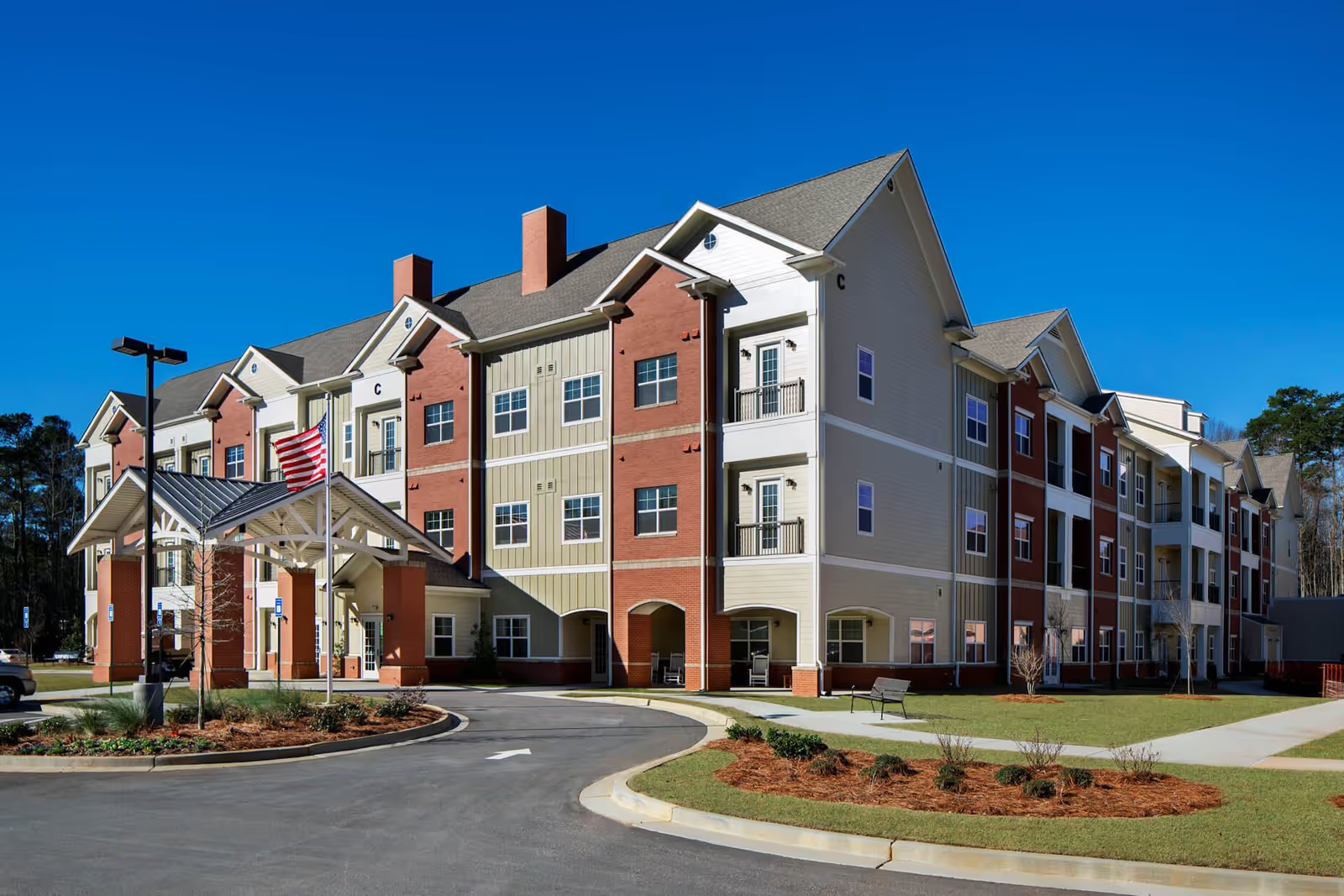
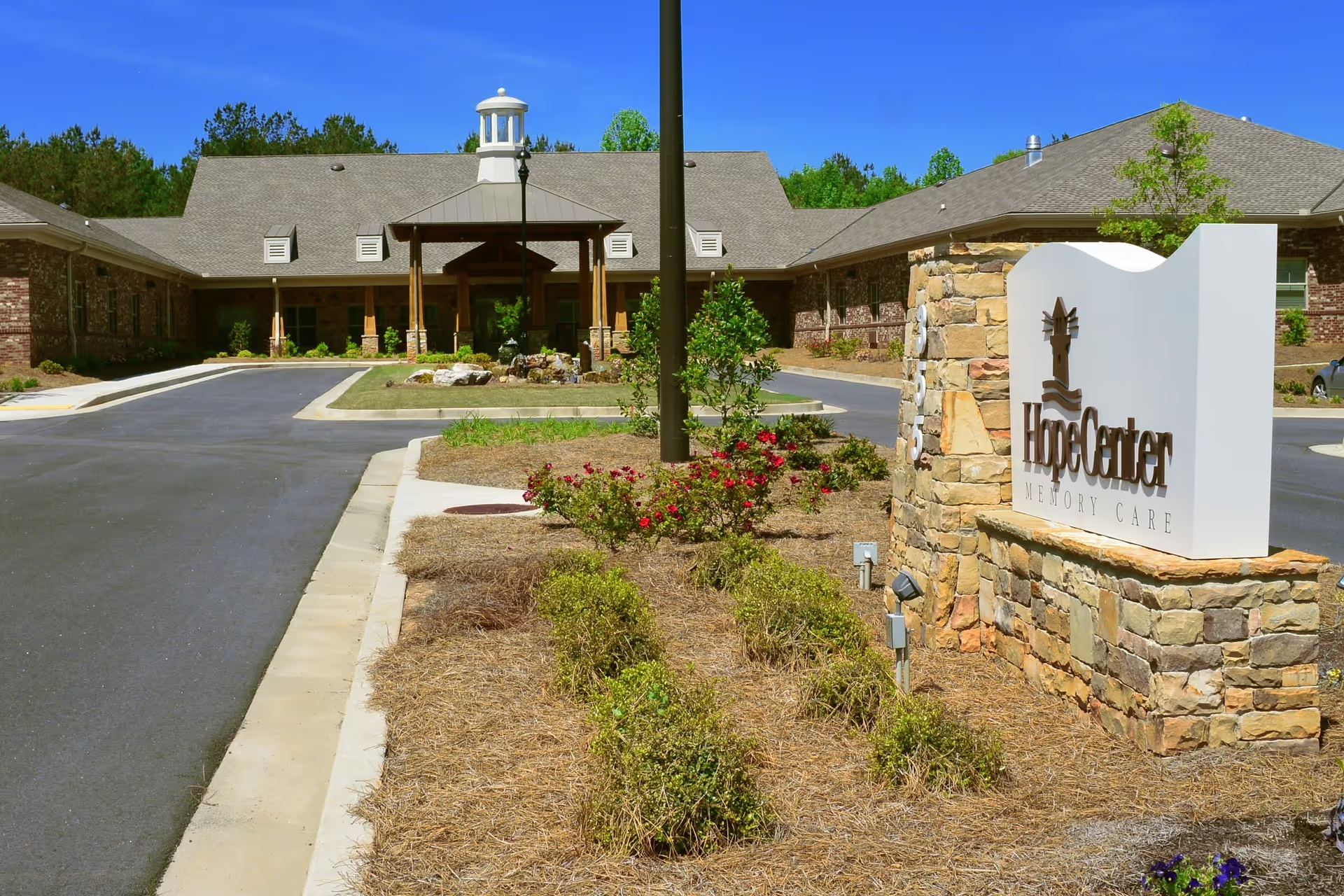
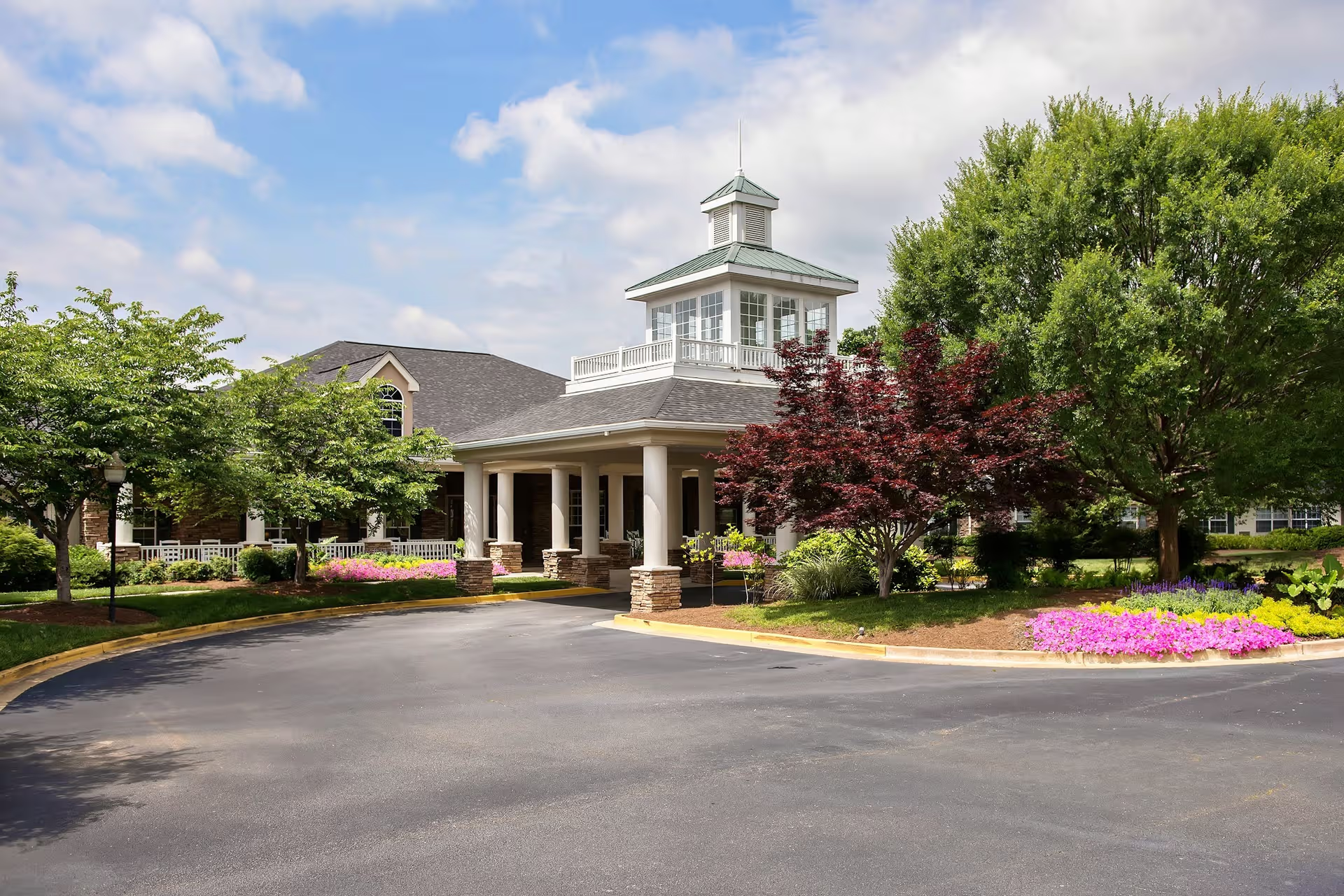
Facilities and environment: The facility is described as attractive and well-maintained overall, with ongoing renovations improving common spaces and curb appeal. Amenities such as salon services, libraries, game rooms, an aquatic center, walking trails, and dedicated family rooms contribute to community life. Conversely, there are reported cleanliness and sanitation concerns in specific areas and some residents report room-size and privacy limitations (including limited natural light in some units). The campus scale is a mixed factor: it enables a wide range of services but can make transitions harder for new residents, particularly when onboarding practices are variable.
Management, communication, and safety patterns: Management impressions are mixed. Several families praise administrative responsiveness and named staff who facilitate admissions and transitions, and others commend leadership for high standards and faith-based stewardship. At the same time, a number of reviews describe communication gaps with administration, inconsistent follow-through on service and billing questions, and uneven responsiveness from specific leaders. There is at least one serious allegation that prompted family concern and a law‑enforcement inquiry; reviewers expressed worry about incident handling, transparency, and family communication in that context. For prospective families this pattern suggests verifying the facility’s incident-response protocols, family notification procedures, and quality/safety reporting processes as part of the evaluation.
Notable patterns and recommendations: Overall impressions are polarized — many families are highly satisfied, praising the staff, amenities, and rehabilitation results, while others identify operational weaknesses that affected trust and perceived quality. Common actionable items for prospective residents and families include: tour multiple units during business and off hours; request current staffing ratios and turnover data; review recent incident logs and infection-control policies; ask for sample activity calendars and menu cycles; confirm transportation arrangements for external appointments; and obtain clarity on billing, included services, and service-level accountability. These steps will help determine whether the community’s strengths align with an individual resident’s clinical needs and expectations for communication and operational consistency.