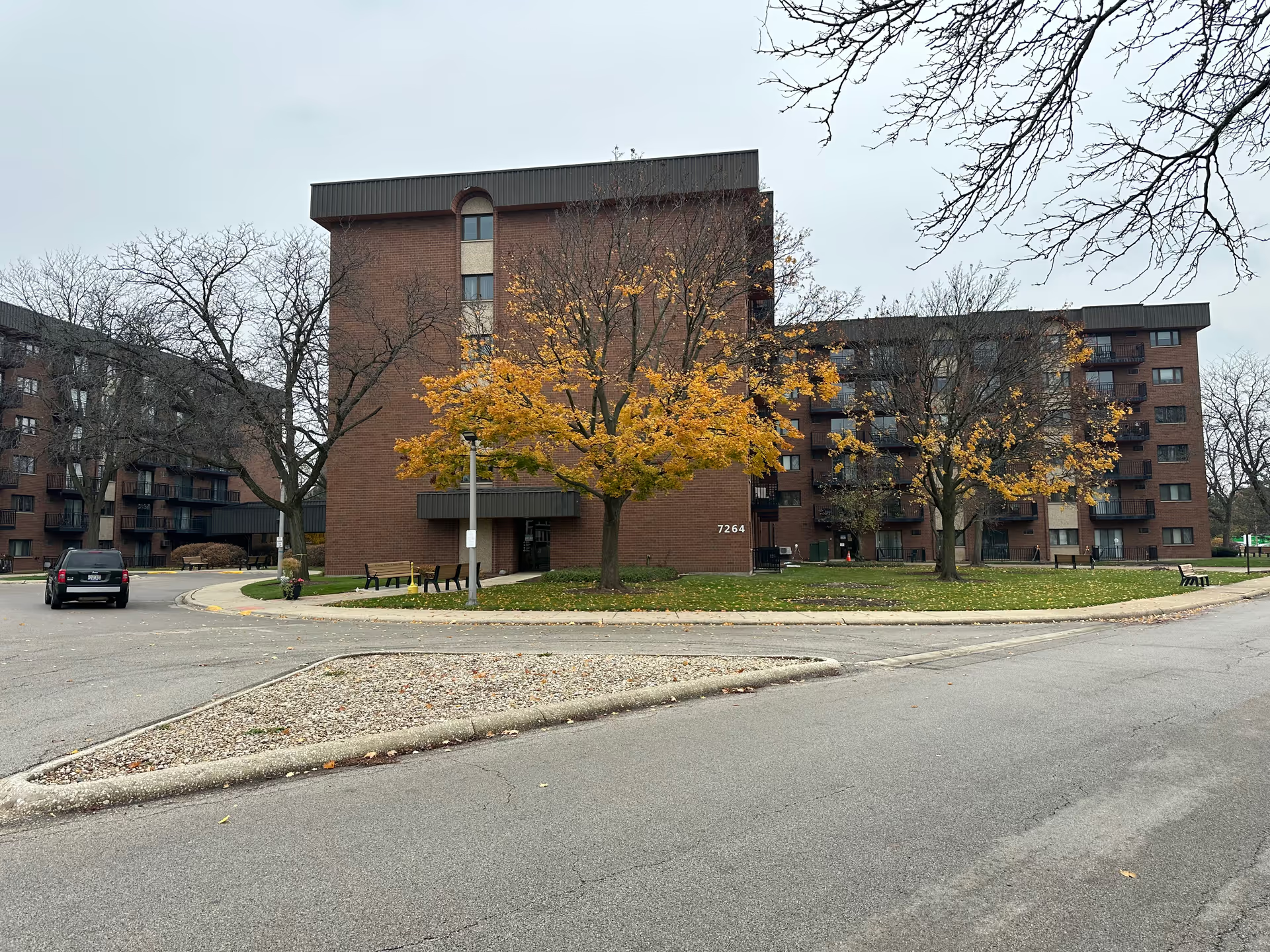
Reviews of Ascension Living Resurrection Village - Life Center describe a mixed picture in which several consistent strengths coexist with operational gaps that matter for higher-acuity patients. On the positive side, many families and residents praise the clinical practitioners who work directly with patients: therapists (OT, PT, SLP) receive frequent commendation for skill and compassion; nurse practitioners and physician assistants are described as knowledgeable and helpful; wound care and rehabilitative services are often cited as effective. Nursing assistants and many nurses are characterized as caring and attentive, and some reviewers highlighted smooth discharge coordination and supportive social-services interactions during transitions.
At the same time, a pattern of staffing and process weaknesses emerges across reviews. Staffing levels are described as inconsistent — with particular strain on weekends and at shift change — which reviewers link to slow response times to call bells and delays in assistance for basic needs. There are also repeated concerns about gaps in monitoring and clinical processes, including lapses in vital-sign checks and medication-related procedures; a subset of reviewers described incidents that resulted in emergency transfers and formal complaints, indicating that these process gaps can have serious consequences in individual cases. Communication breakdowns among nursing, social services, and leadership are reported, and some families found the executive-level response to concerns insufficient.
Dining and nutrition receive mixed evaluations. Kitchen and dietary staff are generally seen as pleasant and accommodating, but reviewers note limited healthy-menu options and challenges accommodating specific dietary restrictions. Therapy availability is a relative strength in clinical skill but a potential limitation in volume: several reviewers felt therapy hours were fewer than expected for their level of need or were not aligned with pre-admission representations about inpatient rehab intensity. Financially, families should be aware of potentially significant out-of-pocket costs once Medicare-covered therapy ends.
Facility and management observations are likewise mixed. Many reviewers describe a home-like, restful atmosphere, private rooms, and accessible grounds for walking. Others point to maintenance and upkeep needs in parts of the building, occasional sanitation or housekeeping inconsistencies, and some safety-practice concerns such as unsecured mobility equipment and transfer delays. Staff conduct and professionalism are generally praised, but there are reports of variable tone and isolated incidents that families found concerning; these underline the importance of active family engagement and communication. Management responsiveness varies in reviewer experience: some describe compassionate and effective social-services involvement and smooth transitions, while others experienced delays or unreturned communications from leadership.
Overall, the facility offers notable rehabilitative expertise and many compassionate front-line caregivers, making it appropriate for residents seeking therapy and supportive short-term stays. Prospective residents and families should assess acuity and supervision needs carefully: those requiring close monitoring or reliable, timely assistance may want to confirm staffing patterns (including weekend coverage), clarify expected therapy intensity, review protocols for monitoring and escalation, and discuss dietary accommodations and anticipated costs after Medicare benefits end. Direct communication with clinical leadership and social services before admission, and periodic checks during a stay, are advisable to ensure expectations align with day-to-day operations.