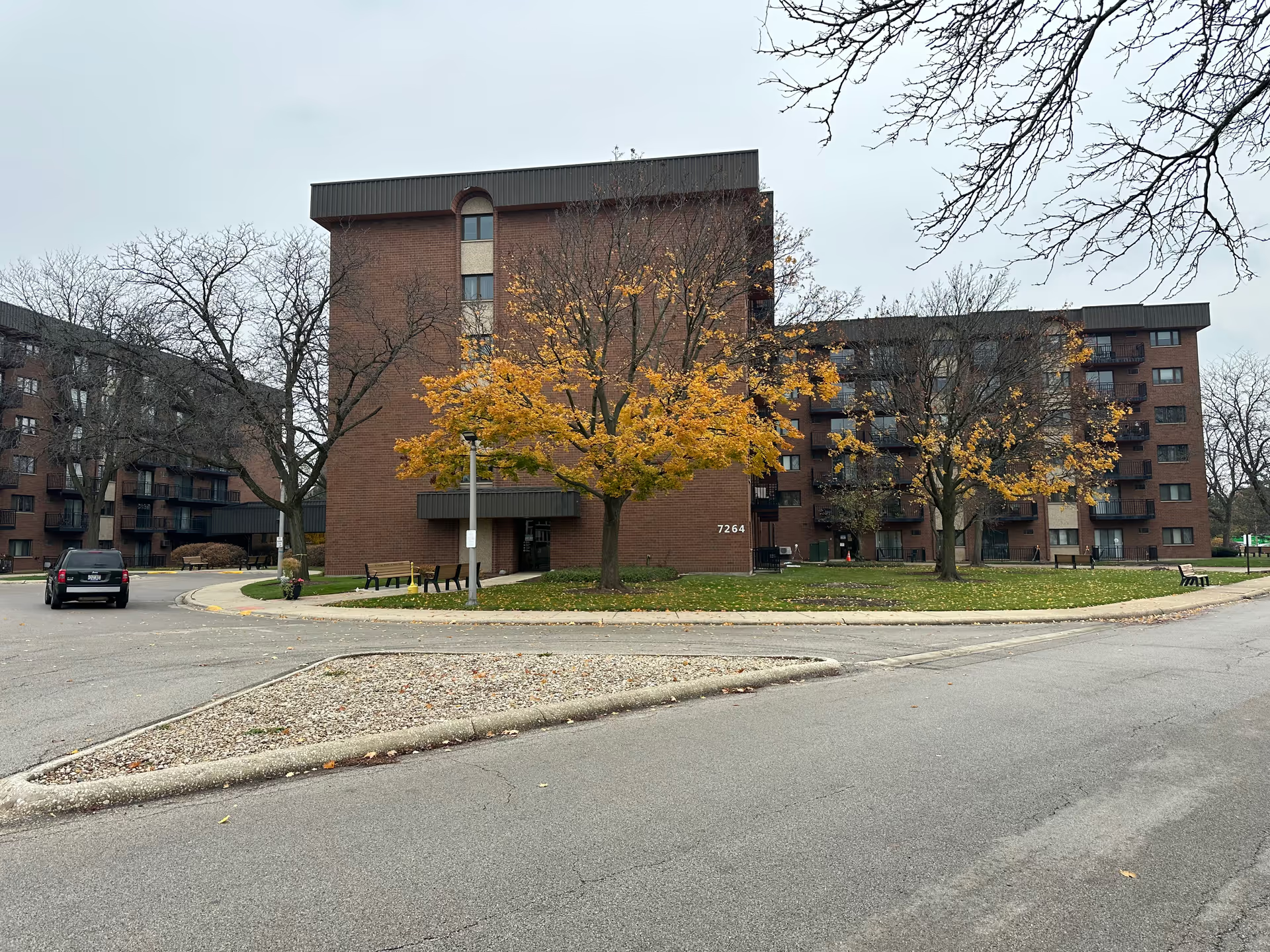
Peterson Park Health Care Center elicits mixed impressions. Many families and visitors praise frontline caregivers—especially certified nursing assistants—and note the presence of licensed nurses and physical-therapy resources. The facility offers a secured wing for residents with cognitive impairments and on-site therapy equipment, an active program of activities that supports socialization, and several recently remodeled, brightly decorated common areas. Its compact layout, generally adequate room sizes, and convenient location near public transportation are commonly seen as practical advantages.
Care quality is described unevenly. Positive accounts emphasize compassionate, hands-on CNAs, responsive nurses during family meetings, and administrative responsiveness when issues are raised. Conversely, concerns center on variable staff training and clinical competence, occasional understaffing that can lead to delays in care and increased fall risk, and instances of what families described as problems with nurse conduct or tone. Language barriers between some clinical staff and families (notably non-English-speaking staff) are a recurring operational issue that can complicate clinical communication and family engagement.
Dining and nutrition are another area of divergence. Several notes indicate limited menu variety and dissatisfaction with meal quality, with some families calling food options non-nutritious or repetitive. Meal delivery practices (in-room trays versus communal dining) and the size of the dining/cafeteria area are constrained by the facility’s footprint, which affects the dining experience for some residents.
Activity and therapy offerings are frequently cited as strengths. Reviewers describe an engaging calendar of activities, opportunities for residents to form friendships, and a well-appointed exercise/therapy area on the second floor. The secured cognitive-care wing with dedicated PT staffing and equipment is a specific operational strength for residents with memory or related needs.
Facility condition and safety present a mixed picture. Positive comments reference clean rooms, maintained interiors, safe neighborhood surroundings, and well-kept sidewalks. At the same time, reviewers raise sanitation concerns in certain areas, water- and maintenance-related problems, limited outdoor space, and congested hallways and common areas that can feel crowded or noisy. Infection-control measures and visitor screening were noted as strict during health events; some families found visitation rules restrictive and inflexible.
Management and communication show both responsiveness and gaps. Several families praised quick resolution of issues and an accessible social-services team; others reported difficulties reaching staff by phone, inconsistent follow-through, and communication challenges tied to language differences. Prospective residents and families should ask specific questions about staffing patterns, language-capable staff, visitation policies, and how the facility addresses sanitation and maintenance needs.
Overall, Peterson Park has clear operational strengths in frontline caregiving, therapy resources, and communal programming, but it also shows variability in housekeeping consistency, staff training and staffing levels, meal service, and family communication. A focused in-person visit that inspects cleanliness, dining, activity programming, staffing during peak hours, unit layout, and language-access provisions will be useful for families weighing placement here.