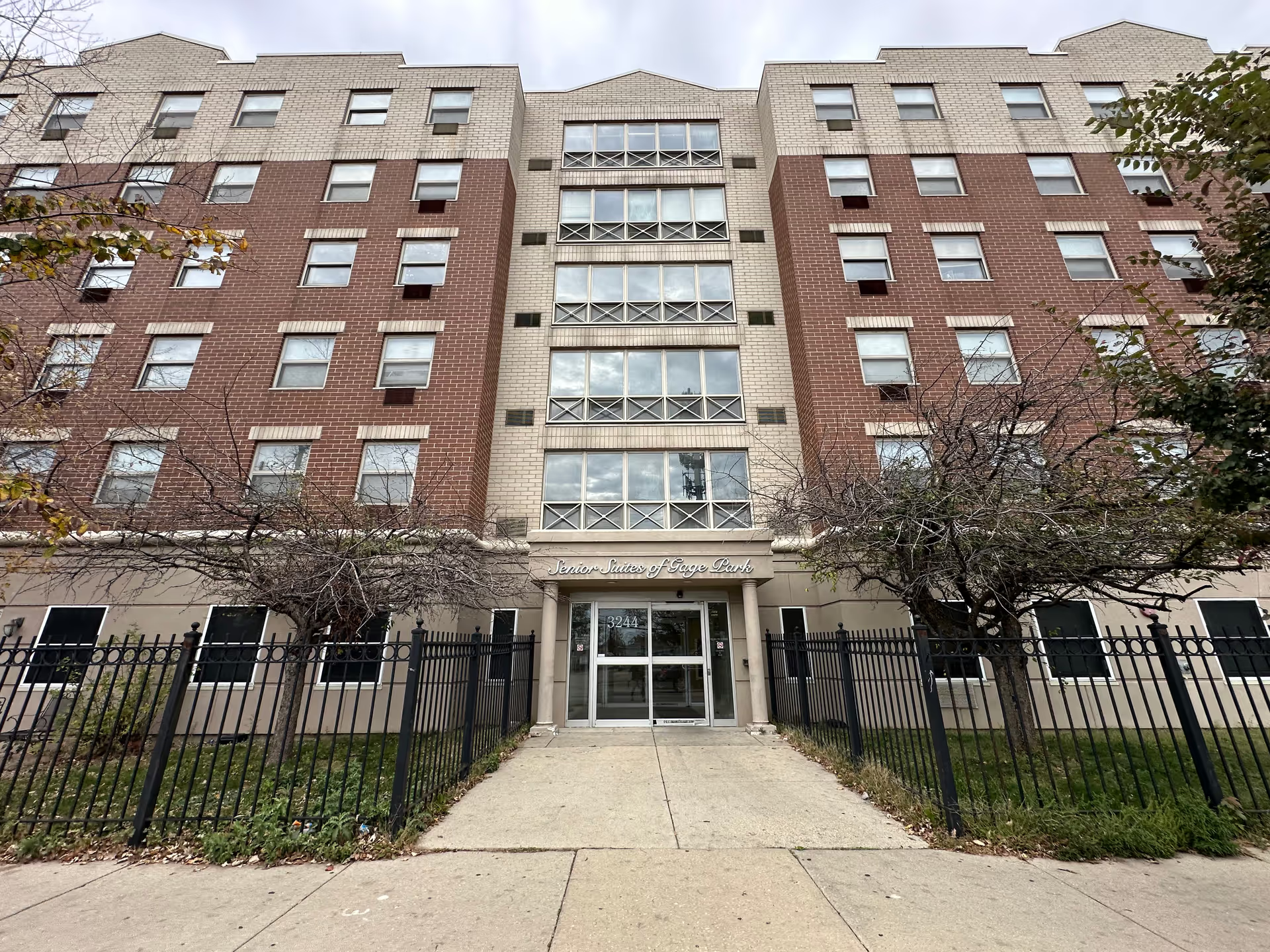
Reviewer accounts of Avantara Evergreen Park present a mixed picture, with clear strengths in rehabilitation and activities but recurrent operational concerns that affect day-to-day care. Many families and residents describe effective inpatient therapy, a proactive rehab team, and staff who help residents regain confidence for discharge. The community’s activity offerings (bingo, movies, exercise groups, and walkable grounds), accessible location, and social-work/discharge support are consistently cited as positives. Several accounts also emphasize a clean, homelike interior and 24/7 clinical access as contributors to peace of mind.
At the same time, a substantive set of critiques centers on staffing and responsiveness. Reviewers describe chronic understaffing, high CNA turnover, and weekend coverage gaps that correlate with delayed responses to call lights and unmet care requests. These operational staffing pressures are linked to inconsistent therapy delivery, delays in basic care tasks, and variability in how promptly residents receive attention. Some reviewers noted that individual staff members perform well under difficult conditions, while other shifts or team members demonstrate less reliable responsiveness.
Clinical-safety concerns appear in several areas of operations. Multiple accounts raise issues around medication-management controls (including the absence of a consolidated medication list), inconsistent dietary and swallowing-safety practices, and gaps in infection-control procedures and personal-item tracking. Physical-plant problems such as water leaks and water-quality concerns, along with reports of outdated or poorly maintained sections, further contribute to a perception of uneven facility maintenance.
Communication and management are recurrent themes. Families describe both positive, transparent communication from certain nurses and social workers and, conversely, periods of unresponsive or defensive management communication. Complaints include difficulty engaging leadership, unclear coordination around admissions and transfers, and perceived dishonesty or poor administrative follow-through in isolated cases. These organizational issues amplify the effects of staffing and clinical-process gaps.
Dining and activities are relative strengths: meals are often described as palatable and activities are engaging, though there are isolated concerns about therapeutic-diet consistency and choking-risk precautions. The rehab program and therapy team receive frequent praise for clinical competence and successful discharge preparation. Overall, experiences appear polarized — many residents report excellent, compassionate care and effective rehab, while others describe significant lapses tied to staffing, communication, and operational control.
For prospective residents and families: inspect staffing patterns (including weekend coverage), ask about medication-administration procedures and whether individualized medication lists are maintained, inquire about infection-control and personal-item tracking policies, and observe current therapy scheduling and response times to care requests. These targeted questions can help determine whether the facility’s strengths in rehabilitation and activities are matched by consistent operational practices on the units where care will be delivered.