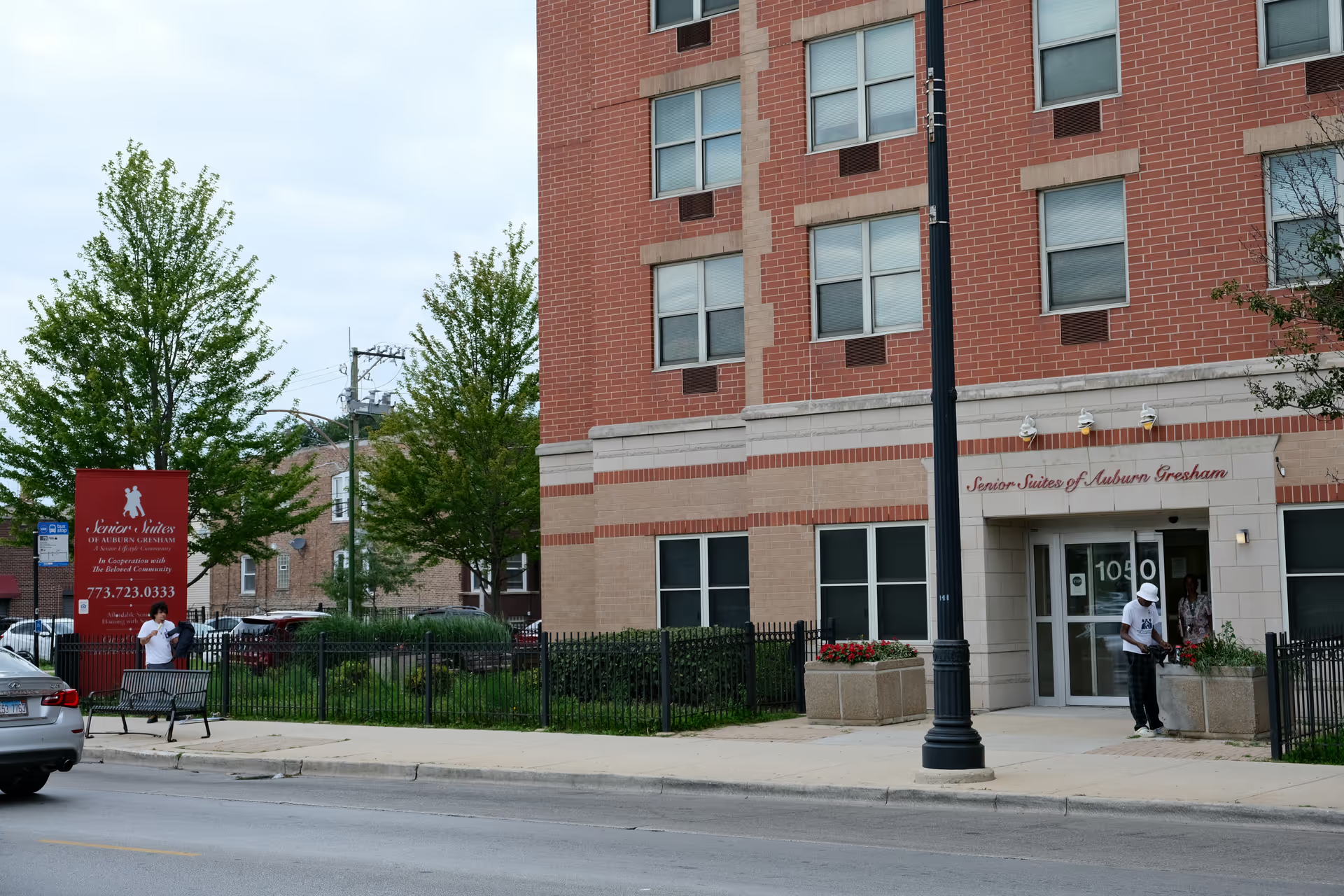
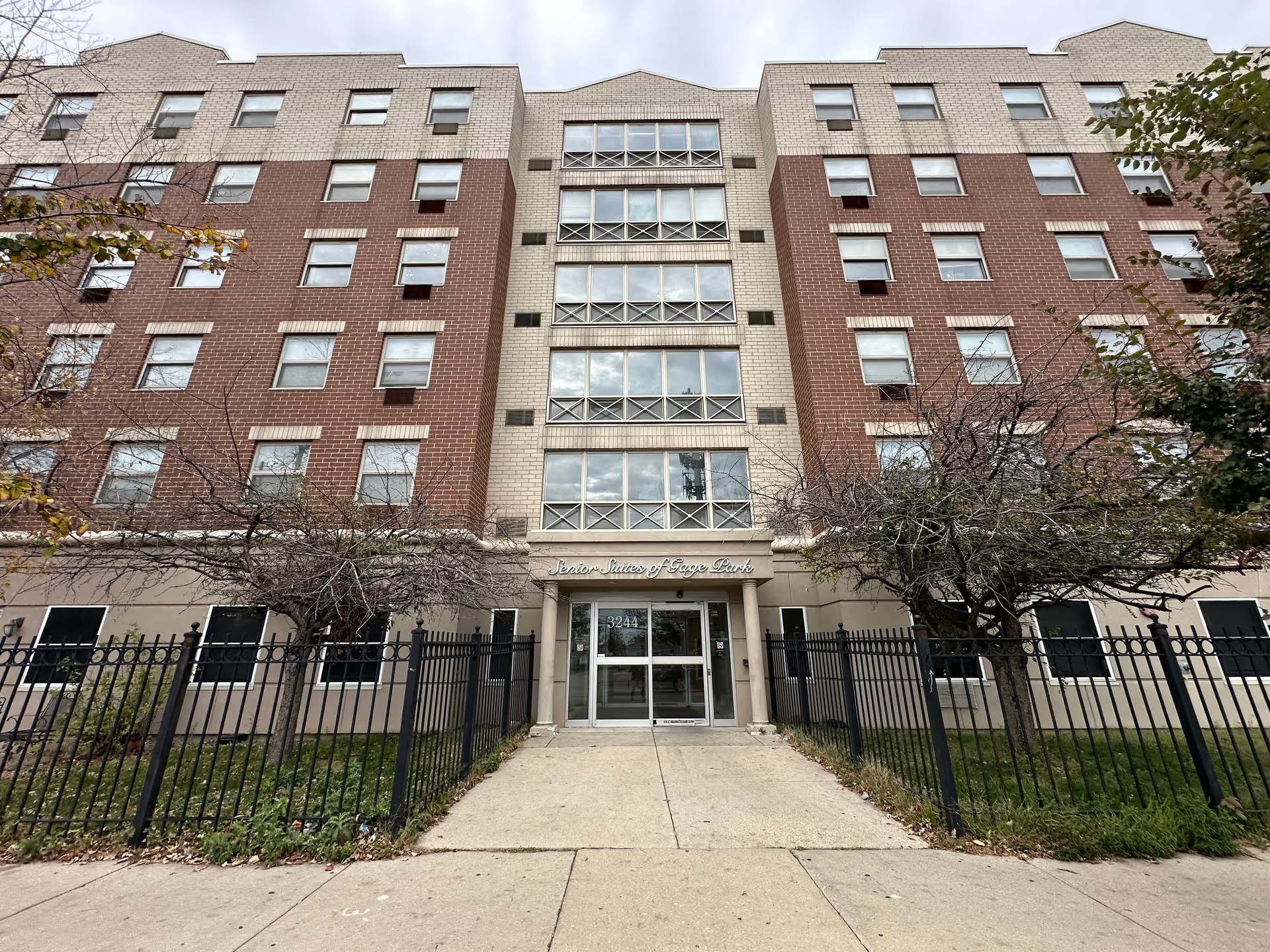
Reviews of the facility present a mixed picture with notable strengths in clinical rehabilitation and social support alongside persistent operational weaknesses. Positive themes include a cadre of skilled therapists (physical, occupational, and speech) and social workers who are frequently described as helpful and proactive. Many families credit the interdisciplinary therapy teams with measurable mobility gains and successful short-term discharges home. Nursing staff are often characterized as compassionate and attentive, and admissions personnel are regularly praised for being welcoming and informed. The facility’s location and comfortable room sizes, along with generally clean and well-maintained common areas, are further frequently cited positives.
At the same time, reviewers describe systemic issues that affect care consistency and safety. Understaffing—particularly overnight and on certain shifts—emerges as a recurring operational weakness that contributes to long call-light response times and delays in attending to personal-care needs, including toileting and bathing assistance. Multiple accounts indicate variability in care quality from one unit or floor to another and uneven performance between day and night staff. These patterns are associated with family concerns about timely attention and dignity of care.
Communication and coordination gaps are another prominent theme. Families describe instances of medication changes, missing physician or pharmacy orders, and poor handoffs during discharge planning that led to confusion and, in some cases, hospital readmission. There are repeated mentions of inconsistent messaging between nurses, physicians, and family members and of disjointed discharge processes without timely family conferences. Billing and insurance conversations also appear to be a source of frustration for some families.
Operationally, the dining program and environmental maintenance show mixed performance. Some reviewers found meals satisfactory and appropriate for rehabilitation needs, while others described cold or greasy meals, meal-assistance shortfalls, and dietary-adherence concerns. Cleanliness and upkeep are strong in many areas, but there are multiple references to sanitation and odor concerns in select areas, as well as broken furniture, cracked room finishes, and other maintenance deficits. These issues appear to be concentrated in particular units rather than facility-wide, reinforcing the pattern of variability.
Activities and resident life receive modestly positive comments: the facility offers organized activities such as bingo and movie nights, and therapy programs often incorporate functional activities that support recovery. However, limitations on participation (for example, related to vaccination status) and inconsistent activity staffing reduce engagement for some residents.
In summary, the facility demonstrates clear strengths in rehabilitation services, social work support, and in many instances compassionate nursing care. These strengths produce positive outcomes for a number of residents. However, persistent operational challenges—most notably staffing shortages, variability across units and shifts, communication breakdowns around medications and discharge, and localized sanitation and maintenance issues—create risk areas that prospective residents and families should evaluate carefully. A pattern of inconsistent responsiveness and coordination suggests benefit in asking targeted questions about staffing levels on specific units and shifts, medication-management protocols, discharge-planning processes, and recent regulatory or quality-improvement actions before admission. A small number of families have escalated particularly serious concerns to oversight agencies, so verifying current corrective actions and monitoring metrics with facility leadership is advisable.