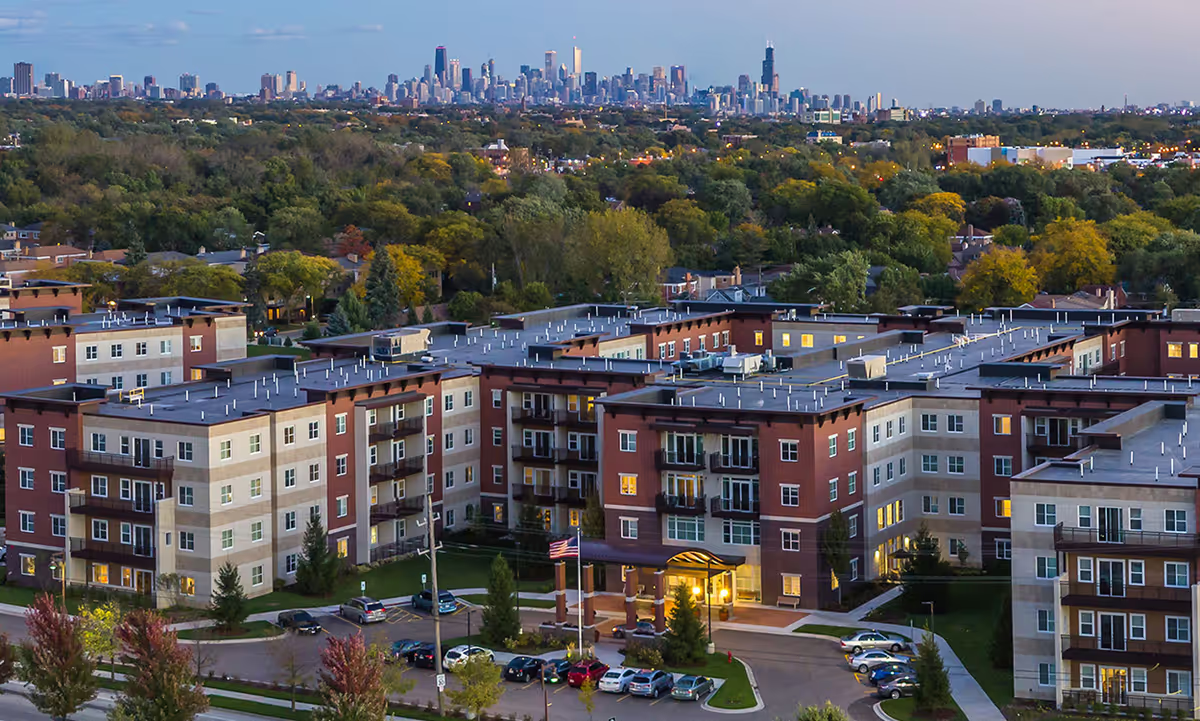
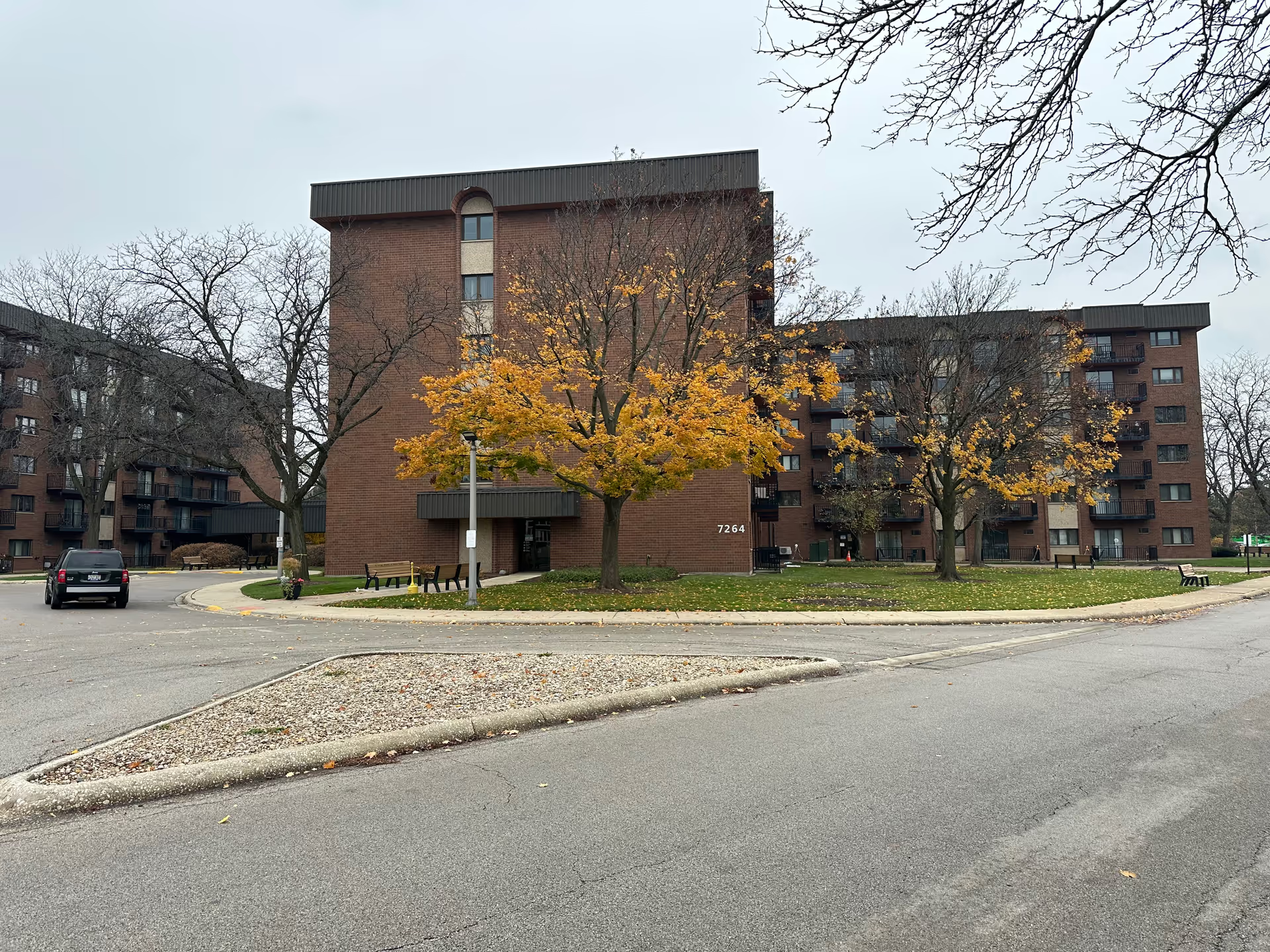
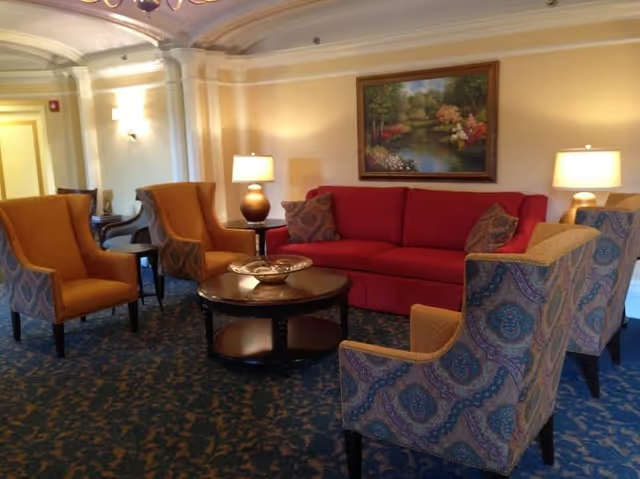
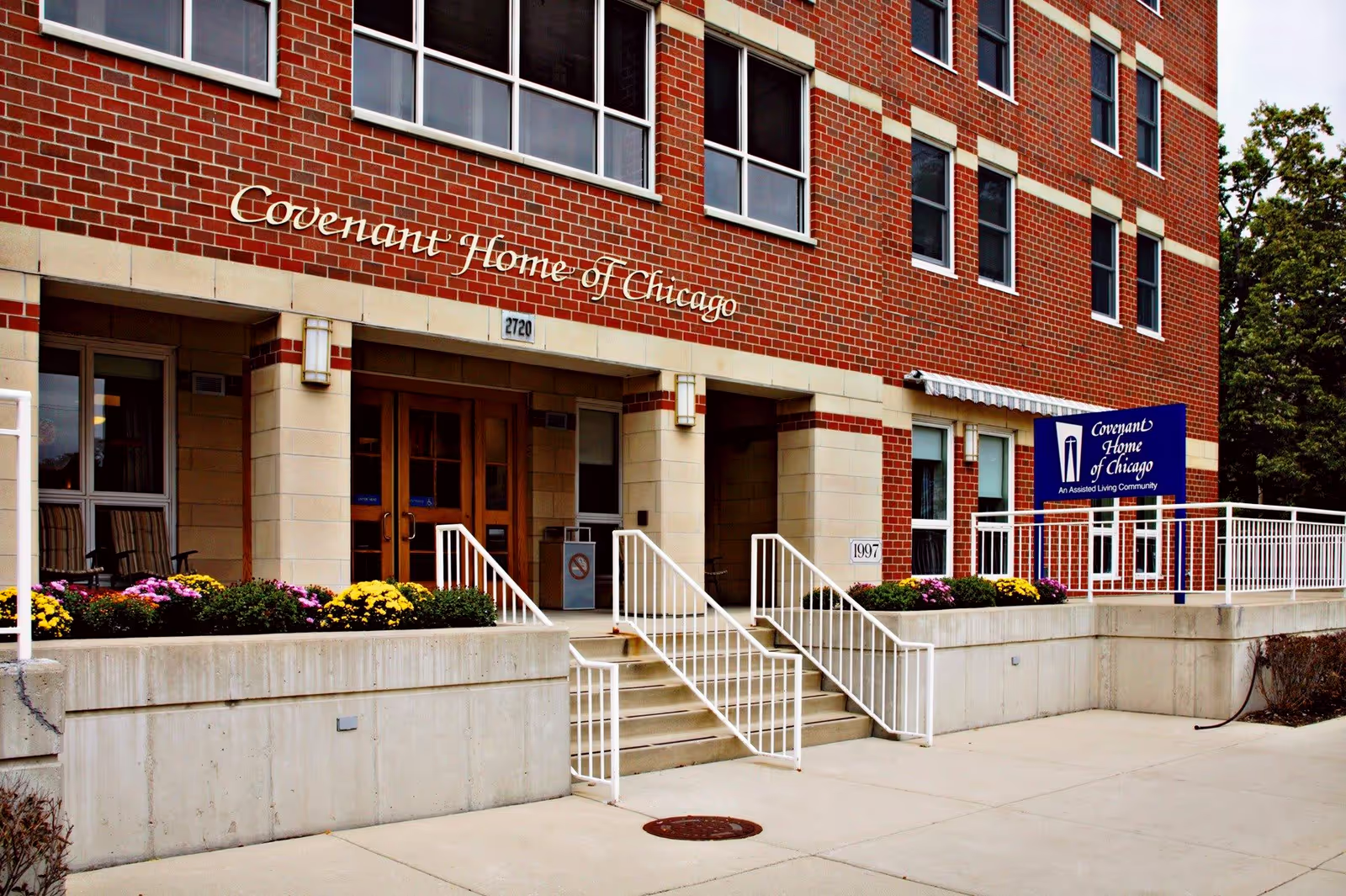
Reviews for this facility present a mixed picture in which strong rehabilitation services and a pleasant physical environment coexist with recurring operational and communication weaknesses. Many families and residents praised the therapy teams, citing effective PT/OT, measurable functional gains, and compassionate therapists and aides. The building itself is frequently described as bright, newer, clean, and home-like, with spacious rooms and active social programming such as arts and crafts, music, exercise groups, movies, and snack/ice-cream amenities that contribute to a social atmosphere.
At the same time, a consistent theme across reviews is inconsistent staffing and its downstream effects. Several reviewers described limited or delayed nursing and CNA coverage, particularly on certain units or shifts, and linked that shortfall to delays in attending to basic needs, inconsistent hygiene maintenance, and inadequate incontinence care. Reviewers also raised concerns about gaps in clinical oversight and care planning — examples included missed or delayed therapy sessions, inconsistent wound/skin management, medication and discharge coordination problems, and cases that resulted in rehospitalization or other serious outcomes. Several reviewers referenced serious adverse outcomes, including a resident death and medication-management concerns, which they attributed to lapses in clinical follow-up and communication.
Communication and administrative processes emerge as another area of variability. Positive notes include supportive individual staff members and an on-site admissions director in some instances, but other families described an unprofessional or unresponsive admissions experience, difficulty obtaining callbacks from the front desk or social work, and delays or confusion during qualification and discharge. Third-party transport coordination and billing practices were also flagged as problematic by reviewers who experienced high charges and perceived a lack of transparency. Equipment and room-readiness issues — such as malfunctioning wheelchairs or antiquated rooms at arrival — were reported alongside generally positive impressions of facility cleanliness, suggesting uneven maintenance practices.
Dining and dietary accommodations showed mixed feedback. Several reviewers praised the food variety, initial meal quality, and snack options, while others reported repetitive menus, undercooked items, limited vegetarian choices, and meals that did not meet prescribed dietary restrictions in some cases. Activity offerings were consistently cited as a strength when staffing allowed, but reviewers noted that programming and rehabilitation availability could decline when staffing was thin.
Overall, the pattern suggests a facility with strong therapeutic capability and a generally pleasant environment, tempered by operational challenges that affect consistency of care: staffing variability, communication breakdowns, discharge/medication coordination issues, and occasional sanitation and maintenance shortfalls. Prospective residents and families should consider asking targeted questions at tour and intake about staffing ratios on different units and shifts, wound-care and medication reconciliation protocols, dietary accommodations, transport costs and vendor arrangements, and how the facility manages coverage during staffing shortages to judge whether the facility’s strengths align with their needs.