The reviews present a predominantly positive picture of Pillar of Cedar Valley with consistent praise for the facility’s caregiving culture, rehabilitation services, and resident programming. Many families emphasize compassionate, attentive staff and long-tenured team members who know residents by name. The therapy and nursing teams receive repeated commendation for helping residents regain mobility and independence, and short-term rehabilitation outcomes are frequently described as successful. Admissions and intake processes are often characterized as responsive and smooth, and administrative involvement is viewed positively by numerous families.
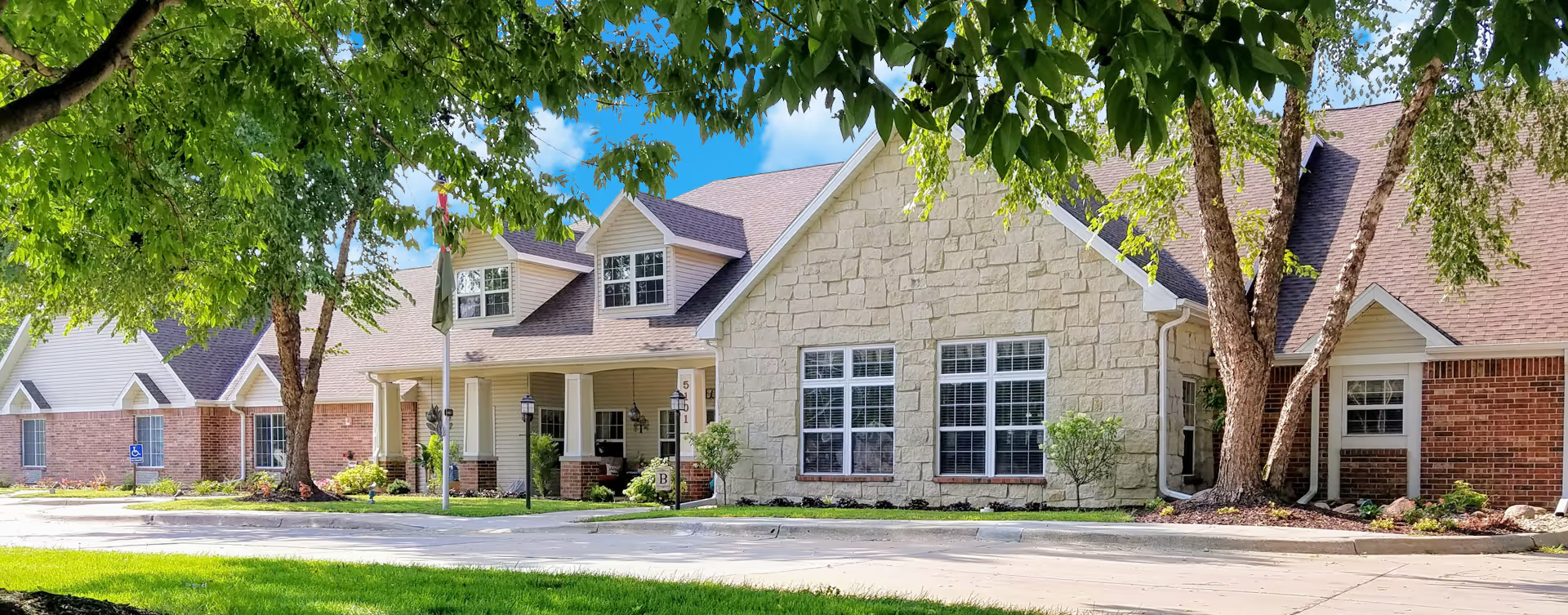
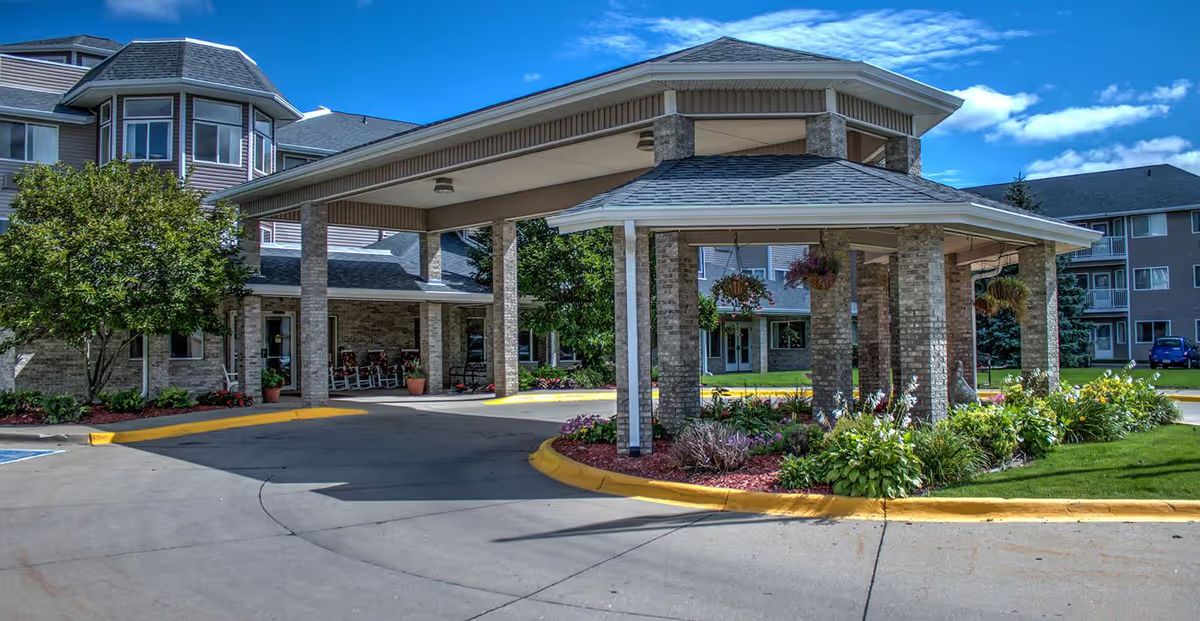
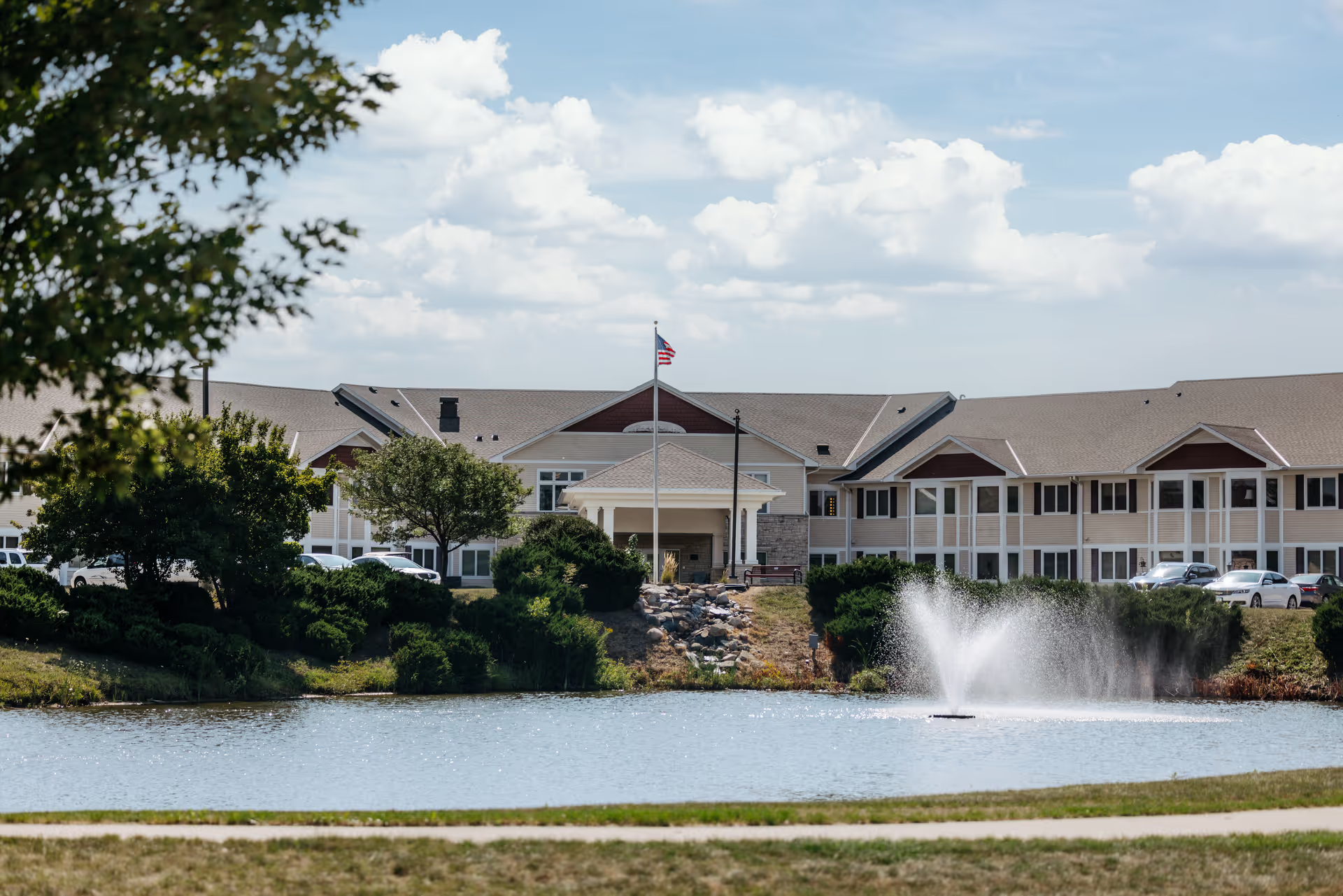
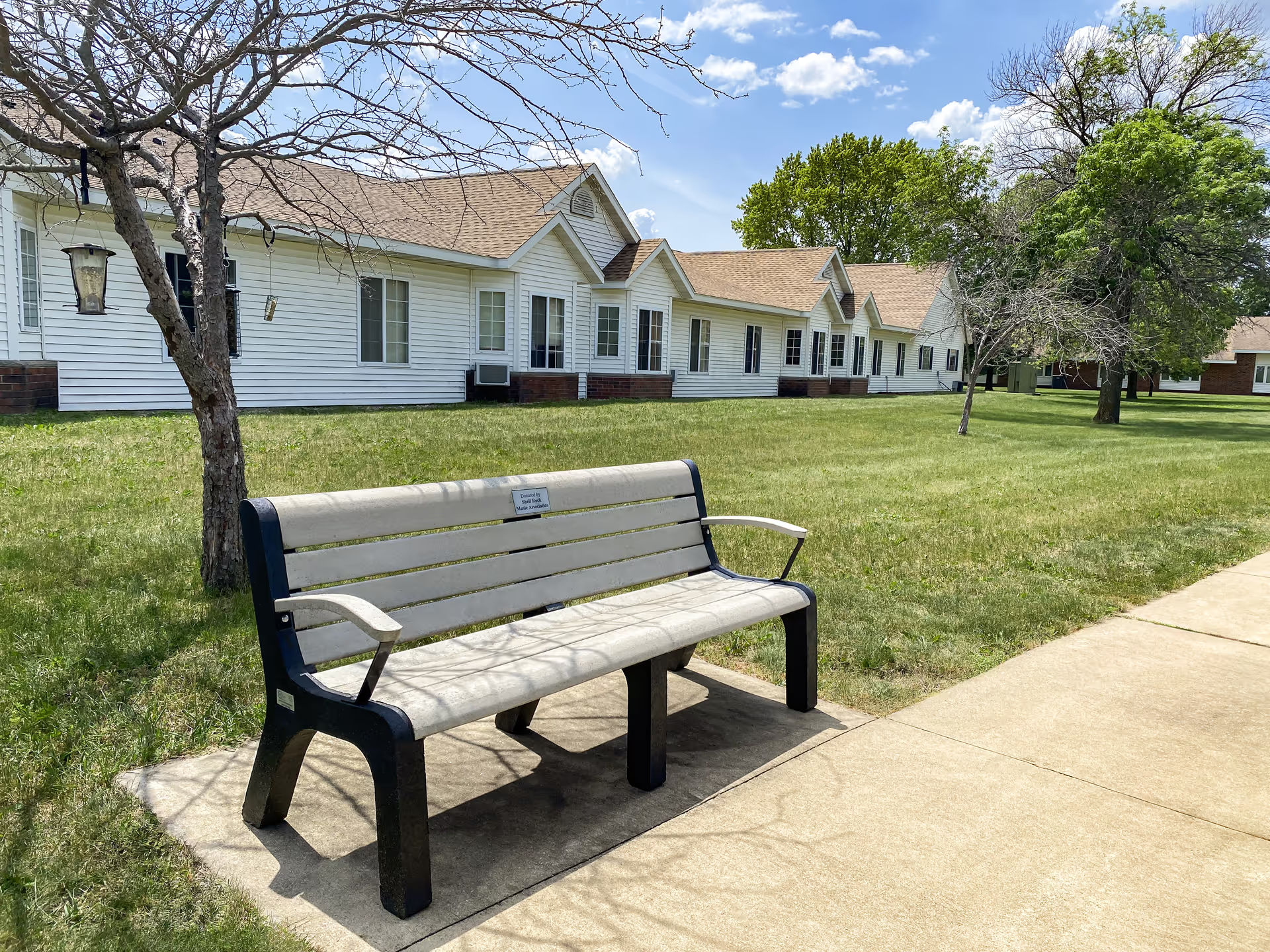
Activities and amenities are another recurring strength: reviewers note a broad calendar of social and therapeutic programming, on-site services such as a beauty shop, and a generally warm, family-like atmosphere that supports residents’ mental and social needs. Several accounts highlight strong team coordination and proactive problem-solving by staff and management, alongside clear health updates and communicative interactions in many cases. The facility’s physical environment is often described as clean and inviting, which supports the overall sense of a resident-centered setting.
Alongside the positive themes, a subset of reviews raises operational concerns that prospective families should consider. Key patterns include delays in staff responsiveness at times and variability in individual staff performance or conduct. Several reviews imply sanitation concerns in particular resident rooms and common areas and indicate gaps in incident reporting and documentation. Communication quality with families appears uneven: while some families report timely, clear updates, others describe inconsistent or poor communication. Related operational issues inferred from reports include weaknesses in transfer and safety practices and inconsistent mealtime assistance or food monitoring. A few reviews also raise infection-control and pest-control concerns and identify gaps in bereavement and end-of-life family support.
Taken together, the pattern suggests a facility that delivers strong clinical rehabilitation and a compassionate culture for many residents, supported by engaged leadership and numerous satisfied families. However, the presence of intermittent operational lapses—around responsiveness, sanitation, incident documentation, and family communication—indicates variability in day-to-day execution. Prospective residents and families may benefit from an in-person tour and direct questions about staffing ratios, incident reporting procedures, infection-control protocols, transfer-safety practices, mealtime assistance, and bereavement support to assess how consistently the facility sustains the high-quality care described in many reviews.