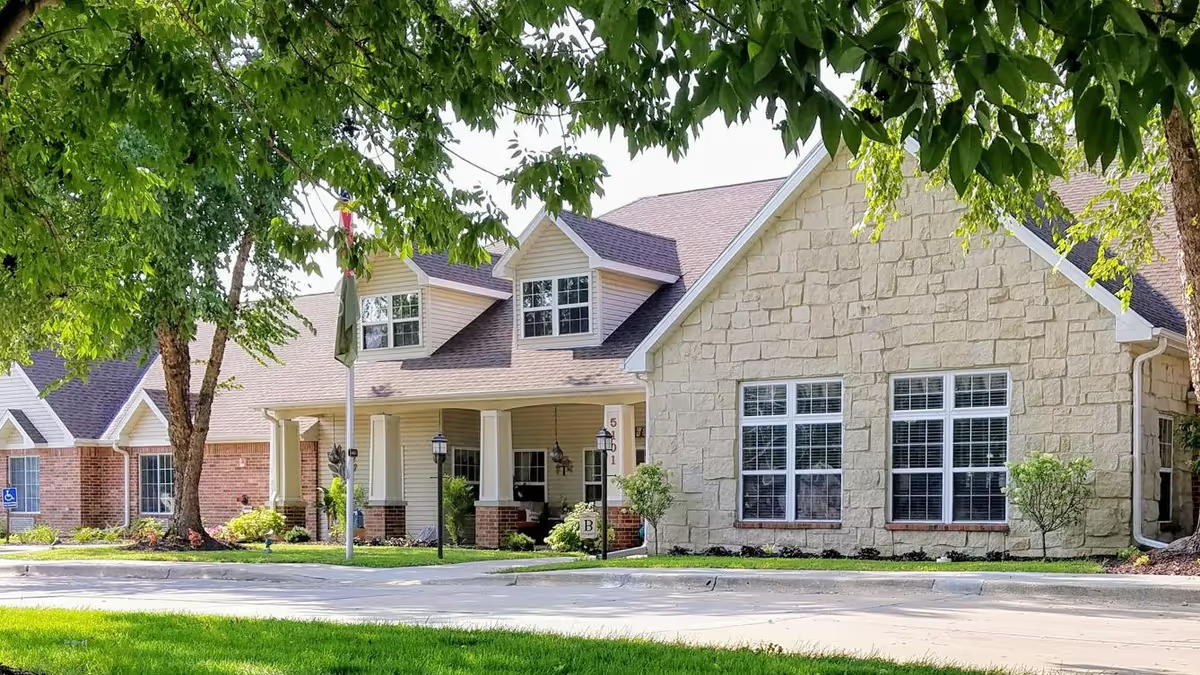
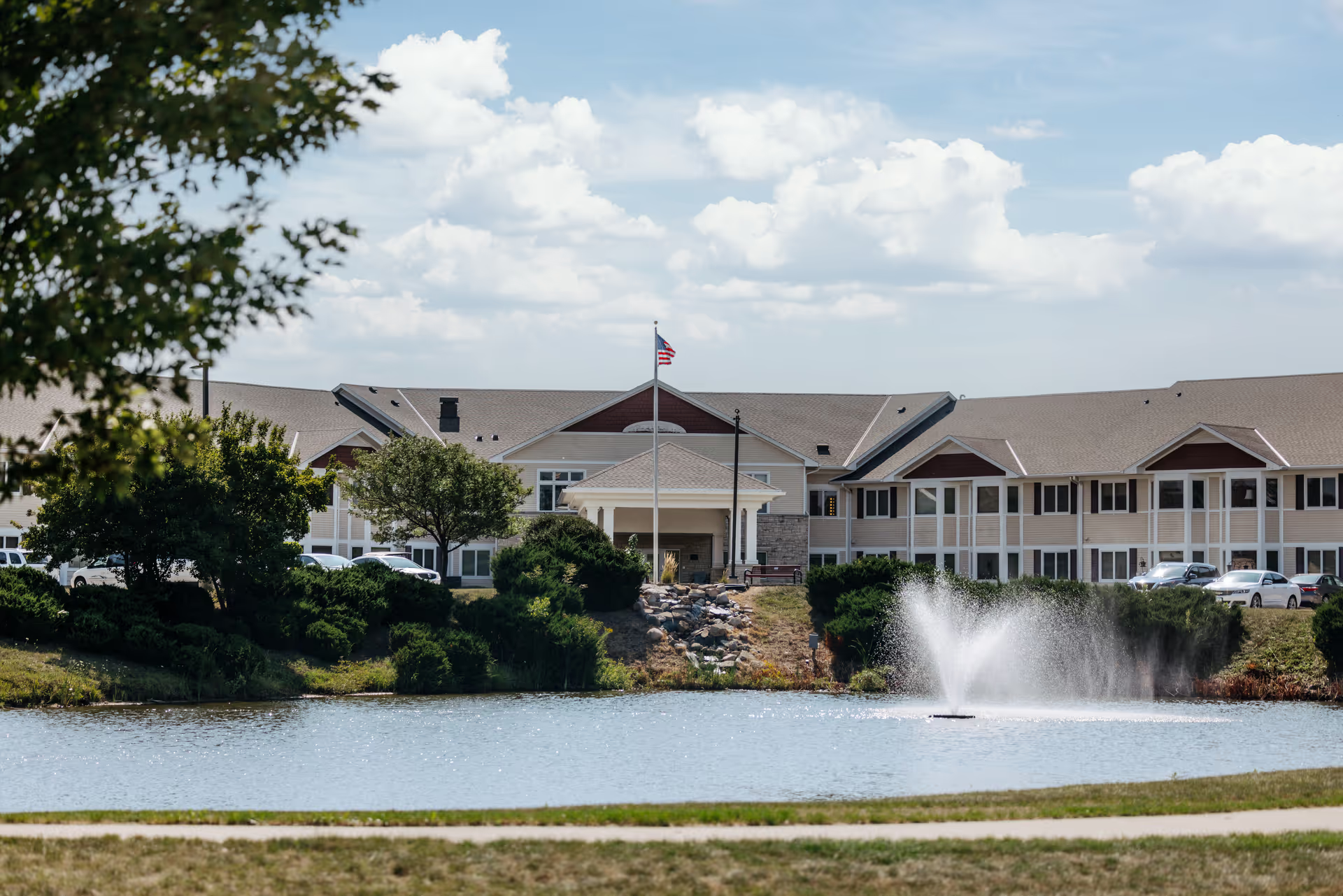
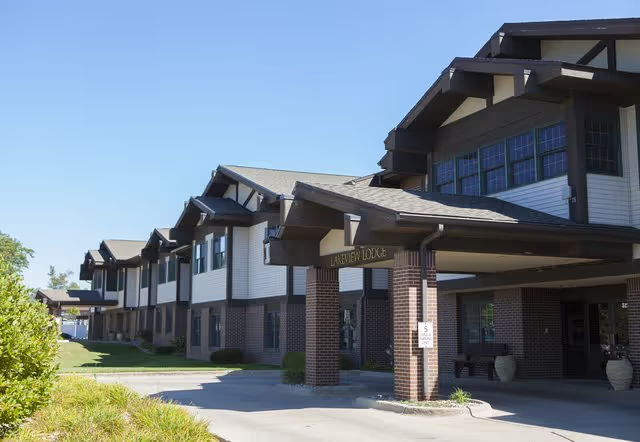
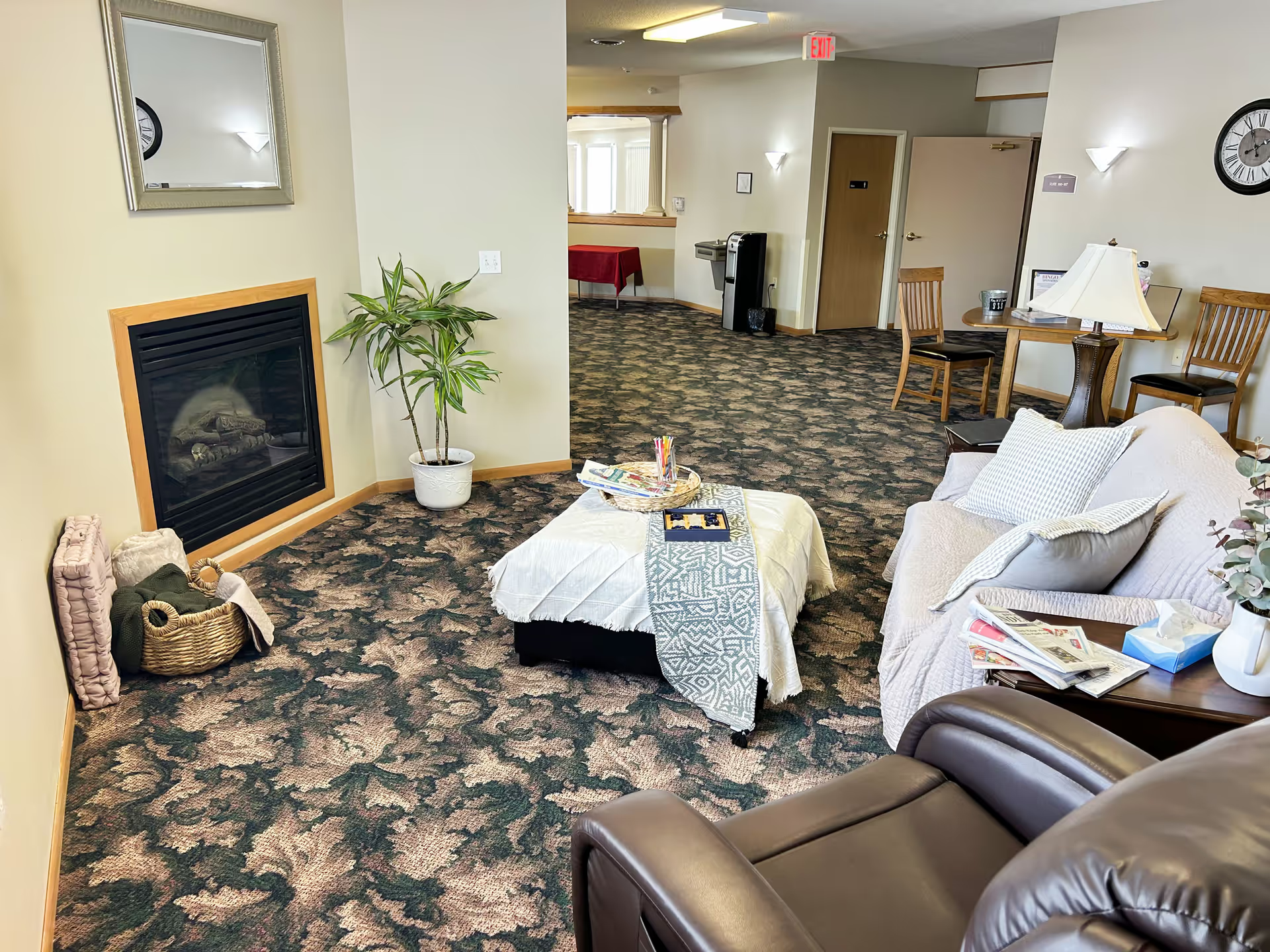
Overall impression Mallard Point presents as an independent-living community with a strong emphasis on social engagement, a campus-style environment, and an all-in-one service model that appeals to older adults seeking minimal-care, maintenance-free living. Feedback consistently highlights a welcoming atmosphere, well-kept common areas (recently refreshed in renovation work), comfortable apartment options with balconies or nature views, and a range of on-site amenities including a salon, library, chapel, community rooms, and guest accommodations. The community is positioned for residents who can remain largely independent and want daily meals, housekeeping, and social programming bundled into monthly fees.
Care quality and clinical scope The facility operates as an independent-living setting rather than a licensed assisted-living or memory-care provider. There is no 24-hour nursing coverage and medication administration is not included in the standard monthly charge (an external provider can be engaged at additional cost). On-site therapy services and occasional supportive offerings exist, but families should plan for separate arrangements if their loved one needs routine clinical oversight, medication management, or higher-level personal care. For prospective residents with progressive care needs, Mallard Point is generally not suited as a long-term clinical solution without outside services.
Staff and management Staff behavior and interpersonal culture are recurring strengths: employees are frequently described as friendly, attentive, and familiar with residents’ names and preferences. Sales and admissions staff receive favorable mentions for being welcoming and helpful during move-in. That said, ownership and management transitions have been a source of operational disruption in some feedback: communication lapses, temporary service interruptions, and neighborhood-level changes were noted during periods of transition. Families should confirm current leadership, staffing stability, and how transition-related issues are being managed before committing.
Dining and food service Dining is a polarizing area. Many residents and families praise the dining room environment, desserts, and the convenience of three included meals served by waitstaff. Conversely, there are repeated concerns about inconsistent food quality, smaller-than-expected portions, repetitive menus, occasional cold or underwhelming entrees, and variability since recent ownership changes. Management has indicated a new food program is being implemented; prospective residents should sample current menus and ask about recent changes, portioning policies, and plans to address consistency.
Activities and social life Activity programming is a notable strength for socially engaged independent seniors. The community offers art projects, games, outings, exercise programs, and frequent social events; several comments single out an energetic activities director and high resident participation. However, the perceived quality and variety of programming vary over time—some families described lively offerings while others characterized activities as less interesting or declining. Prospective residents should review a current activity calendar and speak with current residents to assess fit.
Facilities, logistics, and operations Physical facilities and amenities are generally viewed positively: renovated dining and common areas, comfortable apartment layouts, on-site services (beauty shop, laundry, library), and a campus with quiet outdoor areas. Operational constraints identified include limited parking, small or single elevators and the absence of a freight elevator which complicates moving large items, and occasional hallway congestion from mobility devices. There are also ancillary-fee practices (e.g., chair rentals billed in short increments, VA billing nuances) and variability in guest-room condition. Notably, isolated pest-control concerns were raised and should be verified during a visit.
Notable patterns and guidance for families Mallard Point is best suited to older adults who value an active, communal independent-living environment and who do not require continuous medical supervision. Strengths are concentrated in staff–resident relationships, social programming, and bundled services that reduce day-to-day chores. Areas to probe on a visit include current dining performance and menu examples, staffing stability and turnover, specific clinical-service policies (medication administration, after-hours support), pest-control status, parking/elevator logistics, and any ancillary fees or rental policies. Asking management for recent resident satisfaction metrics, copies of current activity calendars and menus, and clarification of the community’s handling of ownership transitions will help families assess whether Mallard Point matches their priorities.