Overall impression: Reviews present a broadly polarized picture: many families and residents emphasize a warm, community-oriented environment with compassionate frontline staff and active programming, while other accounts raise operational concerns that appear linked to staffing, management changes, and cost increases. The facility offers a range of services valued by residents (therapy, activities, transportation, housekeeping), but consistency of those services is a recurring theme.
Care quality and clinical services: Multiple reviewers praised clinical supports — medication management, weight stabilization, in-house physical and occupational therapy, and therapeutic gait improvement were specifically noted. Those positive accounts describe attentive, dignified care that produced measurable benefits. Conversely, other accounts indicate declines in care consistency, staffing shortages, and insufficient supervision in certain situations; these operational weaknesses were linked to increased fall risk and reduced confidence among some families. Memory-care programming exists on-site and includes specialized activities, but families of residents with dementia indicated heightened needs for supervision and communication.
Staff and culture: Praise for direct-care staff is a dominant theme in many reviews — staff described as welcoming, respectful, and often on a first-name basis; specific roles called out positively include lifestyle counselors, activities directors, resident assistants, kitchen staff, and maintenance. Those accounts describe strong interpersonal engagement and a sense of community. That said, reviewers also described variability in staff skill and service levels, with comments that some administrative staff have been dismissive and that staff quality has fluctuated following ownership changes. The pattern is one of strong individual staff performance in many cases, but uneven consistency across the team and shifts.
Dining and meals: The facility’s dining model (restaurant-style table service, order taking, salad bar) and mealtime structure are frequently noted. Some reviewers reported enjoyable, high-quality meals; others described meal quality as unacceptable. The aggregate impression is inconsistent dining satisfaction — operational factors such as staffing, kitchen management, or recent changes may contribute to variability in food quality and mealtime experience.
Activities and social programming: Activity programming is regularly cited as a strength. Residents commonly participate in daily activities, exercise classes, music and group events, church services, bus outings, and social gatherings; these offerings support social engagement and adjustment to community living. Monthly newsletters and posted calendars are used to keep residents and families informed.
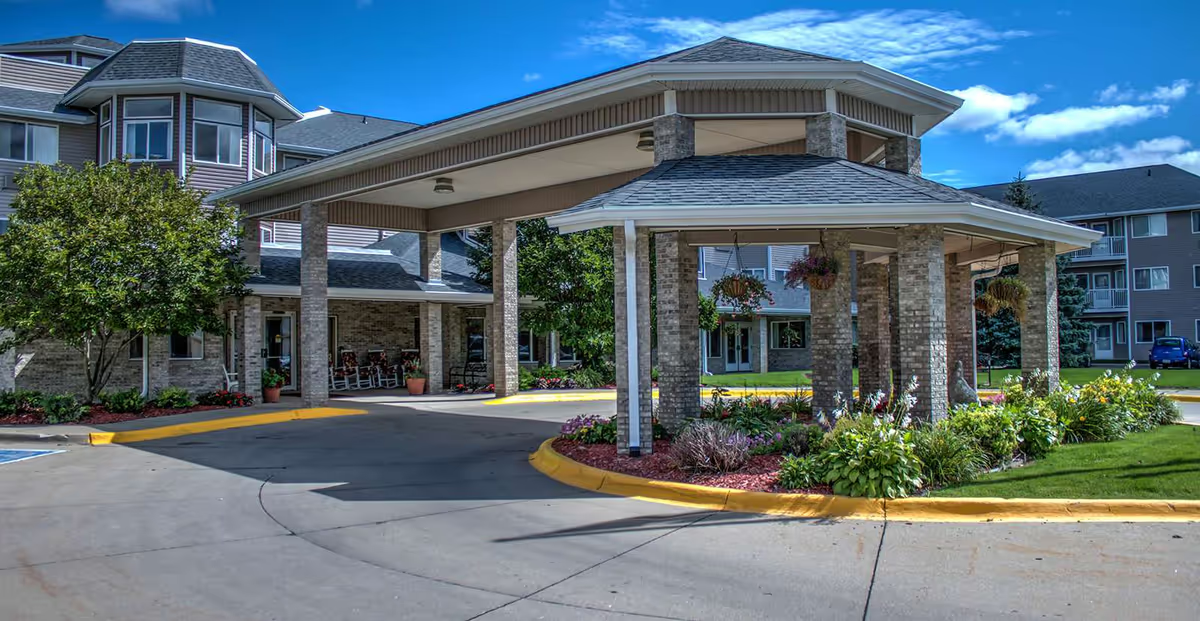
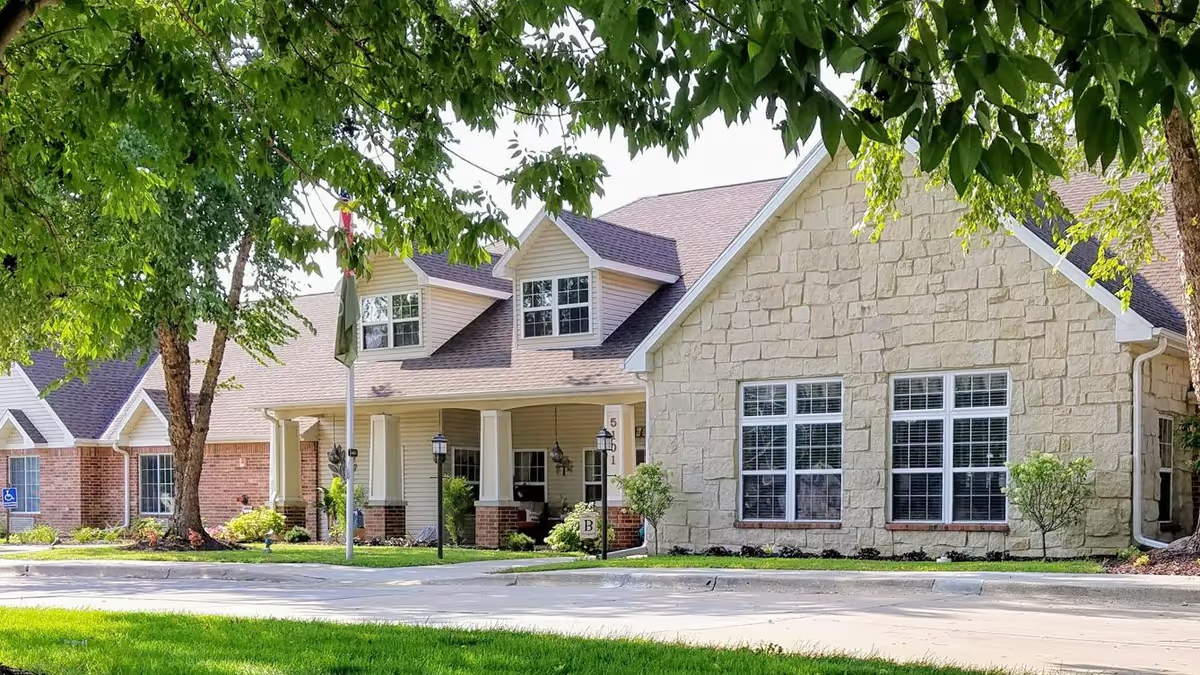
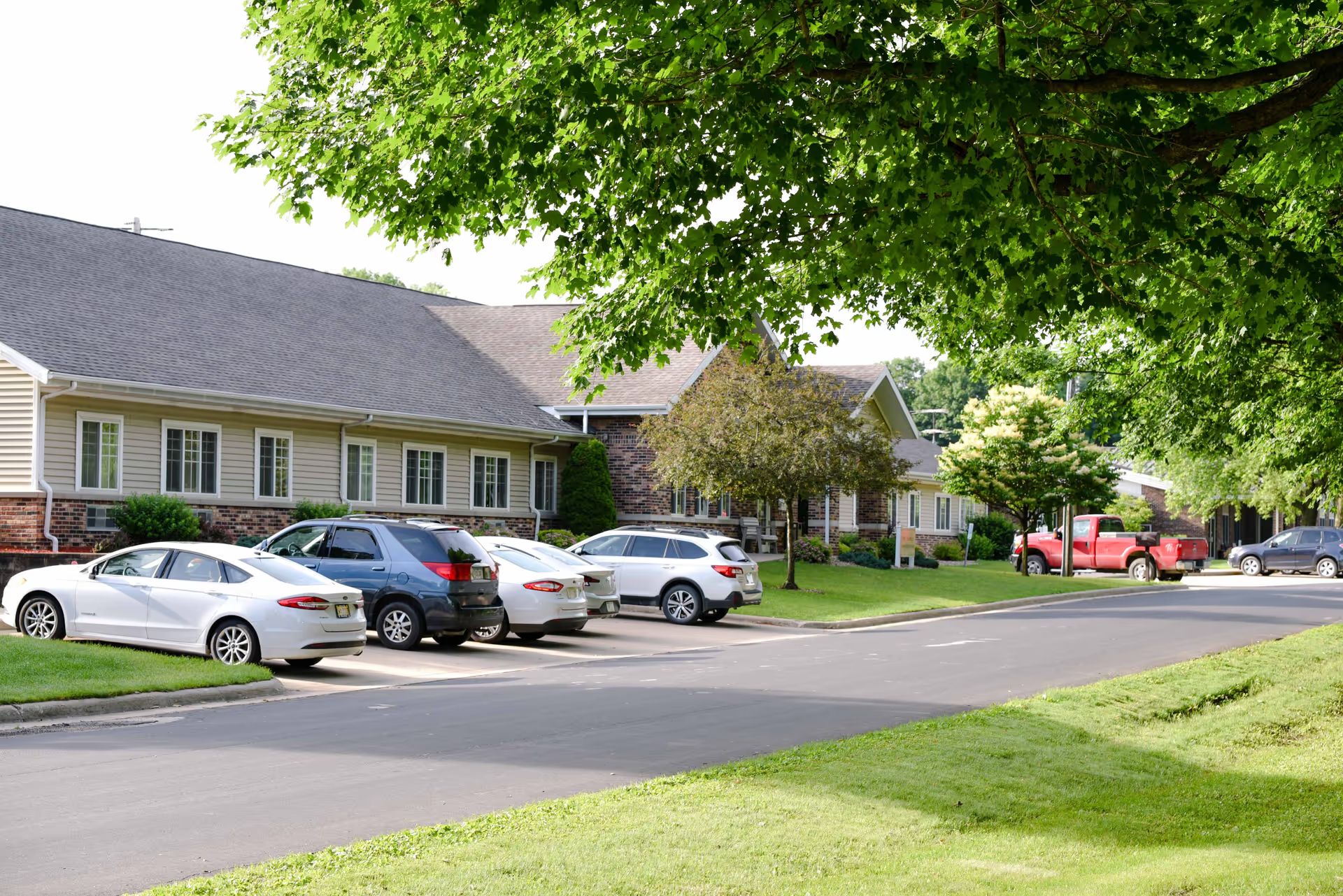
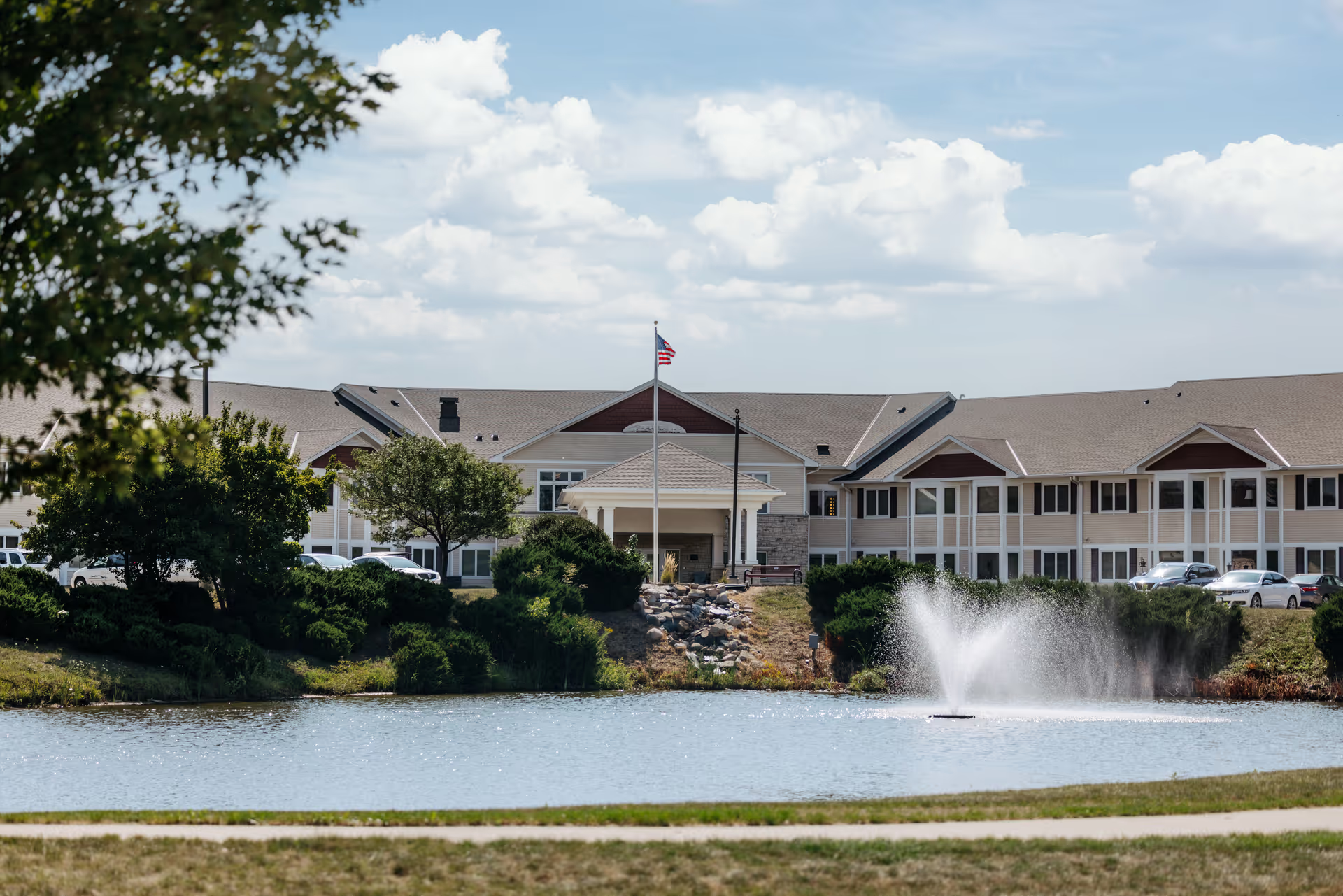
Facilities and amenities: The physical environment is generally described as clean, well maintained, and comfortable, with apartment-style living, private thermostats, pet-friendly options, and transportation services. Housekeeping and laundry services are available and often appreciated. Several reviewers noted that the smaller, community-oriented scale was a preference for them.
Management, fees, and notable patterns: A recurring operational theme is that an ownership change corresponded with higher fees, additional charges, and perceived declines in service quality for some residents. Reviewers expressed concerns about cost transparency, rising monthly expenses, and the clarity of what fees cover. Communication and administrative responsiveness received mixed comments — some families praised strong communication and coordination, while others reported unhelpful or dismissive administrative interactions. Transparency about staffing levels, supervision protocols, and visitor identification processes was described as insufficient by some families.
Conclusion and considerations: Prairie Hills at Independence shows clear strengths in staff-resident rapport, therapy availability, social programming, and facility amenities. However, there are consistent indicators of operational variability — particularly around meal quality, staffing stability, administrative responsiveness, supervision practices, and cost transparency. Prospective residents and families may want to clarify current staffing ratios and supervision protocols (especially for memory-care needs), request recent menus or meal samples, confirm fee structures and what services are included, and discuss how the community communicates with families after recent ownership or management changes.