Reviewers describe a facility with clear strengths in hands-on patient care and gaps in several operational areas. Nursing staff, paramedics and many frontline support workers receive consistent praise for attentiveness, compassion, and practical support; those roles are commonly credited with preserving patient dignity and providing emotional as well as clinical reassurance during emergency encounters. Several accounts also single out individual physicians for strong performance, and many reviewers note that the emergency teams can provide rapid stabilization and comprehensive medical services when needed.
At the same time, the facility appears to display variability in clinician behavior and clinical consistency. While some physicians and teams are described as knowledgeable and effective, others are characterized by limited bedside engagement or poor communication, producing elevated stress for patients and families. Medication-management processes are another recurring concern: examples include missed prescriptions, delays resolving pharmacy issues, and perceived medication-administration errors. These issues point to gaps in medication reconciliation and prescription-processing workflows rather than isolated interpersonal complaints.
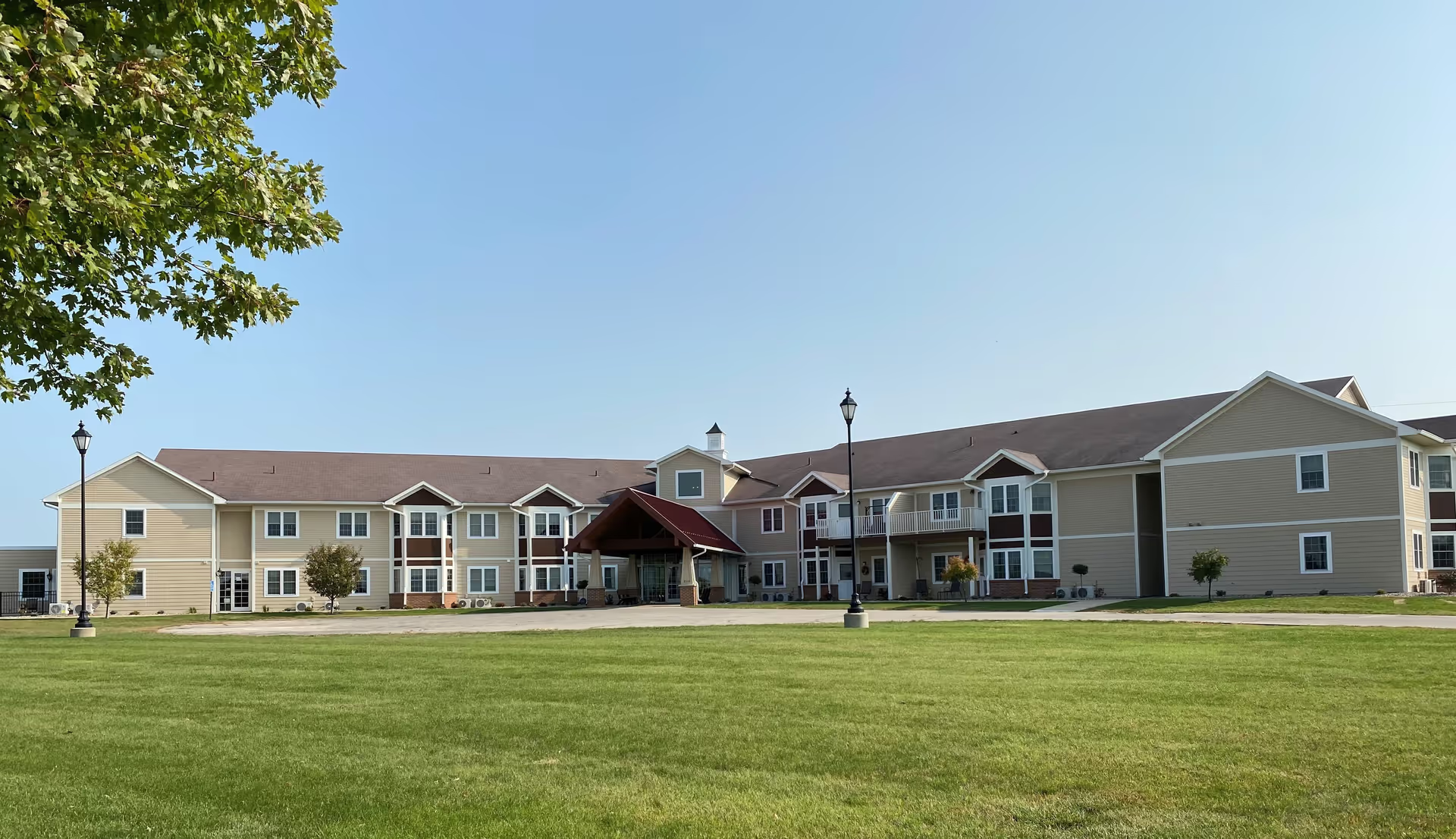
Facility and environmental issues are mixed. Many reviewers praise the helpfulness of custodial staff and the overall preservation of privacy and dignity, yet there are specific sanitation concerns reported in emergency-area spaces (staining/debris) that suggest uneven housekeeping standards. The facility’s smaller size and staffing model also contribute to perceived limitations: clinician availability and on-call coverage are described as variable, which can lead to transfers to other centers when higher-level or continuous care is needed.
Administrative and management themes include perceived high billing and limited cost transparency; some reviewers felt the value received did not match charges. Operational reliability — including consistent clinical quality, clear communication from on-call providers, and timely prescription handling — emerges as an area needing improvement. Dining and activities were not addressed in the available feedback, so no definitive observations can be made about those services.
Overall, prospective patients and families can reasonably expect strong bedside care from nursing and emergency teams and capable clinical stabilization when the right staff are available. At the same time, they should be aware of potential variability in physician communication and availability, watch for medication- and prescription-related process gaps, and raise any sanitation or billing questions early. These patterns suggest targeted improvements in medication reconciliation, on-call coverage protocols, housekeeping consistency, and billing transparency could materially improve the overall patient experience.