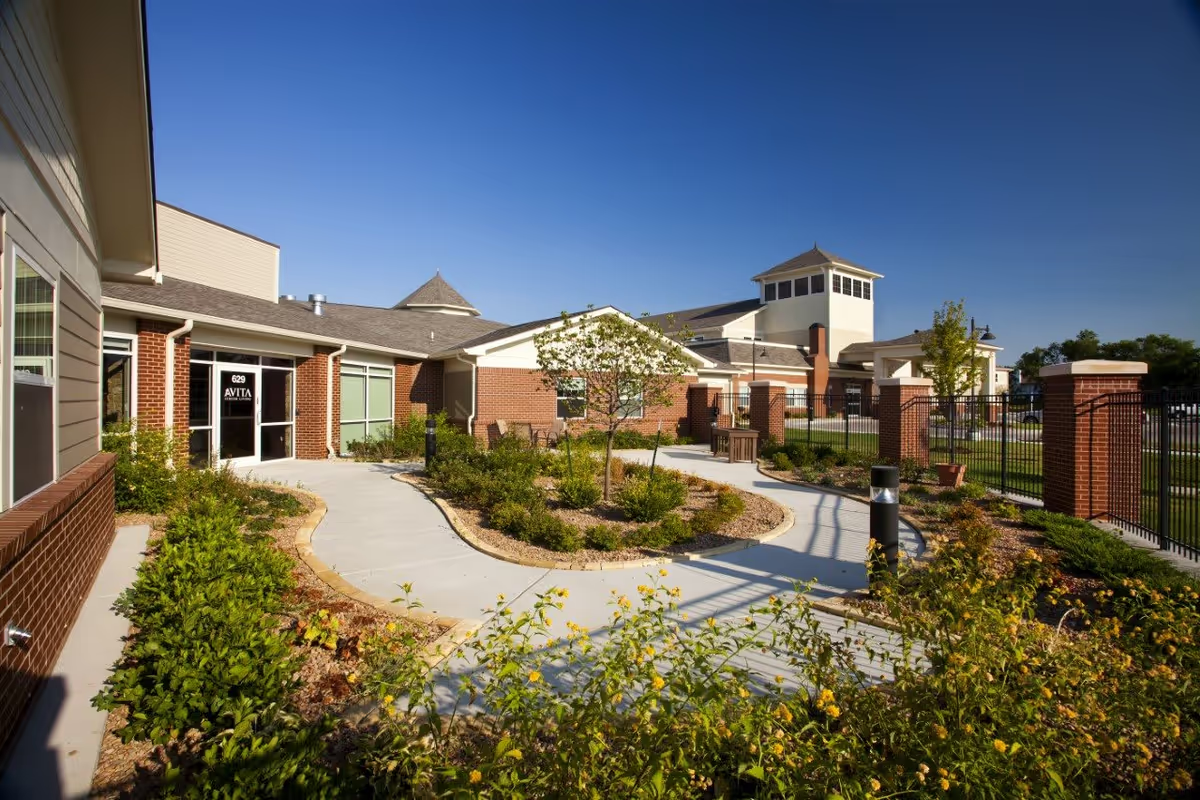
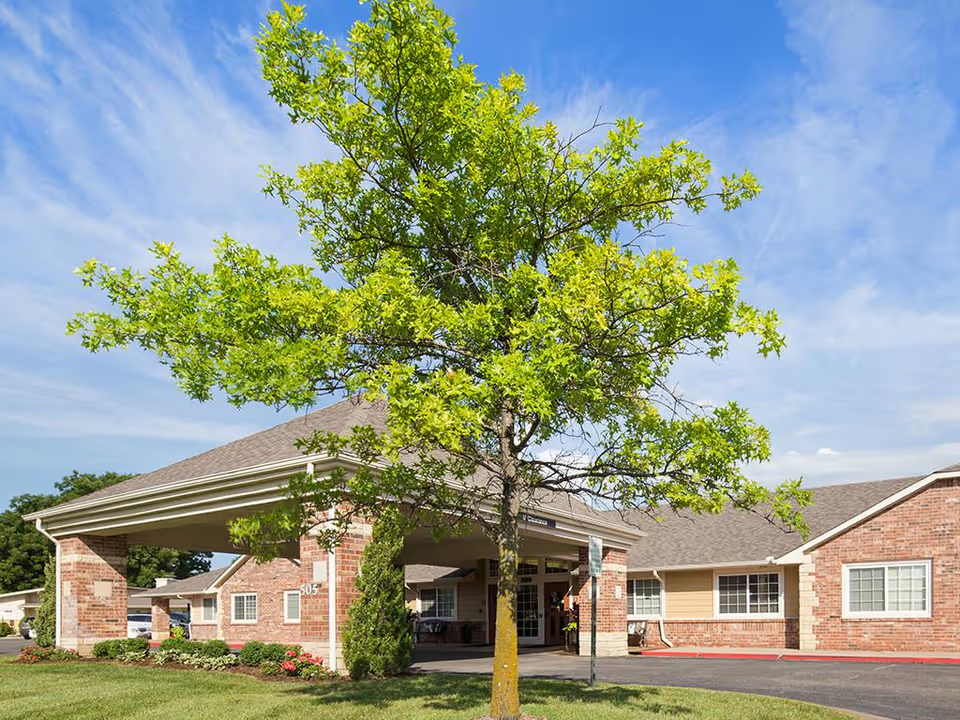
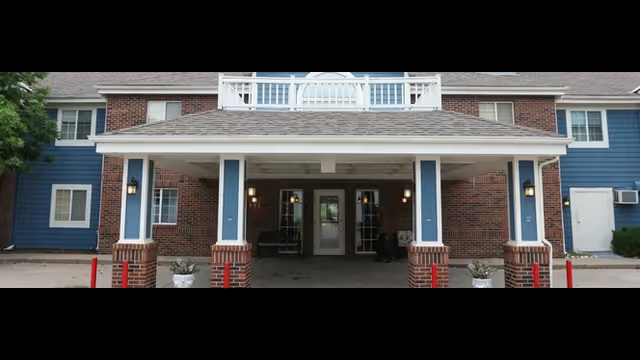
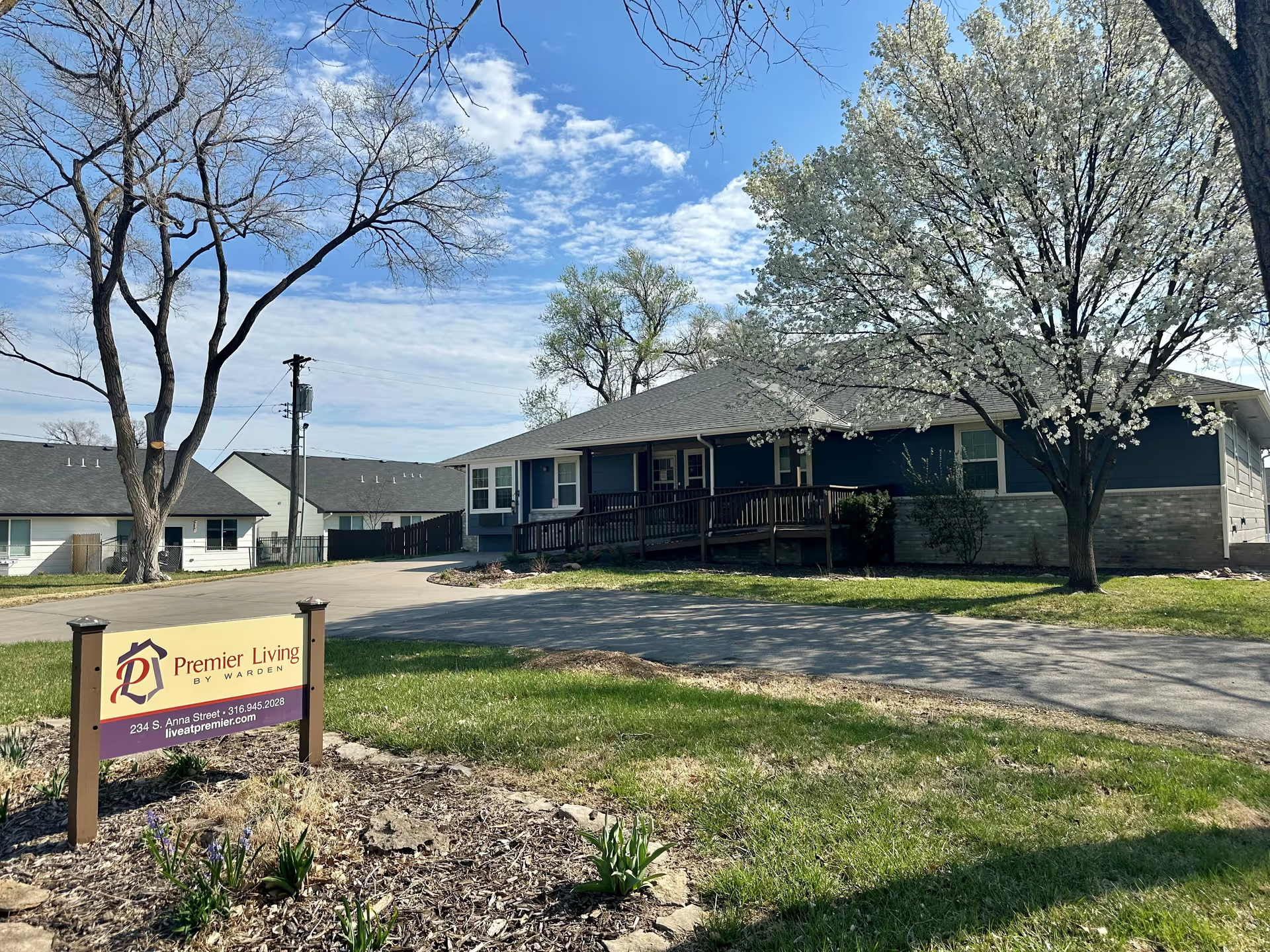
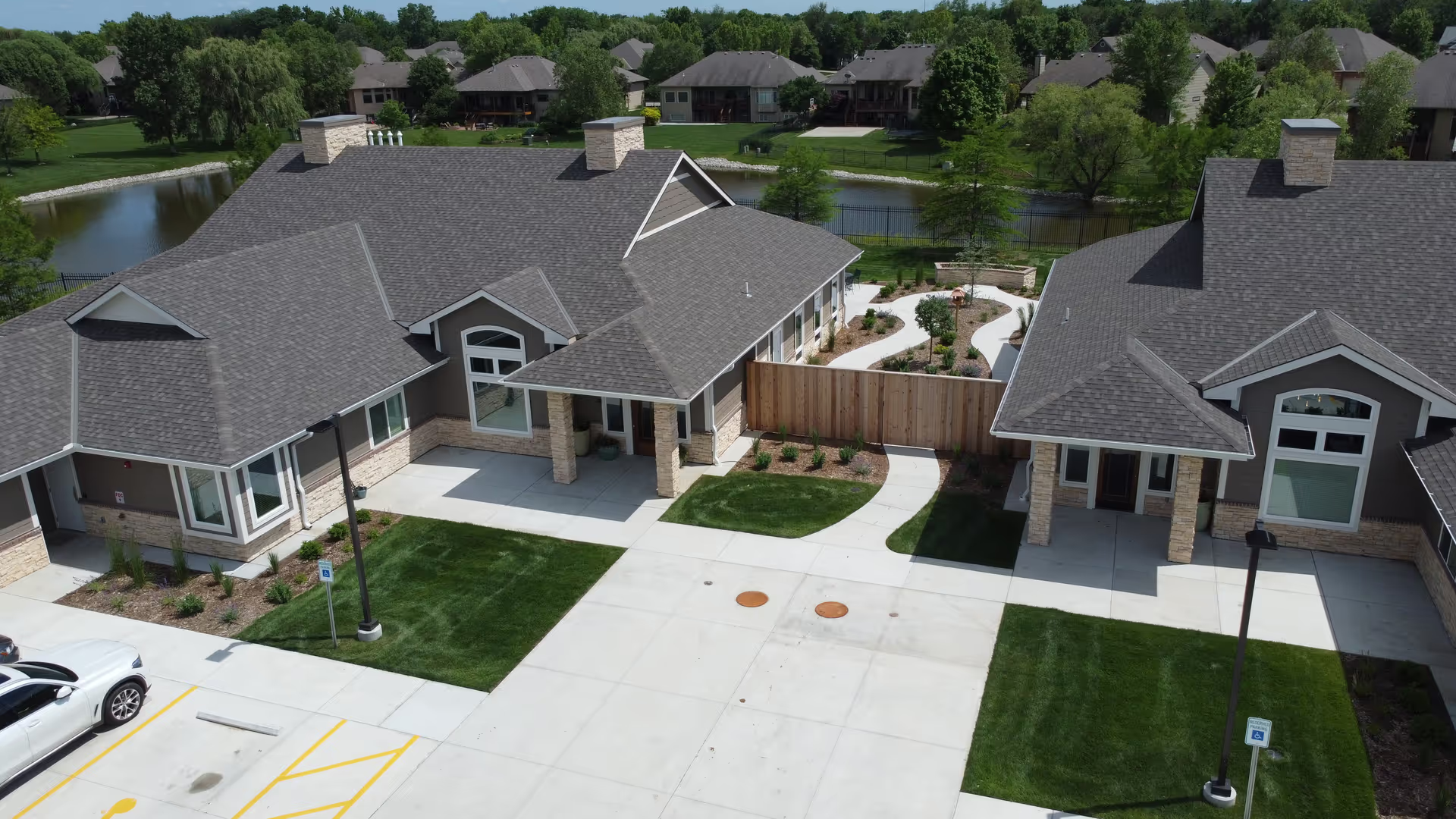
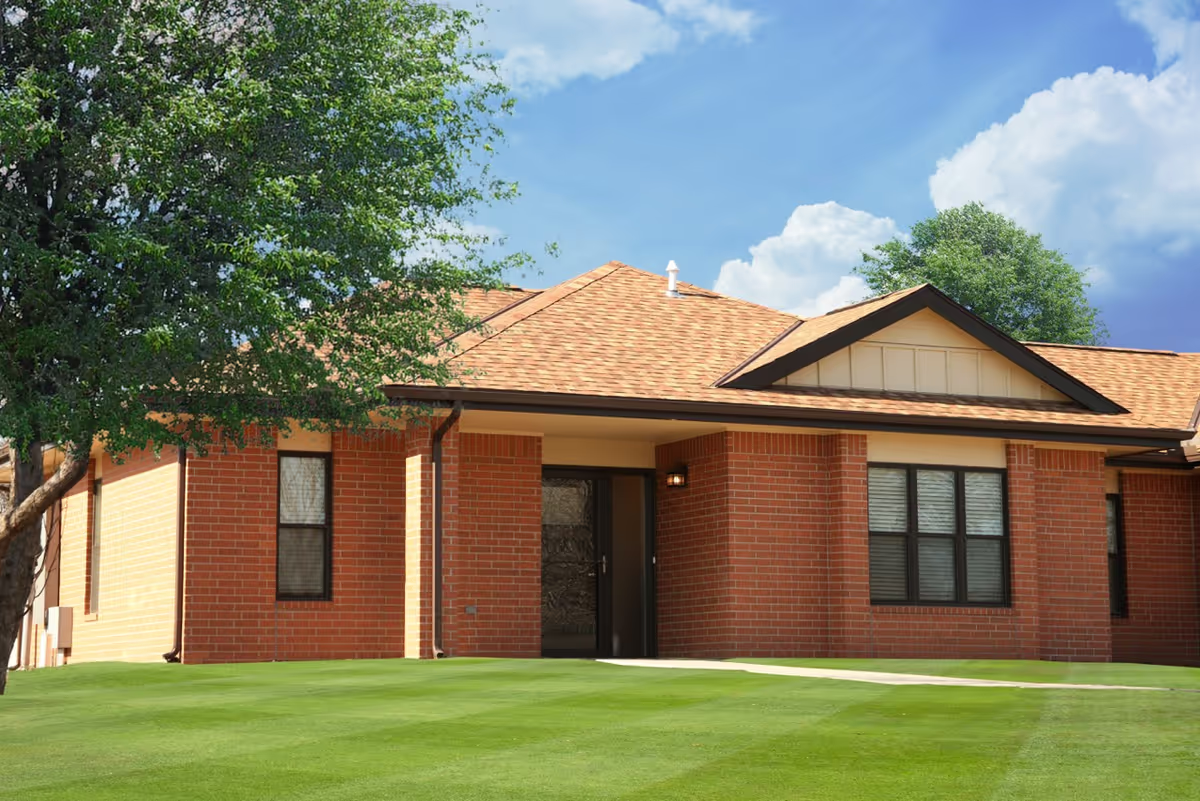
Family Health & Rehabilitation Center presents as a modern, neighborhood-configured skilled nursing and rehabilitation campus. Many families cited the facility’s attractive grounds, fresh decor, and a four-“house” layout that provides private, spacious rooms with kitchenettes and en-suite or roll-in bathrooms. Onsite amenities such as common living areas, patios, an on-campus beauty shop, and organized activities were noted positively. Rehabilitation services—physical and occupational therapy—are frequently praised for thoroughness and effectiveness, and several accounts highlight supportive therapy teams that enabled extended rehab stays.
Direct-care staffing elicits mixed impressions. Numerous reviewers complimented compassionate CNAs, helpful therapists, and attentive nurses; however, there is a recurrent pattern of inconsistent staffing levels and high turnover that affects continuity of care. This inconsistency appears to contribute to delays in responding to call lights, variability in bathing and hygiene scheduling, and pressure on aides who are described as overwhelmed at times. Leadership and communication from management also received variable ratings: some families described responsive clinical leadership and clear updates, while others experienced significant delays or poor communication around clinical changes, transfers, and incident follow-up.
Several operational and safety themes recur across accounts. Medication-management lapses, including incorrect administration and incomplete prescription documentation, were raised as a safety concern. Families also reported gaps in the facility’s clinical-incident response and communication following adverse events, ranging from delayed transfers to hospital care to more serious concerns described by a few families; prospective families should inquire specifically about incident-reporting and escalation protocols. Maintenance and environmental-control inconsistencies were noted (leaking windows, intermittent heating, frozen pipes, icy walkways, and slow repairs), as were housekeeping and cleanliness variations in some units. There are also reports of missing or damaged personal items, indicating weaknesses in property-safekeeping processes.
Dining and transport services show polarized feedback. Many residents enjoyed homemade-style meals, family-style dining, and nourishing options, but others described inconsistent food quality, limited menu selections, cold or sparse servings, and unpredictable meal timing. Transportation options were described as limited in accessibility and cleanliness, and ADA-related limitations (narrow shower/toilet configurations and ramps) were flagged in some rooms. Therapy quality is generally a strength, but some families described variability in therapy aides’ conduct and occasional shortfalls in following physician-directed therapy plans. Discharge planning was another recurring concern; some families perceived discharge decisions as influenced by insurance timelines rather than full functional readiness.
For prospective residents and families: the facility’s physical environment and core therapy capabilities can be strong assets, and direct-care staff are frequently described as caring. At the same time, operational weaknesses—particularly around staffing consistency, medication management, maintenance and housekeeping reliability, and communication practices—have enough recurrence to warrant careful pre-admission inquiry. Recommended questions include: current staffing ratios and staff turnover rates; medication-safety protocols and error-tracking processes; housekeeping and bathing schedules; maintenance response-times and winter-weather procedures; transportation accessibility; and specifics of the discharge-planning and insurance-appeal processes. Observing the facility at different times of day and requesting written policies on incident escalation, property handling, and therapy plans can help families align expectations with the facility’s operational realities.