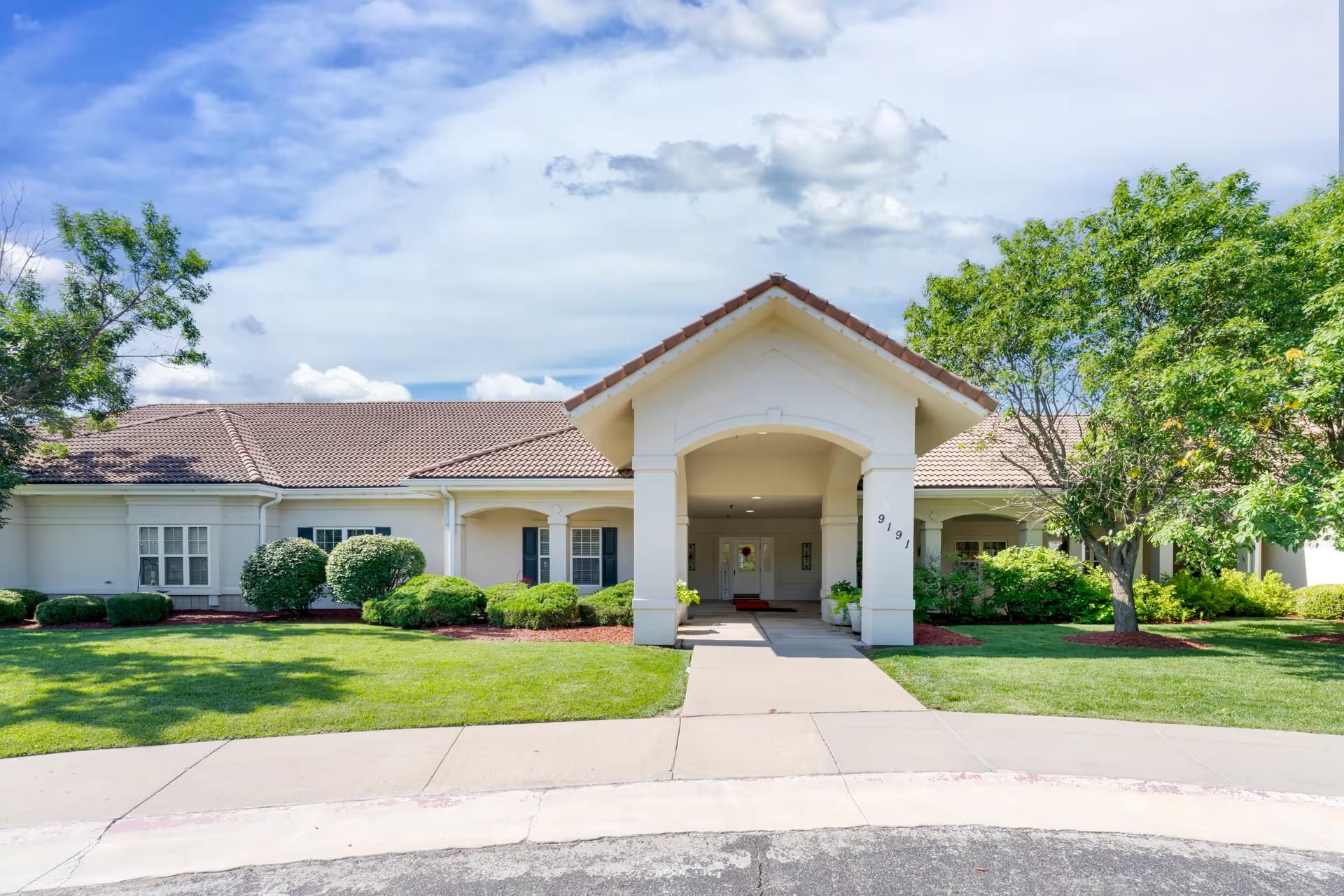
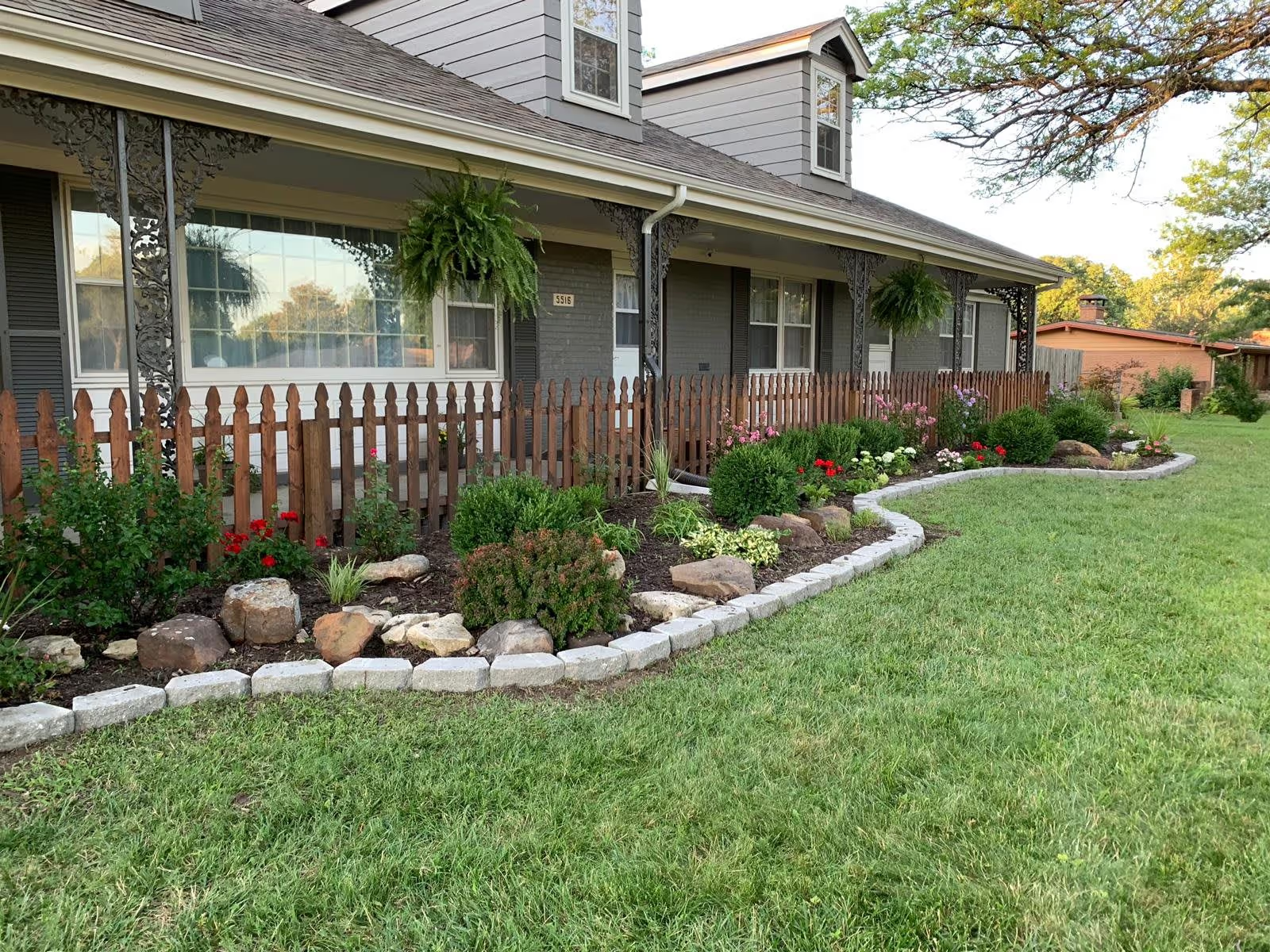
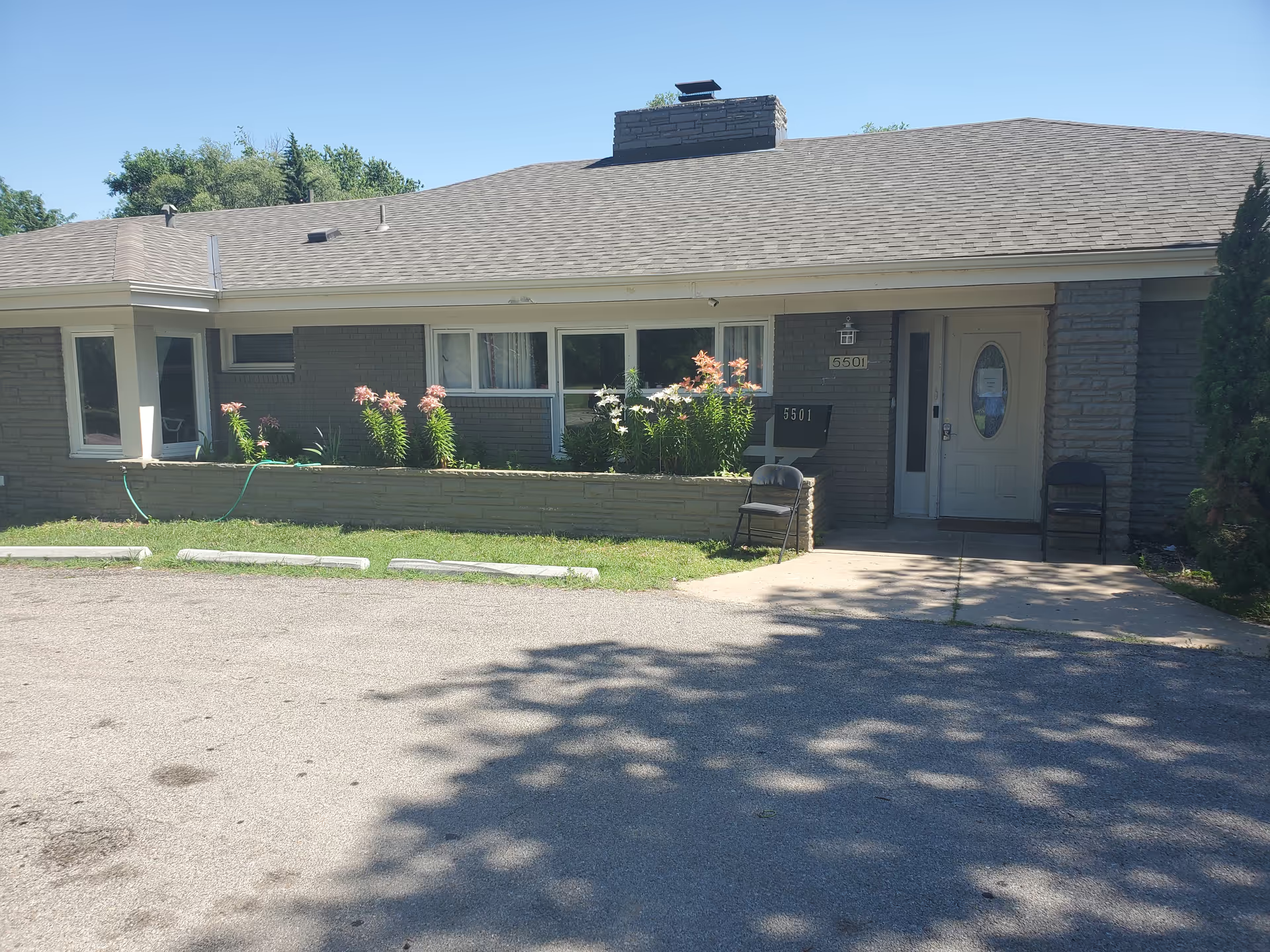
Overall impression Wichita Center for Rehabilitation & Healthcare presents a mixed picture: the facility offers a strong rehabilitation focus with many families praising therapy outcomes, but operational and consistency problems affect day-to-day living for some residents. The building is relatively modern, and several reviewers highlighted private rooms with accessible bathrooms and supportive equipment. At the same time, persistent themes around staffing, communication, and environmental control reduce confidence for some families.
Care quality and clinical services Rehabilitation services are a clear strength. Reviewers consistently described effective physical, occupational, and speech therapy, with structured, daily sessions and measurable mobility improvements. Nursing quality appears variable: some families described attentive aides and nurses who answer questions at the station, while others identified inconsistent supervision, delayed responses to basic needs, and concerns about medication timing and record-keeping. There are also mentions of safety-related issues such as fall risk and inconsistent monitoring that prospective residents should clarify with the facility.
Staff and communication Many consumers found individual staff members to be friendly, compassionate, and helpful — admissions, therapists, social workers, and some nursing assistants received positive comments for communication and engagement. However, organizational issues recur: unclear role definitions, high staff turnover or shortages, slow phone response times, and gaps in discharge planning and family communication. A number of reviewers reported that complaints were not always addressed to their satisfaction, suggesting variability in management follow-through. There are also specific concerns about staff conduct and privacy practices that families may want to query directly.
Dining and activities Activity programming and therapy-led exercise were described positively, with a posted monthly calendar and multiple daily activities. Social engagement appears to be available and beneficial for many residents. Dining experiences were inconsistent: several reviewers noted dislike of menu items, small portion sizes, cold meals, or uneven meal service, while others reported satisfactory meal options and the ability to provide external food. Prospective residents should discuss menu flexibility and mealtime routines if dining quality is a priority.
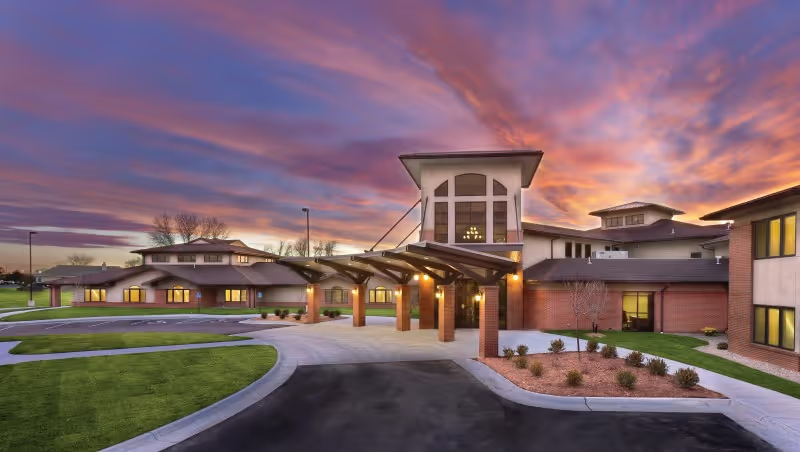
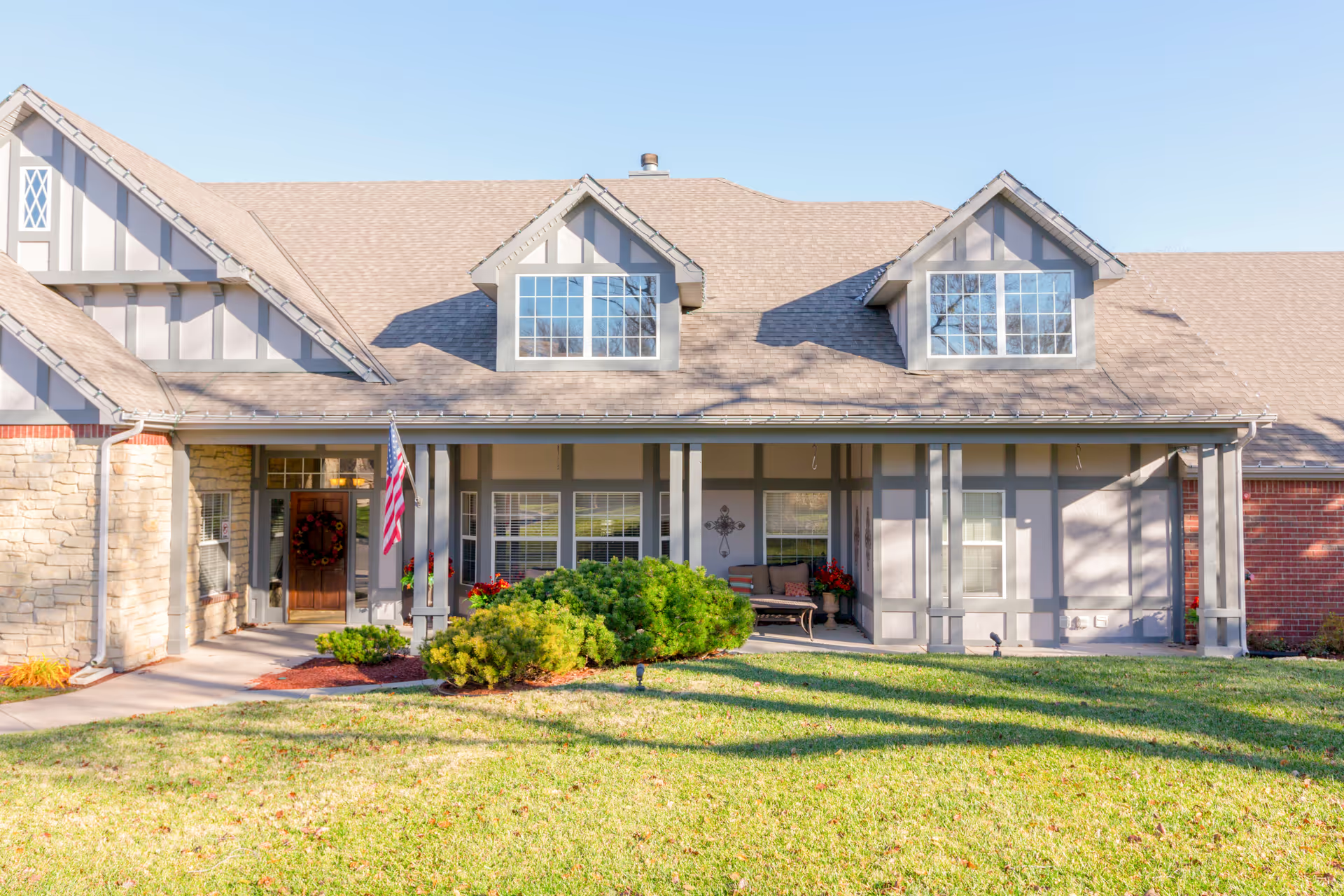
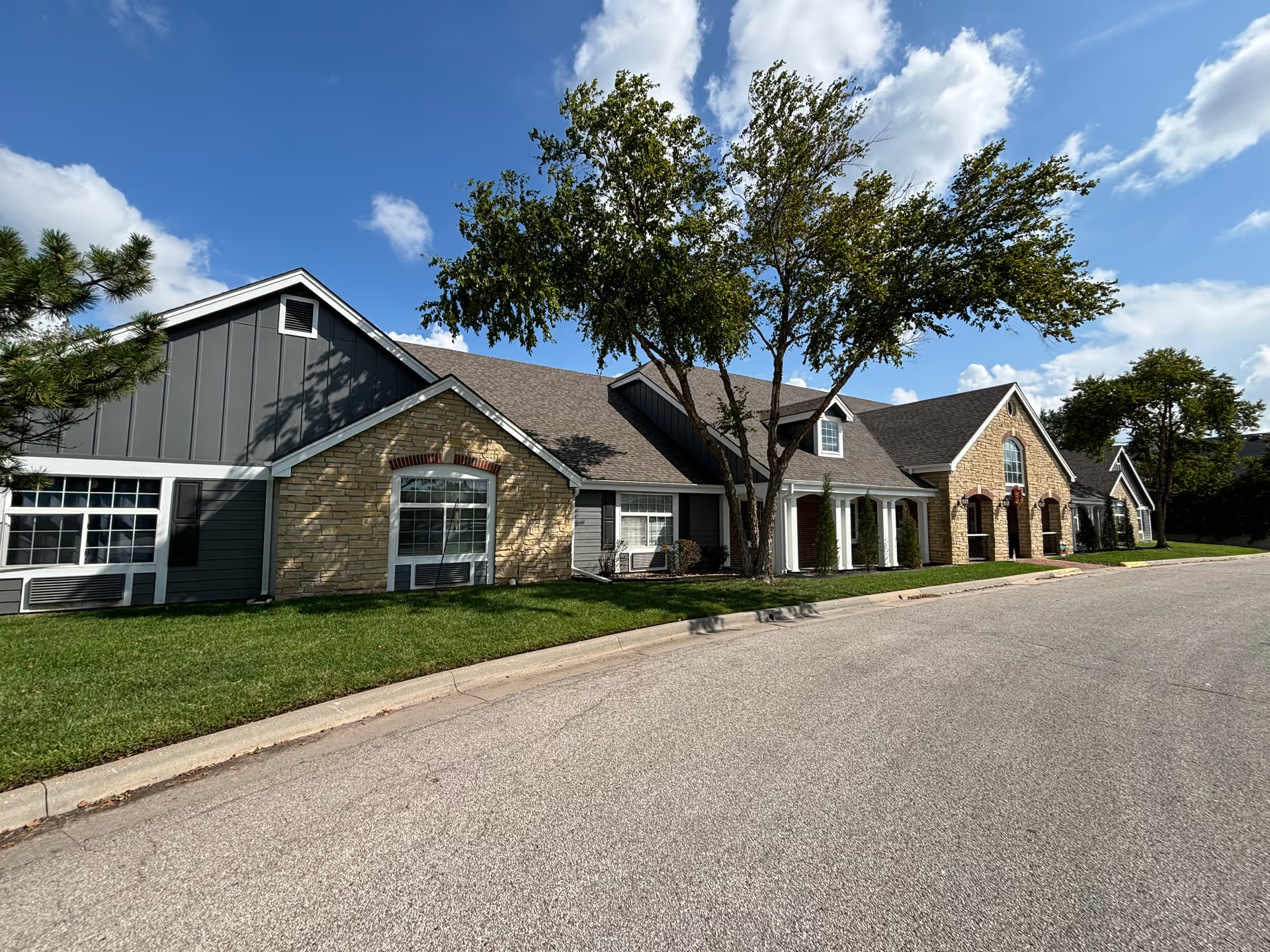
Facilities and environment The facility is relatively new and in parts described as clean and well-maintained, with responsive maintenance staff. Conversely, some families raised environmental concerns including HVAC problems, mold or indoor-air issues, and localized odor problems. Housekeeping practices were reported as inconsistent in some rooms or units. Prospective visitors should inspect room cleanliness, ventilation, and temperature control personally and ask about recent facility maintenance and pest-control records.
Management and notable patterns A recurring pattern is a disparity between strong therapy services and uneven execution of routine nursing and operational tasks. Management continuity appears mixed — the facility has undergone a name change while retaining some leadership, and reviewers gave conflicting impressions of administrative responsiveness. Serious individual claims (for example, privacy concerns and questions following a resident's death) were mentioned; families should request the facility's incident reporting procedures, staffing ratios, quality metrics, and examples of how complaints are resolved.
Recommendation guidance For someone prioritizing rehabilitation and therapy outcomes, this facility may offer significant benefits. For prospective residents and families, recommended due diligence includes: touring rooms to assess cleanliness and temperature control, discussing nurse staffing levels and medication administration protocols, reviewing discharge-planning communication procedures, and asking for recent quality and inspection records. These steps can help align expectations with the facility's strengths and identify whether operational gaps are being actively managed.