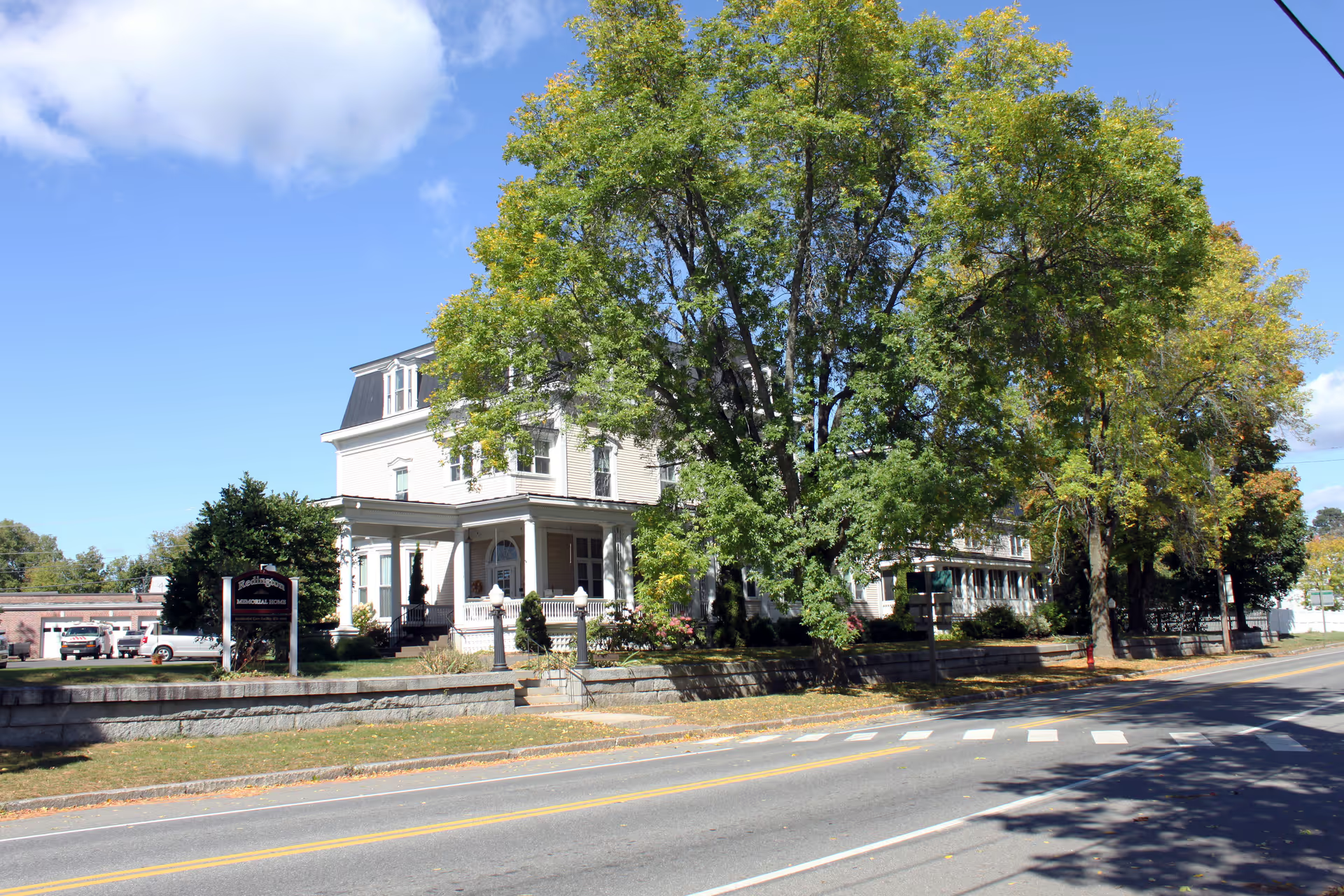
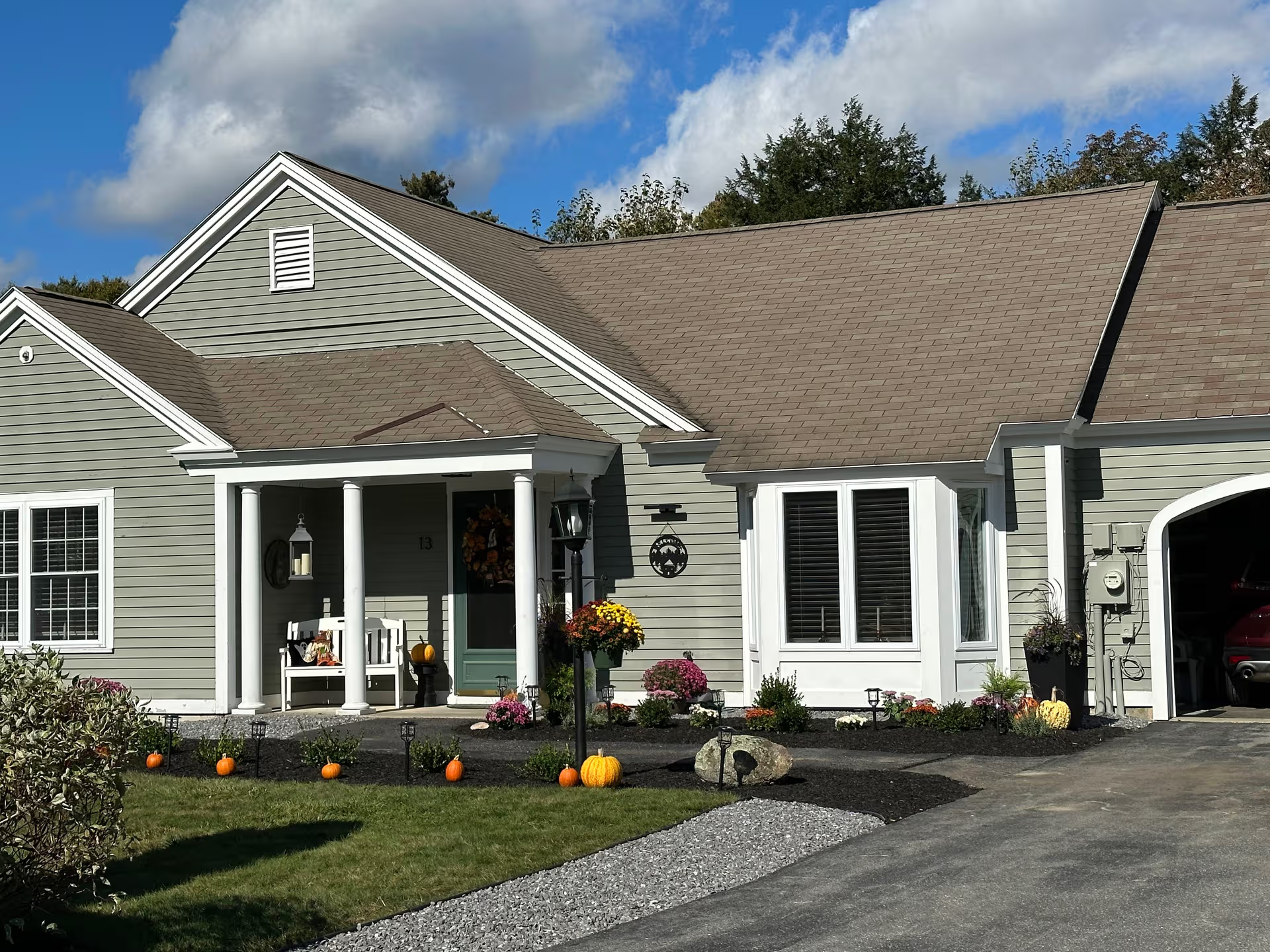
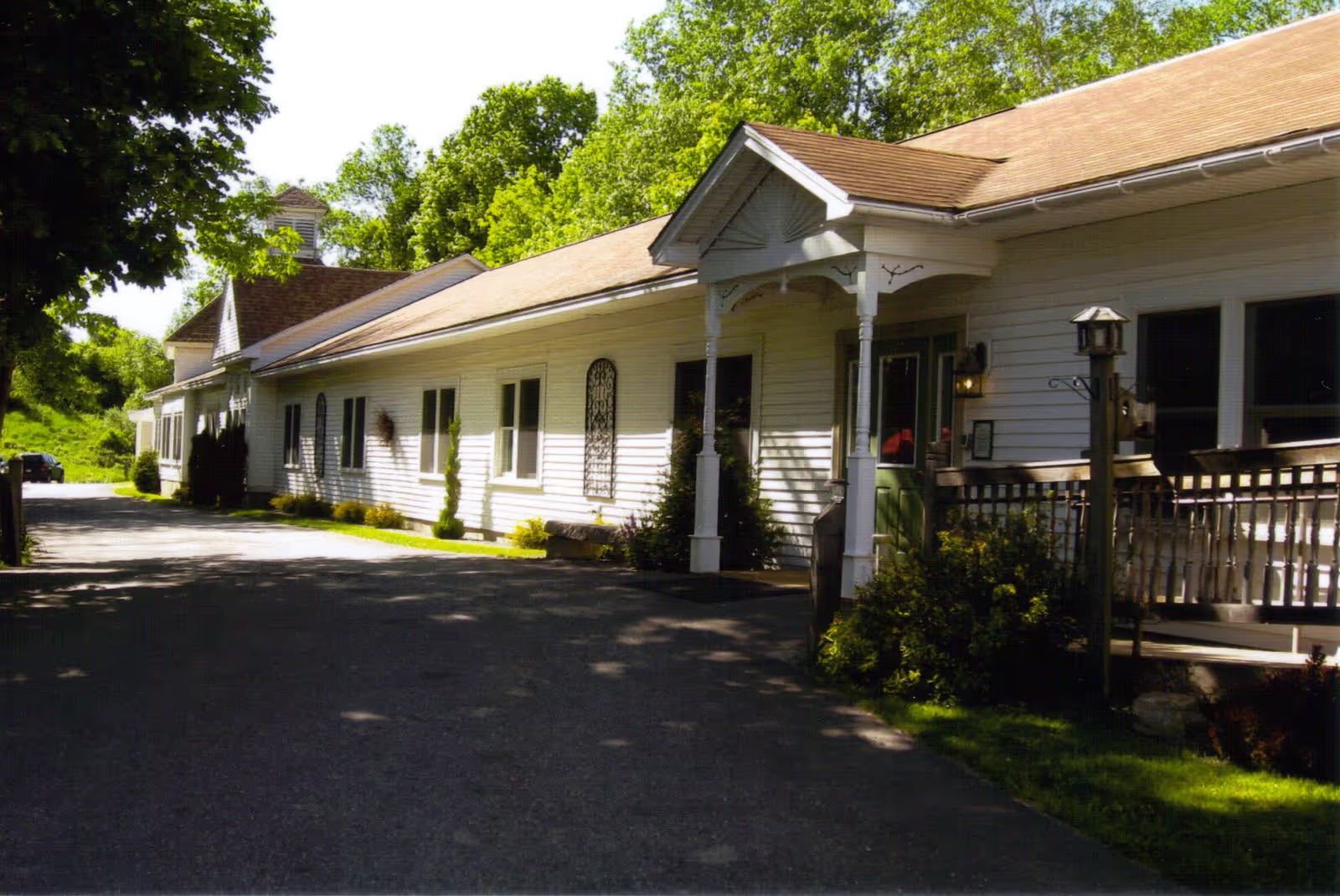
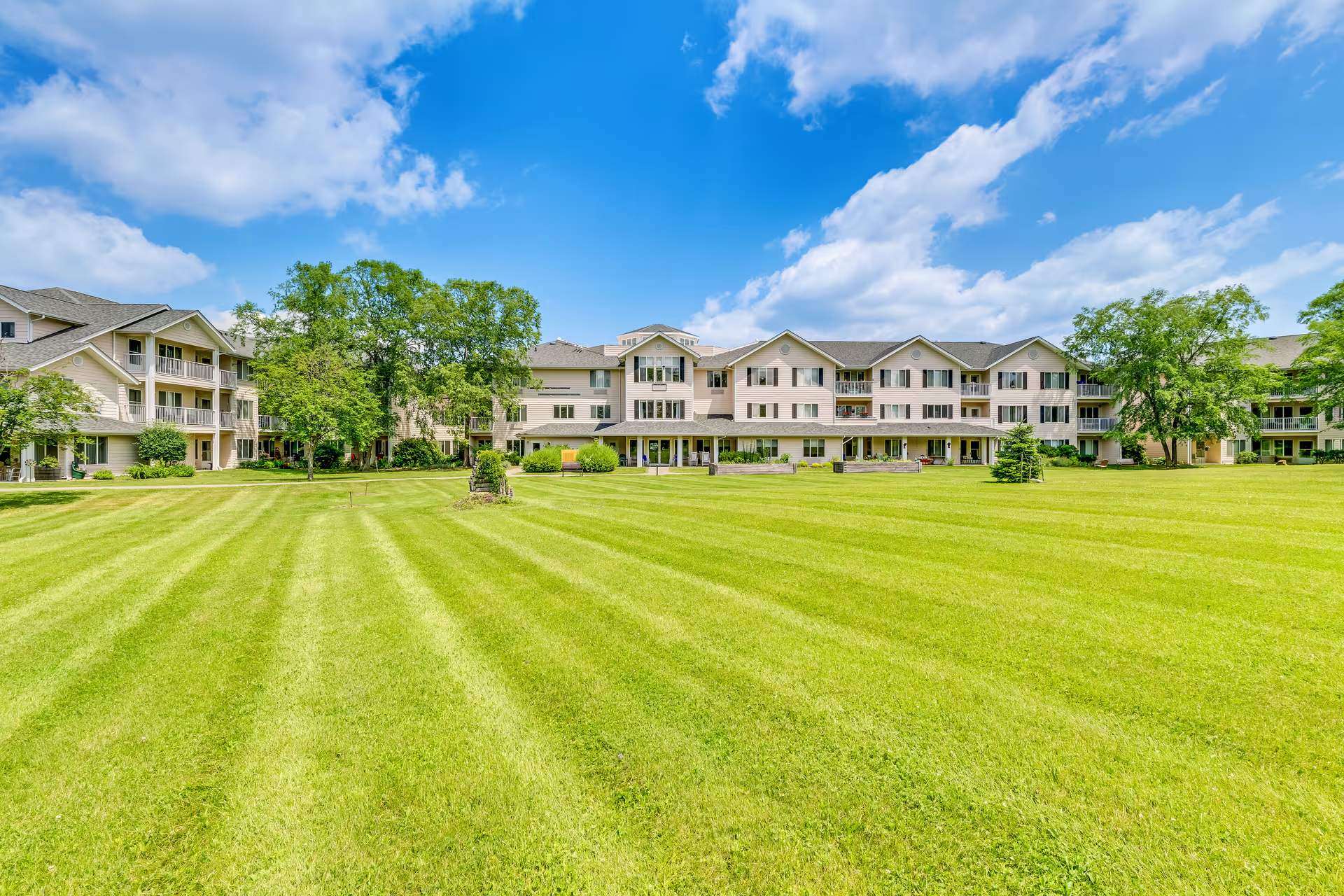
Reviewers describe a facility with clear strengths in staff compassion, rehabilitation capability, and environmental maintenance, but with recurring operational weaknesses that families should evaluate directly. On the positive side, many accounts emphasize warm, respectful interactions between caregivers and residents, individualized end-of-life attention, and rehabilitation staff who are skilled and focused on recovery. The building and common areas receive consistent praise for cleanliness and a calm, plant-filled ambiance; accessibility accommodations and scheduled activities are also highlighted as beneficial to residents’ quality of life.
Care quality narratives are mixed. Several reviewers commended attentive, knowledgeable clinicians and timely medical attention in some cases, while other accounts point to inconsistent nursing-care quality, delays in attending to resident needs, and medication-administration problems. These contradictions suggest variability in day-to-day clinical performance, with staffing levels and staff experience appearing to influence outcomes. Families should ask about current staffing ratios, medication-safety protocols, and how the facility monitors and remediates clinical lapses.
Dining and nutrition are another area of divergence. Some residents and families reported acceptable meals and available snacks, but others described mediocre food quality and difficulty obtaining nutritional information for specific diets such as diabetes. Prospective residents who require diet-specific menus or close nutritional monitoring should request sample menus, dietitian availability, and formal documentation of dietary accommodations.
Operational and policy issues arose repeatedly. Reviewers raised concerns about chronic understaffing, staff turnover, and variable leadership that can impact continuity of care. Communication gaps were described at multiple touchpoints — family updates, scheduling of virtual visits, and technical support — which has led to missed video calls and last-minute changes. There are also facility-level policies and limitations around personal property and in‑room entertainment (including limits on TV size and what personal items are allowed) that may be restrictive for some residents.
Safety and infection-control patterns merit attention. A subset of reviews noted sanitation and infection-control concerns, occasional contagious-skin illness, and transport or ambulance-transfer practices perceived as unsafe. These comments point to the need to review the facility’s infection prevention protocols, audit results, and transfer/transport policies.
Finally, management and improvement efforts appear uneven. Some reviews describe positive changes under new leadership, active recruitment and training initiatives, and renewed teamwork; others cite firing of staff and ongoing leadership instability. Prospective residents and families should inquire about recent regulatory surveys, turnover metrics, concrete quality-improvement projects, and how the facility measures progress over time.
Overall, Mount Saint Joseph shows strengths in compassionate caregiving, rehabilitation services, and facility upkeep, but has recurring operational issues — especially around staffing consistency, medication safety, communication, nutrition transparency, and certain policy constraints — that warrant direct, current verification during tours and conversations with administrators.