Overall impression: Reviews describe a facility with a pronounced split between strong, compassionate frontline caregiving and recurring operational shortcomings. Many accounts praise individual staff members and clinical teams for attentive, family-style support and strong end-of-life care, while other accounts describe delays in assistance, lapses in professionalism, and system-level problems that affect daily living.
Care and staff: Staffing and care quality appear inconsistent. Numerous reviewers highlight compassionate, skilled nurses and aides who provide personalized attention and timely clinical coordination; several accounts emphasize a team approach that keeps families informed. Conversely, there are repeated reports of coverage gaps, delayed responses to calls for assistance, and concerns about staff conduct or tone. These staffing inconsistencies are linked to safety worries (including transfer and fall-risk practices) and variability in day-to-day responsiveness.
Dining and clinical practices: Food and dietary management received mixed feedback. Some families note attention to dietary needs, while others report inconsistent meal quality and dietary follow-through. Reviewers also raised concerns about documentation and consent processes, including examples of inconsistent informed-consent practices; this suggests that clinical-record and consent workflows may not be uniformly applied.
Activities and social programming: The memory-care unit and activity programming are commonly cited strengths. The facility offers a range of structured activities—bingo, music appreciation, nail/spa events and social opportunities—that support resident engagement and socialization. These programs are a consistent positive for residents in memory-care and rehabilitation services.
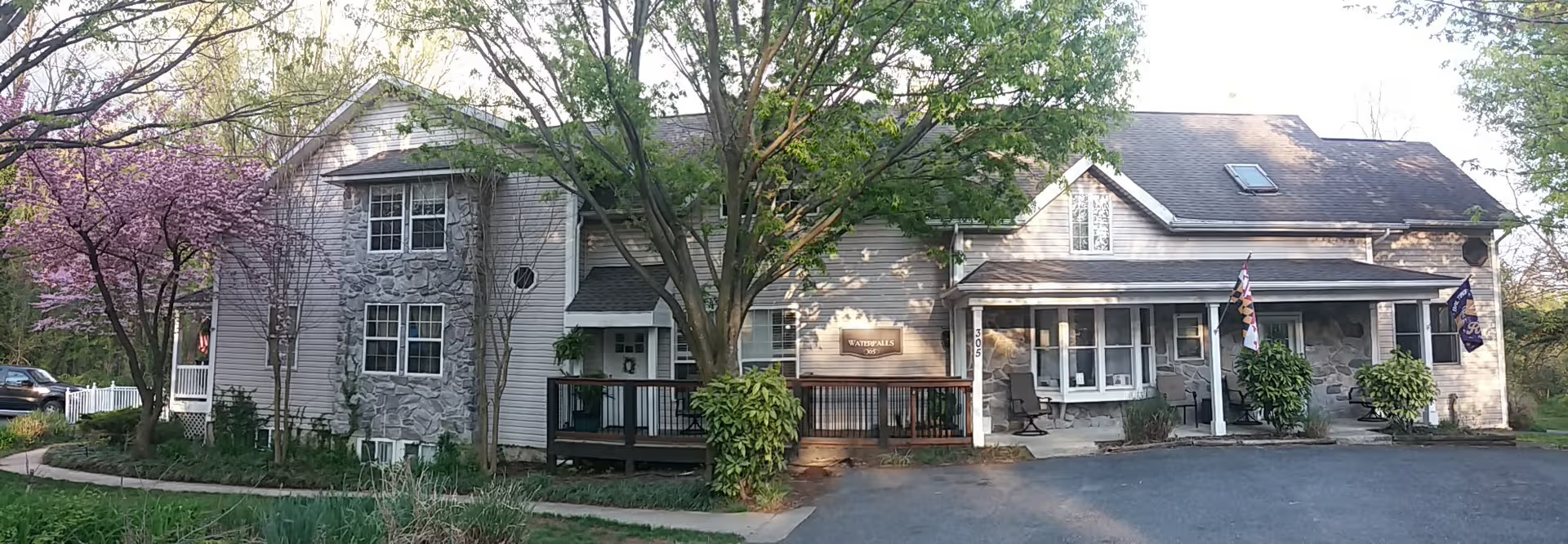
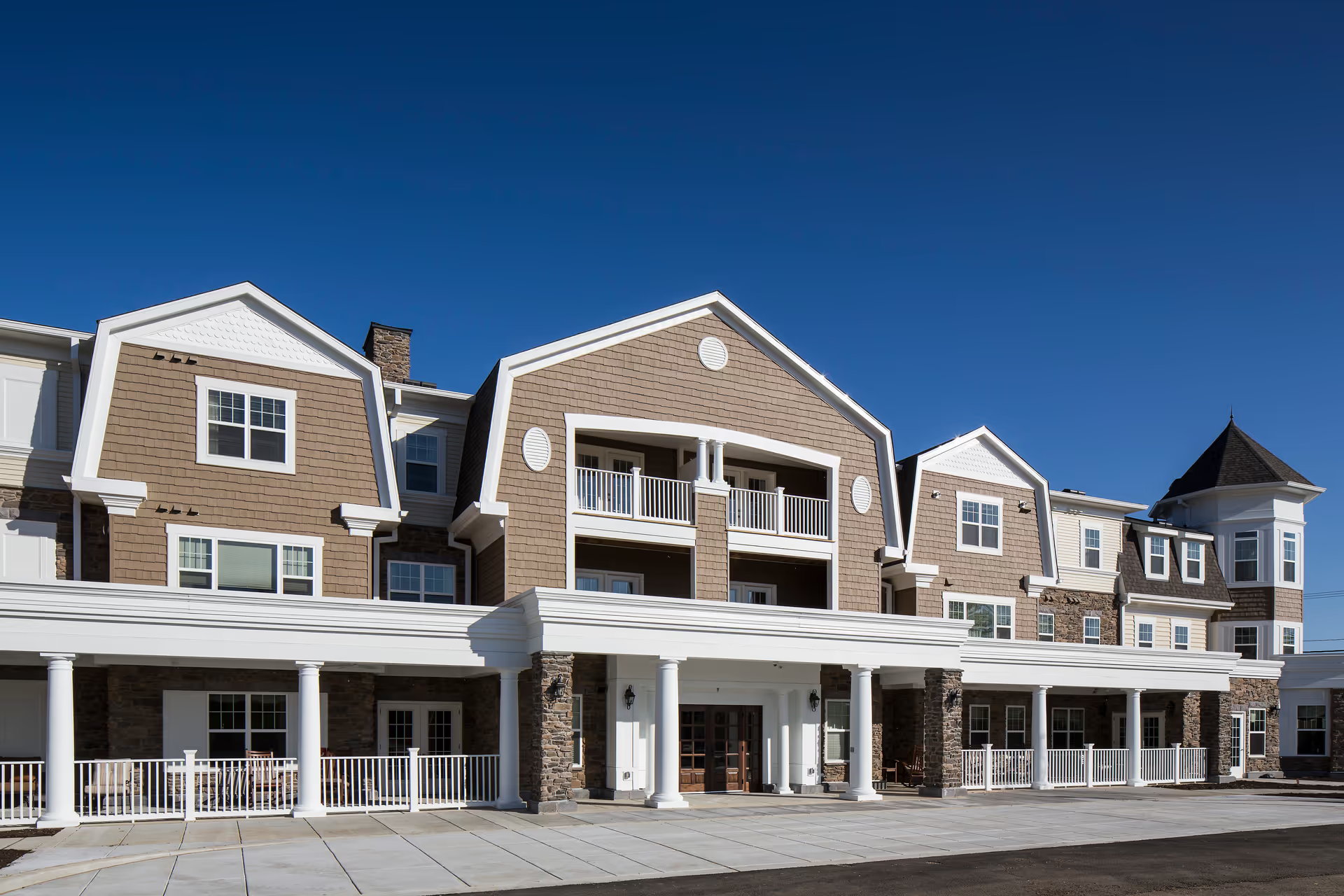
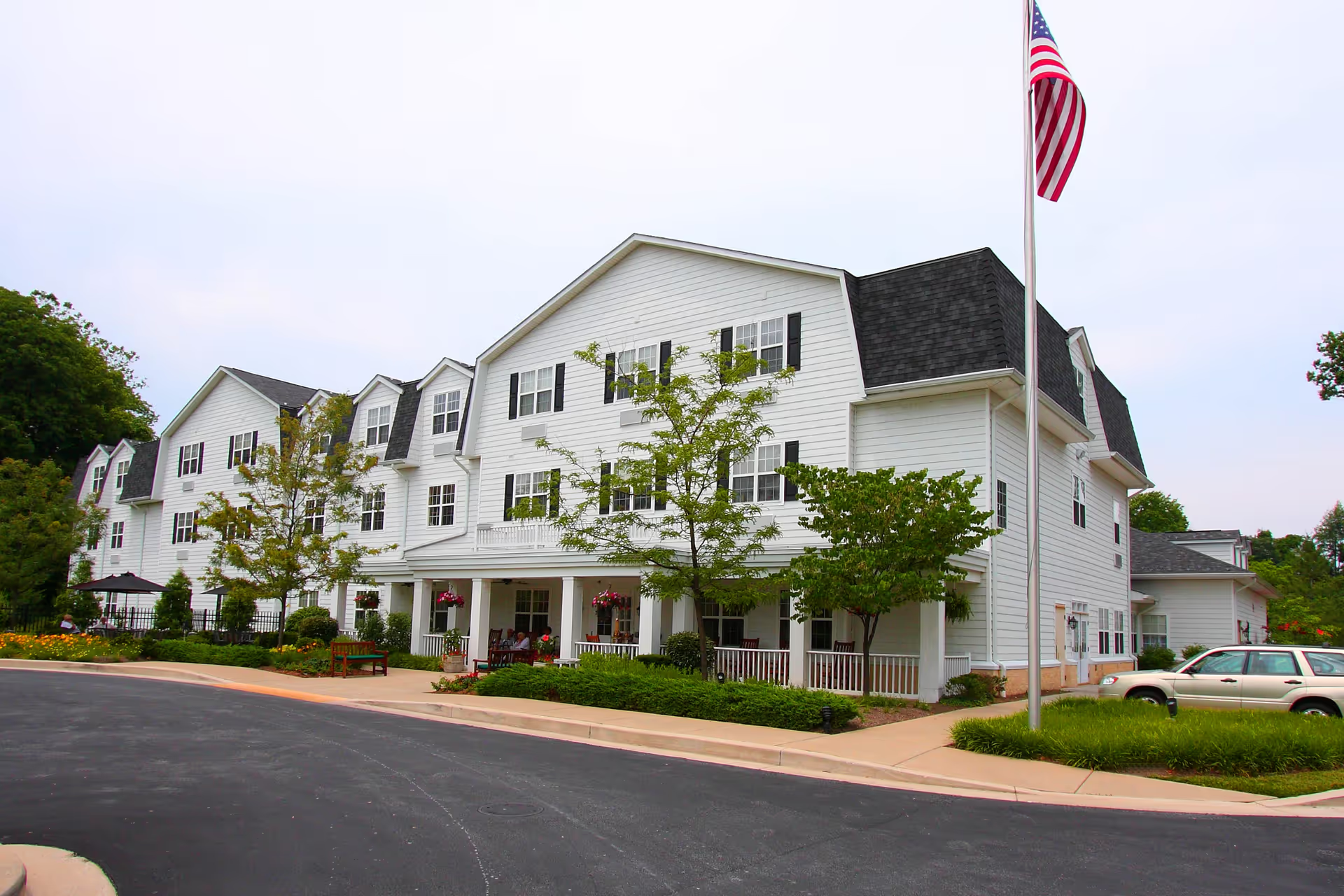
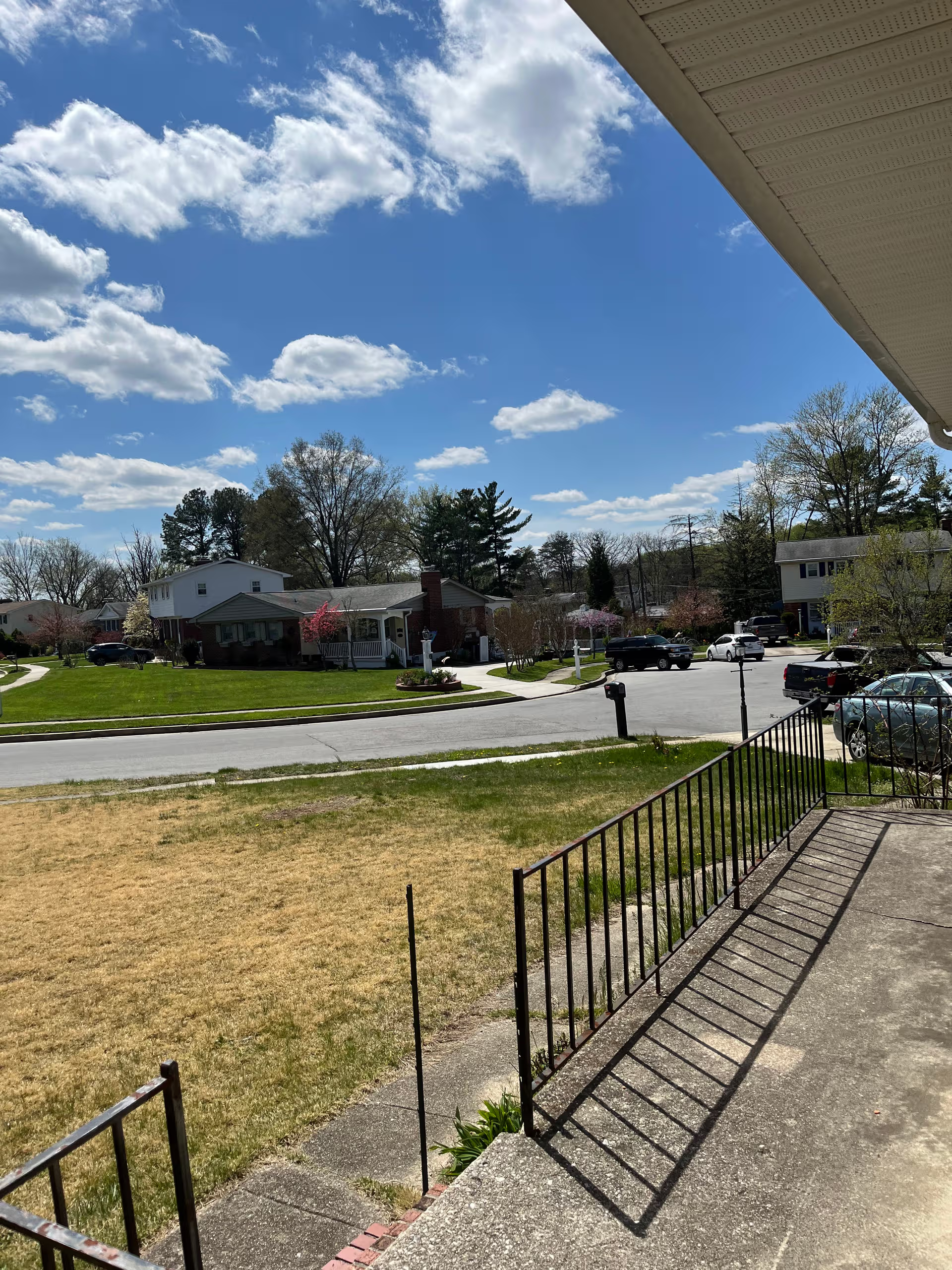
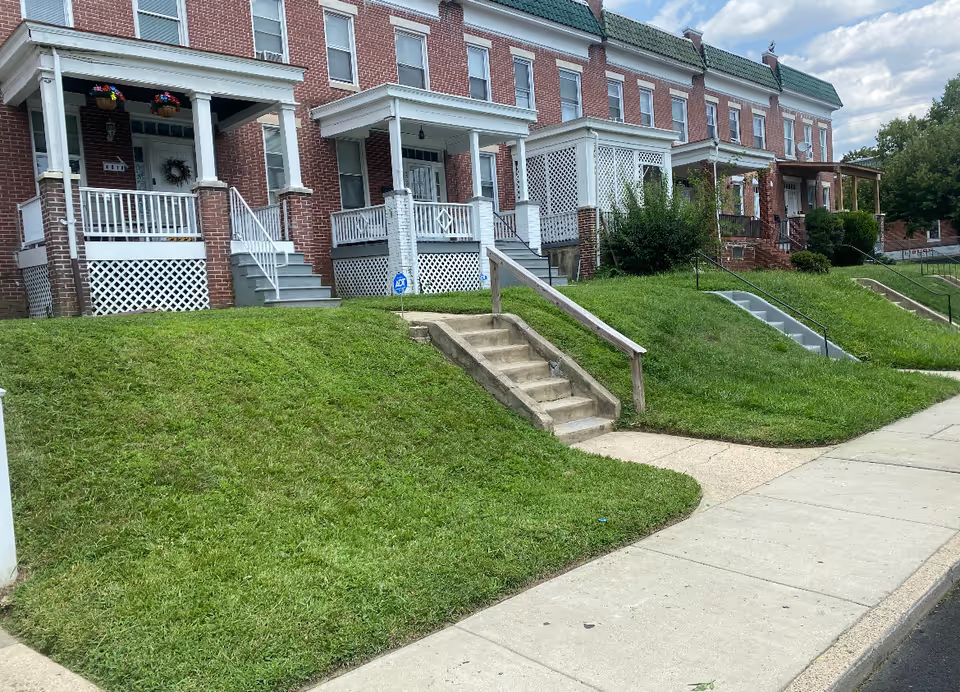
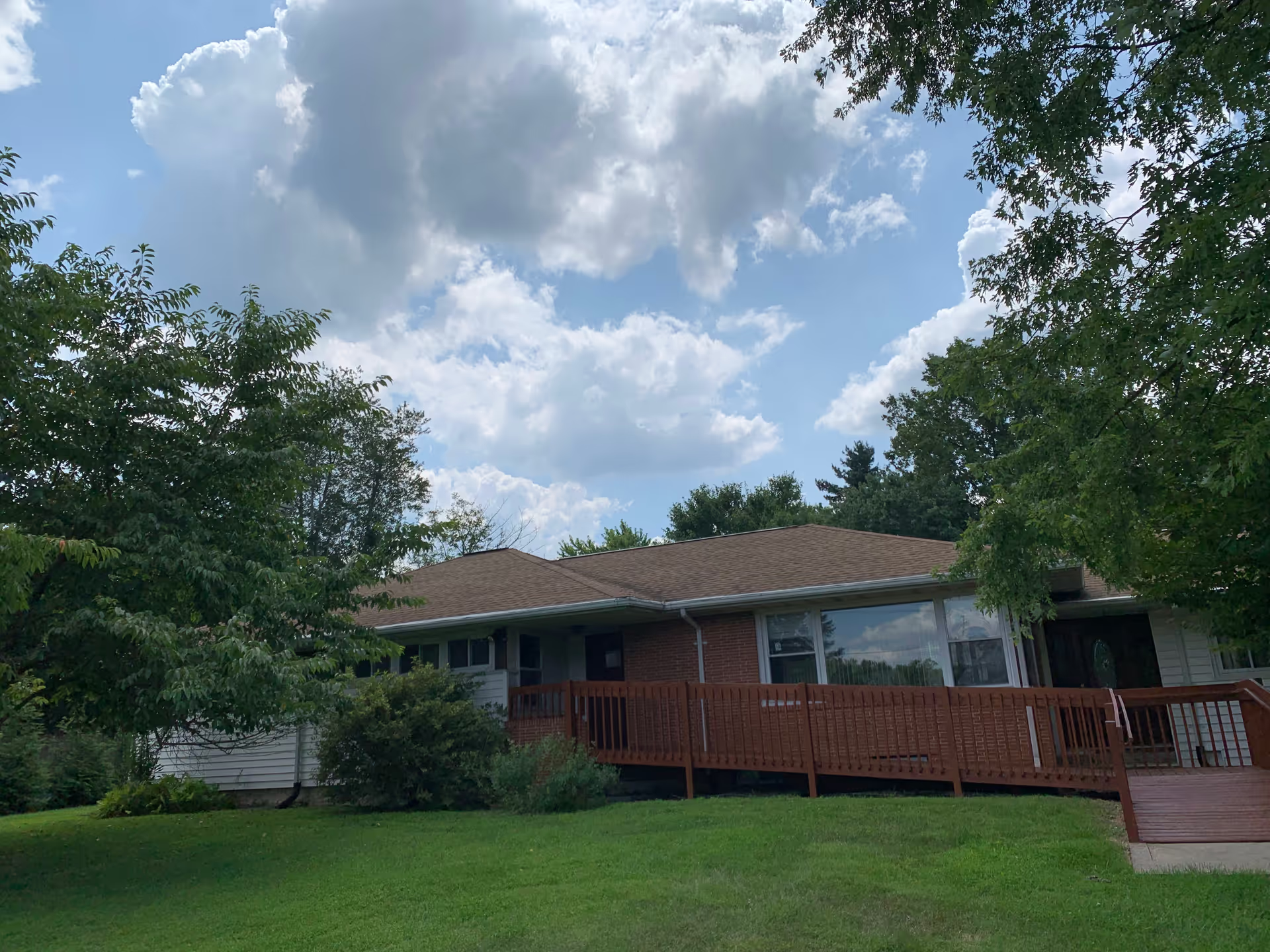
Facilities, maintenance, and environmental concerns: Physical plant and housekeeping are recurring issues. Reviewers describe aging infrastructure, broken blinds and fixtures, worn bedding, and general deferred maintenance of grounds and exterior elements. Sanitation and odor concerns in resident rooms and common areas were mentioned alongside pest-control concerns. Nighttime parking-lot noise and perimeter maintenance (fencing, grounds) were also noted as negative factors for resident comfort and security.
Management, communication, and property controls: Administrative responsiveness is mixed. Some families commend front-desk staff and particular administrators for effective communication and problem-solving; others report unresponsiveness from leadership and involvement of advocacy channels such as the ombudsman. Additional operational concerns include inconsistency in managing resident belongings and property, and a perception by some that financial priorities influence operational decisions.
Notable patterns and guidance for families: The dataset shows polarized experiences: individual staff and certain units provide high-quality, compassionate care and robust activities, while systemic issues—staffing instability, maintenance backlogs, sanitation and pest-control concerns, and gaps in documentation/consent—contribute to variable outcomes. Prospective residents and families should tour the building, review recent inspection and staffing records, ask about current pest-control and maintenance schedules, inquire how consent and documentation are handled, and request the activity and dietary calendars to assess fit with their expectations.