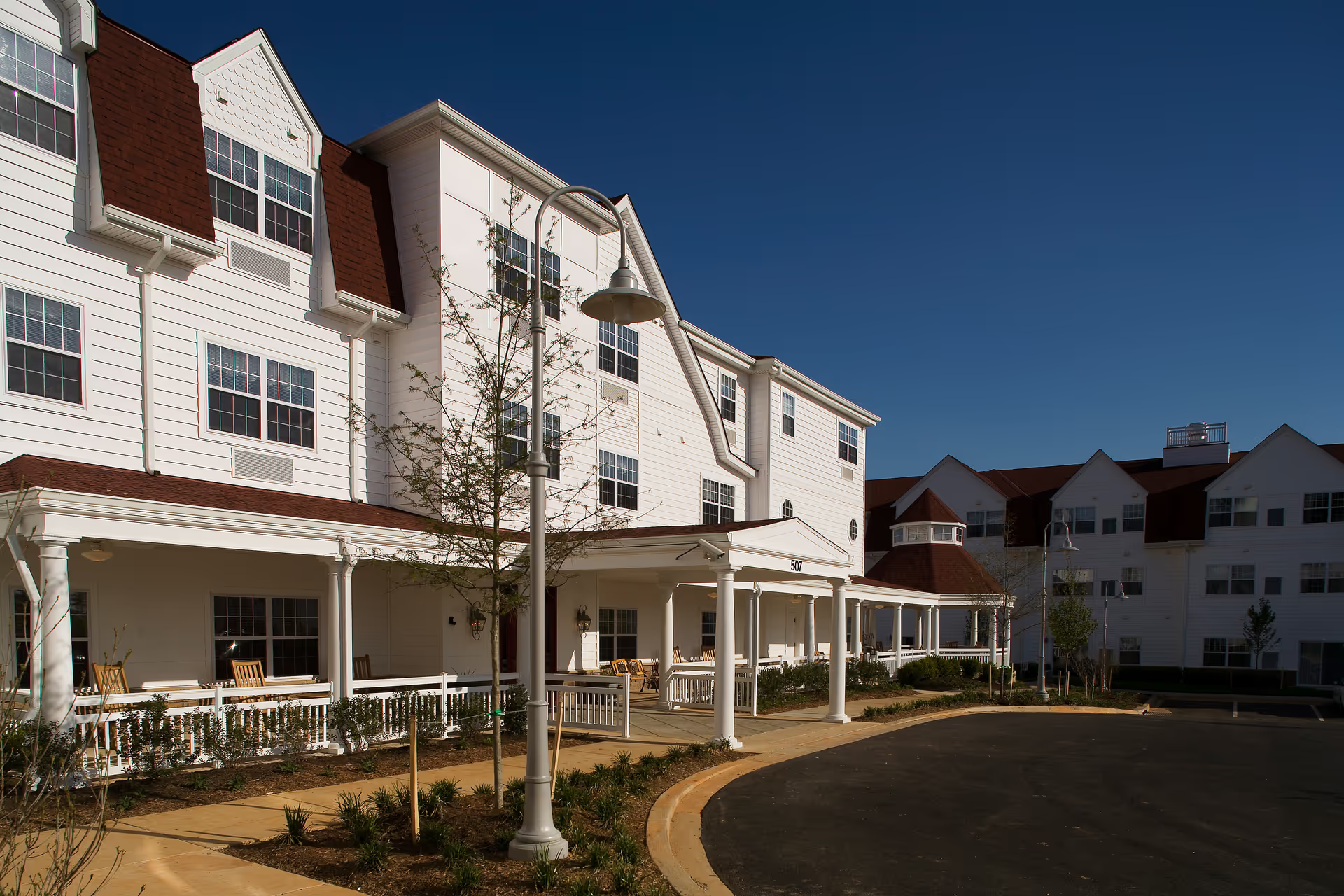
The reviewer set describes a facility with a strong rehabilitative focus and a mixed record on nursing and direct-care operations. Many families and residents praised the physical therapy and occupational therapy teams for effective, hands-on rehab and for helping successful transitions home. Common compliments include a welcoming, bright environment, modern therapy equipment, accessible layout, and engaging activities—features that support short-term rehabilitation and quality-of-life programming.
Staffing and direct-care quality emerge as the principal area of variability. Day-shift nurses and several therapists are frequently characterized as compassionate, communicative, and competent; however, reviewers consistently describe uneven performance among nurse aides and night-shift staff. This inconsistency has been associated with delays in attending to personal-care needs, timing errors with medications, and gaps in routine clinical tasks such as lab draws and wound follow-up. These operational gaps point to uneven training, supervision, and staffing patterns that affect resident experience and clinical continuity.
Dining and dietary services receive generally positive feedback for accommodating preferences and offering freshly prepared meals, but concerns were raised about the consistency and safety of modified-diet textures and meal preparation procedures. Prospective residents with swallowing or strict dietary-safety needs should confirm the facility’s protocols for texture-modified meals and monitoring during the initial assessment.
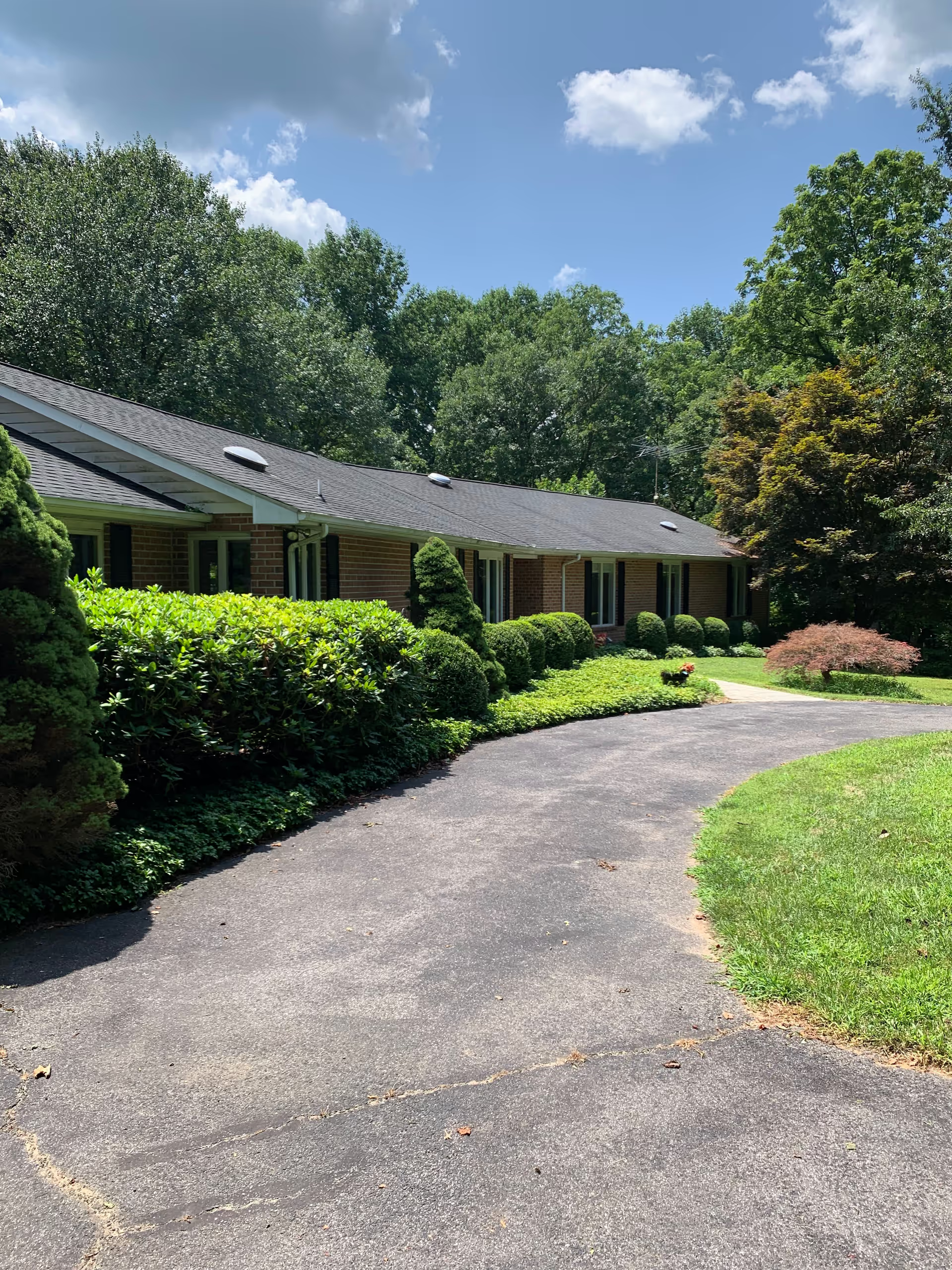
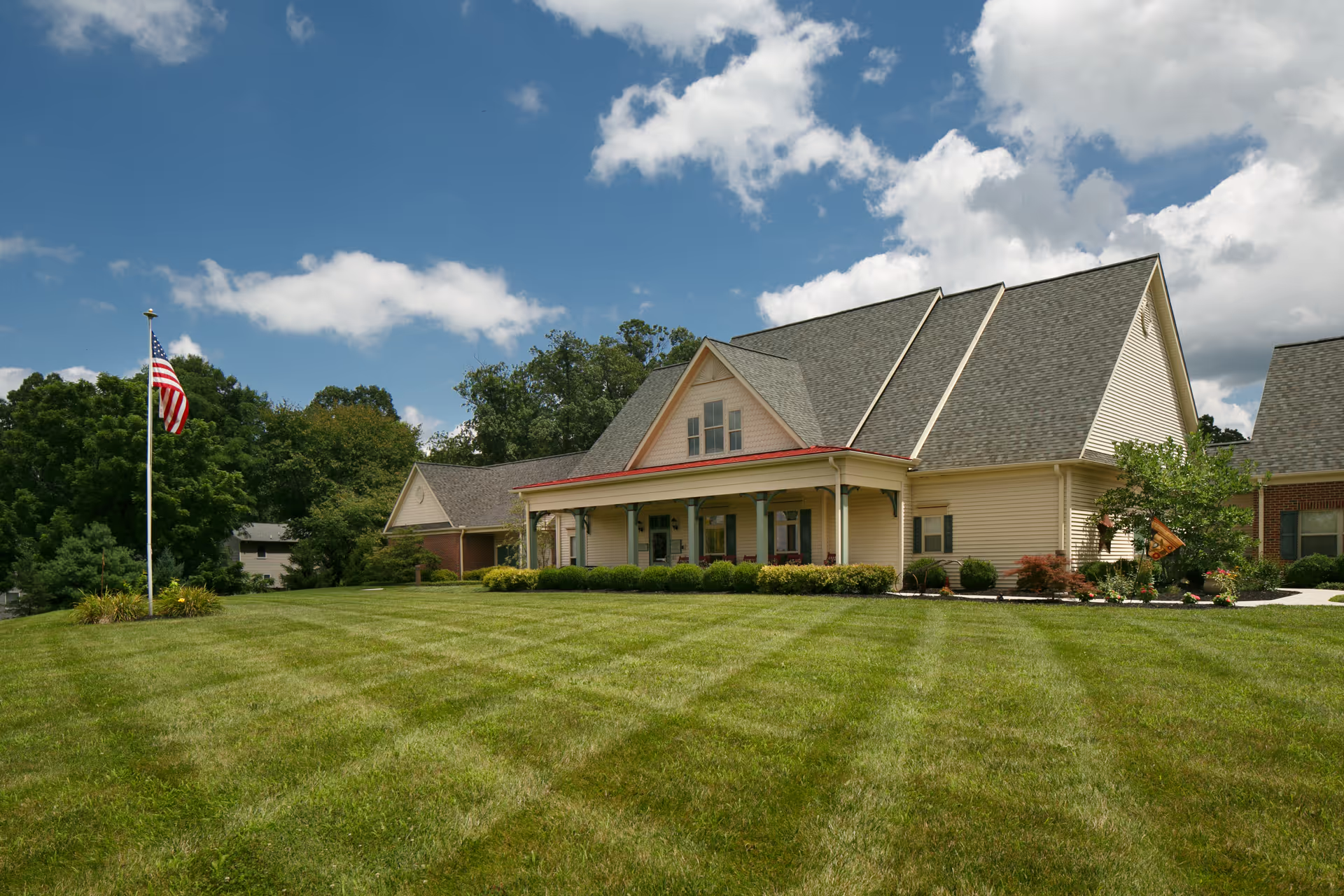
Facility amenities and environment are frequently noted as strengths: clean, bright common areas, engaging activity programming (including dementia-aware options), an on-site salon, and family-friendly spaces. At the same time, some reviews flagged sanitation variability in specific resident rooms and bathrooms; cleanliness appears uneven across units, suggesting opportunities to standardize environmental services and quality checks.
Management and communication show a mixed picture. Several reviewers praised responsive leadership, an attentive admissions coordinator, and post-discharge follow-up. Conversely, others reported front-desk customer-service issues, confusing discharge coordination, and lapses in family communication during clinical events. Limited on-site physician coverage was also cited; families seeking continuous physician oversight may want to ask about the facility’s medical coverage model and escalation pathways.
Notable patterns: the facility is often recommended for short-term rehabilitation because of a strong therapy program and supportive day staff. However, variability in direct-care performance, medication and clinical-task reliability, and sanitation consistency are recurrent themes that can materially affect residents with complex medical needs or long-term stays. A small number of families raised allegations of biased treatment; while not widespread in the reviews, such concerns warrant direct inquiry during a tour.
For prospective residents and families: Atlee Hill may be a good option for focused rehabilitation and social programming, provided you verify staffing levels on the shifts most relevant to your needs, review medication- and diet-safety protocols, and clarify discharge and family-communication procedures before admission.