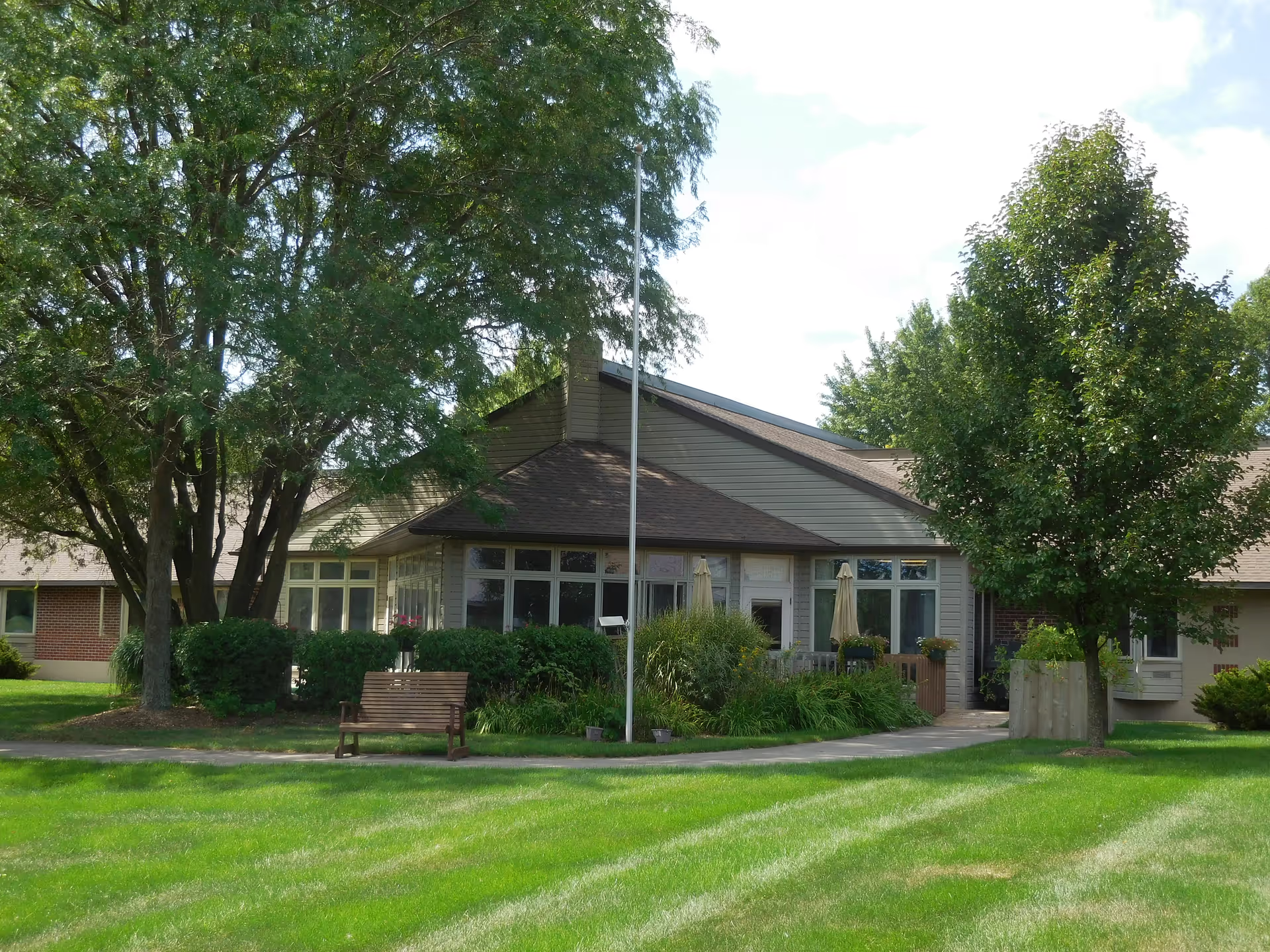
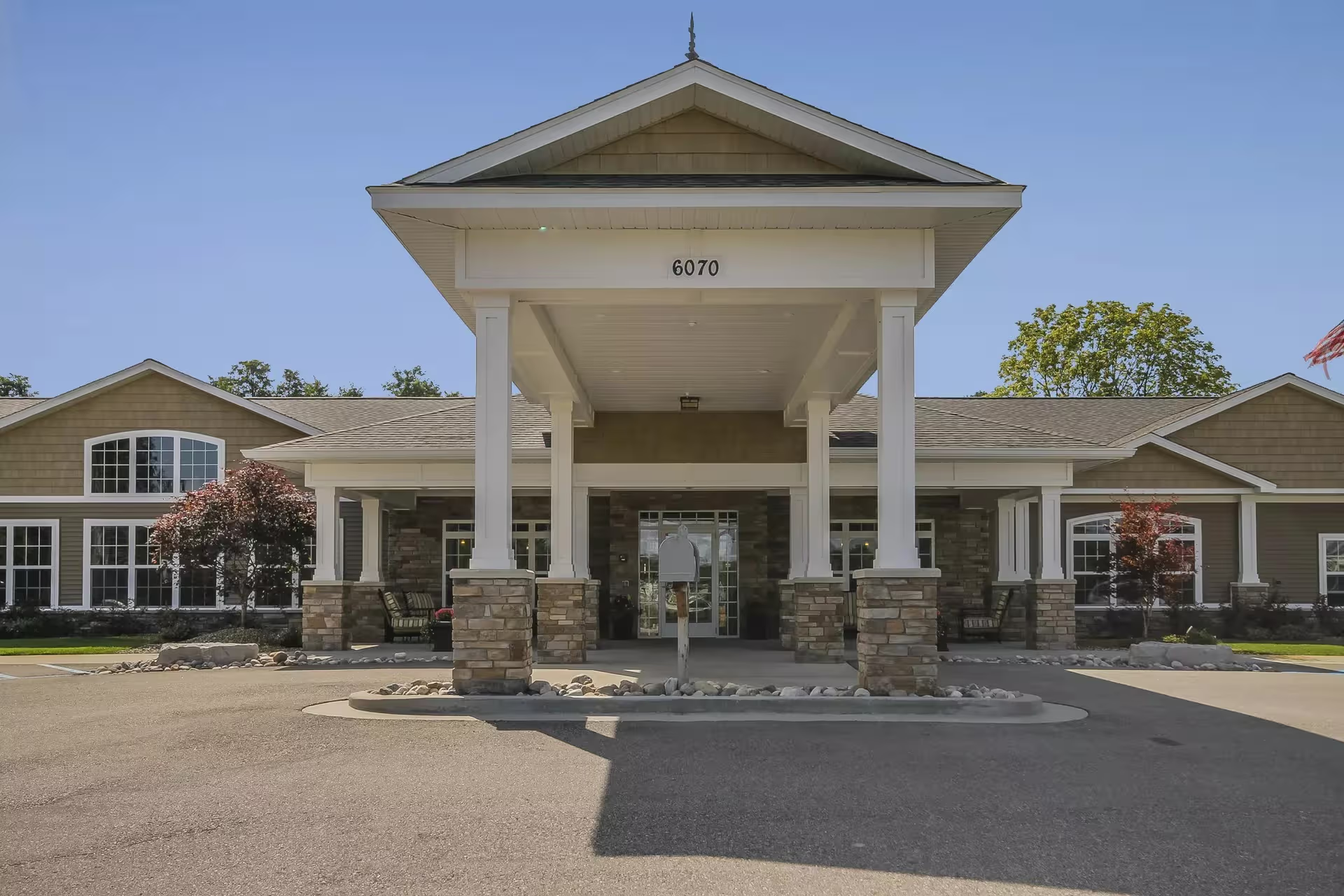
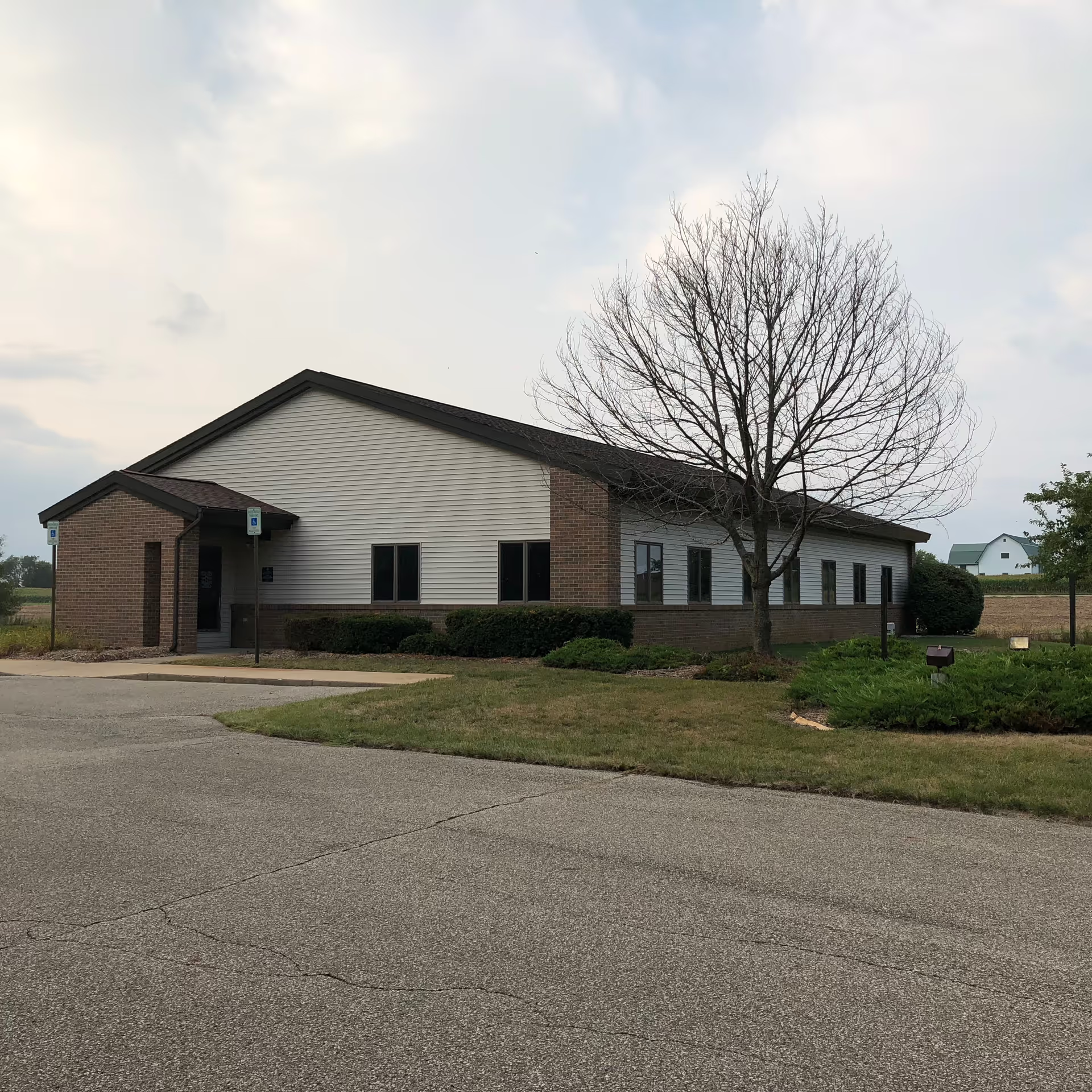
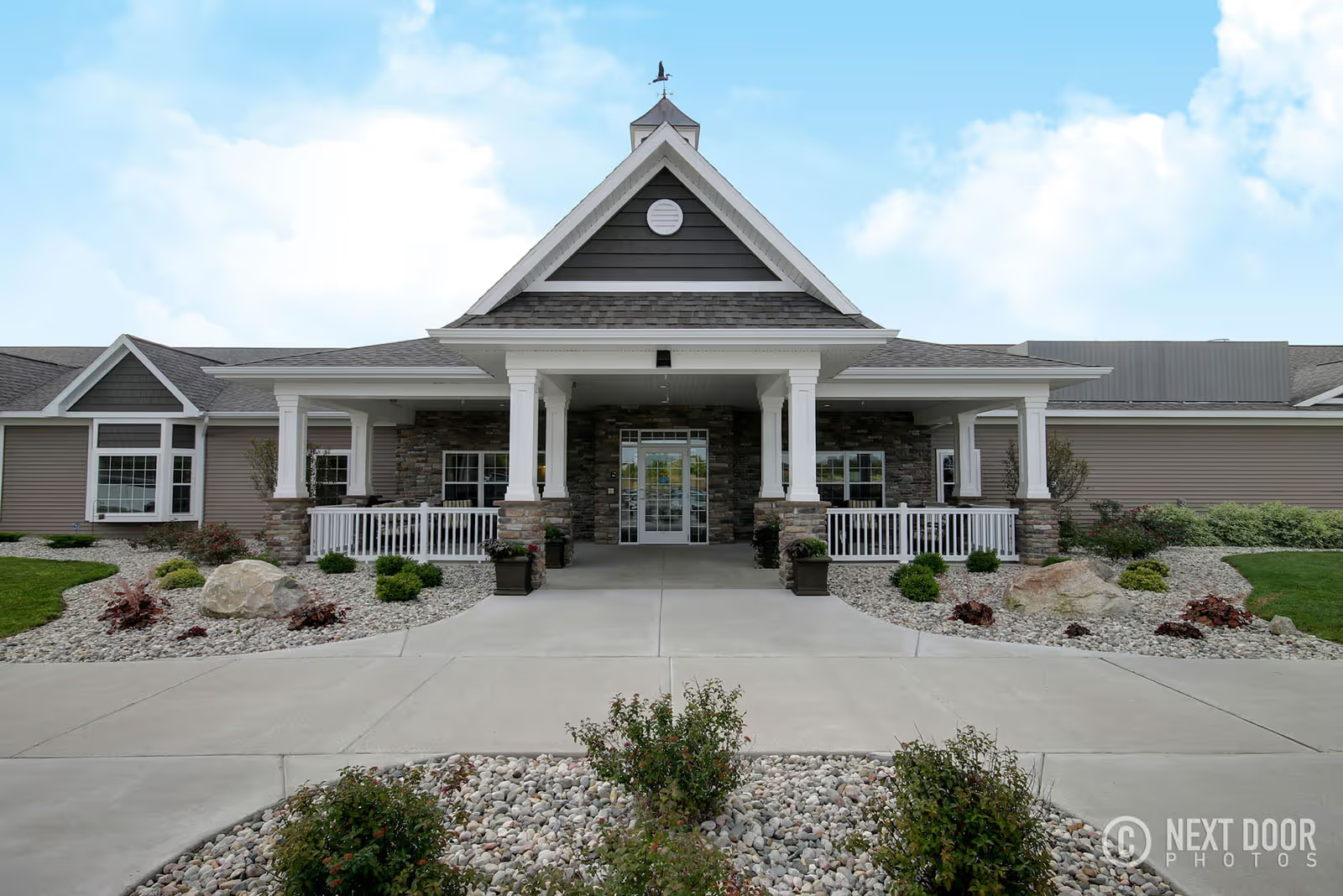
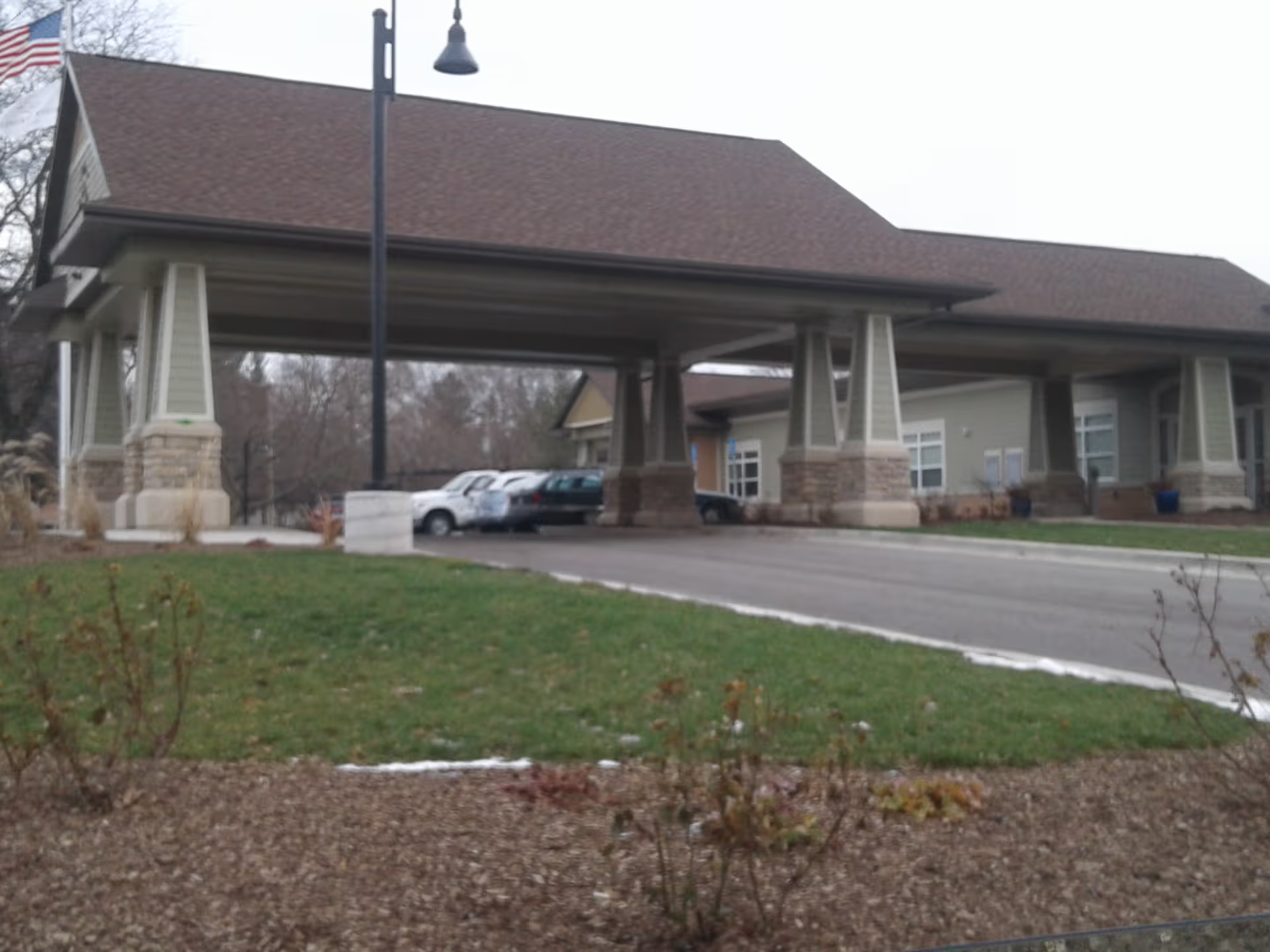
Metron of Cedar Springs elicits a mixed but strongly polarized set of impressions. Many families and residents describe the facility as clean, recently updated, and staffed by compassionate, attentive caregivers. Strengths most frequently cited include a dedicated nursing team, a collaborative in-house rehabilitation program, and an array of ancillary services (barber, podiatry, hearing, eye and dental). Reviewers also praise active social programming, a full-time bus driver for outings, pet-friendly visitation, and constructive coordination with external partners and hospice providers. Several accounts highlight clear communication from clinicians and administration and a home-like atmosphere that families appreciate.
Despite these positives, reviews reveal recurring operational concerns that prospective families should probe. The most serious themes involve care-process reliability: delays or gaps in attending to basic hygiene and continence needs, inconsistencies in medication administration, and uneven responsiveness to call requests or phone inquiries. A number of reviewers described issues with the tone and professionalism of some staff members — particularly front-desk or phone personnel — and with management responsiveness in specific situations. There are also repeated notes about variability in therapy intensity and occasional limits on therapy availability.
Facility-level maintenance and service inconsistency appear in several reports. While common areas and portions of the building are described as very clean and recently remodeled, some families reported dusty rooms, unfulfilled promises for private rooms or specific equipment (for example lift chairs), and lapses in room readiness. Dining receives mixed feedback: some reviewers find the food better than a hospital meal, while others report cold or unpalatable offerings. Infection-control and pest-control concerns were raised in a small number of accounts and should be discussed directly with leadership during a tour.
Overall, Metron of Cedar Springs demonstrates clear strengths in staff compassion, therapy resources, and resident-centered programming, but there are identifiable patterns of inconsistency in operational execution. Prospective residents and families would benefit from targeted questions at a visit: staffing levels and turnover, medication-administration protocols, incontinence and hygiene processes, specific therapy availability and goals, guarantees around room assignment and equipment, dining sample/menu options, and how the facility documents and communicates clinical incidents and follow-up. Where families have raised issues, a number of reviewers also noted that direct, documented discussions with management sometimes resulted in improvements, indicating variability in responsiveness rather than a uniform practice.