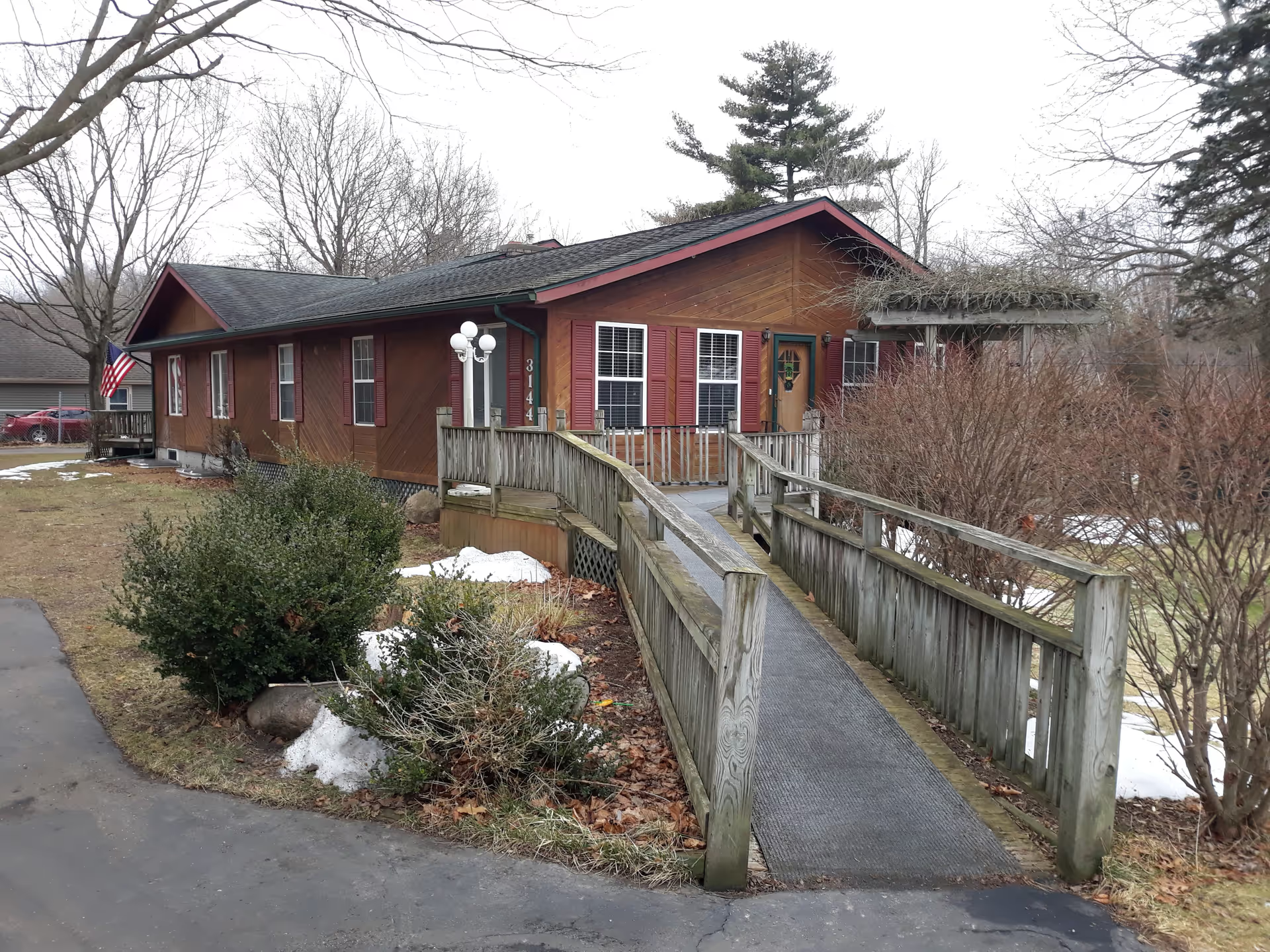
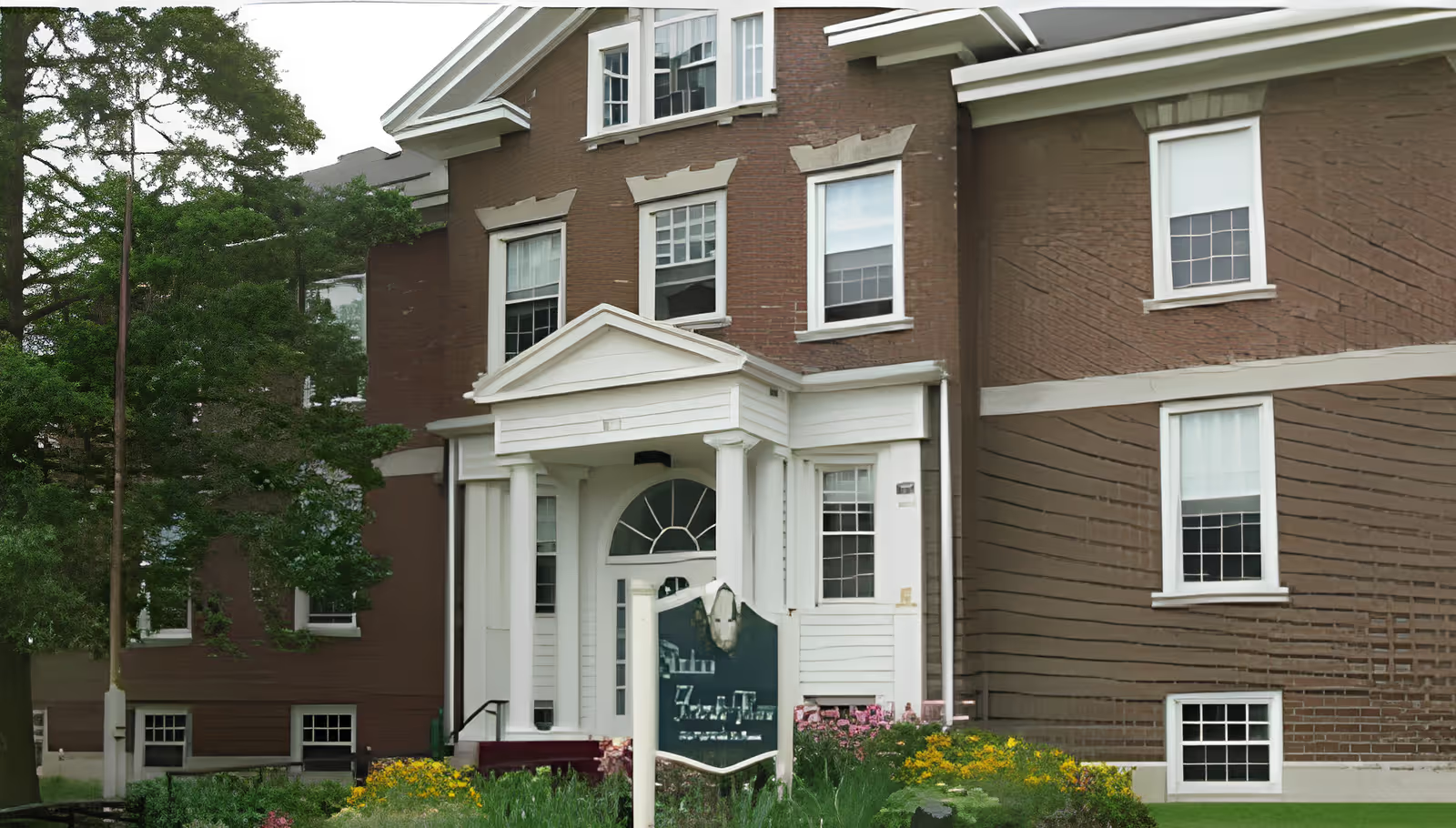
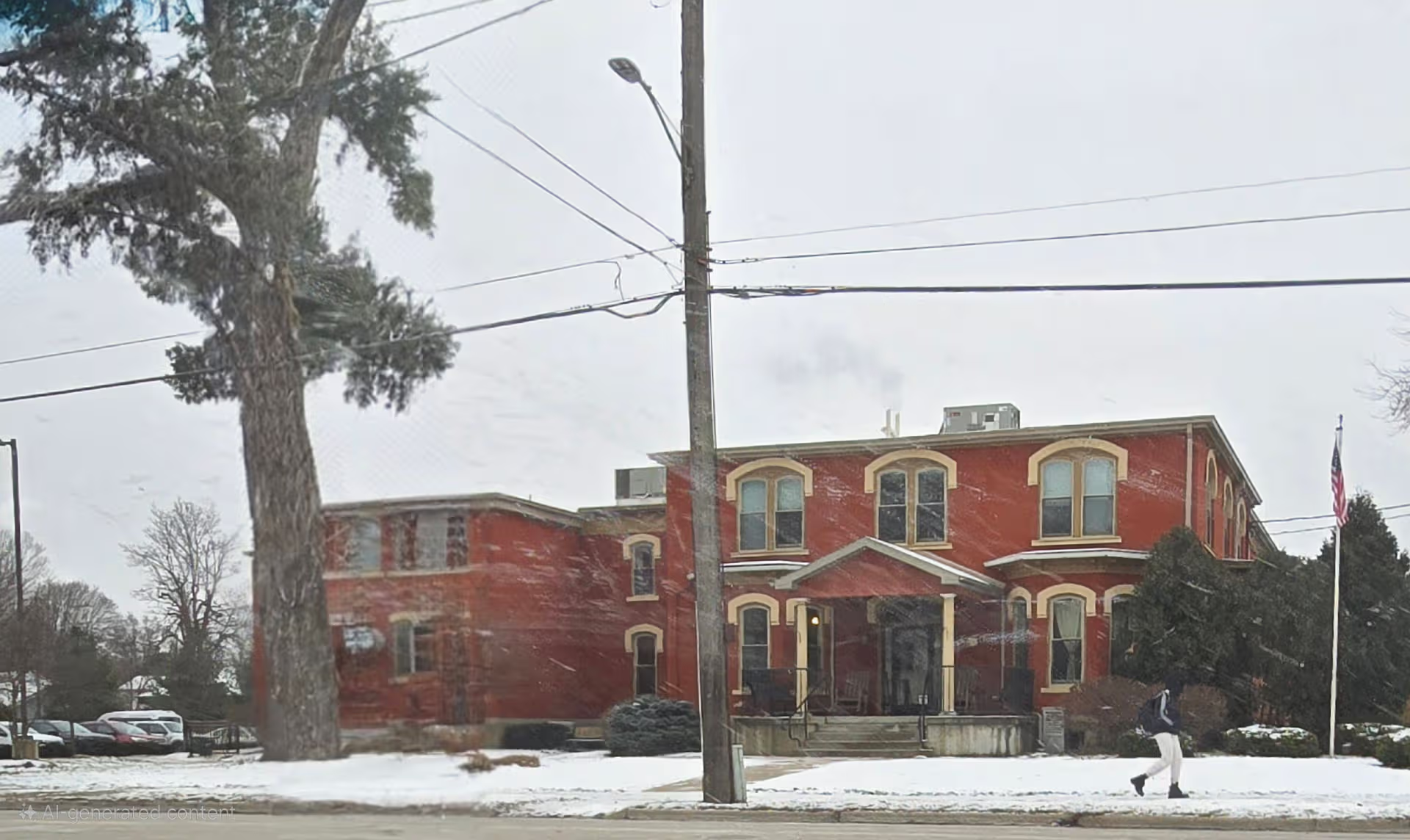
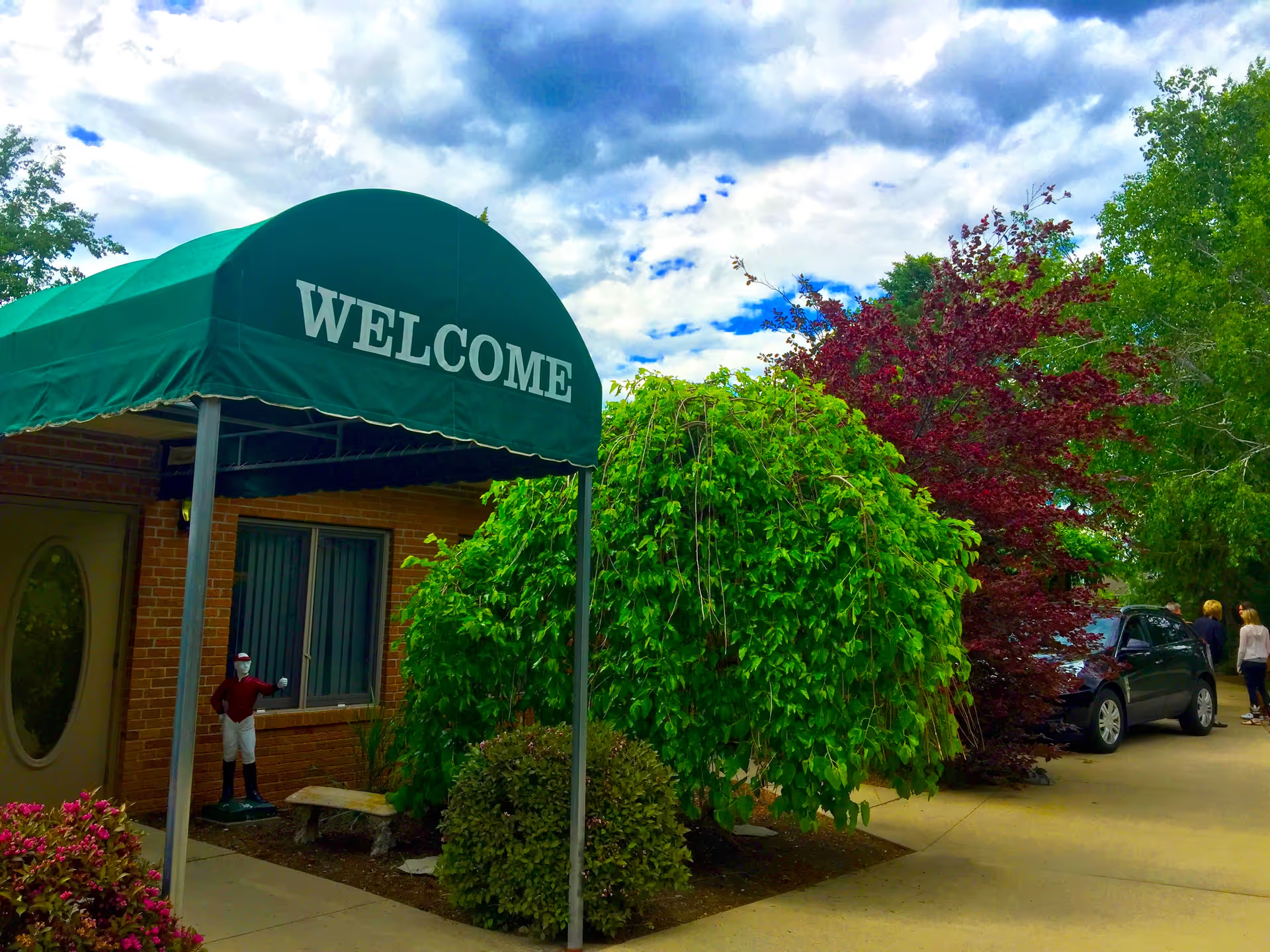
Reviewers describe Mission Point Health Campus of Jackson as a physically attractive, largely well-kept senior care campus with a strong rehabilitation focus and a generally warm, home-like atmosphere. The property is frequently characterized as clean and new, with pleasant outdoor spaces, private courtyards, and spacious, wheelchair-accessible apartments featuring large bathrooms and walk-in showers. Many families and residents praise the facility’s therapy resources — physical and occupational therapy and a well-equipped rehab gym — and note effective coordination between nursing and therapy teams to support recovery goals.
Care quality and staff performance receive mixed but often positive assessments. Numerous comments highlight compassionate, competent nursing and direct-care aides, proactive therapy staff, and an engaged activities team that organizes outings and social programming. Several reviewers cited strong hospice collaboration and felt the facility supported peaceful end-of-life transitions. At the same time, recurring operational weaknesses are evident: staffing levels fluctuate, which correlates with delayed responses to call lights, inconsistent bathing and toileting assistance, and occasional medication-administration lapses. These patterns suggest uneven coverage and workload pressures that affect day-to-day responsiveness.
Dining and ancillary services are another area of divergence. Many reviewers compliment the kitchen and describe high-quality meals prepared by skilled chefs, plus amenities such as an onsite salon/barber and transportation services. Counterbalancing that, others report inconsistent meal quality, limited menu variety for certain diets, and issues with meal timing or delivery. Financial and administrative processes also draw criticism: families describe opaque billing practices, unclear pricing and insurance-authorizations, and occasional inconsistencies in invoicing that make financial planning more difficult.
Communication and management receive mixed appraisals. Some families report clear, timely updates and accessible leadership, while others describe gaps in cross-shift handoffs, missed family notifications, unreturned calls, and variability in how management addresses concerns. There are also mentions of conduct and tone issues in staff interactions and at least one instance of serious allegation that prompted a regulatory complaint, which underscores the importance of careful oversight and transparent investigation processes.
For prospective residents and families, the facility’s strengths are most apparent in rehabilitation services, a generally clean and welcoming environment, engaging activities, and many compassionate clinical staff. Key practical considerations are the potential for fluctuating staffing/resource levels, the need for close monitoring of medication administration and personal-care schedules, and the importance of clarifying billing, insurance coverage, and escalation pathways with admissions and management before placement. Visiting the facility, meeting care teams across shifts, and asking specific questions about staffing ratios, medication protocols, and billing transparency can help align expectations with operational realities.