Reviews present a mixed but actionable picture of Medilodge of Mt Pleasant. Strengths repeatedly highlighted include the day-to-day caregiving: many families and residents describe compassionate CNAs and nursing staff who provide attentive, personalized attention and help residents feel at home. Short-term rehab and therapy services receive consistently positive feedback for producing measurable recovery and anxiety relief; reviewers frequently cited successful therapy outcomes and strong coordination of appointments and transportation. Activities programming and teamwork among clinical staff are also noted as positive contributors to resident well-being.
Care quality appears uneven. While direct-care staff are often described as caring and effective, several reviewers raised operational concerns that have clinical implications. Medication-management errors and gaps in medication administration were cited, as were delays in clinical response and inconsistent bathing/personal-care schedules. These indicate potential weaknesses in clinical oversight and day-to-day care processes rather than a uniform failure of frontline caregivers. There are also specific mentions of staff conduct and tone issues in some interactions, contrasted with multiple accounts of very attentive, life-saving, or emotionally supportive care from other staff members.
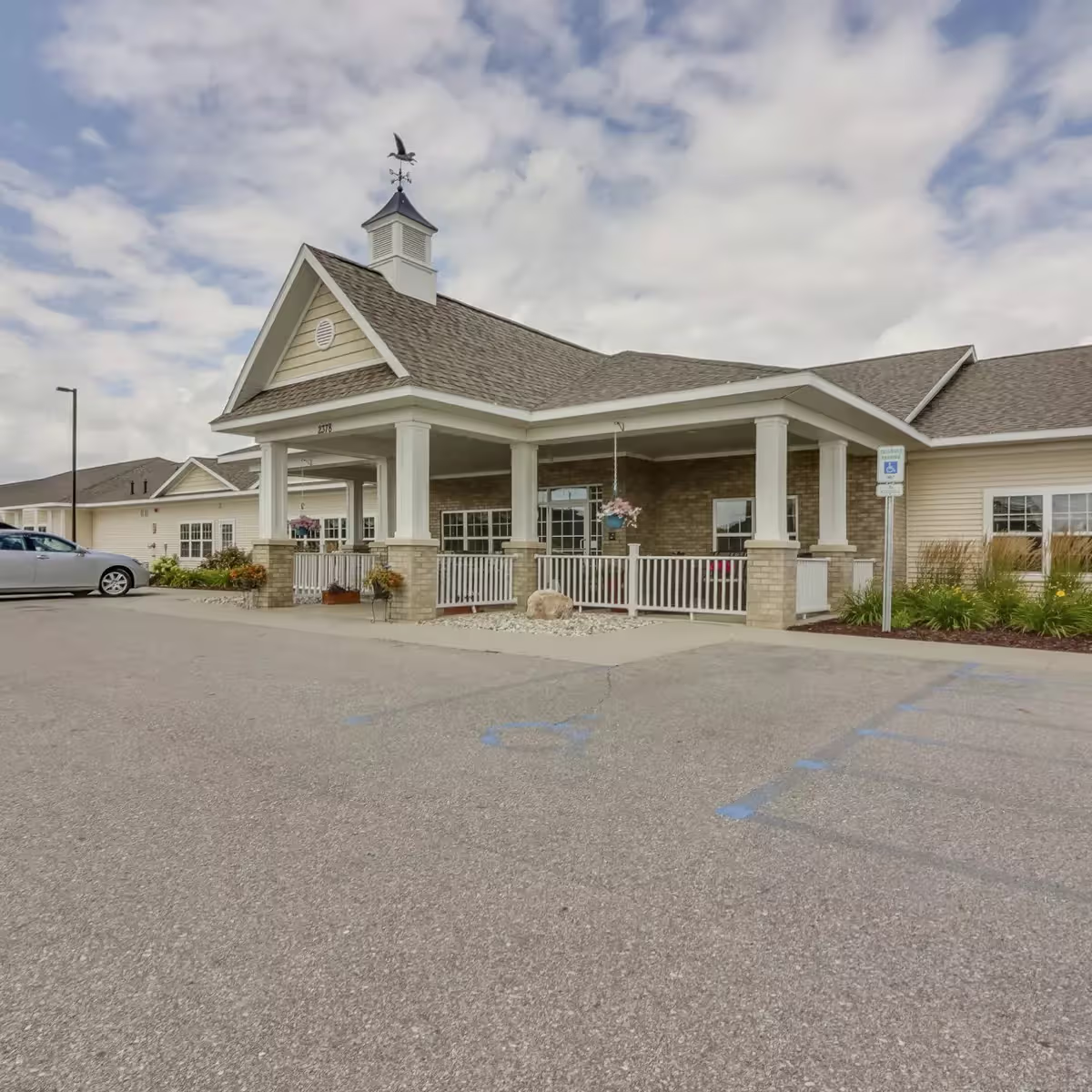
Dining and housekeeping show mixed signals. Some families described clean, spacious common areas and smooth admission/visitation logistics, while others reported sanitation concerns and pest-control issues in certain units and poor kitchen or meal quality. This suggests variability in environmental services and food-service consistency across the facility or over time. The facility's dementia unit and pet-friendly policies were singled out as positive programmatic features by several reviewers.
Management, transparency, and organizational priorities are recurring themes. Several reviewers criticized leadership and decision-making, citing inconsistent staffing levels, perceived prioritization of non-clinical expenditures, and concerns about infection-control staffing. There are also allegations of retaliatory practices involving management, which, if substantiated, would be a significant governance concern. At the same time, named staff members received praise for communication and responsiveness, indicating that strengths and weaknesses may depend on individual teams or shifts.
Notable patterns for prospective families: clinical rehabilitation and daily caregiving can be strong selling points, but organizational inconsistencies—especially around medication administration, staffing reliability, cleanliness in some areas, and kitchen operations—warrant direct inquiry during a tour. Ask about current staffing ratios, medication-safety protocols, recent infection-control measures, pest-control practices, and how the facility handles family communication and incident follow-up. Observing mealtimes, therapy sessions, and a dementia unit visit can help assess whether the positive aspects described by many align with your relative's needs.