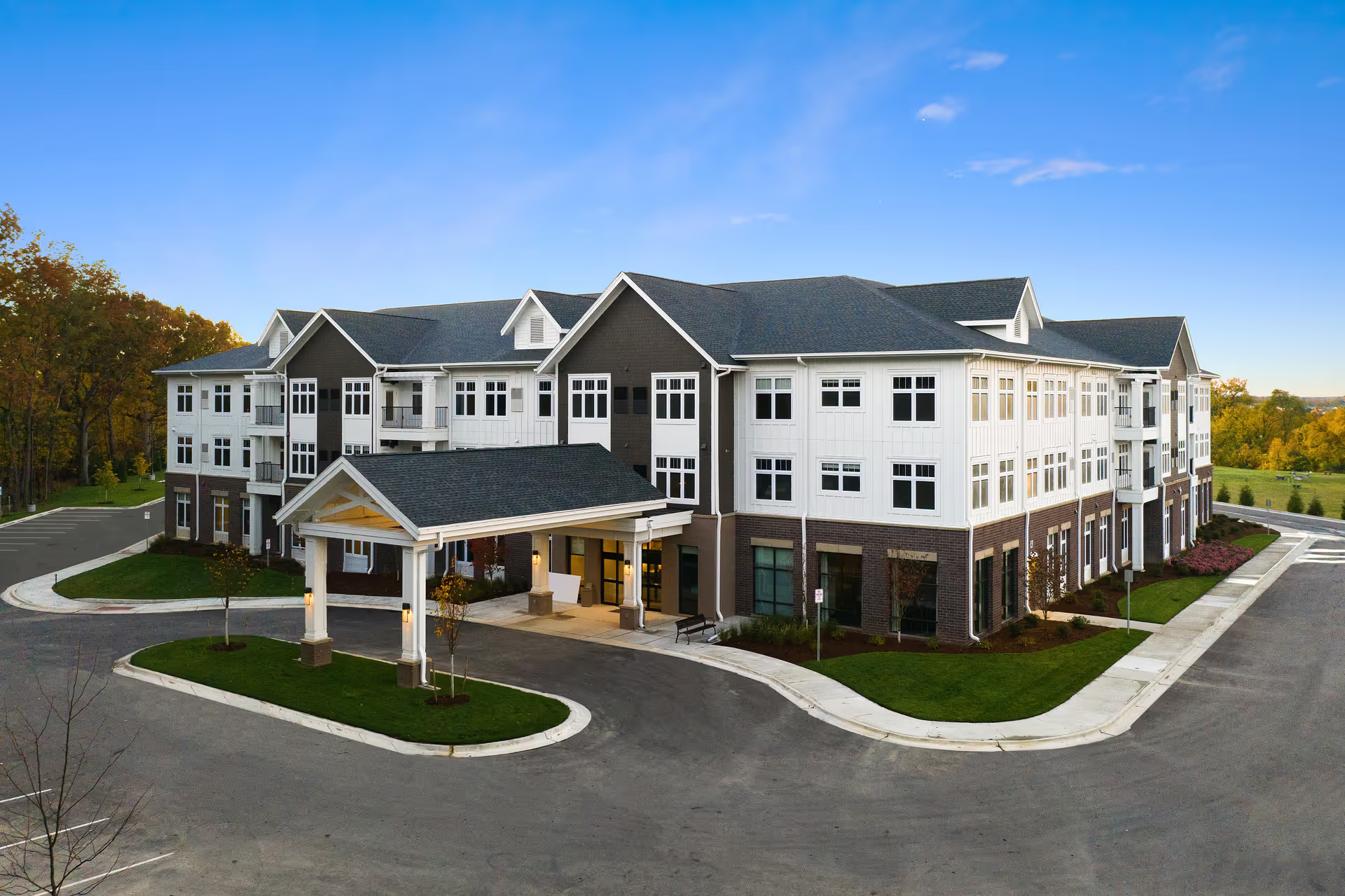
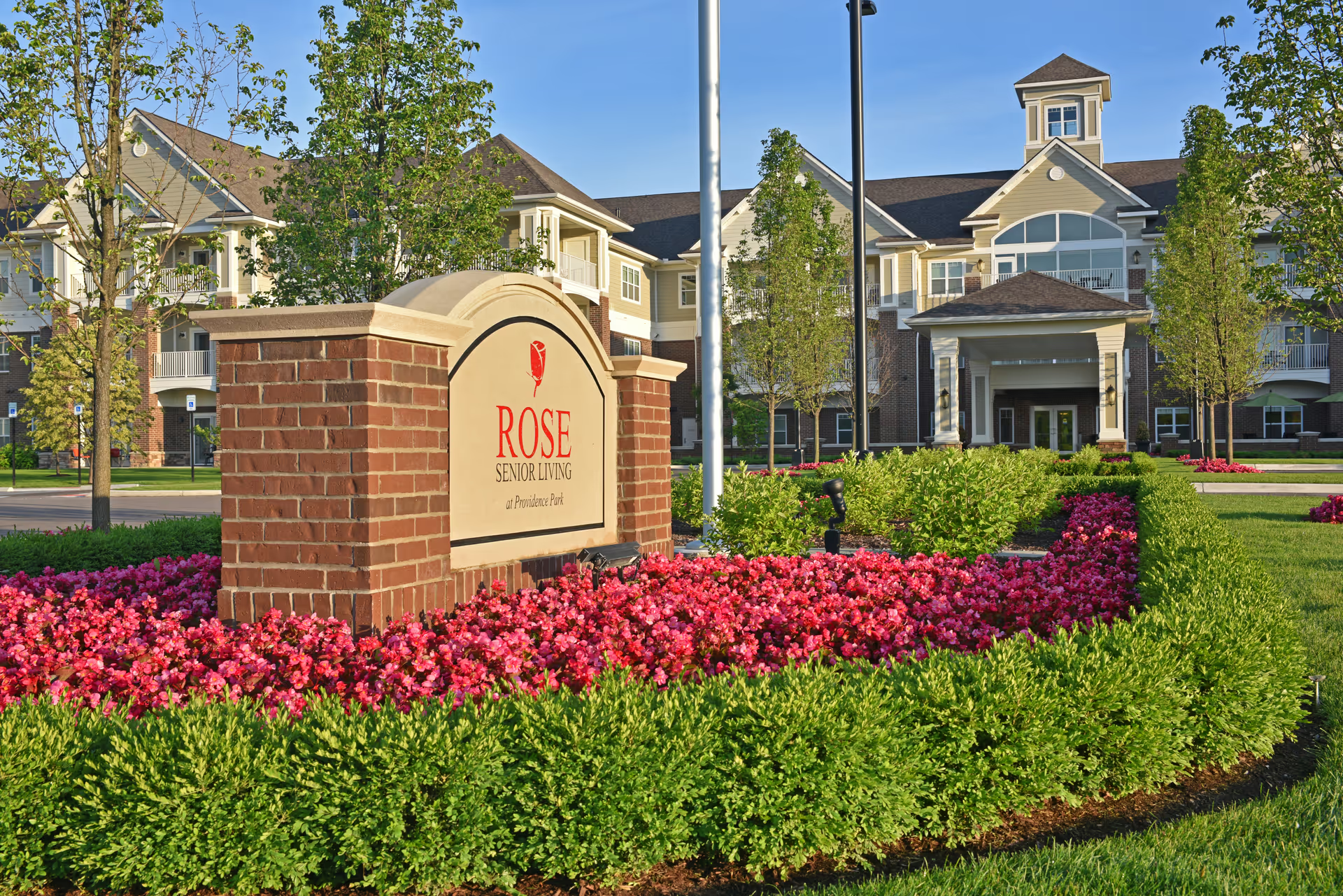
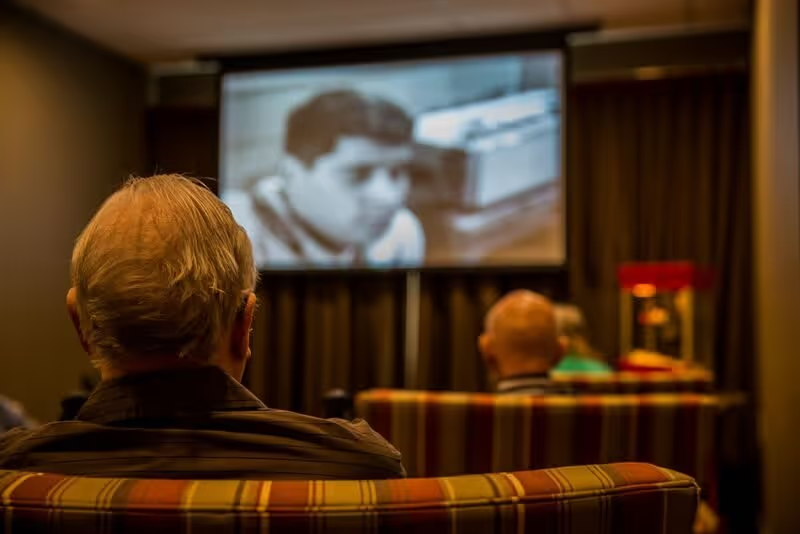
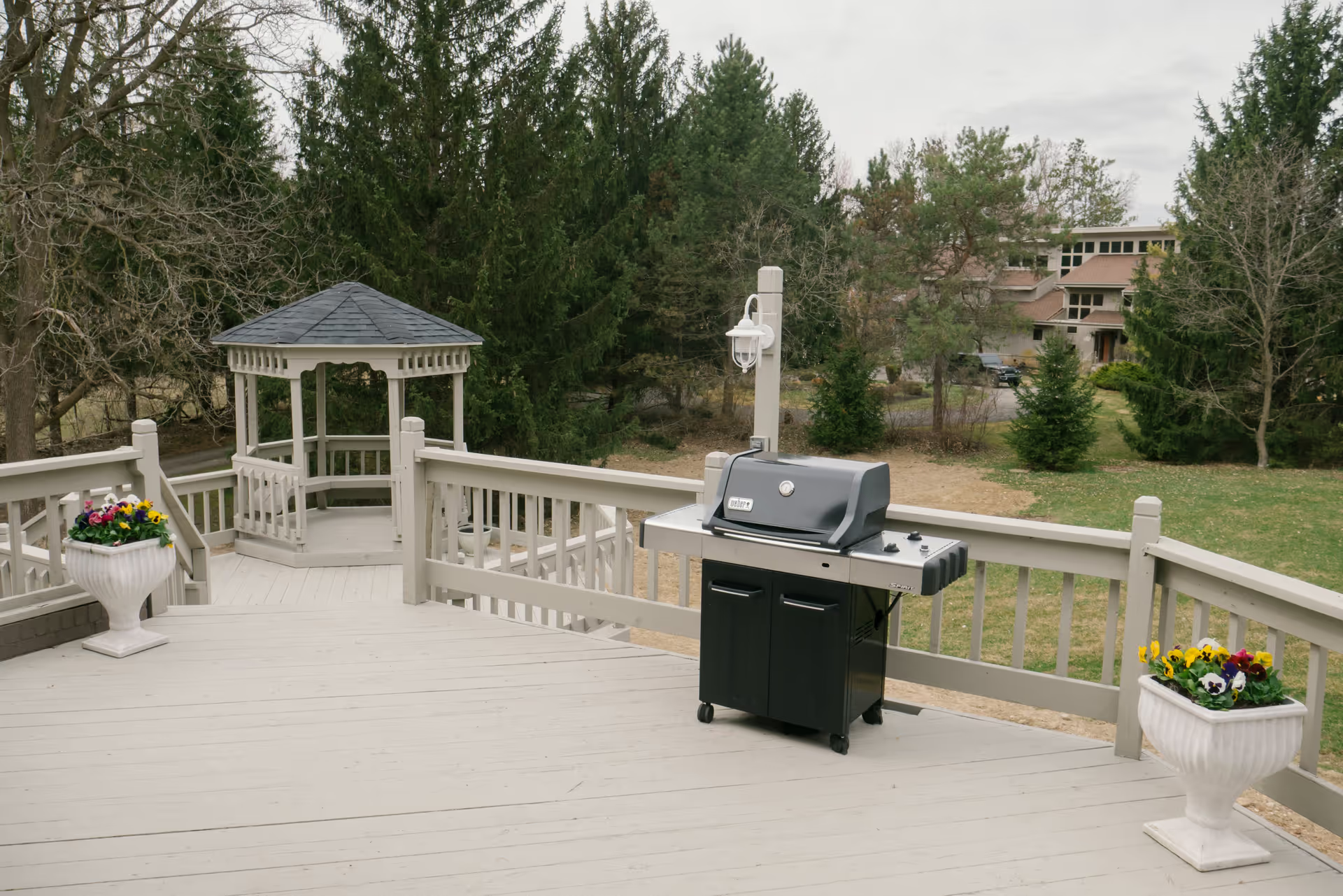
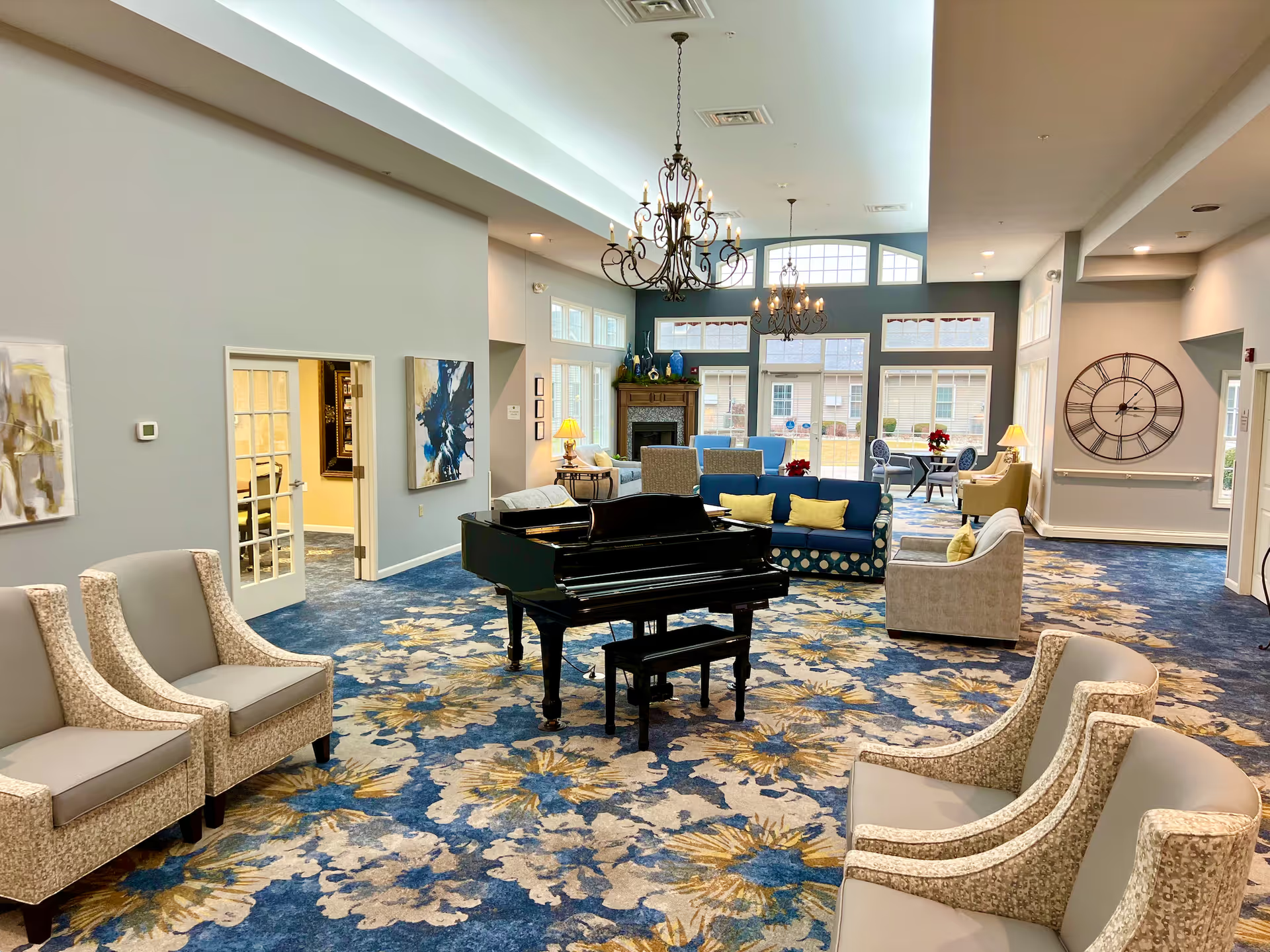
Reviewer feedback for Whitehall Convalescent Homes is markedly mixed, with clear strengths alongside recurring operational concerns. On the positive side, many accounts describe an attractive physical environment — scenic, wooded grounds and well-kept interior common areas — and resident rooms that are perceived as clean and odor-free. Several comments highlight friendly, professional caregivers and a visible management presence; those families and residents tend to describe person-centered interactions and an atmosphere where residents appear happy and engaged. Social programming is noted positively in some accounts, with specific mention of activities such as movie nights and snack service.
Care quality descriptions vary substantially. Some families characterize the clinical care as excellent and appropriate for long-term or end-of-life residency. Conversely, other accounts raise serious clinical concerns, including medication-administration errors, slow response to call lights, and issues with nutritional monitoring and unexplained weight loss. There are also mentions of hospital transfers and concerns following resident deaths; these items suggest gaps in clinical oversight and incident response that prospective families should investigate further.
Staffing and staff conduct are another area of divergence. Positive reports emphasize friendly, family-like caregiving and professional demeanor, while negative reports point to understaffing, delayed assistance, and strained interactions with staff who are described as argumentative or having poor communication tone. Some feedback indicates unclear role delineation among direct-care workers and licensed personnel, which can complicate clinical accountability and family communication.
Facility and operational issues appear in both positive and negative accounts. Strengths include attractive grounds and some well-maintained interior spaces; however, there are recurrent sanitation and odor-control concerns in portions of the facility, as well as comments about limited or inadequate therapy space. Additional operational weaknesses include property and financial accountability gaps (for example, missing personal belongings and unresolved reimbursement promises) and privacy or resident-information handling concerns. Several reviewers also cite shortcomings in facility maintenance and safety practices.
Management receives mixed assessments: while a dedicated and visible management team is appreciated by some, others describe ineffective follow-through on financial or privacy-related issues and uneven communication after clinical incidents. Taken together, the pattern is one of polarization — families report either generally satisfactory, even compassionate care in a pleasant setting, or substantive operational and clinical problems that affected resident wellbeing.
For prospective residents and families, a direct tour and targeted questions are advisable. Suggested questions include staffing ratios and typical call-light response times, medication-administration and documentation protocols, nutrition and weight-monitoring practices, procedures for safeguarding resident belongings and reimbursements, privacy/HIPAA policies, recent maintenance or sanitation audits, and examples of how management communicates about clinical incidents. These inquiries can help clarify whether the facility’s strengths align with a prospective resident’s needs and whether the operational concerns raised in some accounts have been addressed.