Reviewer accounts of Arbor Manor Care Center present a mixed picture with distinct strengths and recurring operational weaknesses. Strengths include a broadly praised caregiving team and therapy department: many families describe staff as compassionate and attentive, and rehabilitation services — both inpatient and outpatient — are frequently called effective and instrumental in residents’ recovery. Activity programming is also a clear positive, with regular church services, bingo, cookouts and other social offerings cited as contributing to resident well-being.
Care and staffing impressions are polarized. Numerous reviews highlight staff who are supportive, responsive to call lights, and willing to go beyond routine duties; these accounts emphasize respectful interactions and attentive therapy staff. At the same time, several reviewers describe variability in staff professionalism and responsiveness, including examples of unhelpful front‑desk interactions and inconsistent follow-through on family communications. Staffing levels and shift coverage appear uneven across the facility, which reviewers link to variability in day-to-day responsiveness and care continuity.
Clinical operations and dining show important areas for inquiry. Some reviews note effective clinical care and close monitoring by therapists and nurses, but others describe concerning operational gaps such as medication administration delays and inconsistent laboratory monitoring. Dining feedback ranges from praise for accommodating special diets to serious concerns about meal quality and adherence to dietary restrictions; a small number of accounts describe instances where dietary choices created potential clinical interaction risk. Prospective families should clarify medication timing, lab/monitoring protocols, and dietary management during a tour.
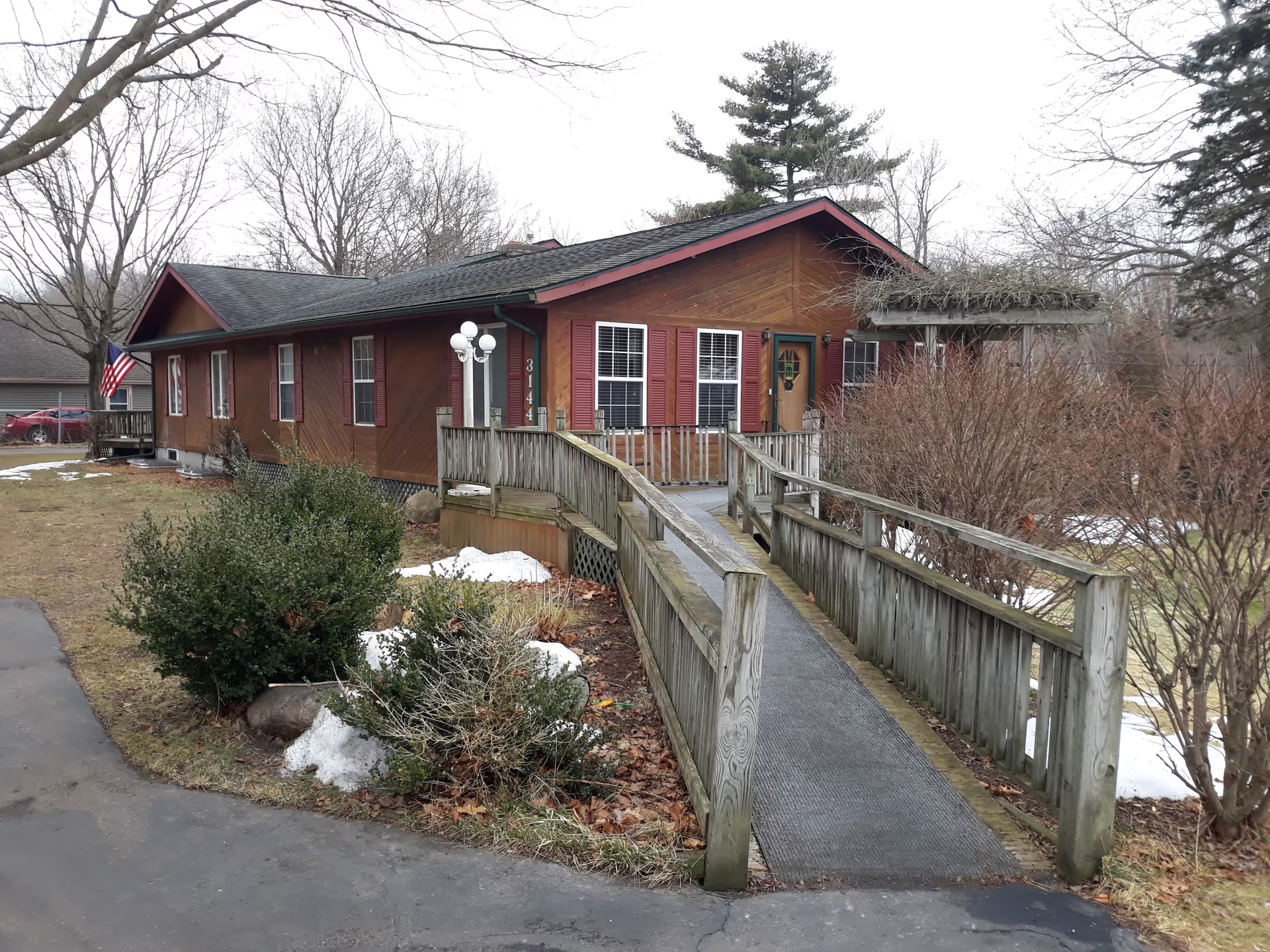
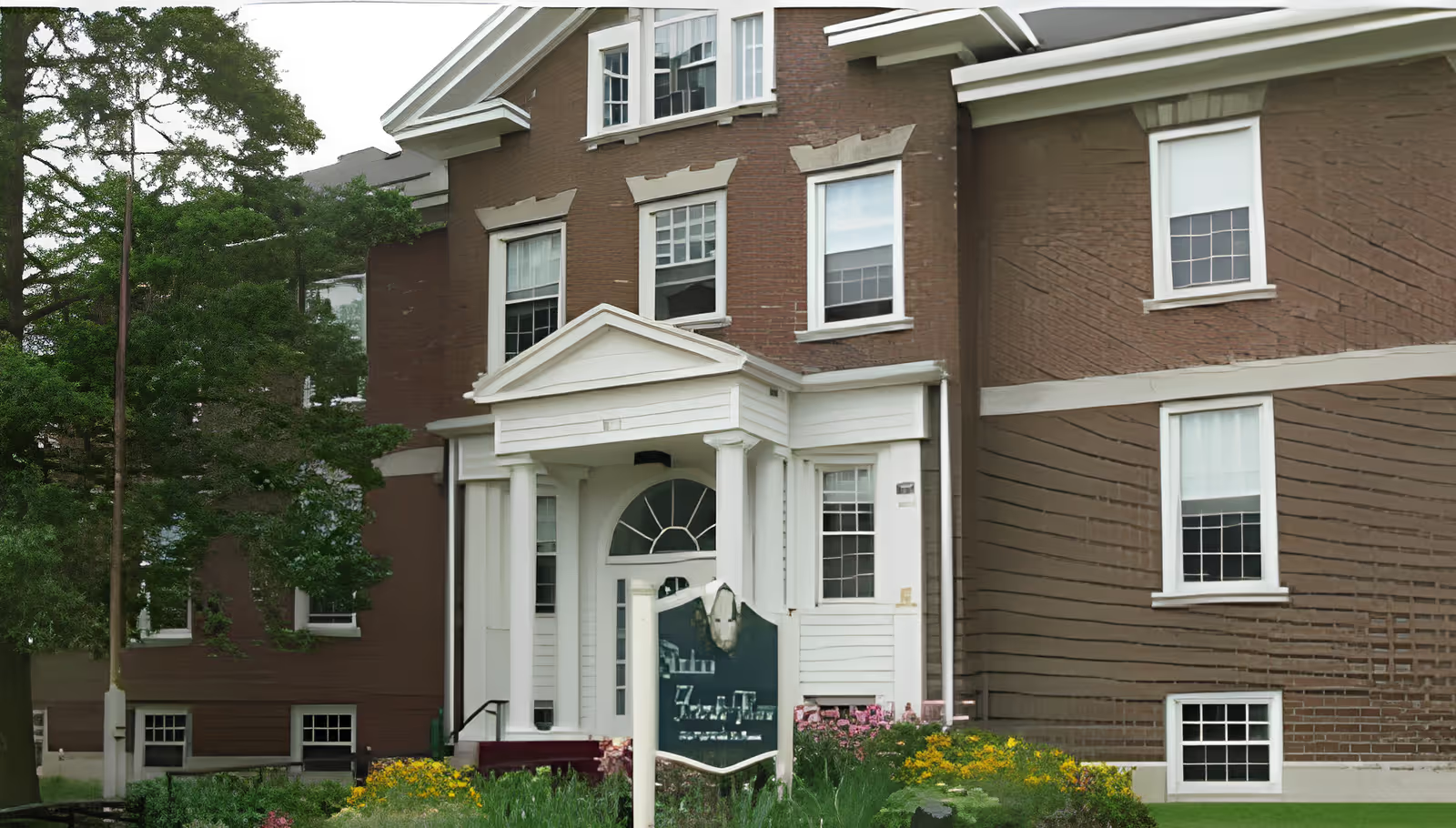
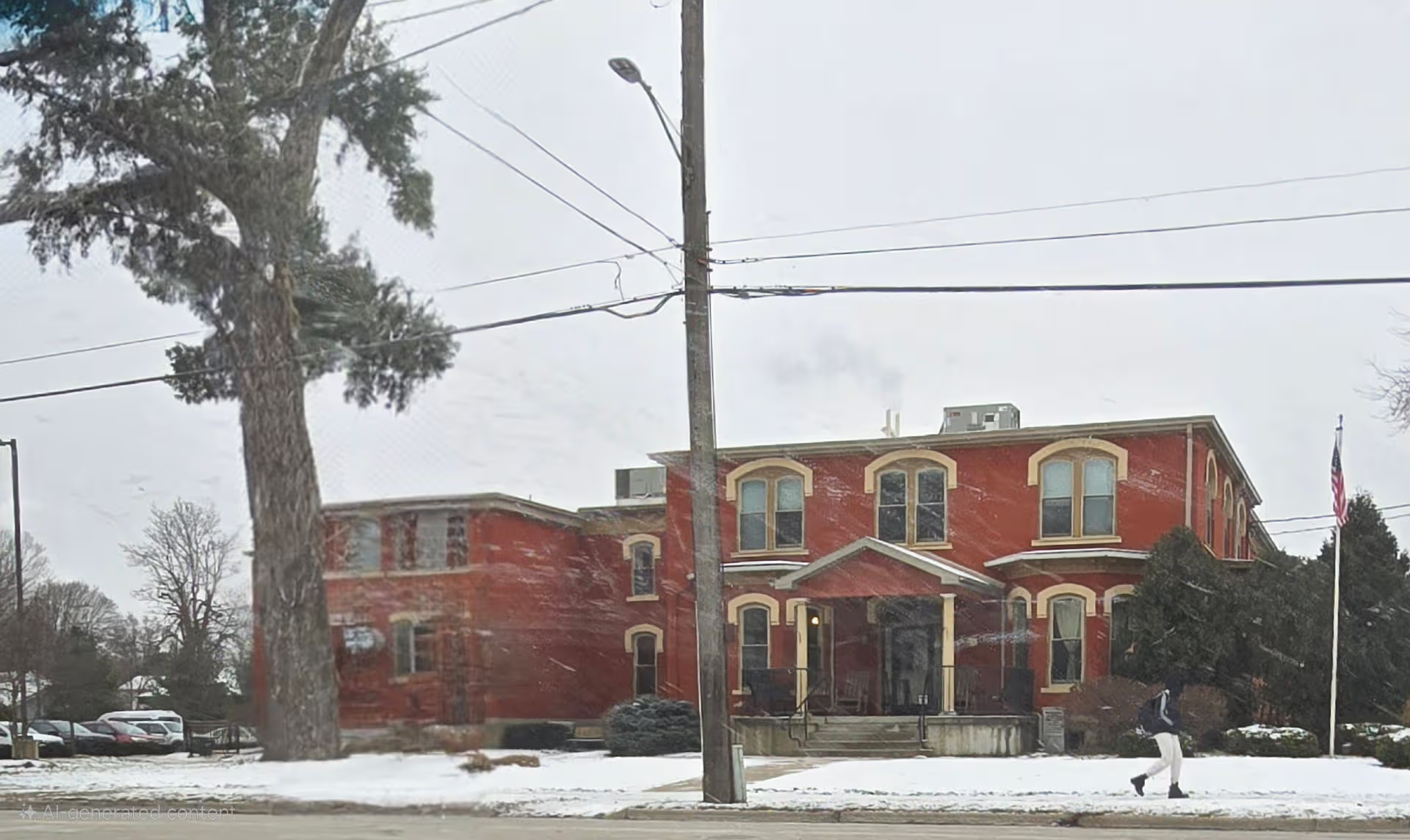
Facility condition feedback is likewise mixed. Many reviewers describe clean, pleasant rooms and well‑maintained communal spaces with nice views. Conversely, a number of accounts raise sanitation-related issues: pest-control concerns with ongoing abatement work, odor concerns in certain areas, and uneven cleanliness across units. These are operational issues that appear localized rather than uniform, but they merit direct inquiry (including housekeeping routines and pest‑control plans).
Management and communications also show variability. Positive experiences include warm transitions and attentive follow-up; negative experiences include canceled meetings, delayed or unreturned emails, and at least one infection-control event that affected operations. Taken together, reviewers suggest that quality varies by unit, shift, and individual staff; strong therapy and many compassionate caregivers are consistent strengths, while clinical-process reliability, dietary management, sanitation in some areas, and certain customer-service interactions are the most frequently cited concerns.
For prospective residents and families: arrange a guided tour that includes a review of medication management protocols, lab/monitoring practices, staffing patterns by shift, pest‑control schedules, and dietary accommodations. Ask to speak with therapy staff, housekeeping supervisors, and the nursing lead for the unit you are considering to assess unit-level consistency. This facility demonstrates significant strengths in rehabilitation and compassionate caregiving, but families should confirm operational safeguards and unit-specific conditions before making a placement decision.